TL;DR:
- A pre-extension consultation is a personalized assessment that helps ensure hair extensions are safe and suitable for your hair health and lifestyle. It allows stylists to evaluate your hair, scalp, and goals, reducing risks of damage and dissatisfaction. Proper preparation and honest communication during this appointment lead to better results and long-term satisfaction.
A pre-extension consultation is a personalised assessment where a stylist evaluates your hair health, lifestyle, and goals before selecting any extension method. The role of consultation before extensions goes far beyond choosing a colour or length. It is the appointment that determines whether your extensions will look natural, last well, and protect your natural hair throughout the process. Skipping it is the single most common reason people end up with damage, disappointment, or costly corrections. Understanding what happens in a consultation, and how to prepare for one, puts you in control of the outcome from the very start.
What happens during a hair extension consultation?
A professional hair extension consultation is a structured, personalised assessment session that typically lasts 30–60 minutes. That time is used to gather every piece of information a stylist needs to recommend the right method, weight, and placement for your specific hair.
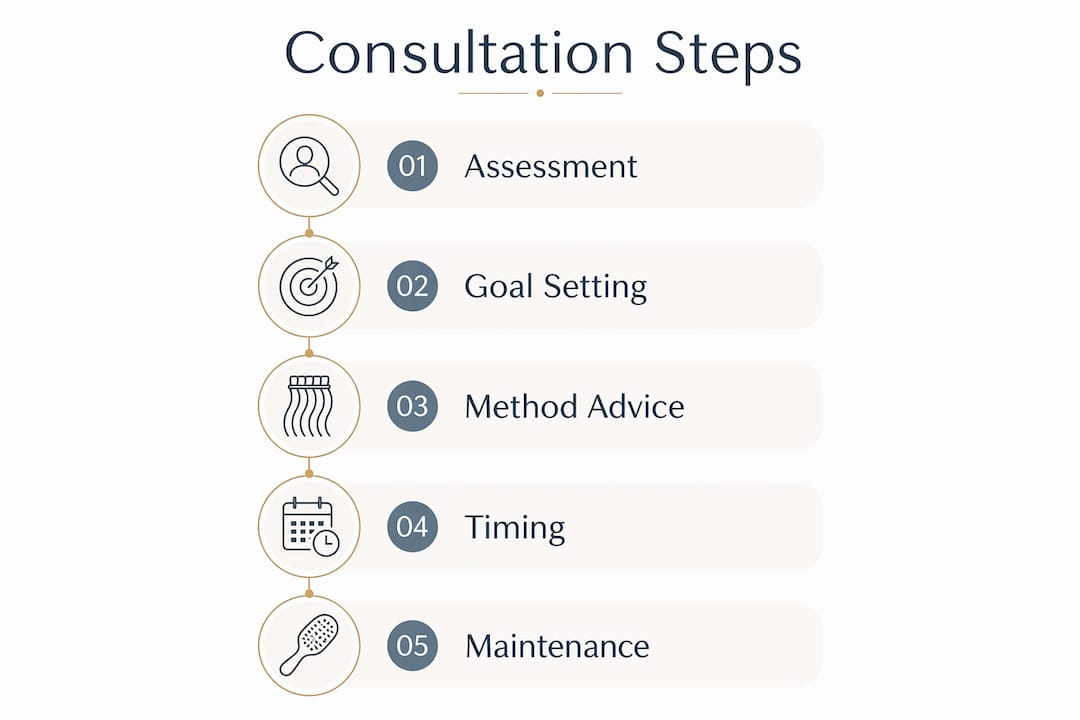
The session generally follows this order:
-
Hair density and strand strength assessment. Your stylist examines how many hairs grow per square centimetre on your scalp and how strong each strand is. Fine or fragile hair cannot support heavy wefts or keratin-bond extensions without risk of breakage.
-
Scalp and hair health check. The stylist looks for signs of shedding, thinning, chemical damage, or scalp sensitivity. These factors directly affect which methods are safe to use and which should be avoided entirely.
-
Lifestyle and maintenance discussion. Your daily routine matters. If you swim regularly, train at the gym, or prefer low-maintenance styling, certain extension methods will suit you far better than others. A stylist who does not ask about your lifestyle cannot give you an honest recommendation.
-
Colour matching. Achieving a natural result depends on matching your extension shade to your natural hair precisely. This step involves holding swatches against your hair in natural light and assessing your base colour, highlights, and tone. For a detailed look at this process, the guide on extension colour matching explains how to get it right.
-
Method selection. Once your hair profile is clear, your stylist explains which application methods suit your hair type and lifestyle. Options range from tape-in wefts and micro-ring bonds to invisible wire extensions, each with different maintenance demands and suitability criteria.
-
Maintenance and cost overview. A good stylist sets clear expectations on how often you will need infills or replacements, what aftercare products you will need, and what the ongoing cost looks like.
Pro Tip: Bring photos of your desired result to the consultation. They help your stylist understand your aesthetic goals and flag immediately if a particular look is achievable with your current hair condition.
Why is the consultation crucial for protecting your natural hair?
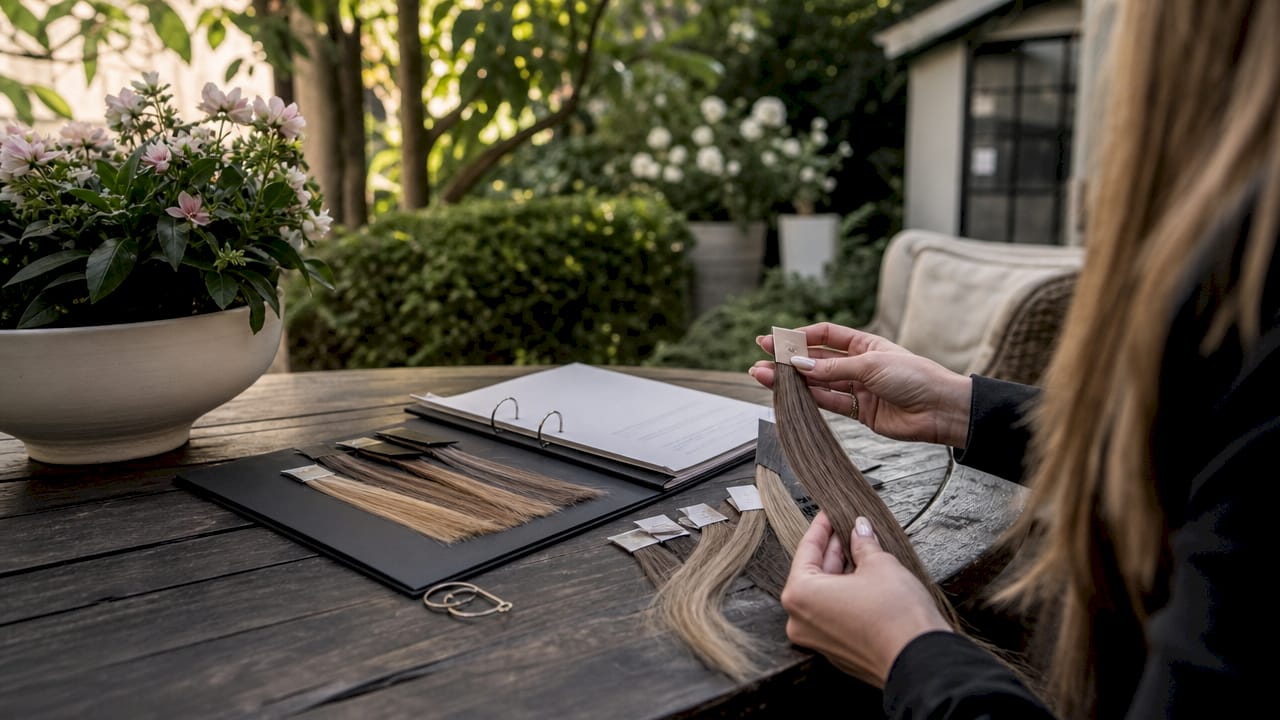
The consultation is your hair’s first line of defence. Incorrect extension placement, excessive weight, and unrealistic density goals are among the most common causes of hair damage and client dissatisfaction. A thorough consultation prevents all three.
Here is what a skilled stylist identifies during this protective assessment:
-
Sub-clinical hair fragility. Stylists are trained to detect fragility that you may not notice yourself. Hair can look healthy to the untrained eye while already showing early signs of stress or breakage at the root. A stylist who spots this will advise you to strengthen your hair before proceeding.
-
Scalp conditions that contraindicate extensions. Active scalp conditions, including seborrhoeic dermatitis or significant thinning, can be worsened by the weight and tension of extensions. A responsible stylist will recommend postponing the appointment and referring you to a trichologist if needed.
-
Unsuitable density goals. Wanting dramatically thicker hair when your natural hair is very fine is a common request. Consultations manage expectations by balancing your aesthetic goals with what your hair can safely support.
-
Tension and stress risks. Professional stylists prioritise strategic placement of extensions to reduce stress on your natural hair. This decision is made during consultation, not at the point of installation.
Pro Tip: If a stylist skips the health assessment and moves straight to booking your installation, treat that as a warning sign. A thorough consultation always comes before any commitment to a method.
The consultation also determines when extensions should be postponed entirely. If your hair is not yet healthy enough to support them safely, a good stylist will tell you directly. That honesty protects your hair and builds a foundation of trust for the long term.
How does the consultation help align expectations and enhance satisfaction?
Clear communication during a consultation is what separates a successful extension experience from a frustrating one. Building trust through effective communication is the key to long-term client satisfaction. It reduces surprises after installation and prevents the kind of disappointment that leads to costly corrections.
A well-run consultation covers four areas that directly affect your satisfaction:
-
Realistic outcome setting. Your stylist shows you what is achievable with your current hair condition. If you want waist-length extensions but your hair is at your chin, they will explain the weight and maintenance that comes with that goal, not just agree to it.
-
Maintenance commitment. Extensions require consistent care. Your stylist explains the honest maintenance plan you will need to follow, including washing frequency, drying techniques, brushing tools, and product restrictions. Knowing this upfront prevents neglect that leads to matting or damage.
-
Long-term cost transparency. Infills, replacements, and specialist aftercare products all add up. A stylist who discusses these costs during consultation gives you the full picture before you commit financially.
-
No pressure to book immediately. You should leave a consultation with a clear understanding of your options and no obligation to proceed on the day. A good stylist gives you time to consider the information.
“Clients who attend a thorough consultation are far more likely to be satisfied with their results, because they understand exactly what they are getting and what it requires of them.”
The consultation also builds the stylist-client relationship that makes ongoing maintenance easier. When your stylist knows your hair history and your goals, every subsequent appointment becomes more efficient and more personalised.
What practical tips should you prepare for a successful consultation?
Preparation makes a significant difference to the quality of advice you receive. Sharing complete hair history and maintenance habits helps your stylist choose a method that fits your lifestyle and care abilities. Arriving unprepared means your stylist is working with incomplete information.
Follow these steps before your appointment:
-
Write down your full hair treatment history. Include any chemical services such as bleaching, relaxing, perming, or keratin treatments, along with approximate dates. Previous extension methods and any problems you experienced are equally relevant.
-
List your daily hair habits. Note how often you wash, heat style, and tie your hair up. Mention any products you use regularly. This information shapes the maintenance plan your stylist recommends.
-
Prepare your extension consultation questions. Ask about which methods suit your hair type, how long the installation takes, what aftercare products you will need, and how often you will need to return for maintenance. A helpful resource is this pre-consultation checklist that covers what to know before you book.
-
Be honest about your budget and time. Some extension methods require monthly salon visits. Others, like invisible wire extensions, can be applied and removed at home in minutes. Your stylist needs to know what is realistic for you.
-
Know that a consultation is educational, not a sales appointment. Consultations are educational and evaluative sessions designed to protect your hair health. You are not obligated to book on the day, and a reputable stylist will not pressure you to do so.
-
Consider a second opinion if something feels wrong. If a stylist dismisses your concerns, skips the health assessment, or pushes a single method without explanation, seek another consultation elsewhere.
Pro Tip: Arrive at your consultation with clean, dry, and unstyled hair. This gives your stylist the clearest possible view of your natural texture, density, and condition.
Key takeaways
A thorough pre-extension consultation is the single most effective way to protect your natural hair, set realistic expectations, and achieve results that last.
| Point | Details |
|---|---|
| Consultation duration | Sessions typically last 30–60 minutes and cover hair health, lifestyle, colour, and method selection. |
| Hair protection | Stylists detect fragility and scalp issues that clients cannot see, preventing damage before it starts. |
| Expectation management | Honest communication during consultation aligns your aesthetic goals with what your hair can safely support. |
| Preparation matters | Sharing your full hair treatment history and daily habits helps your stylist give you the most accurate recommendation. |
| No pressure to commit | You should leave a consultation fully informed and free to decide, without obligation to book on the day. |
Why I believe the consultation is the most underrated step in the whole process
Most people focus on the end result: the length, the volume, the colour. The consultation feels like admin before the exciting part. That is a mistake I see play out repeatedly, and it is almost always the reason someone ends up unhappy.
The clients who get the best results are the ones who treat the consultation as the most important appointment, not a formality. They come prepared, they ask questions, and they listen when a stylist recommends waiting or adjusting their expectations. That willingness to engage honestly with the process is what separates a great extension experience from a damaging one.
There is also a misconception that consultations are designed to upsell you. A good consultation does the opposite. It tells you what you do not need, what your hair cannot support right now, and what a realistic maintenance commitment looks like. That kind of honesty is what builds a long-term relationship with a stylist you can trust.
My advice is simple. If you are considering extensions, read up on how consultations help you choose the right extensions before you book anything. Arrive informed, be honest about your hair history, and treat the consultation as the foundation it genuinely is. Your hair will thank you for it.
— Sam
Naturylextensions and your extension experience
At Naturylextensions, the belief is that great extensions start with great information. Whether you are new to extensions or returning after a break, understanding your options before you commit makes every difference to your results.
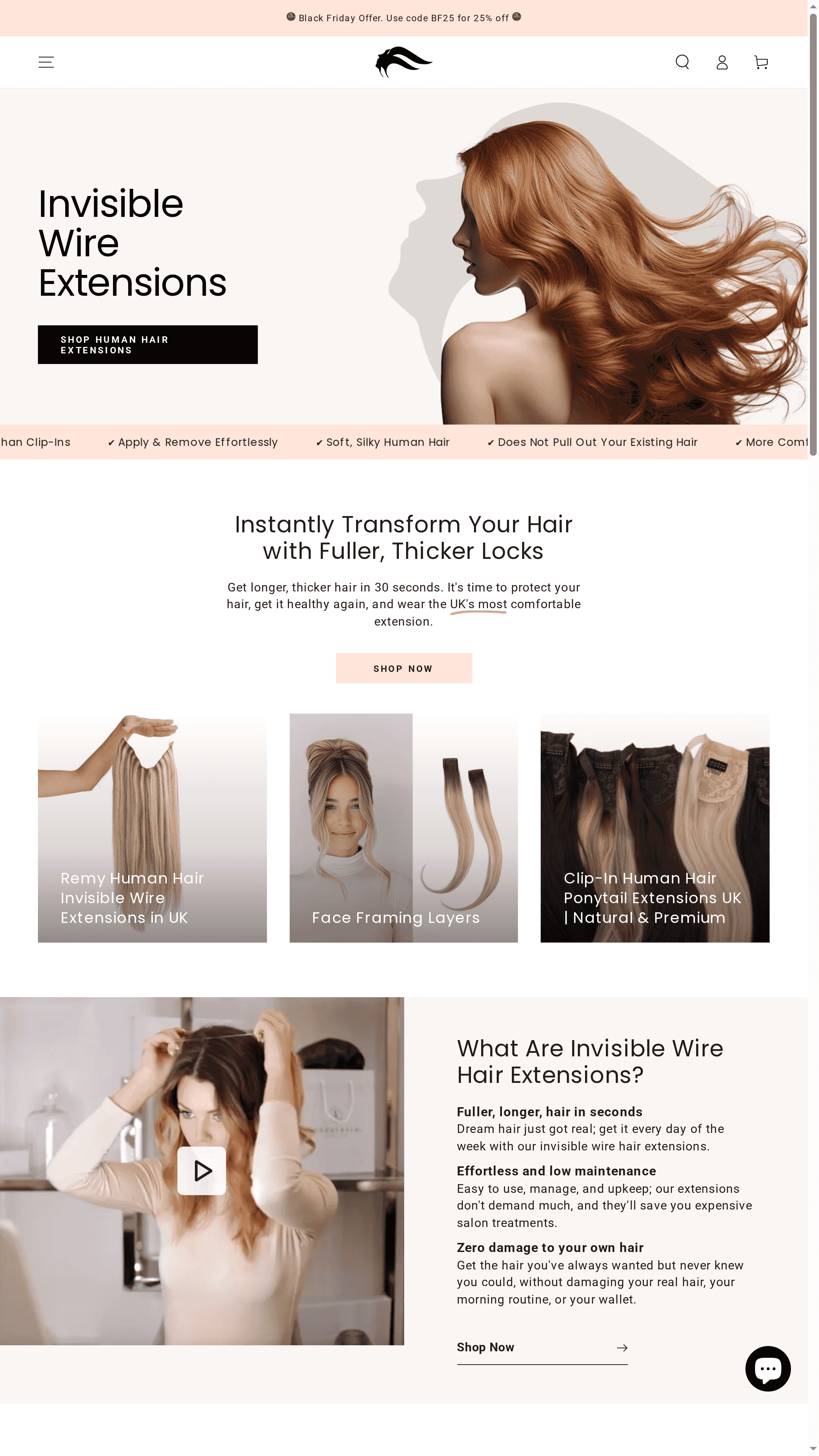
Naturylextensions specialises in premium, ethically sourced Remy human hair extensions, including invisible wire extensions that you can fit and remove at home without any salon appointment. The range is designed for people who want fuller, longer hair without the commitment of bonded methods. Browse the full collection at Naturylextensions and find the option that suits your hair type, lifestyle, and goals. Fast UK delivery and a free exchange policy mean you can shop with confidence.
FAQ
What is a pre-extension consultation?
A pre-extension consultation is a 30–60 minute assessment where a stylist evaluates your hair health, density, lifestyle, and goals to recommend the safest and most suitable extension method for you.
Why should you consult before getting hair extensions?
Consulting before extensions protects your natural hair by identifying fragility, scalp issues, and unsuitable methods before any installation takes place, reducing the risk of damage and dissatisfaction.
What questions should you ask during an extension consultation?
Ask about which methods suit your hair type, how often you will need maintenance, what aftercare products are required, and what the realistic long-term cost will be.
Can a stylist refuse to install extensions after a consultation?
Yes. If a stylist detects signs of hair fragility, significant shedding, or an active scalp condition, they may recommend postponing extensions until your hair is healthy enough to support them safely.
Are invisible wire extensions suitable without a consultation?
Invisible wire extensions, like those offered by Naturylextensions, are designed for at-home use and do not require bonding or professional installation. Reviewing your hair type and the product specifications before purchasing is still advisable to confirm the best fit.