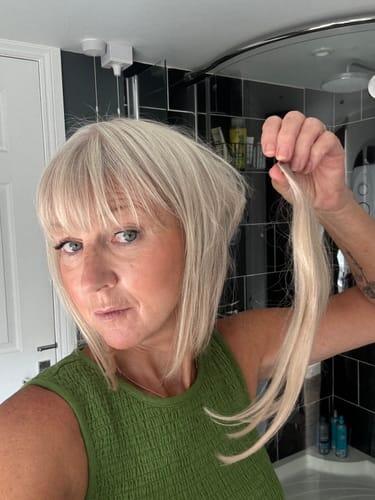
Most extension shedding comes down to five fixable things: hair quality, professional fitting, weft sealing, gentle washing, and correct brushing. Get those right and you stop the majority of strand loss before it starts.
Here’s what to do today:
- Check your weft seams for loose stitching or fraying.
- Switch to a sulphate-free, alcohol-free shampoo.
- Brush in sections, supporting the weft with your other hand.
- Stop applying conditioner or oil near bonds, tapes, or clips.
- Book a check-up if you haven’t seen a technician in six weeks.
- Choose Remy human hair, such as Naturylextensions, when buying new pieces.
Pro Tip: Product build-up is the shedding cause most people miss. A light clarifying wash once a month, away from the bonds themselves, clears residue that weakens grip over time.
Get this right and you’re not just reducing shedding. You’re protecting money you’ve already spent on hair that should last months, not weeks.
Key Takeaways
Reducing extension shedding comes down to choosing quality Remy hair, insisting on proper fitting and weft sealing, and handling wash days and brushing with real care.
| Point | Details |
|---|---|
| Quality hair sheds less | Choose ethically sourced Remy human hair with a properly sealed, finished weft. |
| Washing technique matters | Detangle before wetting, avoid conditioner near bonds, and rinse with lukewarm water. |
| Brushing technique prevents pull-out | Always support the weft with one hand while brushing in small sections. |
| Maintenance timing is not optional | Book re-tensioning every 3 weeks depending on your extension type. |
| Naturylextensions offers lower-shedding options | Invisible wire extensions use quality Remy hair with no bonding or daily tension on natural hair. |
Table of Contents
- Why do hair extensions shed?
- Is it normal for extensions to shed, or is something wrong?
- How do hair quality and installation affect shedding?
- What does weft sealing actually do?
- What’s the right way to wash extensions without shedding?
- Which brushes actually stop pull-out?
- Can heat styling and colouring cause shedding?
- How do you protect extensions while sleeping or exercising?
- How often should extensions be checked and re-tensioned?
- How should you wash and store clip-in extensions?
- How do you know if it’s hair loss, not extension shedding?
- Your one-minute daily checklist
- What does the evidence actually show about shedding?
- Lower-shedding options worth considering
- Sources
- FAQ
Why do hair extensions shed?
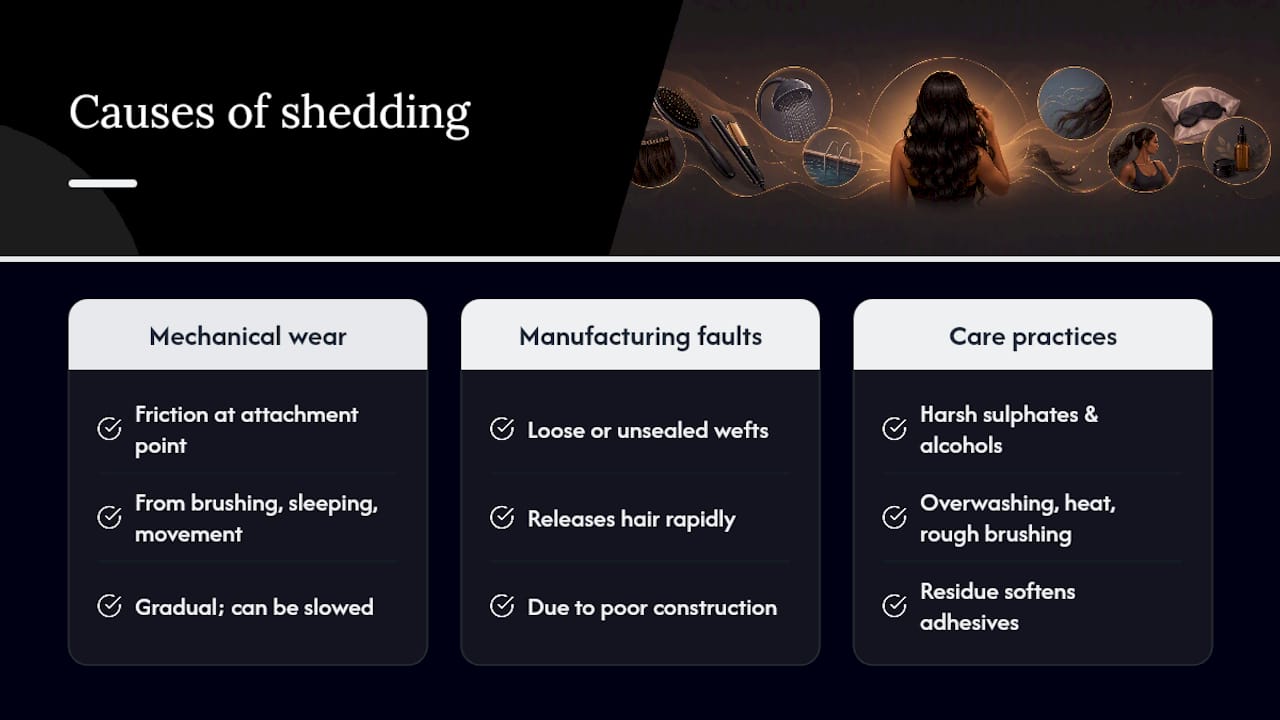
Shedding happens for one of three reasons: mechanical wear, manufacturing faults, or care choices that stress the weft. Friction from brushing, sleeping, and daily movement gradually loosens strands at the point where they’re attached, whether that’s a weft, a bond, or a clip. That’s mechanical wear, and it’s largely unavoidable, though it can be slowed dramatically.
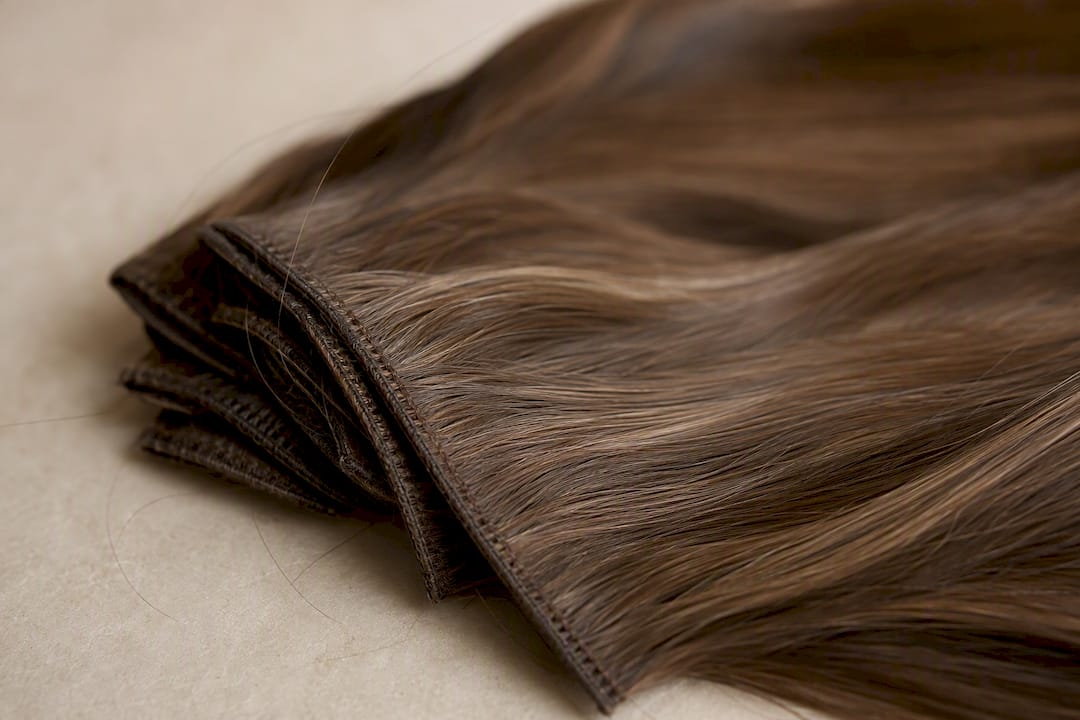
Manufacturing faults are a separate issue. Loosely stitched or unsealed wefts release hair far faster than properly finished ones, which is why the causes of extension shedding so often trace back to how the piece was made rather than how it’s worn.
Then there’s care. Harsh sulphate and alcohol-based products strip moisture and weaken the bond between strands. Overwashing, high heat, and rough brushing all compound the problem, turning what should be gradual, normal wear into premature loss.
Pro Tip: Oil and heavy conditioner residue at the root or bond is an underrated culprit. It softens adhesives and weft threading over weeks, so even good technique can’t fully compensate if product keeps creeping upward.
Later on, you’ll find guidance on inspecting your weft seams and bonds properly, but the short version is this: quality and technique both matter, and neither compensates fully for the other.
Is it normal for extensions to shed, or is something wrong?
A few loose strands a day, especially after brushing or washing, is completely normal. Human hair extensions are still hair, and hair sheds. What’s not normal is sudden clumping, visible gaps at the weft line, or a sharp spike in loss straight after a single wash.
Before assuming the worst, check these:
- Are strands coming out in small numbers or noticeable clumps?
- Can you see bare patches or thinning along the weft track?
- Did the shedding start suddenly, or has it been gradual?
- Has your washing routine or product changed recently?
If you’re seeing clumps or gaps rather than the odd stray hair, stop styling aggressively and book a professional check rather than waiting it out.
How do hair quality and installation affect shedding?
Cheap or poorly processed hair sheds faster, full stop. Ethically sourced Remy human hair, where the cuticles all run in the same direction, holds together far better than blended or synthetic-mix alternatives, and it’s a major reason Remy hair is the benchmark for quality extensions.
Installation matters just as much as the hair itself. Before booking a fitting, ask your technician:
- Will the weft be sealed or finished before fitting?
- How many bonds or attachment points will be used, and how are they spaced?
- Has my natural hair been sectioned and prepared properly first?
Watch for red flags during a fitting: too many bonds crammed close together, unusually tight placement near the scalp, or a technician skipping natural hair preparation altogether. All three increase tension and, eventually, shedding.
When shopping, look for a few concrete signals of quality:
- Product pages that specify 100% Remy or ethically sourced human hair.
- Clear information on weft type (machine wefted, hand-tied) and finishing.
- Honest guidance on expected lifespan and care requirements.
Fewer, well-placed bonds on properly prepared hair will always outlast a rushed, overcrowded fitting, regardless of how good the hair itself is.
What does weft sealing actually do?
A sealed weft has its stitching finished and reinforced so individual strands can’t work loose from the base. Unfinished or loosely stitched wefts are one of the most common manufacturing causes of excessive shedding, because there’s nothing holding the strands in place beyond the original stitching.
A few simple rules protect the seam long after fitting:
- Don’t pick at or tug loose threads along the weft line, even small ones.
- Keep the weft covered when using heated styling tools nearby.
- Never let oils or heavy serums pool at the weft seam or bonded points.
If you notice fraying, ask your technician about applying a weft sealant or reinforcing the seam at your next appointment.
Pro Tip: A quick seam check under good light once a fortnight catches fraying before it becomes visible shedding. It takes ten seconds and saves you a much bigger repair later.
What’s the right way to wash extensions without shedding?
Washing is where most avoidable shedding happens, and the sequence matters as much as the products.
- Brush and fully detangle before the hair gets wet. Wet extensions are far more prone to strand loss when tangled.
- Wet the lengths under lukewarm water, working shampoo through mid-lengths to ends, avoiding scrubbing at the root or attachment points.
- Apply conditioner only from mid-length downward, never near bonds, tapes, or clips, following the step-by-step washing technique that protects the weft.
- Rinse thoroughly with lukewarm, never hot, water.
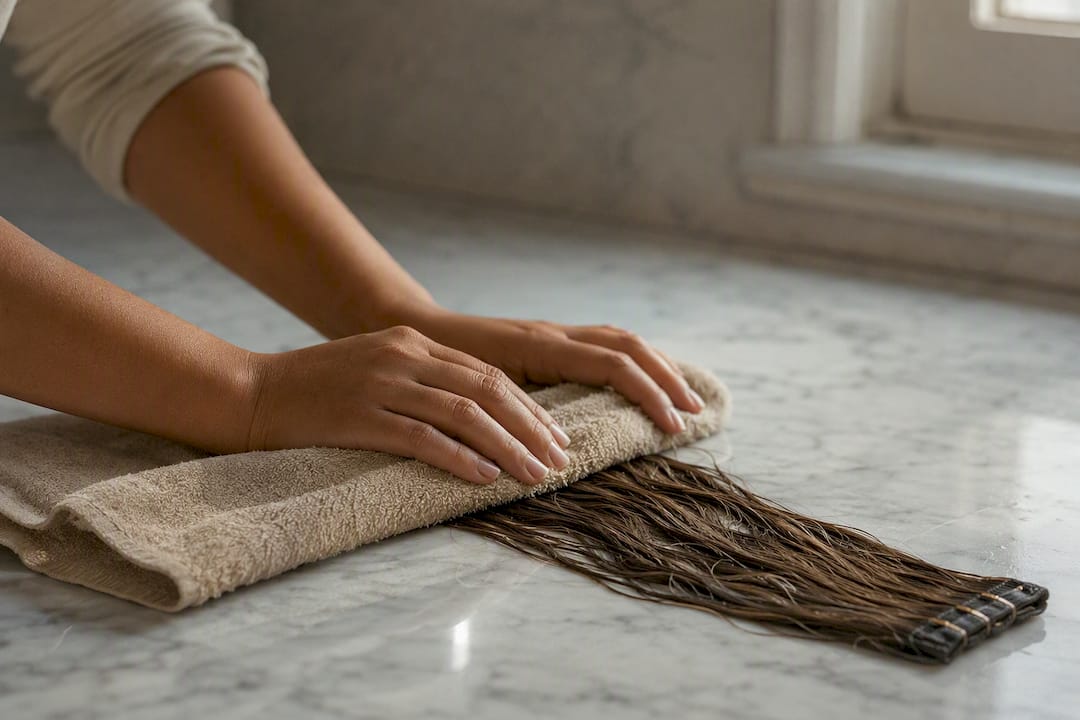
- Pat gently with a microfibre towel rather than rubbing.
When choosing products, check the label for:
- Sulphate-free and alcohol-free formulas.
- Lightweight, non-greasy conditioners built for extensions.
- No added silicones that build up over repeated washes.
Air-dry whenever possible, and if you must use heat, keep it on the lowest setting away from the roots.
Pro Tip: Never twist or wring extensions to remove water. Squeeze gently from root to tip with a towel instead, the same way you’d handle delicate fabric.
Which brushes actually stop pull-out?
The tool matters more than most people realise. A loop brush, a wide-tooth comb, or a soft-paddle brush designed for extensions glides through hair without snagging the weft. Standard bobbled brushes, the kind with little balls on each bristle tip, catch on wefts and pull strands straight out.
Detangling technique matters just as much as the brush:
- Start at the ends and work upward in small sections.
- Hold the weft firmly near the root with your free hand while brushing.
- Repeat section by section rather than dragging the brush through the full length at once.
- Brush daily, and always again after washing once the hair is fully dry or nearly dry.
Brushing wet hair without supporting the root is one of the fastest ways to strip strands from a weft. The weight of wet hair combined with an unsupported tug does more damage in one stroke than a week of normal wear.
If you’re unsure of the technique, a full walkthrough on detangling extensions without damage covers hand positioning in more detail.
Can heat styling and colouring cause shedding?
Yes, both can, though the risk depends heavily on how close you work to the bond or weft. Keep styling tools below 180°C where possible, and always use a heat protectant formulated for extensions before curling or straightening.
Chemical treatments carry more risk. Bleaching, relaxing, and some permanent dyes can weaken the hair fibre and, in bonded or taped systems, soften the adhesive itself. If you’re colouring extensions, always test a strand first and use a professional colour match rather than guessing.
A few habits reduce risk considerably:
- Keep heated tools at least two centimetres from the bond or clip.
- Never apply bleach or ammonia-based dye directly to attachment points.
- Ask your colourist whether your extension type can safely take chemical processing before booking.
How do you protect extensions while sleeping or exercising?
Friction while you sleep is a bigger cause of tangling and shedding than most people expect. Loosely braid your hair before bed, sleep on a silk or satin pillowcase, and never go to sleep with wet extensions, since damp hair tangles and stretches more easily overnight.
Exercise and swimming need their own routine:
- Tie hair into a loose plait or low ponytail before any workout.
- Rinse out chlorine or salt water as soon as possible after swimming.
- Use a swim cap for regular pool sessions to limit saltwater and chlorine exposure.
- Choose scrunchies over elastic bands, which grip and stress the weft less.
These small habits, covered in more depth in this hair extension care guide, cost nothing but a minute or two of attention.
How often should extensions be checked and re-tensioned?
Permanent and semi-permanent systems need regular maintenance to stop natural hair growth from pulling bonds out of position, which shows up as shedding even when the hair itself is fine.
| Extension type | Recommended check-up timing |
|---|---|
| Bonded/keratin systems | Every 3 weeks for re-tensioning |
| Tape-in extensions | Every 4 weeks for reapplication |
| Weft/sew-in systems | Every 6 weeks for tightening |
| Clip-in/removable pieces | No fixed schedule; inspect after every 15–20 wears |
At each appointment, a technician should check weft integrity, bond security, and any matting forming near the scalp. When booking a repair, ask whether the piece needs re-tensioning, a partial refit, or full replacement, since patching a badly worn weft rarely lasts as long as starting fresh.
- Book a check-up the moment you notice gaps or visible bonds.
- Ask for a full inspection, not just a re-tension, if it’s been over eight weeks.
- Replace rather than repair once shedding is happening across multiple sections.
How should you wash and store clip-in extensions?
Clip-ins need different care to permanent systems, mainly because you control when they’re worn. Wash them every 15–20 wears, or sooner if product build-up appears, and always remove the clips first. Never wash a piece while it’s still attached to your hair.
Storage matters more than people expect:
- Hang the piece on a proper extension hanger, or lay it flat.
- Keep it away from direct heat, sunlight, or a damp bathroom cabinet.
- Store it in a breathable bag or box rather than a sealed plastic pouch.
- Detangle gently with a loop brush before storing, never after, to prevent overnight matting.
A dedicated guide on how to store hair extensions walks through the full process if you’re setting up a routine for the first time.
How do you know if it’s hair loss, not extension shedding?
Extension shedding and natural hair loss look similar at a glance but behave differently. Weft gaps, loose bonds, or thinning that’s isolated to the extension track point to the extensions themselves. Thinning at the scalp, a widening parting, or bald patches unrelated to where the extensions sit suggest something happening with your natural hair.
If you notice the second pattern:
- Photograph the area weekly to track any change.
- Stop tight styling and aggressive brushing immediately.
- Book a professional check with your fitter first.
- See a GP or trichologist if thinning continues once extensions are removed.
If in doubt, remove the extensions rather than waiting, since a few days without them causes far less harm than continued tension on already-stressed hair.
Your one-minute daily checklist
Run through this each morning and evening:
- Support the weft with one hand while brushing the other.
- Tie hair loosely before bed, never in a tight ponytail.
- Keep oils and serums away from bonds, tapes, and clips.
- Use a loop brush or wide-tooth comb, never a bobbled one.
- Check quickly for matting near the root.
- Rinse out chlorine or salt water straight after swimming.
- Book a maintenance check the moment you spot a gap.
Do this consistently and it becomes automatic within a couple of weeks, the same way brushing your teeth doesn’t feel like a decision anymore.
What does the evidence actually show about shedding?
Recurring shedding cases tend to trace back to one of two things: how the extensions were fitted, or repeated exposure to unsuitable products, rather than a fault in the hair itself. That pattern lines up with what’s documented around the common causes of extension shedding, which repeatedly point to installation and aftercare over hair quality alone.
Two habits stand out as disproportionately effective for the effort involved: washing clip-ins separately rather than while worn, and brushing before wetting rather than after.
- Most repair requests involve loosened bonds from missed re-tensioning appointments, not faulty hair.
- Product build-up at the root is a recurring finding in cases initially blamed on poor-quality extensions.
- Clients who follow a consistent washing technique see noticeably slower wear over the life of a set.
Pro Tip: If you’re only going to change one habit, make it washing frequency. Overwashing does more cumulative damage to wefts than almost any other single factor.
A note from the salon chair
I tell every client the same thing before they leave a fitting: the hair rarely fails first, the routine does. Prioritise gentle handling over quick fixes, and the shedding sorts itself out within a fortnight.
Lower-shedding options worth considering
If you’re tired of chasing down loose strands and re-tensioning appointments, the simplest fix is often the extensions themselves. Naturylextensions builds its invisible wire extensions around properly sourced Remy human hair and finished wefts, which means less of the mechanical wear and manufacturing fault that cause most shedding in the first place. There’s no bonding, no gluing, and no daily tension on your natural hair.
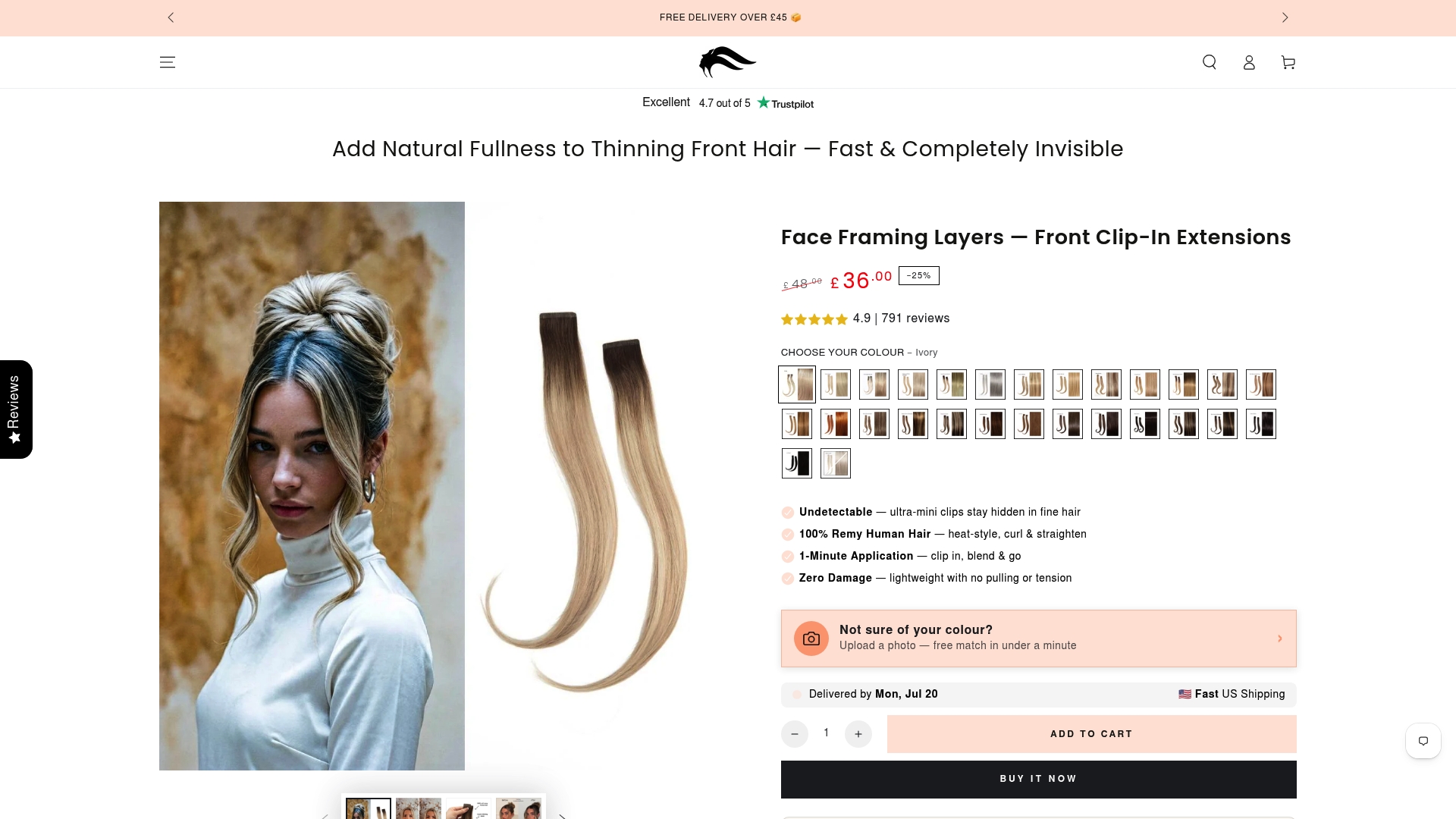
For anyone worried about colour matching before buying, Naturylextensions offers a free AI colour-match service, so you’re not guessing against your own hair from a screen. There’s also a free exchange policy if the shade or length isn’t quite right once it arrives. If your current set is already shedding more than it should, browsing the invisible wire extensions range is a reasonable next step, particularly if you’re due a fresh set rather than another repair.
Sources
- How To Stop Hair Extensions from Shedding – Femzen
FAQ
Is it normal for extensions to shed a lot?
A small amount of daily shedding is normal, but clumps, visible weft gaps, or a sudden spike after washing are not and usually mean a fitting or care issue needs attention.
Will hair grow back from a bald spot caused by extensions?
If the bald spot is caused by traction from tight or overloaded bonds, hair usually regrows once tension is removed and the area is left to rest, though persistent thinning warrants a GP or trichologist referral.
What is the healthiest way to wear hair extensions?
The healthiest approach combines properly sourced Remy hair, professional fitting with sealed wefts, gentle sulphate-free washing, and regular re-tensioning appointments, an approach Naturylextensions builds its invisible wire systems around.
How do I keep my extensions soft and silky?
Use lightweight, sulphate-free conditioner on mid-lengths and ends only, avoid heat above 180°C, and brush daily with a loop brush to prevent dryness and tangling from building up.
How often should I wash clip-in extensions?
Wash clip-ins every 15 to 20 wears or sooner if product build-up appears, always removing the clips first and never washing them while still attached to your hair.