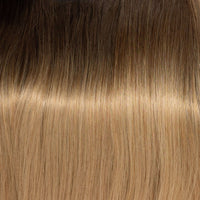
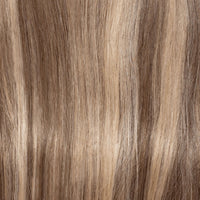
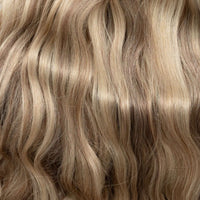
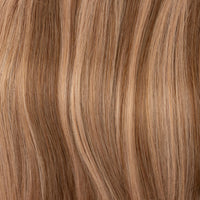

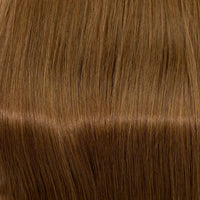
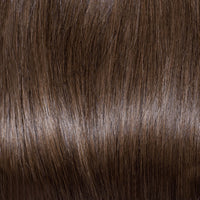
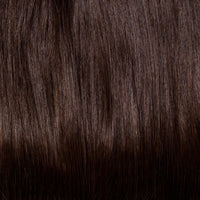
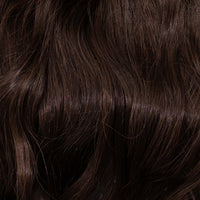

TL;DR:
- Proper consultation before choosing hair extensions personalizes the process, preventing damage, discomfort, and costly mistakes. It involves assessing natural hair, matching colors, and considering lifestyle to ensure a natural, comfortable result. Skipping this step often leads to regret, damage, and frequent repair visits that could have been avoided.
Choosing hair extensions feels straightforward until you’re holding the wrong shade, feeling a pulling sensation along your hairline, or watching your natural hair thin out after just a few weeks. Many women assume it’s a simple process: pick a length, choose a colour, and done. But the reality is that extensions are not one-size-fits-all, and the gap between a flattering, comfortable result and a costly mistake often comes down to whether you sought proper advice before committing. This guide walks you through exactly why consultations matter, what they involve, and how they help you find extensions that genuinely work for your hair, lifestyle, and goals.
Table of Contents
- Why consultation matters for hair extensions
- What to expect during your hair extension consultation
- Comparing hair extension methods: Matching clients to the right fit
- Safety, comfort, and natural results: What you gain from expert advice
- Why skipping consultation leads to regret: Hard lessons from the hair chair
- Find your perfect fit with a complimentary consultation
- Frequently asked questions
Key Takeaways
| Point | Details |
|---|---|
| Personalised advice matters | A proper consultation ensures your extensions match your hair, lifestyle, and safety needs. |
| Common mistakes avoided | Skipping consultation leads to poor matches, discomfort, or damage that could be prevented. |
| Select with confidence | An expert guides you through the options for a natural, comfortable, lasting transformation. |
| Practical preparation tips | Know what to bring and what to ask to make the most of your salon consultation. |
Why consultation matters for hair extensions
The most common regret we hear from women who skipped the consultation stage is not about the price they paid. It’s about the time it took to recover from the wrong choice. A colour that looked perfect in a product photo turned out several shades too warm in natural light. An extension method that seemed low-maintenance required salon visits every three weeks. Hair that was already fragile became noticeably thinner after just one set of extensions.
These are not rare outcomes. Choosing the wrong extension type or fit can lead to discomfort and hair damage, and it happens far more often when someone selects their extensions without professional input. A proper consultation prevents these exact scenarios by giving you personalised advice based on your specific hair type, health, and daily routine.
Here is what a good consultation offers you:
- A thorough assessment of your natural hair to determine its current strength, texture, and density before any decision is made.
- Product education so you understand the difference between methods such as tape-in, invisible wire, clip-in, and bonded extensions, rather than guessing based on what you’ve seen online.
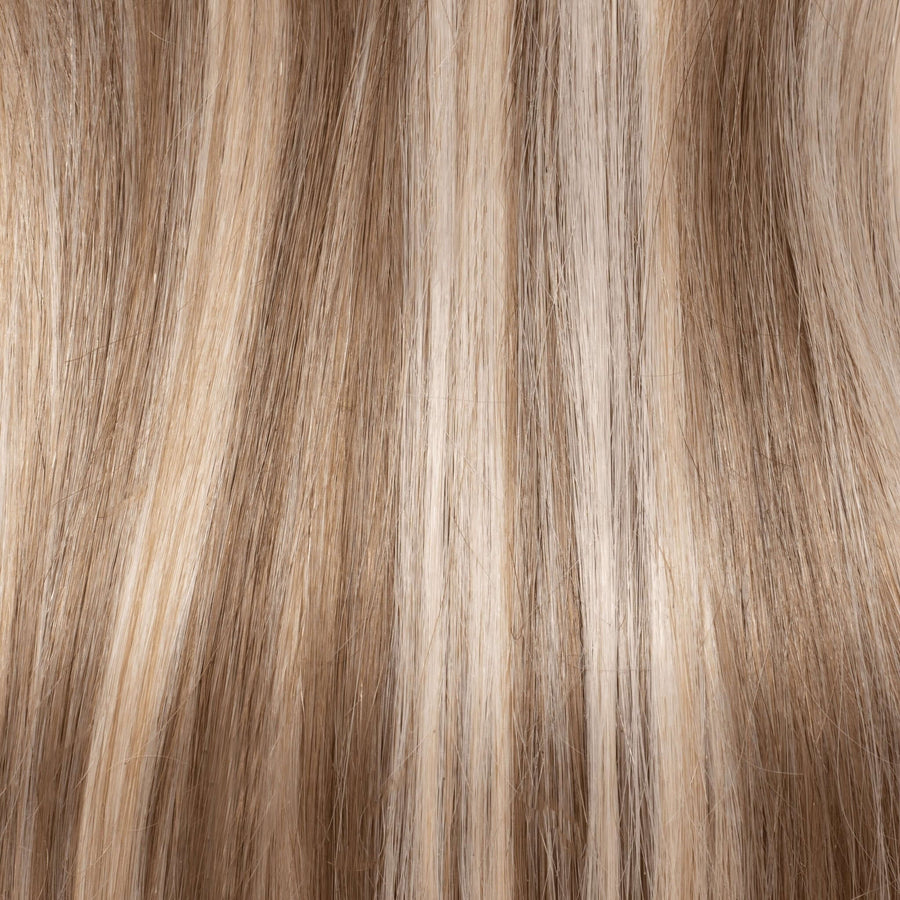
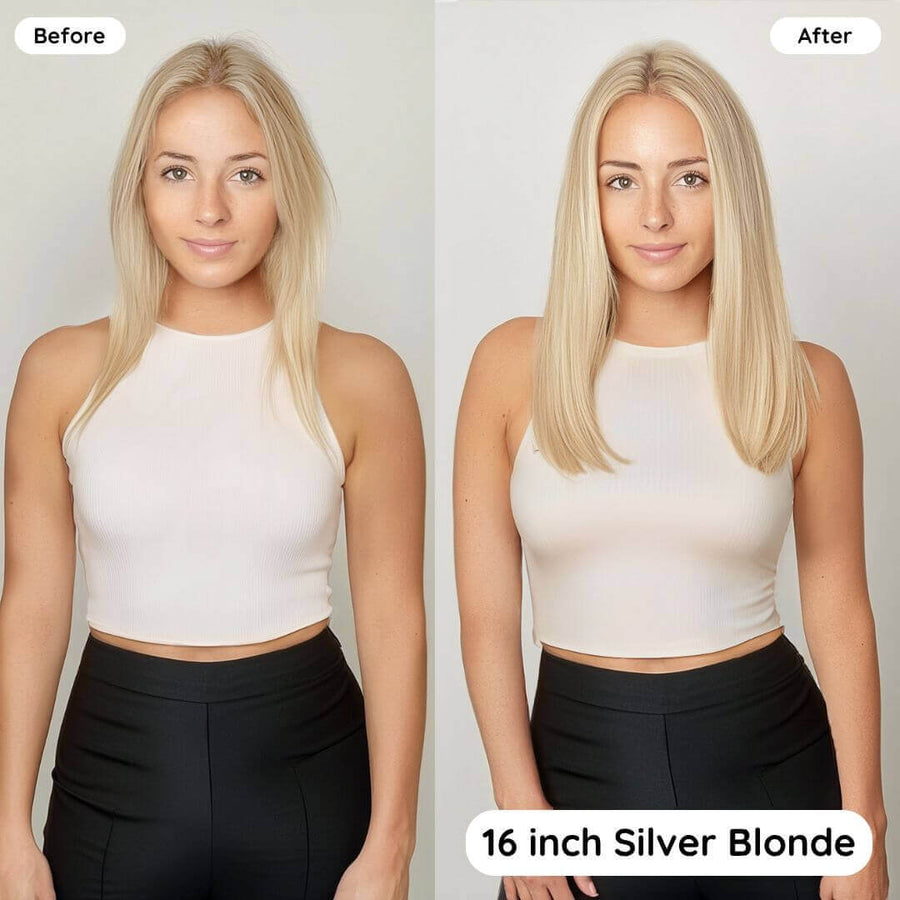
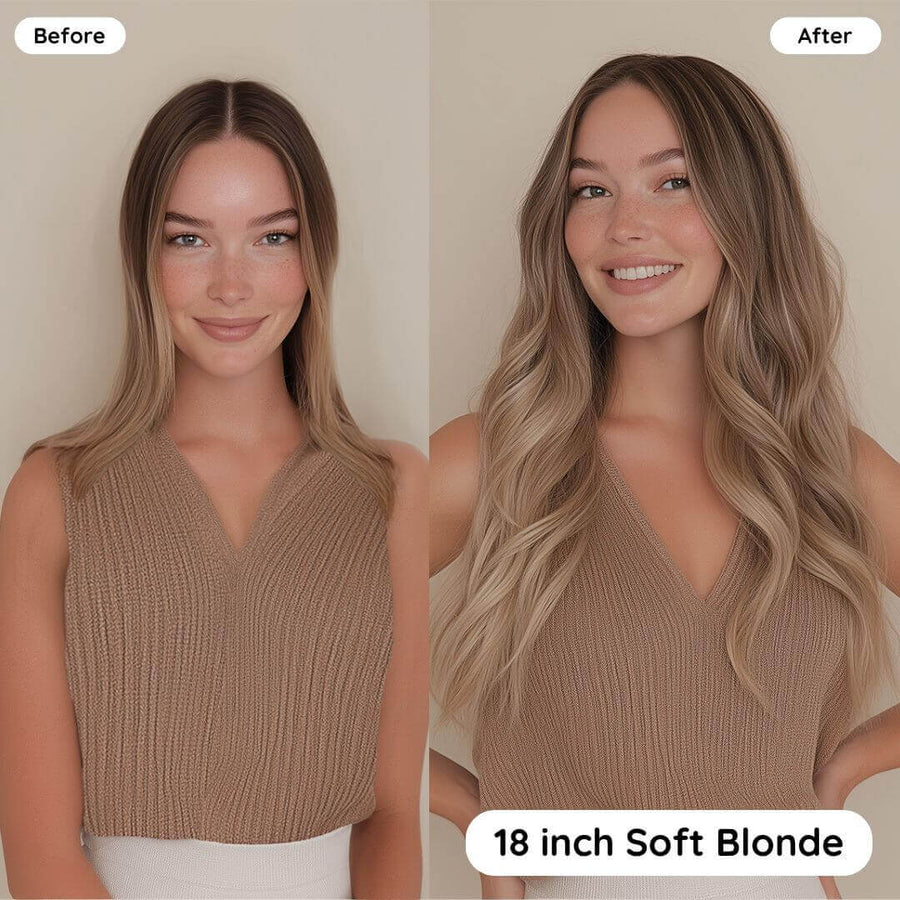
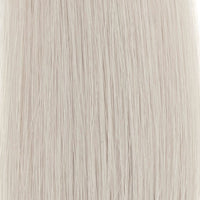
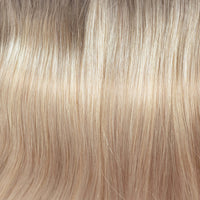
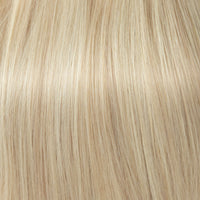
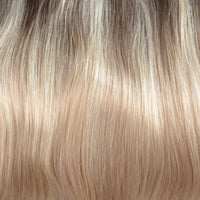
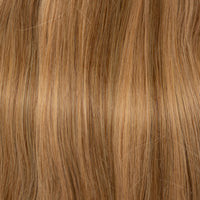
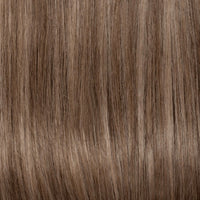
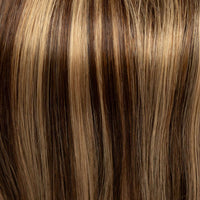
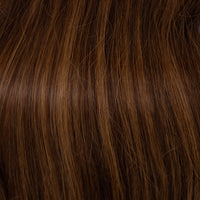
- Colour matching in person, which accounts for your undertones, lighting, and how extensions will blend with your natural roots as they grow.
- Lifestyle compatibility, where a stylist considers how active you are, how often you wash your hair, and whether you need a style you can manage at home.
- Clear maintenance expectations so there are no surprises two months in.
“A 30-minute consultation at the start saves hours of frustration, money spent on fixes, and the emotional toll of feeling like your hair isn’t right.”
For a broader overview of how to protect your hair throughout the process, the safe, stunning hair tips resource covers the foundational principles that complement any good consultation.
What to expect during your hair extension consultation
Understanding why consultations matter, let’s explore what actually happens in an expert consultation and how you can make the most of it.
A skilled stylist or extension specialist will ask a series of questions before they even look at your hair. Professionals ask about your hair history, desired length, and routines to recommend the right type of extension. This is not small talk. Your answers directly shape which products are suitable for you and which ones could cause problems.
Here’s a step-by-step overview of what a thorough consultation typically includes:
- Hair history discussion. Have you had chemical treatments, bleaching, or heat damage recently? Extensions behave very differently on compromised hair, and a professional needs to know this before recommending anything.
- Goal setting. Are you looking for added length, volume, or both? Do you want a permanent change or something you can remove easily? Being specific about your goals helps narrow down the options quickly.
- Colour consultation. The stylist will assess your natural colour in natural light and consider how it changes near your face and at your ends, selecting extension shades that blend rather than sit on top of your natural hair.
- Hands-on hair assessment. A good specialist will feel your hair to assess its strength and thickness, not just look at it. Fine or damaged hair requires gentler methods that place less tension on the scalp.
- Allergy and sensitivity checks. Some bonded extension methods use keratin-based adhesive, and some individuals react to these. Checking for sensitivities upfront protects your health and your hair.
- Maintenance walkthrough. You’ll learn exactly how to care for your extensions between appointments, including brushing techniques, heat protection, and washing guidelines.
How to prepare for your consultation:
Bring two or three inspiration photos so the stylist can understand your vision clearly. Write down any current hair concerns, whether that’s breakage, thinning at the crown, or sensitivity at the scalp. Have a realistic idea of how much time you’re willing to spend on maintenance each week, and be ready to be honest about your budget.
Pro Tip: Be completely transparent about past chemical treatments, even if they were a long time ago. Stylists are not judging your history; they’re using it to protect your hair. The more honestly you communicate, the more accurately they can recommend the right method and product for you.
For a deeper look at what the selection process involves from start to finish, the guide to choosing extensions offers practical support alongside your consultation.
Comparing hair extension methods: Matching clients to the right fit
Now that you know what to expect, the next step is understanding the options. Here’s where a structured comparison helps show why expert advice is so important.
Choosing the ideal method depends on your lifestyle, existing hair health, and desired maintenance level. This is not a decision to make based on what’s trending or what’s cheapest. The table below gives you a clear overview of the main extension methods and who they suit best.
| Method | Application | Maintenance | Best suited for | Key considerations |
|---|---|---|---|---|
| Invisible wire | No tools needed | Low | Beginners, occasional wear | Easy to remove, no damage |
| Clip-in | DIY at home | Low | Flexibility seekers | Temporary, daily fitting required |
| Tape-in | Salon applied | Medium | Everyday wear | Repositioned every 6 to 8 weeks |
| Bonded (keratin) | Salon applied | Medium to high | Long-term wearers | Not suitable for very fine hair |
| Micro-ring | Salon applied | Medium | Those avoiding heat/adhesive | Regular tightening appointments needed |
A consultation uses this kind of information alongside a live assessment of your hair to match you with the method that genuinely suits your life. For example, if you swim regularly, bonded or tape-in extensions may loosen faster than expected. If you have fine, fragile hair, micro-ring extensions could place too much stress on individual strands without proper placement.
Some of the most common pitfalls seen in clients who self-selected include:
- Choosing based on price alone, leading to extensions that shed rapidly or look noticeably synthetic within weeks.
- Selecting a method seen on a favourite influencer, without accounting for differences in hair density or texture.
- Underestimating maintenance requirements, resulting in tangling, matting, or visible bonds near the scalp.
- Ordering extensions online without a colour match, and receiving shades that are noticeably off in daylight.
Expert guidance on damage-free styling reinforces why matching your method to your routine is not optional. It’s the foundation of results that last and look genuinely natural.
Safety, comfort, and natural results: What you gain from expert advice
Once you see how methods are matched to you, it’s easy to appreciate the real, lasting gains that expert input delivers.
Expert recommendations dramatically reduce the risk of poor colour match, damage, or rapid extension shedding. This is not an abstract benefit. It translates directly into fewer salon visits to fix problems, less money spent replacing extensions prematurely, and far less stress about whether your hair looks natural from day to day.

The table below summarises the key differences between guided selection and choosing independently.
| Outcome | With professional consultation | Without consultation |
|---|---|---|
| Colour accuracy | High, matched in person | Variable, often requires adjustment |
| Hair health | Protected through method matching | Higher risk of breakage or thinning |
| Comfort | Assessed for individual scalp and hair type | One-size approach, discomfort common |
| Longevity of extensions | Maximised through correct application | Often shorter than expected |
| Overall satisfaction | Typically high | Frequently leads to regret |

Pro Tip: Prioritise quality and suitability over speed or trends. A well-chosen set of extensions worn comfortably for six months is always a better investment than a trendy method that causes damage within six weeks.
Here is a summary of the tangible benefits of seeking professional advice before purchasing or applying extensions:
- Your hair health is assessed before any commitment is made, so you’re not applying tension to already compromised hair.
- You receive a colour recommendation based on your specific shade, not a general description on a product listing.
- The method selected fits your actual lifestyle, including how often you exercise, wash your hair, and style with heat.
- You leave knowing exactly how to care for your extensions, which directly extends their lifespan.
- You avoid the hidden costs of correction appointments, early replacement, and the emotional toll of managing extensions that simply aren’t right for you.
Avoiding common extension mistakes is far easier when you have professional input from the start, and matching extension colour correctly is one of the single biggest factors in whether your results look natural or obviously added.
Why skipping consultation leads to regret: Hard lessons from the hair chair
With all the facts in hand, it’s worth stepping back and considering what professionals often see behind salon doors.
The honest truth is that a significant portion of repair work done on extension clients comes directly from choices made without guidance. A client arrives having ordered tape-in extensions online because they were on offer, only to find that the adhesive strips are pulling at already thinning hair near the temples. Another has bought a clip-in set in a shade described as “dark brown” that sits visibly darker than her natural colour. These situations are not caused by bad luck. They’re caused by the absence of expert input at the decision-making stage.
What’s particularly striking is how preventable this is. Most damage and dissatisfaction can be traced back to one or two key decisions made quickly and without adequate information. Had these clients spent just 20 to 30 minutes discussing their hair and goals with a professional, the outcome would likely have been entirely different.
There’s also a subtler issue with self-selected extensions that only becomes apparent months later. Hair that seemed healthy enough when extensions were applied may have been borderline, and the added tension over several weeks pushes it past its tolerance. By the time shedding or breakage is visible, the damage has already been building for some time. A professional assessment at the start catches these warning signs before they become serious problems.
We also believe that the mindset you bring to a consultation matters. Approach it with openness and a genuine willingness to be guided rather than simply confirmed in a decision you’ve already made. You may arrive expecting to be told tape-in extensions are right for you, only to learn that an invisible wire option would give you equally beautiful results with zero risk to your existing hair. Being receptive to that kind of insight is what makes consultations genuinely valuable.
For those making conscious decisions about the origins and quality of their extensions, the ethical hair extension guide is an excellent companion read that reinforces the importance of informed, considered choices.
Find your perfect fit with a complimentary consultation
Having learned the essentials of smart extension selection, here’s how to confidently take your next step.
At Naturyl Extensions, we want every customer to feel certain before they commit. Whether you’re completely new to extensions or returning after a previous experience that didn’t go as planned, getting the right advice makes all the difference.

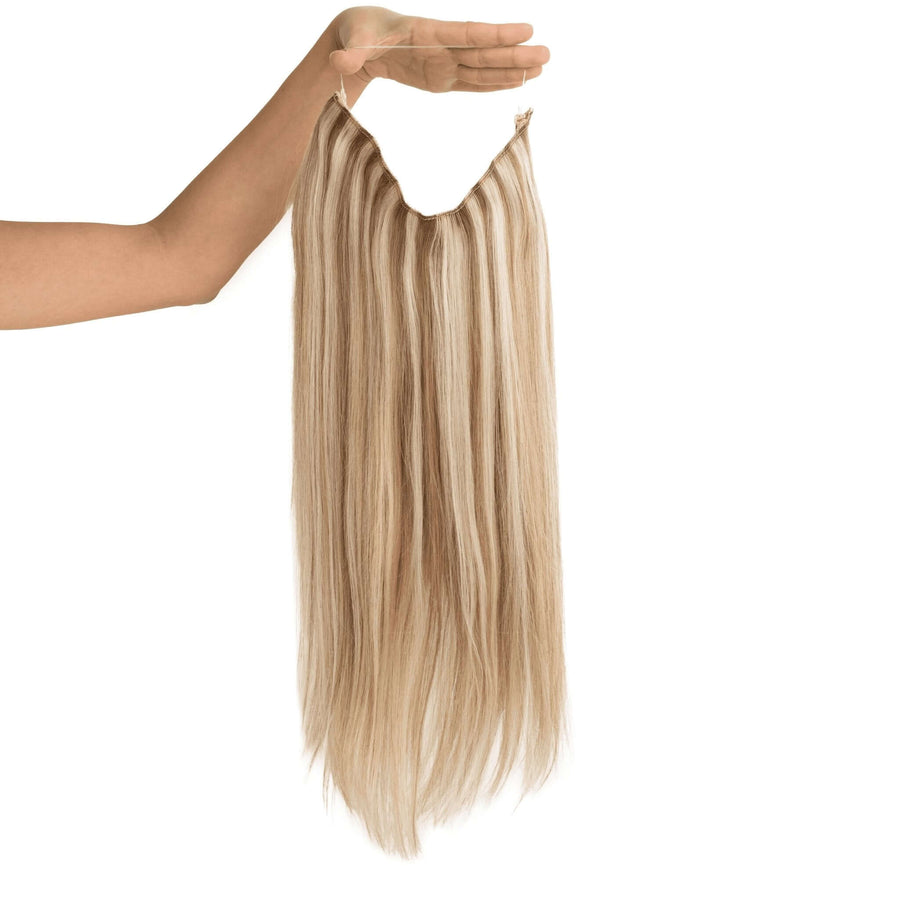
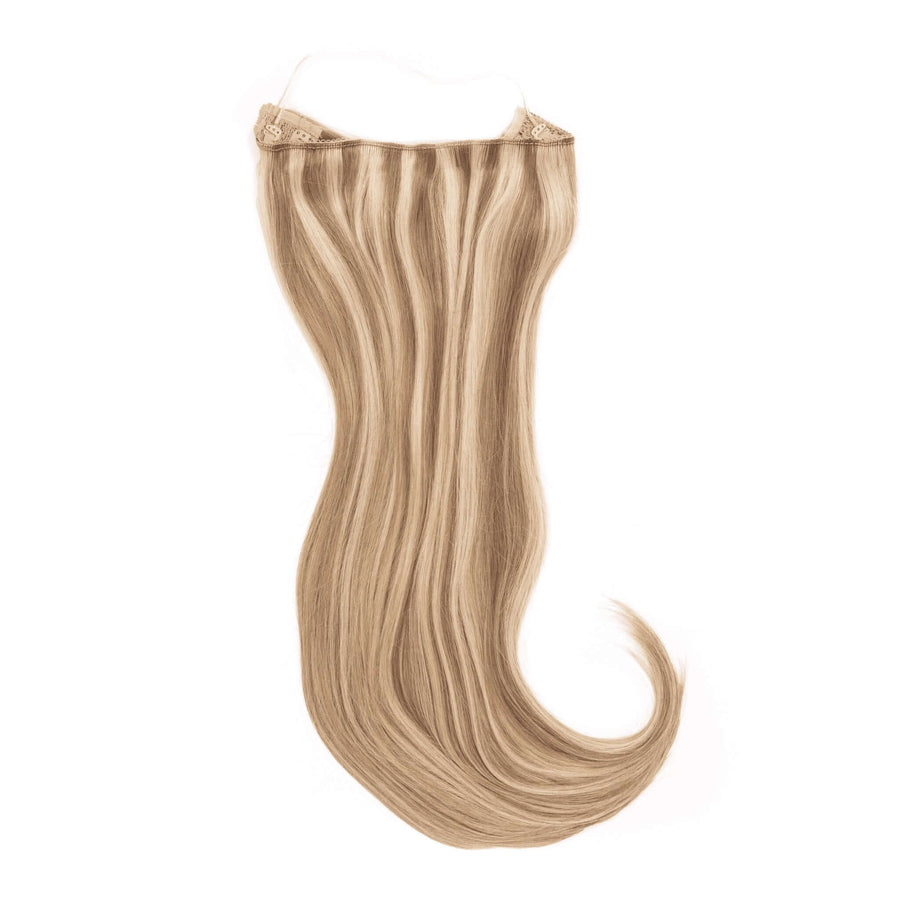
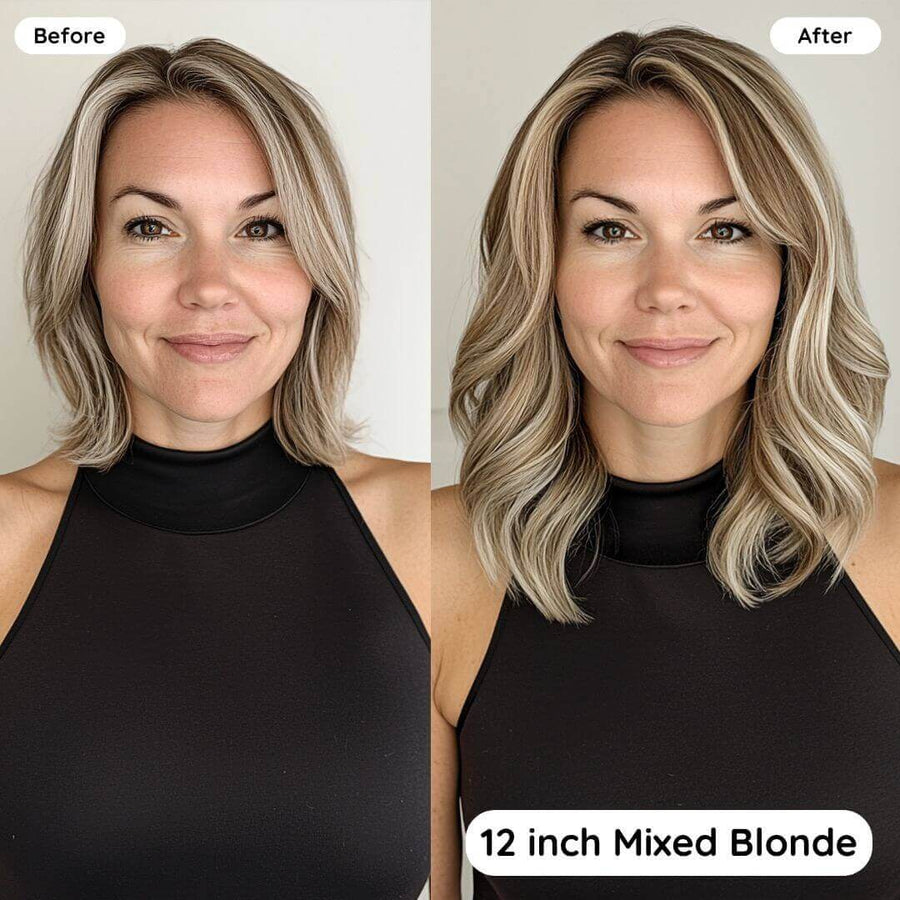
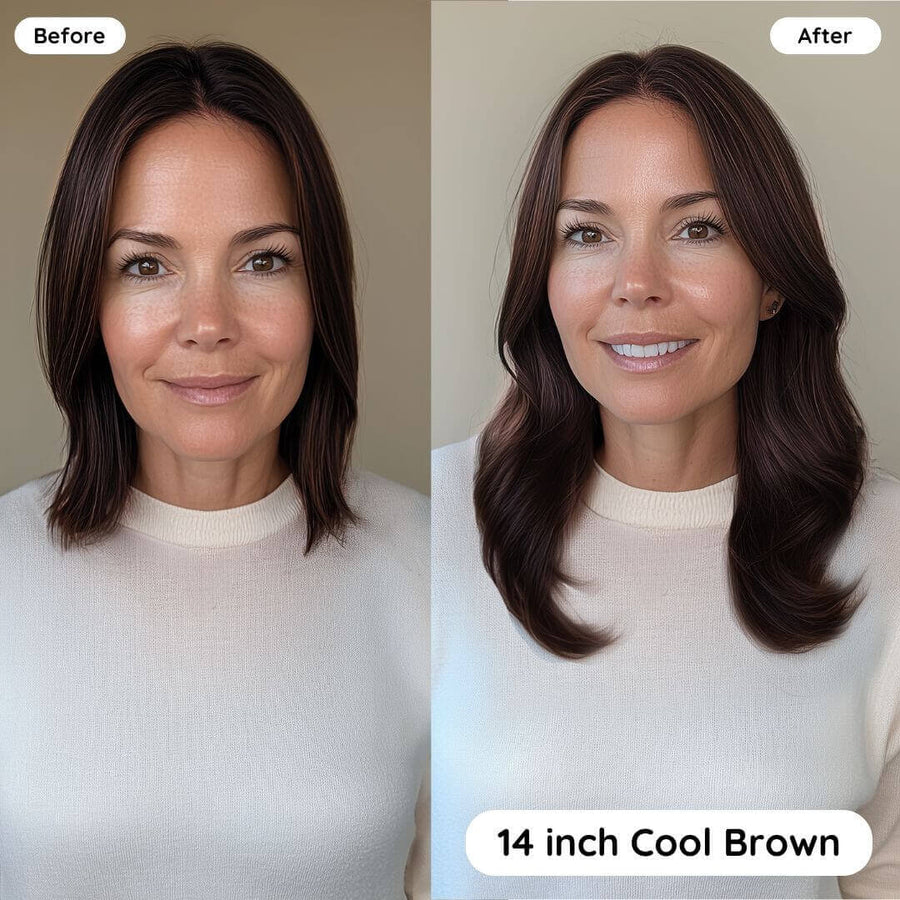
Our range of Remy Human Hair Invisible Wire Extensions is designed specifically for women who want a natural look without the commitment or risk of permanent methods. These extensions are quick to apply, completely damage-free, and ideal for everyday wear. If you’re ready to explore what’s available, our invisible extension wires offer a brilliant starting point for anyone seeking a fuss-free transformation. With free UK delivery options and an easy exchange policy, finding your perfect match has never felt more accessible.
Frequently asked questions
What questions should I ask during a hair extension consultation?
Ask about the most suitable extension types for your hair health, realistic maintenance expectations, aftercare routines, and how the colour will be matched to your natural shade. Professionals ask about your hair history, desired length, and routines to ensure their recommendations are genuinely tailored to you.
How long does a typical consultation take?
Most appointments last between 20 and 30 minutes, covering a hands-on hair assessment, a discussion of your goals, and specific method and colour recommendations.
Can a consultation prevent hair damage from extensions?
Yes, significantly. A skilled consultation matches the extension method to your hair’s current condition, which directly reduces the risk of breakage, scalp discomfort, and premature shedding. Choosing the wrong extension type or fit can lead to discomfort and damage, and a professional assessment helps you avoid exactly that.
Is consultation always necessary if I’ve had extensions before?
Even if you’ve worn extensions successfully in the past, your hair’s condition changes over time and extension technology continues to improve. An updated consultation ensures your current choice reflects your hair’s present health and the latest options available to you.