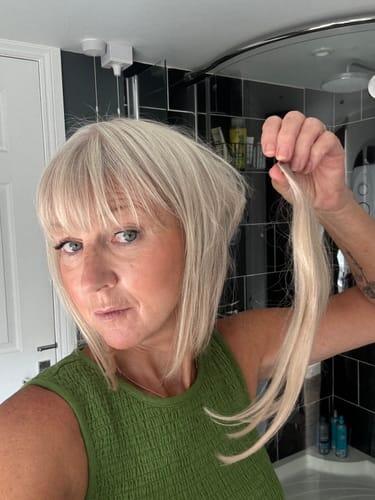
Choosing hair extensions can feel overwhelming, especially when faced with countless options promising volume and length. Many women gravitate towards synthetic extensions because they appear affordable and readily available. However, what seems like a budget friendly solution often leads to damaged hair, scalp irritation, and disappointing results. Understanding why synthetic hair extensions compromise hair health and learning about superior natural alternatives empowers you to make informed choices that protect and enhance your natural beauty.
Table of Contents
- Key takeaways
- What synthetic hair extensions are and why they cause damage
- Comparing synthetic and human hair extensions: appearance, durability, and care
- Environmental impact and ethical considerations of synthetic versus human hair extensions
- How to choose high-quality human hair extensions for damage-free, natural results
- Discover premium Remy human hair extensions at Naturylex
- Frequently asked questions about synthetic hair extensions
Key Takeaways
| Point | Details |
|---|---|
| Synthetic risks | Synthetic extensions can damage natural hair and scalp due to rigid fibres, limited breathability and poor heat tolerance. |
| Human hair advantages | Human hair extensions are more durable, versatile and healthier for your own hair. |
| Choose high quality | Choosing high quality extensions can protect your hair and improve appearance over time. |
| Natural look benefits | Natural looking colour, texture and light reflection from human hair blends more effectively in everyday light. |
What synthetic hair extensions are and why they cause damage
Synthetic hair extensions consist of man made plastic polymers designed to mimic natural hair texture. These artificial fibers include materials like acrylic, polyester, and modulated acrylic that manufacturers heat process into hair like strands. Whilst they replicate the appearance of hair superficially, synthetic fibers lack the natural flexibility and breathability that real hair possesses.
The rigid molecular structure of plastic based fibers creates several problems for your natural hair and scalp. Unlike human hair which flexes and moves naturally, synthetic strands remain stiff and abrasive. This inflexibility causes friction against your natural hair shafts, gradually wearing down the protective cuticle layer. Over time, this mechanical damage leads to split ends, breakage, and noticeable thinning.
Your scalp needs to breathe and regulate temperature naturally. Synthetic extensions create a barrier that traps heat, moisture, and oils against your scalp. This environment becomes a breeding ground for bacteria and fungi, potentially causing:
- Persistent itching and irritation that worsens with extended wear
- Dry, flaky scalp conditions that resemble dandruff
- Follicle inflammation that weakens hair roots
- Unpleasant odours from trapped bacteria
- Allergic reactions to chemical treatments in synthetic fibers
The tangling issue with synthetic hair deserves special attention. Because synthetic fibers have smooth, uniform surfaces without natural cuticle patterns, they slide against each other unpredictably. This creates stubborn knots that require aggressive brushing to remove. Each detangling session pulls and stresses your natural hair, accelerating damage.
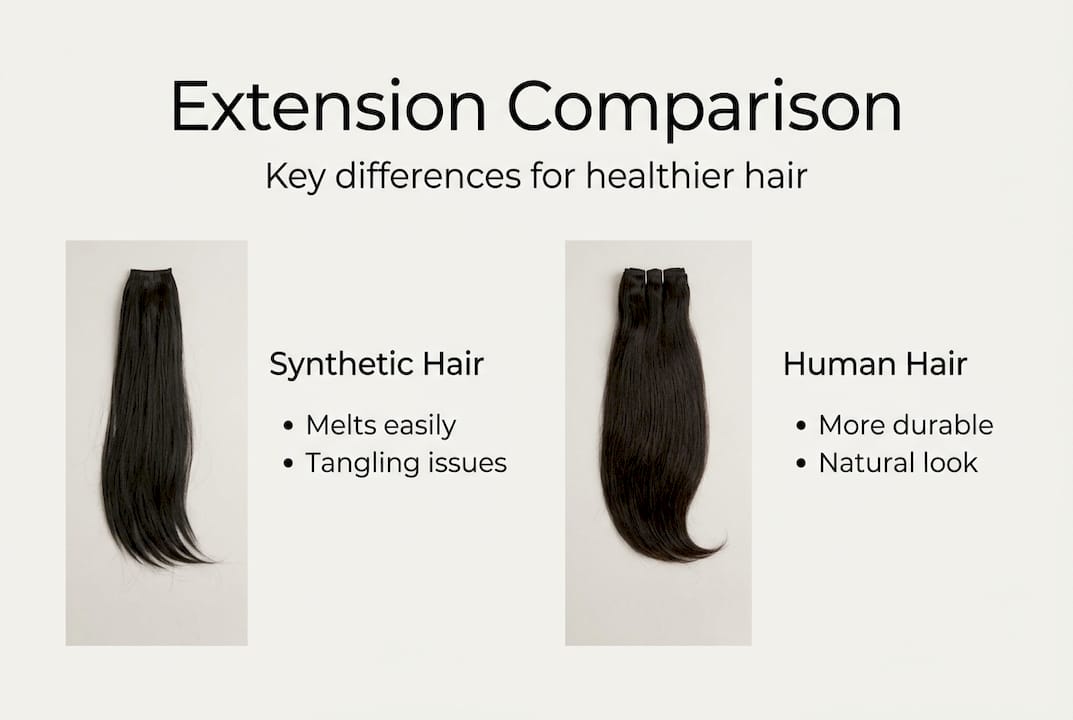
Heat styling represents another critical limitation. Synthetic extensions melt or become permanently deformed when exposed to temperatures above 80 degrees Celsius. This restriction eliminates straightening, curling, and even blow drying from your styling routine. You remain locked into whatever texture the extensions came with, severely limiting your versatility.
Pro tip: If you experience any scalp sensitivity or plan to wear extensions daily, avoiding synthetic options protects your hair health and prevents long term damage that requires months to repair.
Comparing synthetic and human hair extensions: appearance, durability, and care
Understanding the practical differences between synthetic and human hair extensions helps you make choices aligned with your lifestyle and hair goals. The table below highlights key distinctions:
| Feature | Synthetic extensions | Human hair extensions |
|---|---|---|
| Initial cost | £20 to £80 | £100 to £400 |
| Realistic appearance | Artificial shine, uniform texture | Natural variation, authentic movement |
| Heat styling capability | None (melts above 80°C) | Full versatility with heat tools |
| Colour customisation | Cannot be dyed | Can be coloured professionally |
| Average lifespan | 1 to 3 months | 6 to 12 months with care |
| Washing frequency | Every 6 to 8 wears | Every 15 to 20 wears |
| Tangling tendency | High (requires daily detangling) | Low with proper maintenance |
| Weight and comfort | Lighter but less natural feel | Heavier but blends seamlessly |
The appearance difference becomes immediately obvious in natural lighting. Synthetic extensions reflect light uniformly, creating an artificial sheen that screams “fake” to observant eyes. Human hair extensions offer natural variation in colour depth, texture, and light reflection that matches real hair perfectly. This authenticity proves especially important for professional settings or close up photography.

Durability extends far beyond simple lifespan calculations. Whilst synthetic extensions cost less initially, replacing them every few months adds up quickly. Human hair extensions withstand regular washing, styling, and environmental exposure whilst maintaining their quality. This resilience makes them more economical over time despite higher upfront investment.
Care routines differ dramatically between extension types:
- Synthetic extensions require cool water washing with specialised products, air drying only, and gentle finger detangling to prevent fiber damage
- Human hair extensions thrive with nourishing shampoos, conditioning treatments, heat protectants, and standard styling tools just like your natural hair
- Storage matters more for synthetic extensions, which develop permanent creases and kinks if folded or compressed
The styling versatility of human hair transforms your daily routine. You can straighten your natural looking extensions for sleek professional looks, add beachy waves for casual days, or create elegant updos for special occasions. Synthetic extensions lock you into one unchangeable style, forcing you to choose between your desired look and wearing extensions.
Texture matching presents another consideration. Human hair extensions come in various textures from straight to kinky coily, allowing precise matching to your natural hair pattern. Synthetic options offer limited texture variety, often resulting in obvious mismatches that draw unwanted attention.
Pro tip: Investing in Remy human hair guarantees the most natural texture and minimal tangling because all cuticles remain intact and aligned in the same direction, preventing the matting common with lower quality options.
Environmental impact and ethical considerations of synthetic versus human hair extensions
Your beauty choices ripple outward, affecting ecosystems and communities far beyond your immediate surroundings. Synthetic hair extensions carry a substantial environmental burden that many consumers overlook in pursuit of affordability.
The production of synthetic hair begins with petroleum based chemicals processed through energy intensive manufacturing. These plastic polymers require significant fossil fuel consumption, contributing to carbon emissions and resource depletion. The chemical treatments applied to create hair like textures introduce additional pollutants into water systems near manufacturing facilities.
Synthetic extensions contribute to plastic waste because they never biodegrade naturally. When you discard synthetic extensions after their short lifespan, they join the millions of tonnes of plastic waste accumulating in landfills and oceans. These materials persist for hundreds of years, breaking down into microplastics that contaminate water supplies and enter food chains.
Consider these environmental impacts:
- Each set of synthetic extensions adds approximately 100 to 200 grams of permanent plastic waste to landfills
- Manufacturing synthetic fibers releases volatile organic compounds that contribute to air pollution
- Chemical dyes and treatments in synthetic hair production contaminate water sources near factories
- Transportation of cheap synthetic extensions from overseas manufacturers increases carbon footprint
- Frequent replacement cycles multiply waste generation compared to durable human hair options
Human hair extensions present a more sustainable alternative when sourced responsibly. Ethically sourced Remy human hair reduces environmental harm through biodegradability and fair trade practices. Hair naturally decomposes, returning nutrients to soil without leaving permanent pollution.
Ethical sourcing matters tremendously in the human hair industry. Reputable suppliers ensure donors receive fair compensation and provide hair voluntarily. This transparency supports communities whilst preventing exploitation. When you choose ethically sourced extensions, you vote with your wallet for dignified treatment of all people involved in the supply chain.
The longevity of human hair extensions amplifies their environmental advantage. Using one set of quality extensions for a year generates far less waste than replacing synthetic sets every few months. This durability reduces manufacturing demand, transportation emissions, and disposal volumes simultaneously.
Packaging considerations also differ between products. Premium human hair extensions typically come in reusable storage cases and minimal packaging, whilst cheap synthetic options often include excessive plastic packaging destined for immediate disposal.
Supporting sustainable beauty practices extends beyond individual product choices. By selecting human hair extensions, you encourage industry shifts towards eco conscious manufacturing and ethical labour practices. Your purchasing decisions signal market demand for responsible products, influencing how companies operate globally.
How to choose high-quality human hair extensions for damage-free, natural results
Navigating the human hair extension market requires knowledge and careful evaluation. Following a systematic approach ensures you invest in extensions that protect your natural hair whilst delivering the beautiful results you desire.
Remy human hair maintains cuticle alignment for less tangling and longer lasting natural looking results. This quality distinction separates premium extensions from lower grade options that cause frustration and damage. Remy processing preserves the hair’s natural direction, preventing the matting and tangling that occurs when cuticles face opposing directions.
Follow these steps to select superior extensions:
- Identify your natural hair type by assessing texture, thickness, and curl pattern to ensure seamless blending with extensions
- Research suppliers thoroughly by reading independent reviews, checking certifications, and verifying ethical sourcing claims through transparency reports
- Examine product specifications for Remy designation, cuticle preservation, and processing methods that maintain hair integrity
- Request samples when possible to test texture, colour match, and quality before committing to full purchase
- Verify return policies and guarantees that protect your investment if extensions don’t meet expectations
- Consult professional stylists who specialise in extensions for personalised recommendations based on your hair goals
- Compare pricing across reputable vendors whilst remembering that unusually low prices often indicate compromised quality
- Check for proper labelling including hair origin, processing details, and care instructions that demonstrate manufacturer expertise
Texture matching requires close attention to detail. Hold potential extensions next to your natural hair in natural daylight, not artificial lighting that distorts colour perception. Quality extensions should blend invisibly without obvious texture breaks or colour mismatches.
Colour considerations extend beyond simple matching. Human hair extensions can be professionally coloured to achieve perfect harmony with your natural shade, including highlights or lowlights that add dimension. This customisation option provides flexibility that synthetic alternatives cannot offer.
Attachment methods significantly impact hair health and comfort. Invisible wire extensions provide a discreet, damage free method of adding length and volume without glue, heat, or tight braiding that stresses hair follicles. The gentle wire system distributes weight evenly whilst remaining completely hidden under your natural hair.
Weight distribution matters more than many realise. Extensions that concentrate weight in small areas create tension on hair roots, potentially causing traction alopecia over time. Quality extension systems spread weight across larger sections, preventing this preventable damage.
Maintenance requirements should align with your lifestyle and commitment level. Whilst human hair extensions need more care than synthetic options, the investment pays dividends through longevity and versatility. Establish a care routine before purchasing to ensure you can maintain extensions properly.
Pro tip: Invisible wire extensions offer the easiest maintenance among extension types because you can remove them nightly for thorough cleaning and allow your natural hair to rest, promoting optimal scalp health.
Discover premium Remy human hair extensions at Naturylex
Transforming your hair shouldn’t mean compromising its health or settling for artificial looking results. Quality matters immensely when selecting extensions that enhance your natural beauty whilst protecting your hair’s integrity.
Remy human hair extensions deliver the natural finish, exceptional durability, and damage free experience you deserve. Unlike synthetic alternatives that damage hair and limit styling options, premium human hair moves, reflects light, and responds to styling exactly like your natural hair. Invisible wire extensions represent an innovative approach that eliminates the stress and damage associated with traditional attachment methods.
Shopping at Naturyl Extensions ensures you receive ethically sourced hair backed by expert support for flawless styling results. The commitment to quality extends from careful sourcing through to customer service, helping you achieve the hair transformation you envision. Explore the comprehensive Remy hair guide to understand exactly why quality matters for long term hair health and satisfaction.
Frequently asked questions about synthetic hair extensions
What are the main drawbacks of synthetic hair extensions?
Synthetic extensions damage natural hair through friction, trap moisture causing scalp problems, tangle excessively requiring aggressive detangling, and cannot withstand heat styling. They also look artificial in natural lighting and contribute to environmental plastic waste.
How do synthetic hair extensions affect your natural hair health?
The rigid plastic fibers create friction that wears down your hair’s protective cuticle layer, leading to breakage and split ends. Trapped moisture and heat against your scalp promote bacterial growth, causing irritation, inflammation, and potential follicle damage that weakens hair growth.
Can synthetic extensions be styled with heat tools?
No, synthetic extensions melt or become permanently deformed at temperatures above 80 degrees Celsius. This eliminates straightening, curling, and blow drying from your styling options, locking you into whatever texture the extensions originally had.
What are safe alternatives to synthetic hair extensions?
Human hair extensions, particularly Remy quality options, provide the safest alternative with natural appearance and styling versatility. Choosing quality extensions protects your natural hair whilst delivering authentic results that blend seamlessly.
How to maintain human hair extensions for longer life?
Wash extensions every 15 to 20 wears with sulphate free products, apply conditioning treatments regularly, use heat protectant before styling, store properly when not wearing, and brush gently with appropriate tools. Following care tips for natural looking extensions maximises lifespan and maintains quality.
Recommended
- Can Hair Extensions Be Eco-Friendly?
- The Role of Extensions in Hair Health – What You Need to Know
- Ethical Hair Extension Selection for Effortless Transformations
- Luxury hair extensions: 80% less damage & natural look
- Do I need to wait until I have extensive hair loss to start my hair restoration treatments? | Laser Skin Solutions