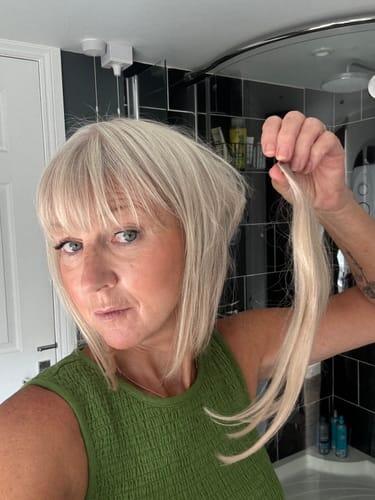
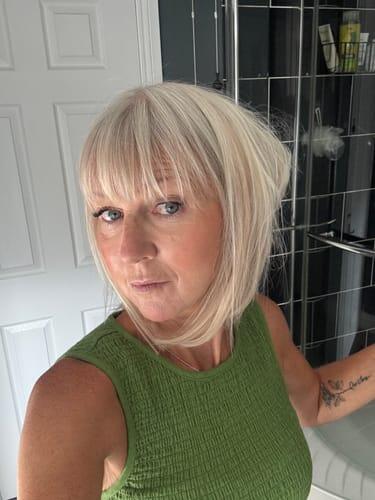
Yes, you can revive dry hair extensions at home in most cases, provided the hair itself (not just the styling) has suffered damage. Human Remy extensions respond well to a clarify, hydrate, and seal routine, because the hair cuticle can be conditioned back into shape even after weeks of product build-up or heat damage. The fastest visible improvement comes from a single clarifying wash followed immediately by a deep moisture mask.
Before you reach for any product, run through this quick triage:
- Clarify first. Strip old product and mineral build-up with a sulphate-free clarifying shampoo.
- Deep condition immediately after. A protein-free moisture mask rehydrates the shaft while cuticles are still open.
- Seal with a lightweight oil. A few drops of argan or jojoba oil locks moisture in before drying.
If you spot melted or fused tips, matting that won’t separate with your fingers, or shedding that goes well beyond a few strands per wear, that’s your cue to speak to a stylist or consider a replacement set rather than pushing on with home treatments.
TL;DR:
- Rejuvenating dry human Remy hair extensions requires a thorough routine of clarifying, hydrating with a protein-free mask, and sealing with a lightweight oil for best results.
- Residue build-up from styling products, heat damage, and environmental exposure are the primary causes of dryness, especially on lighter or processed shades that dry faster.
- Damage reaching the attachment points, heavily matting, or brittle, fused tips indicate the need for professional repair, trimming, or replacement rather than home treatment.
- Proper technique involves rinsing with cool water to close the cuticle and brushing from ends to roots in small sections using gentle tools daily; improper habits undo restoration efforts.
- If home revival fails, switching to high-quality extensions like Naturylextensions’ Remy wire or clip-in ponytails provides a durable, damage-free alternative.
Table of Contents
- How to revive dry hair extensions: what’s actually causing it
- How do you know if your extensions can still be saved?
- Step-by-step: the at-home routine to revive dry hair extensions
- Daily habits that keep extensions soft between washes
- Mistakes that undo your revival work
- Naturyl’s guidance for keeping Remy extensions in top condition
- A quick rescue that changed how I treat my own set
- Keep the results going with the right extensions and accessories
- Key Takeaways
- Sources
- FAQ
How to revive dry hair extensions: what’s actually causing it
Dryness rarely comes from one thing. It’s usually a stack of small habits that add up over a few weeks, and identifying which ones apply to you stops you from repeating the same damage after your rescue routine.
Product build-up is the most common culprit. Dry shampoo, hairspray, and sulphate-heavy shampoos coat the hair shaft in residue that traps in dullness and locks out moisture. Overusing dry shampoo between washes is a particularly common mistake, since it builds a film that makes hair feel stiff and straw-like within days.
Heat is the second big factor. Extensions have no natural oil supply from a scalp, so repeated straightening or curling at high temperatures dries them out far faster than it would your natural hair. If you’re using the same heat setting on your extensions as your roots, you’re overdoing it.
Environmental exposure adds up quietly. Sun exposure fades colour and weakens the cuticle. Chlorine and salt water strip moisture and leave a rough texture. Hard water minerals cling to the hair shaft and cause the same dullness as product build-up, just from your tap rather than your styling routine.
A few other causes worth checking:
- New sets can arrive slightly dry from transit. This is normal, and a gentle first wash with sulphate-free shampoo usually sorts it within one wash.
- Lighter shades are more porous. Blonde and light balayage extensions have been through more processing at the factory, so they tend to dry out faster than darker shades and need more frequent light hydration.
- Attachment method changes your routine. Clip-ins and ponytails only need care when worn, so they dry out more slowly overall. Installed methods like tape-ins or sew-ins are exposed to your full daily routine, including your own shampoo and heat tools, so they need more disciplined product choices.
How do you know if your extensions can still be saved?
Not every dry set needs replacing, but a proper inspection tells you which category you’re in before you spend an evening on a rescue routine that won’t hold.
- Check the attachment point or root area first. Look for fraying on wefts, loose beads on micro-rings, or any sign of the bond weakening. Damage here often means a professional repair, not a home fix.
- Run your fingers through the mid-lengths section by section. Feel for knots that won’t separate gently. If sections are matted into a solid clump rather than tangled strands, that’s a sign of significant damage.
- Look closely at the ends. Crunchy, see-through, or fused tips (especially on tape-ins that have been over-heated) usually need trimming rather than conditioning.
- Do a gentle shed test. Run your hand from root to tip once. A few loose strands is normal; a handful coming away each time points to a set nearing the end of its usable life.
- Check shine and elasticity. Healthy Remy hair has a soft sheen and slight give when stretched. Extensions that look flat and feel brittle with no stretch have lost significant moisture and protein balance.
If most of your set passes these checks and the damage is limited to dullness, frizz, and dryness along the lengths, you’re a strong candidate for the routine below.
Step-by-step: the at-home routine to revive dry hair extensions
This is the sequence to follow when your inspection shows dryness and frizz rather than structural damage. Work through it in order. Skipping steps, particularly the clarifying wash, is the most common reason home treatments underperform.
1. Clarify before you condition anything
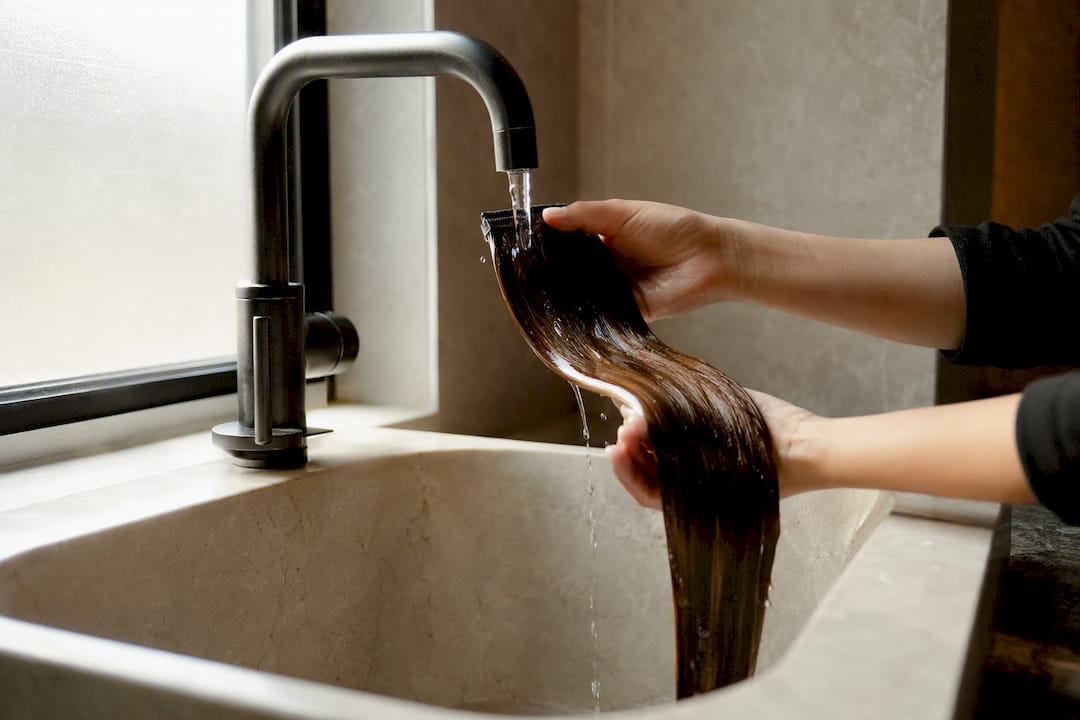
Wash the extensions with a sulphate-free clarifying shampoo, diluted slightly with water if the formula feels heavy. This step removes the product build-up and mineral deposits that block moisture absorption, so skipping straight to a mask on unclarified hair wastes most of the treatment. Product build-up and hard water are two of the most common causes of dry, dull extensions, and neither responds well to conditioner alone.
2. Deep condition with a protein-free mask
Apply a moisture-rich, protein-free mask from mid-length to ends, avoiding the roots or attachment points. Leave it on for 15 to 20 minutes.
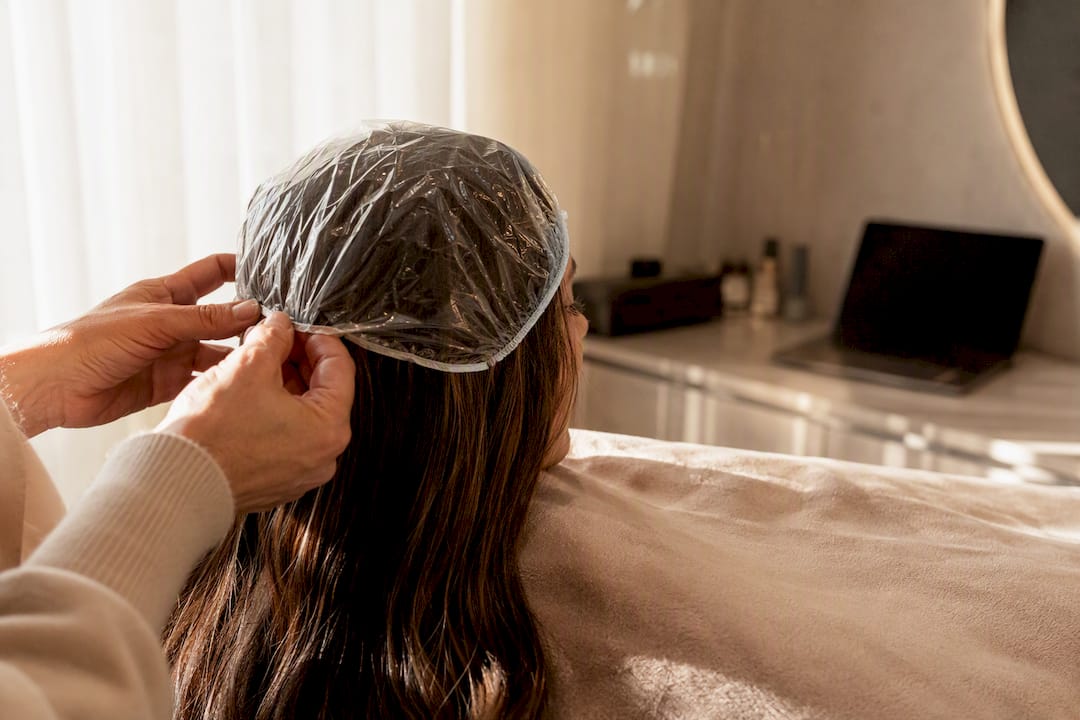
For a deeper treatment, try the baggy method: cover the masked sections with a plastic cap or clingfilm and apply gentle warmth from a hooded dryer or warm towel for 10 to 15 minutes. A warm baggy or heat-seal method gently lifts the cuticle, allowing the mask to penetrate the shaft rather than sitting on the surface.
3. Rinse cool to close the cuticle
Switch to cool or lukewarm water for the final rinse. This snaps the cuticle flat again, which is what gives revived extensions their shine and smooth feel rather than a temporary softness that fades within a day.
4. Seal with a lightweight oil, not a heavy one
Once the hair is towel-dried, apply two or three drops of a lightweight oil such as jojoba, argan, or grapeseed to the mid-lengths and ends only.
Pro Tip: Avoid heavier oils like castor or coconut on the lengths. Lightweight oils add shine and softness without leaving a residue that attracts dirt, while heavier oils can actually accelerate the build-up cycle you’re trying to fix.
5. Detangle from the ends up, never the root down
Hold the section firmly a few centimetres above where you’re brushing to take the tension off the attachment point. Start at the very ends and work upward in small sections, only moving higher once each section runs smooth.
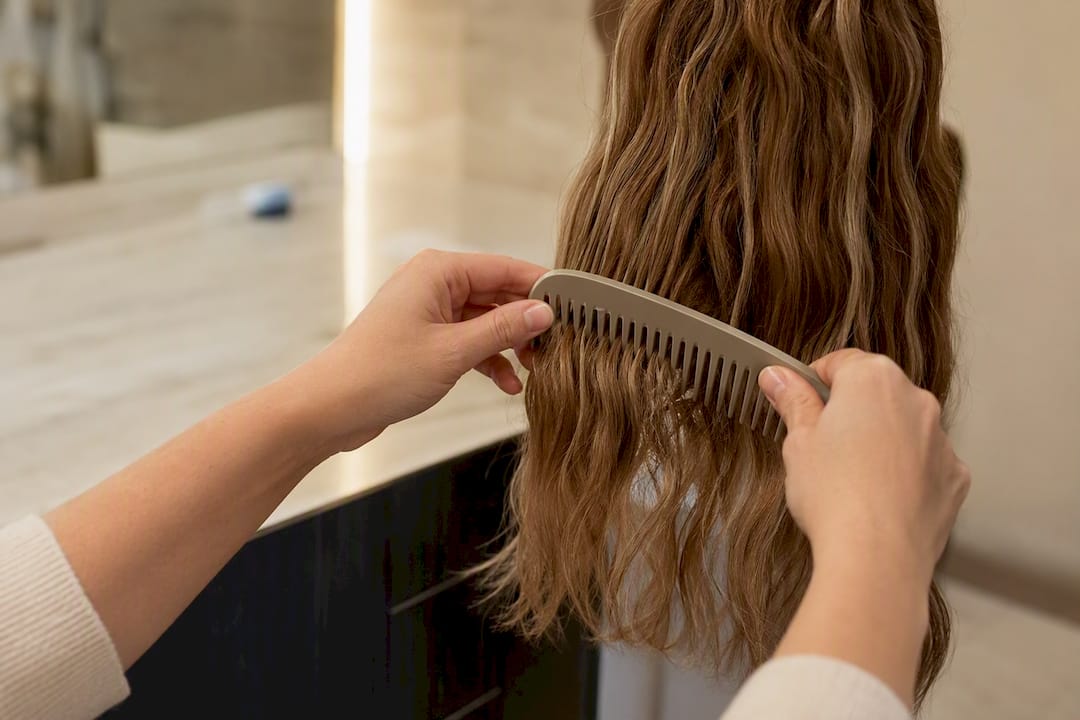
Use a soft-bristle loop brush or a wide-tooth comb designed for extensions rather than a standard paddle brush. Frequent, gentle brushing prevents far more tangling than occasional aggressive brushing, so build this into a daily habit rather than a once-a-week rescue mission.
6. Dry with control, not with a blast of heat
- Blot excess water gently with a soft microfibre towel; never rub.
- Dry the roots and attachment points first, since damp attachment areas increase friction and tangling risk overnight.
- Use tension-drying: hold sections taut with a brush while directing airflow downward along the hair shaft to smooth the cuticle as it dries.
- Finish on a low or medium heat setting, keeping the dryer moving rather than resting on one section.
- Never go to bed with wet extensions or damp attachment points, no matter how tired you are.
7. Micro-trim if the tips stay crunchy
If the ends still feel brittle or see-through after treatment, a micro-trim of a few millimetres often solves what conditioning alone cannot. Trimming brittle ends prevents them from becoming the tangle point for the rest of the set, which is a smarter fix than repeatedly masking hair that’s already past saving at the very tip.
Daily habits that keep extensions soft between washes
A single rescue routine buys you softness for a few days at most if your everyday habits haven’t changed. The goal here is prevention, not repair.
Washing frequency depends on how you wear them. Removable clip-ins and ponytails only need washing every 15 to 20 wears, since they’re not exposed to your daily shampoo routine. Installed methods like tape-ins or invisible wire extensions worn daily benefit from regular washing every one to two weeks, using a sulphate-free formula each time.
Check your product labels against this shortlist before buying anything new:
- Sulphate-free shampoo and conditioner to avoid stripping natural oils from the hair shaft.
- Alcohol-free styling products, since alcohol-based sprays dry out extensions faster than natural hair.
- Lightweight, water-based leave-in conditioners rather than heavy creams that weigh down the strands.
Between washes, a light misting routine does most of the maintenance work. Extensions can’t draw oil from a scalp the way natural hair does, so a spray bottle of water with a drop of lightweight oil, applied to mid-lengths a few times a week, keeps them supple without the need for a full conditioning treatment. Cover your hair or rinse promptly after swimming, since chlorine and salt water both strip moisture quickly, and try to limit direct sun exposure on wefts you’ve left down for hours at a time.
At night, plait your hair loosely or wrap it before bed, and sleep on a silk or satin pillowcase if you can. Cotton pulls at the cuticle and creates friction overnight, undoing a lot of the smoothing work from your last wash. Confirm the roots and attachment points are completely dry before you settle in.
Mistakes that undo your revival work
A few habits quietly cancel out even a well-executed rescue routine, so it’s worth checking your routine against this list before you assume the products aren’t working.
- Overloading on protein treatments. Extensions that feel dry often get worse, not better, from repeated protein masks, since too much protein makes hair feel stiffer and more brittle rather than softer.
- Heavy butters and thick creams. These sit on the surface and attract dust and product residue, recreating the exact build-up problem you just fixed.
- Rubbing wet hair with a towel. This roughs up the cuticle and causes frizz; blotting is the only technique that protects the hair shaft while damp.
- Cotton pillowcases. Swap for silk or satin if tangling returns quickly despite a good wash and condition routine.
Pro Tip: If dryness returns within days of your rescue routine, the problem is almost always product build-up returning fast, usually from styling spray near the roots or from not rinsing conditioner thoroughly enough. Check your root-area hygiene before assuming the hair itself has failed.
If your extensions are still brittle after a full round of clarifying, masking, and sealing, repeat the hydration step without adding protein, and consider a professional gloss treatment or a micro-trim rather than a second round of the same mask.
Naturyl’s guidance for keeping Remy extensions in top condition
Human Remy hair, the kind used across Naturylextensions’ invisible wire extensions and clip-in ponytails, responds well to consistent, gentle care rather than occasional intensive treatments. A few brand-level habits make the biggest difference over the life of a set.
- Keep styling tools at or below 180°C on Remy extensions; anything hotter accelerates protein damage on hair with no natural oil replenishment.
- Store clip-ins and invisible wire sets flat or on a hanger in a breathable bag rather than folded in a drawer, which prevents pressure creases at the wefts.
- Follow a full washing protocol rather than a quick rinse, particularly after a clarifying treatment.
- Use the detangling technique outlined for extensions specifically, not the brushing habits you’d use on natural hair.
- Follow a proper blow-drying method to avoid undoing your tension-dry work with a stray blast of high heat.
A quick rescue that changed how I treat my own set
One set I’d nearly written off as ruined came back after a single clarifying wash and a warm baggy mask, nothing more elaborate than that. The lesson wasn’t the products; it was the order. Skipping the clarifying step and going straight to conditioner had been quietly wasting every mask for weeks. Test any new routine on a single weft first. If it responds well, treat the rest of the set with confidence rather than guessing.
— Sam
Keep the results going with the right extensions and accessories
Reviving a dry set only gets you so far if the hair itself has thinned, shed heavily, or reached the end of its usable life. Naturylextensions is the direct route to premium Remy human hair that’s built to hold up to a proper aftercare routine from day one, without the guesswork of matching a mystery blend from an unknown supplier.
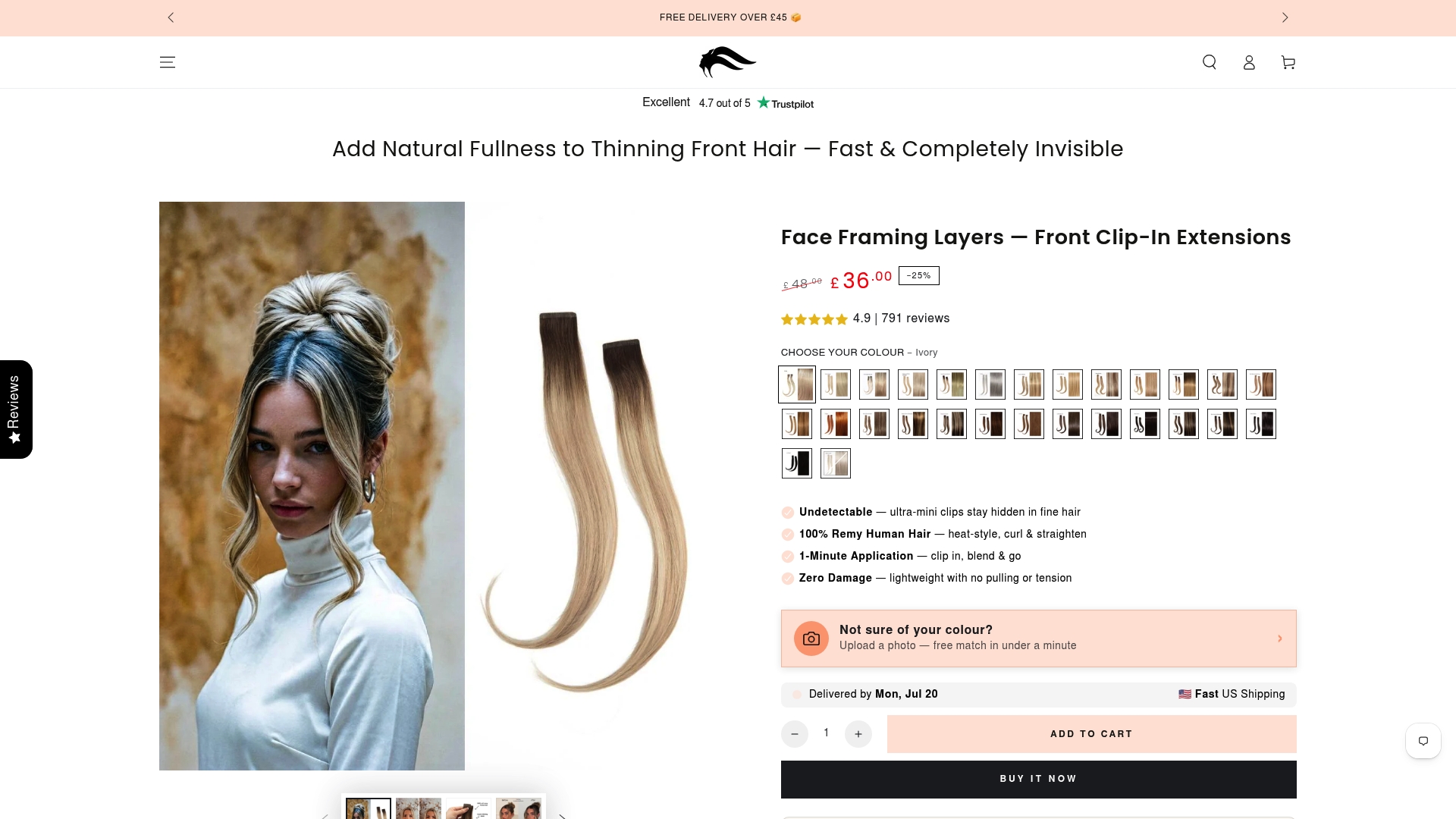
If your current set is beyond a home rescue, our Remy invisible wire extensions give you the fullest length and volume with a fit that hides the wire completely, and they respond to exactly the clarify-and-condition routine outlined above. For anyone who wants an easy, low-maintenance option that skips daily upkeep entirely, our clip-in ponytail extensions attach in seconds and store flat between wears. If your existing invisible wire set just needs a fit adjustment rather than a full replacement, our additional extension wires are a low-cost way to extend its life. Browse the invisible wire range and find the length and shade that matches your natural colour.
Key Takeaways
Most dry human Remy extensions can be restored at home through a clarify, hydrate, and seal routine, provided the damage hasn’t reached the attachment points.
| Point | Details |
|---|---|
| Clarify before conditioning | A sulphate-free clarifying wash removes build-up that blocks moisture absorption from masks and oils. |
| Follow the full sequence | Clarify, deep condition, cool rinse, gentle detangle, and tension-dry in that exact order for lasting results. |
| Use lightweight oils only | Jojoba, argan, or grapeseed on lengths and ends adds shine without the residue heavier oils leave behind. |
| Know when to stop treating | Fused tips, heavy matting, or excessive shedding call for a micro-trim, professional repair, or replacement. |
| Upgrade when revival isn’t enough | Naturylextensions’ Remy invisible wire extensions and clip-in ponytails give a fresh, damage-free starting point. |
Sources
- How to care for hair extensions | Rossano Ferretti EU
- Why do hair extensions get dry? Causes & fixes – Femzen
FAQ
How do you rehydrate dry extensions?
Wash with a sulphate-free clarifying shampoo, apply a protein-free deep mask for 15 to 20 minutes, rinse with cool water, then seal with a few drops of a lightweight oil like argan or jojoba.
Why do my hair extensions feel like straw?
Straw-like texture usually comes from product build-up, particularly overused dry shampoo, combined with heat styling and hard water minerals that coat the hair shaft and block moisture.
How do I make my extensions silky again?
A cool-water rinse after conditioning closes the cuticle for shine, and a lightweight oil applied to damp, towel-blotted hair adds softness without weighing the strands down.
Why are my hair extensions so dry and frizzy?
Frizz typically signals cuticle damage from heat, sun exposure, or chlorine, made worse by rough towel-drying or brushing from the root down instead of the ends up.
Can Naturyl extensions be revived using this same routine?
Yes, Naturylextensions’ Remy human hair invisible wire extensions and clip-in ponytails respond well to the clarify, mask, and seal routine, since they’re made from genuine human hair with no synthetic coating to interfere with treatment.