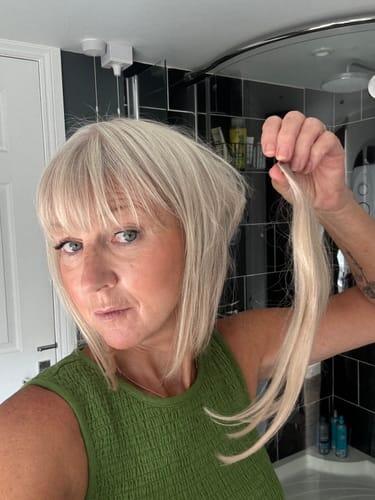
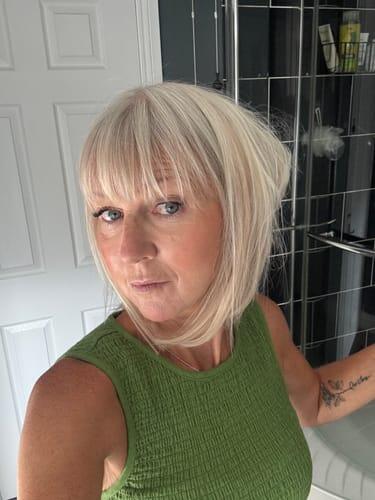
Many women worry that hair extensions automatically trigger hair loss, but this blanket assumption oversimplifies the science behind traction alopecia and extension safety. The truth is more nuanced: certain extension methods pose genuine risks to fragile or thinning hair, while others offer damage-free volume and length. Understanding which techniques cause tension, who faces the highest risk, and how to spot early warning signs empowers you to make informed choices. This guide explains the biological mechanisms behind extension-related hair loss, ranks methods by risk level, and highlights gentle solutions tailored for women with thinning hair in the UK.
Table of Contents
- Key takeaways
- How hair extensions can cause hair loss
- Which hair extension methods have the highest risk of causing hair loss?
- Who is most at risk and how to recognise early signs of hair loss from extensions
- Damage-free hair extension options ideal for thinning hair
- Explore damage-free extensions with Naturyl Extensions
- FAQ
Key Takeaways
| Point | Details |
|---|---|
| Traction alopecia risk | Extended tension from certain extensions can cause thinning, shedding and damaged follicles if left untreated. |
| High risk methods | Sew in weaves, cornrows, glue bonded, fusion and micro rings apply sustained tension or chemical stress to the hair shaft. |
| Safer options | Clip in and halo extensions are generally gentler and reduce ongoing tension on the scalp. |
| Early signs to watch | Noticeable shedding after removal, scalp tenderness, or patchy thinning indicate you should switch to gentler methods. |
| Professional application matters | Having extensions applied by a trained professional and limiting wear time reduces risk of damage. |
How hair extensions can cause hair loss
Hair extensions primarily contribute to hair loss through traction alopecia caused by sustained mechanical tension on hair follicles. When extensions apply continuous pulling force to the hair shaft, the follicle experiences chronic stress that disrupts the normal growth cycle. This mechanical tension triggers inflammation around the follicle, leading to a condition called perifollicular erythema, which appears as redness and irritation on the scalp. Over time, repeated trauma weakens the follicle’s anchoring structures, causing hairs to break at the root or shed prematurely.
The biological impact of traction extends beyond surface-level damage. Prolonged tension forces follicles into a resting phase called telogen, preventing new hair growth and creating visible thinning. In severe cases, the follicle sustains permanent scarring that destroys its ability to produce hair altogether. Research on traction alopecia confirms that the severity of hair loss correlates directly with the duration and intensity of mechanical stress applied to the scalp.
Early-stage traction alopecia presents with subtle symptoms that many women initially dismiss. You might notice increased hair shedding when removing extensions, tenderness along the hairline, or small bumps where extension attachments sit. The scalp may feel sore after wearing extensions for several hours, signalling that follicles are under strain. Catching these warning signs early allows you to switch to damage-free hair extension methods before permanent damage occurs.
Pro Tip: Remove extensions immediately if you experience persistent scalp pain or notice patchy thinning. Early intervention allows follicles to recover fully within three to six months.
Reversibility depends entirely on timing and intervention. When you relieve tension before scarring develops, follicles typically resume normal growth cycles. However, chronic traction that persists for months or years can cause irreversible follicular damage, leaving permanent bald patches along the hairline and crown. The key distinction lies in recognising symptoms early and choosing extension methods that distribute weight evenly or eliminate tension altogether.
“The mechanical stress from heavy or tightly applied extensions disrupts the hair growth cycle, forcing follicles into a premature resting phase that manifests as visible thinning and breakage.”
Which hair extension methods have the highest risk of causing hair loss?
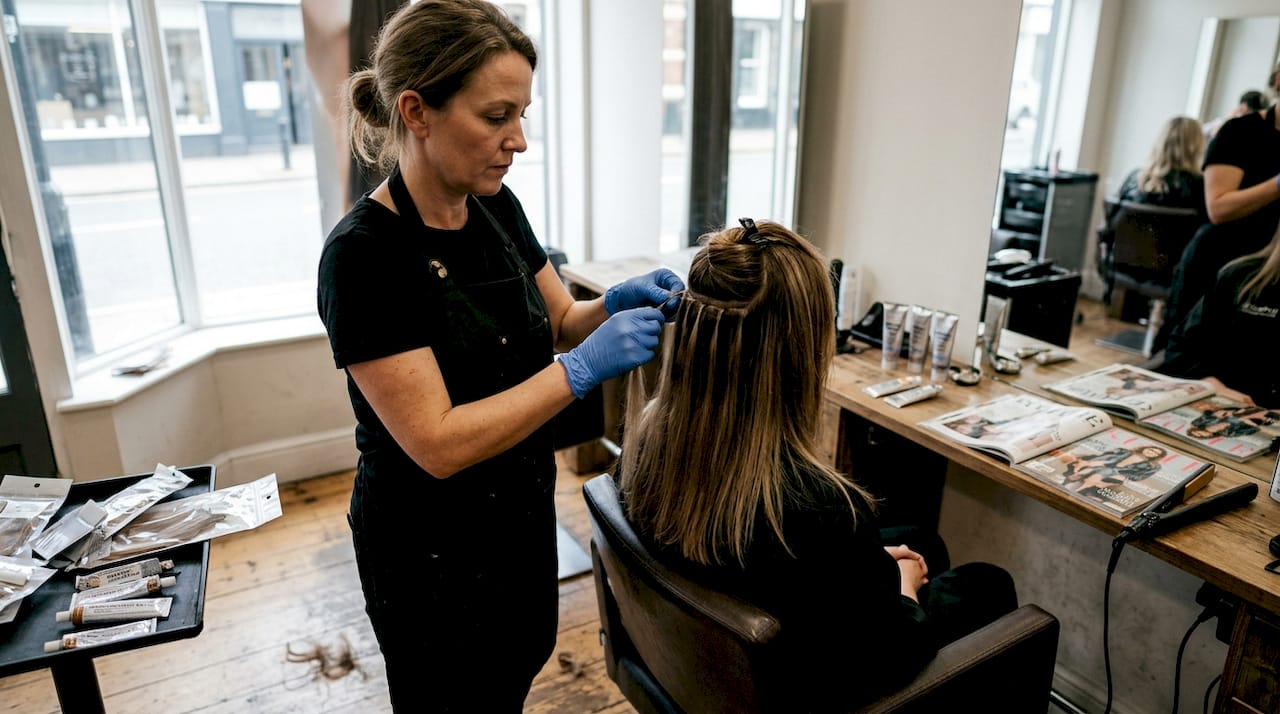
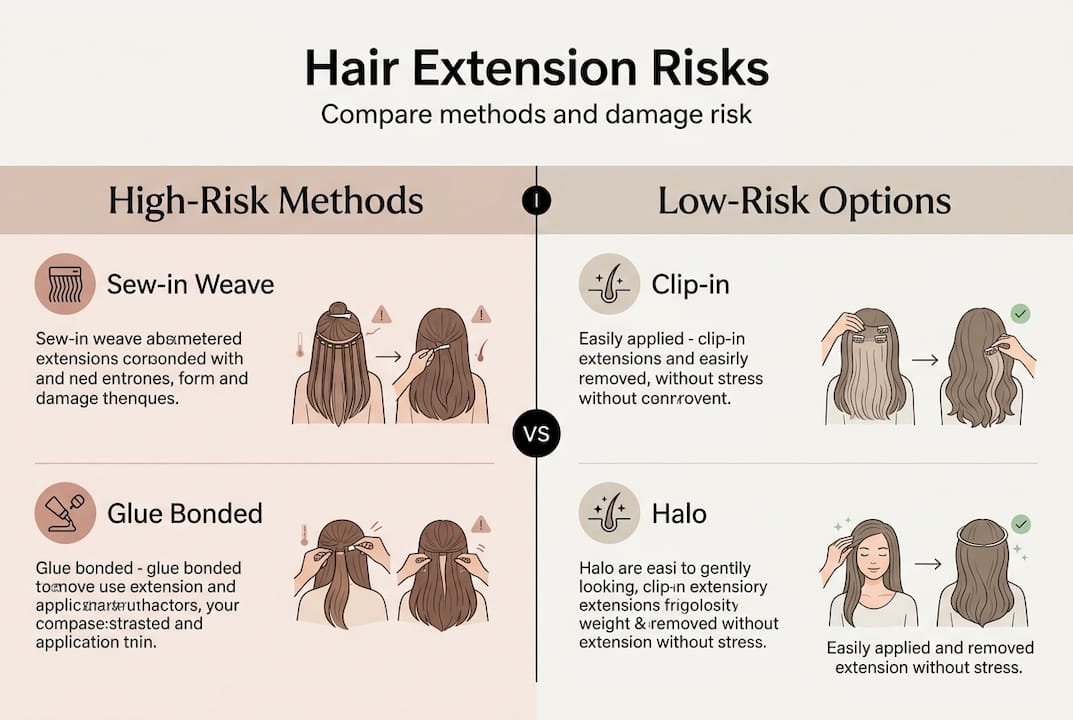
High-risk methods include sew-in weaves, cornrows, glue/bonded, fusion, and micro-rings, all of which apply sustained tension or chemical stress to the hair shaft. Sew-in weaves require braiding natural hair into tight cornrows that serve as anchors for wefts, creating constant pulling force across the scalp. This method ranks among the most damaging because the cornrow foundation never releases tension, even during sleep or daily activities. Women who wear sew-in weaves for extended periods often develop traction alopecia along the hairline and temples.
Glue-bonded and fusion extensions use adhesives or keratin bonds to attach individual strands to natural hair, introducing both mechanical and chemical stress. The bonding process involves heat that can weaken the hair shaft, whilst the weight of the extensions pulls continuously on the attachment point. Micro-ring extensions, though marketed as gentler alternatives, still concentrate tension on small sections of hair through metal beads that clamp tightly around the natural strand. Over time, this focused pressure damages the follicle and causes breakage at the attachment site.
| Extension method | Risk level | Primary damage mechanism |
|---|---|---|
| Sew-in weaves | Very high | Constant tension from tight cornrow foundation |
| Glue/bonded | Very high | Chemical weakening plus sustained weight |
| Fusion | High | Heat damage combined with pulling force |
| Micro-rings | High | Concentrated tension on small hair sections |
| Tape-in (heavy) | Moderate | Weight distribution varies with application |
| Clip-in | Low | Intermittent tension only during wear |
Chemical methods pose additional risks beyond mechanical tension. Adhesives used in bonded extensions can trigger allergic reactions or irritate the scalp, compounding follicular stress. The removal process for glue-bonded extensions often requires harsh solvents that strip natural oils and weaken the hair cuticle. Fusion extensions demand high heat application that permanently alters the protein structure of the hair shaft, making it brittle and prone to snapping.
Pro Tip: If you currently wear high-risk extensions and notice thinning, transition to clip-in extension comparison options that allow daily removal and complete tension relief overnight.
Clip-in extensions represent the safest category because they apply tension only during wear and allow complete removal before sleep. Research confirms that clip-in extension safety depends heavily on wearing duration and proper application technique. When worn occasionally for special events rather than daily, clip-ins pose minimal risk to hair health. The key difference lies in the ability to remove all tension regularly, giving follicles recovery time between wear sessions.
Continuous tension correlates directly with worse traction alopecia outcomes. Studies tracking women who wore tight extensions for more than eight hours daily showed significantly higher rates of permanent hair loss compared to those who limited wear to four hours or less. The biological reality is straightforward: follicles need regular breaks from mechanical stress to maintain healthy growth cycles. Extension methods that never release tension create cumulative damage that eventually becomes irreversible.
Who is most at risk and how to recognise early signs of hair loss from extensions
Women with thinning, fine hair, chemically treated or hormonal conditions like PCOS are at higher risk for traction alopecia. Fine hair has smaller follicles with less robust anchoring structures, making it more susceptible to damage from even moderate tension. Chemical treatments such as bleaching, relaxing, or perming weaken the hair shaft’s protein bonds, reducing its ability to withstand the pulling force of extensions. When you combine fine texture with chemical damage, the risk of breakage and follicular trauma increases exponentially.
Afro-textured hair faces unique vulnerability due to its natural curl pattern and common styling practices. The tight coiling structure creates inherent fragility, whilst traditional protective styles like braids and weaves often apply excessive tension to achieve sleek results. Women with Afro-textured hair who wear extensions frequently experience traction alopecia along the hairline and crown, areas where tension concentrates most intensely. Cultural pressure to maintain certain hairstyles can perpetuate damaging practices despite visible thinning.
Hormonal fluctuations during menopause, pregnancy, or conditions like polycystic ovary syndrome disrupt the normal hair growth cycle, making follicles more vulnerable to external stressors. Oestrogen decline during menopause reduces hair density and shaft diameter, leaving less cushion against mechanical trauma. Women experiencing hormonal hair thinning who add extension tension compound the problem, accelerating visible loss. Understanding this compounded vulnerability helps you make informed decisions about whether extensions suit your current hair health.
Early diagnostic signs to watch for:
- Scalp tenderness or pain when touching extension attachment points
- Visible redness or inflammation around the hairline and temples
- Increased hair shedding when brushing or removing extensions
- Patchy thinning along the frontal hairline, known as the fringe sign
- Small bumps or pustules where extensions attach to natural hair
- Receding hairline or widening of the natural parting
The fringe sign serves as a critical early diagnostic clue to traction alopecia. This pattern presents as noticeable thinning or complete hair loss along the frontal hairline, creating a receding appearance that mimics male-pattern baldness. Dermatologists recognise the fringe sign as a hallmark of mechanical hair loss, distinguishing it from hormonal or genetic thinning. If you notice this pattern developing, immediate intervention offers the best chance for full reversal.
“Early detection of traction alopecia symptoms allows for complete follicular recovery, whilst chronic tension leads to irreversible scarring and permanent bald patches.”
Early detection improves chances for full reversal dramatically. When you catch traction alopecia within the first few months and eliminate the tension source, follicles typically resume normal growth within six months. However, once scarring develops, the damage becomes permanent because scar tissue replaces functional follicles. Regular scalp examinations and honest assessment of symptoms determine whether you can continue wearing extensions or need to explore gentler alternatives like those detailed in the extensions for thin hair guide.
Damage-free hair extension options ideal for thinning hair
Clip-in and halo extensions put no tension on natural hair because they rest on the surface without permanent attachment. Clip-in extensions use small pressure clips that grip the hair shaft temporarily, allowing complete removal before sleep and eliminating sustained tension. Halo extensions feature a transparent wire that sits across the crown, distributing weight evenly without any clips or bonds. Both methods give follicles daily recovery periods, preventing the cumulative damage that leads to traction alopecia.
Invisible wire extensions reduce damage by 75% compared to tape-in methods according to user testimonials and professional assessments. The wire mechanism distributes weight across the entire crown rather than concentrating pressure on small attachment points. This even distribution prevents the localised stress that causes breakage and follicular trauma. Women with thinning hair report that invisible wire extensions provide volume and length without the scalp soreness or shedding associated with bonded methods.
Safe extension options ranked by gentleness:
- Halo extensions: Zero attachment points, complete daily removal
- Clip-in extensions: Temporary clips, removable within seconds
- Invisible wire extensions: Even weight distribution, minimal scalp contact
- Lightweight tape-in: Reduced weight formulas for sensitive scalps
- Mesh integration: Woven into existing hair without tight braiding
Pro Tip: Limit clip-in wear to six hours maximum per session, and never sleep in them. This practice gives follicles adequate recovery time and prevents tension-related damage.
Lightweight tape-in extensions and mesh integration offer alternative gentler methods for women who prefer semi-permanent options. Modern tape-in formulas use thinner adhesive strips and lighter wefts that reduce pulling force by up to 60% compared to traditional versions. Mesh integration involves weaving extensions into a breathable mesh cap that sits on the scalp, distributing weight broadly rather than concentrating it on individual hair sections. These methods suit women who want longer wear periods without daily application but still prioritise follicular health.
Professional fitting and limited wear time remain essential for care regardless of extension type. Even the gentlest methods can cause damage when applied incorrectly or worn excessively. A qualified stylist assesses your hair density, texture, and scalp condition to determine appropriate extension weight and placement. They ensure clips sit securely without excessive pressure and that wire extensions align properly with your natural hairline. Regular maintenance appointments allow professionals to monitor your scalp health and adjust extensions before problems develop.
| Extension type | Wear duration | Removal frequency | Damage risk |
|---|---|---|---|
| Halo | 4-8 hours | Daily | Minimal |
| Clip-in | 4-6 hours | Daily | Low |
| Invisible wire | 6-10 hours | Daily | Low |
| Lightweight tape-in | 6-8 weeks | Professional removal | Moderate |
| Mesh integration | 8-12 weeks | Professional removal | Moderate |
Reviews from women with fine or thinning hair consistently endorse clip-ins, halo, invisible wire, and lightweight tape-in extensions for their natural blend and volume enhancement. Users report that these methods provide the confidence boost of fuller hair without the anxiety of visible thinning or scalp discomfort. The ability to remove extensions daily allows for thorough scalp cleansing and hair care routines that maintain follicular health. Many women find that rotating between clip-in and halo styles prevents any single area from experiencing repetitive stress.
The success of damage-free extensions depends on matching the method to your specific hair condition and lifestyle needs. Women who exercise frequently benefit from halo extensions that withstand movement without shifting, whilst those seeking occasional volume for events prefer the simplicity of clip-ins. Understanding your hair’s unique vulnerabilities and choosing extensions designed for gentle wear ensures you achieve the aesthetic results you want without compromising long-term hair health. Exploring options like invisible wire hair extensions provides practical solutions tailored to fragile hair.
Explore damage-free extensions with Naturyl Extensions
If you’re concerned about protecting your thinning hair whilst achieving fuller volume, Naturyl Extensions offers solutions designed specifically for gentle, damage-free wear. Our Remy human hair invisible wire extensions distribute weight evenly across the crown, eliminating the concentrated tension that causes traction alopecia. The transparent wire mechanism sits comfortably against your scalp without clips or bonds, allowing complete daily removal for optimal follicular recovery.
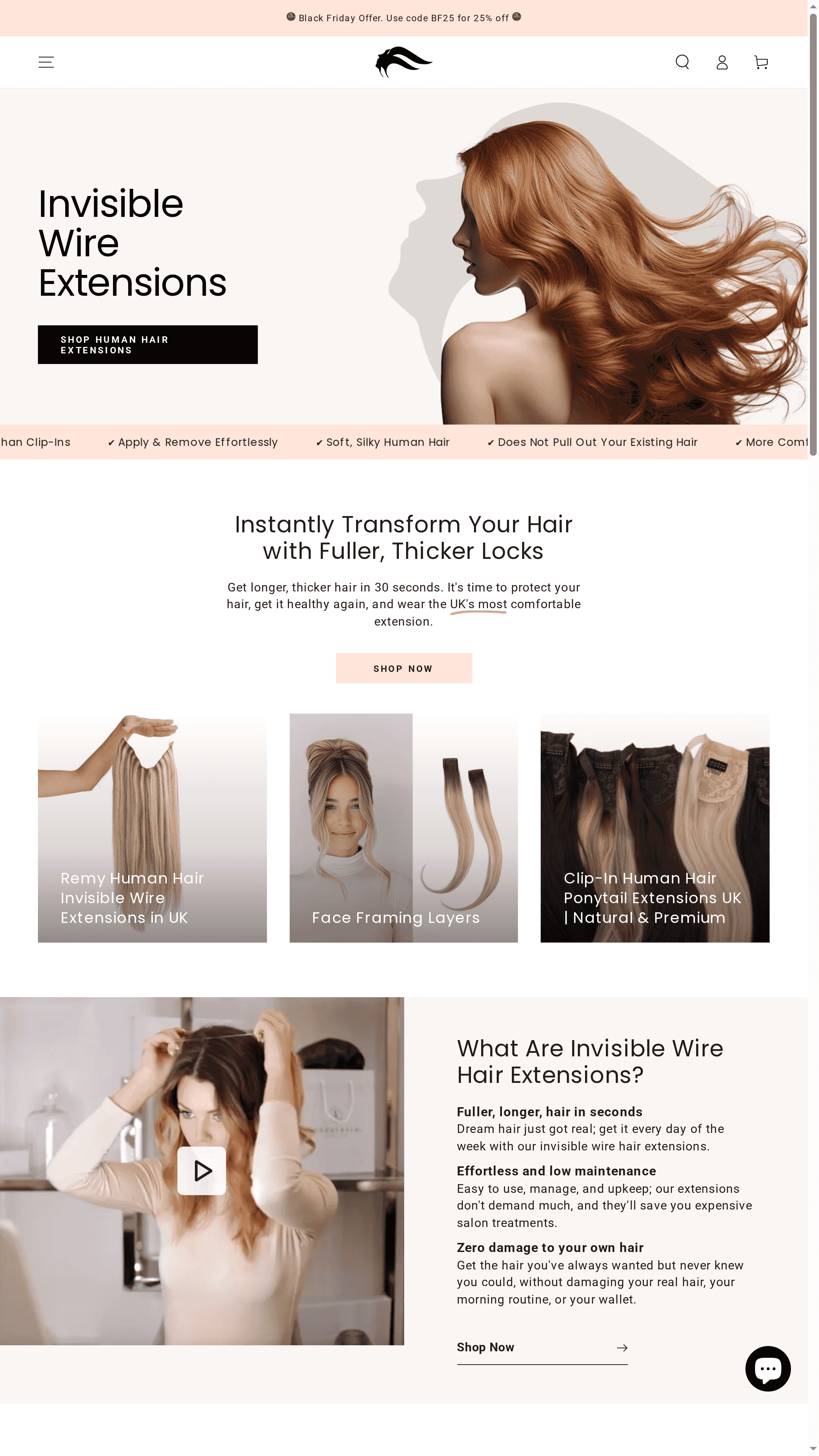
Our invisible extension wires provide additional length and volume with premium Remy human hair that blends seamlessly with fine or thinning textures. Each piece is crafted for effortless application, requiring no salon appointment or professional installation. You can achieve salon-quality results in minutes whilst maintaining complete control over wear duration and tension levels. Our expert blog guides, including insights on the best invisible wire extensions, support you in making informed choices that prioritise both beauty and hair health.
FAQ
Do hair extensions cause permanent hair loss?
Permanent hair loss from extensions is rare and typically results only from chronic traction alopecia that persists for months or years without intervention. When you catch early warning signs like scalp tenderness or patchy thinning and immediately remove the tension source, follicles usually recover completely within six months. However, prolonged mechanical stress can cause irreversible scarring that destroys follicles permanently. The key to preventing permanent damage lies in choosing gentle extension methods and monitoring your scalp health vigilantly.
Which hair extensions are safest for thinning hair?
Clip-in and halo extensions cause no sustained tension because they allow complete daily removal, making them the safest choices for thinning hair. Invisible wire extensions significantly reduce damage by distributing weight evenly across the crown rather than concentrating pressure on individual attachment points. Avoid sew-in weaves, glue-bonded, and fusion methods entirely if you have fragile or thinning hair, as these techniques apply continuous mechanical and chemical stress that accelerates follicular damage. Exploring safe extensions for thinning hair helps you identify options that prioritise hair health.
How can I spot early signs of hair loss from extensions?
Look for scalp irritation or redness around extension attachment points, which signals perifollicular inflammation from mechanical stress. Notice whether your hairline appears thinner or more uneven than before you started wearing extensions, particularly along the temples and frontal border. Watch for the fringe sign, a diagnostic pattern characterised by patchy hair loss along the hairline that mimics receding. Increased shedding when brushing or removing extensions also indicates follicular strain. Catching these symptoms early and switching to gentler methods outlined in guides about early signs of hair loss prevents permanent damage.
Can I wear clip-in extensions every day without damage?
Occasional wear of clip-in extensions is safe, but daily prolonged use can cause cumulative tension that leads to breakage and thinning over time. Limiting wear to six hours per session and removing extensions completely before sleep gives follicles necessary recovery periods. Professional fitting ensures clips sit securely without excessive pressure, reducing the risk of localised damage. If you need daily volume enhancement, consider rotating between clip-in and halo styles to vary tension points and prevent repetitive stress on the same hair sections. Reviewing clip-in daily wear advice provides practical strategies for safe, regular use.