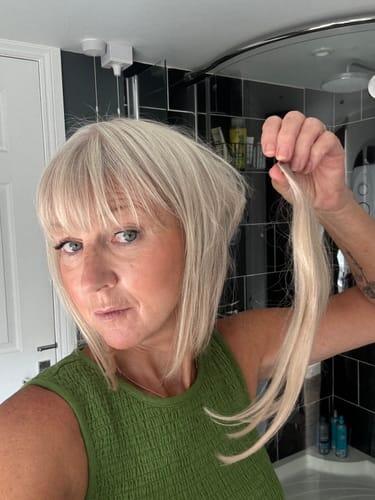
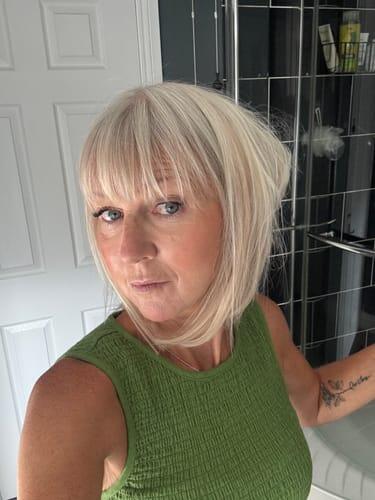
Choosing hair extensions can feel overwhelming, especially when terms like thickness appear everywhere without clear explanation. Hair extension thickness actually refers to the diameter of individual strands, measured in millimetres, and understanding this detail is crucial for achieving natural-looking volume without damaging your delicate hair or straining your scalp. The right thickness creates seamless blending with your natural texture, whilst the wrong choice can lead to bulky, obvious extensions or disappointing sparse results. This guide breaks down thickness categories, matching strategies, quality considerations, and practical application tips so you can confidently select extensions that enhance your look safely and beautifully.
Table of Contents
- Key takeaways
- Understanding hair extension thickness categories
- Matching extension thickness to your natural hair
- Nuances of extension thickness and quality
- Practical tips for choosing and applying extensions safely
- Enhance your look with high-quality, ethical hair extensions
- Frequently asked questions about hair extension thickness
Key Takeaways
| Point | Details |
|---|---|
| Thickness categories | Hair extension thickness refers to the diameter of individual strands measured in millimetres, and it determines how extensions sit against the scalp and blend with natural hair. |
| Matching to natural hair | Choosing extensions with a strand diameter that mirrors your own ensures invisible integration and helps keep hair healthy by distributing weight evenly. |
| Mismatch effects | If thickness does not align with natural hair, extensions can look bulky on thin hair or appear sparse on thick hair. |
| Thickness ranges | The main ranges are fine 0.08 to 0.12 millimetres, medium 0.12 to 0.15 millimetres, and thick 0.15 to 0.20 millimetres per strand. |
| Measurement tip | To determine your baseline thickness, measure a single strand against a millimetre ruler in good light. |
Understanding hair extension thickness categories
When shopping for extensions, you’ll encounter fine, medium, and thick options, but these labels only make sense once you grasp what they actually measure. Hair extension thickness primarily refers to the diameter of individual hair strands, categorised as fine (0.08-0.12mm), medium (0.12-0.15mm), and thick or full (0.15-0.20mm). These measurements directly impact how extensions sit against your scalp, blend with your natural texture, and contribute to overall volume.
Fine extensions feature the thinnest strand diameter, typically ranging from 0.08 to 0.12 millimetres. This category suits women with naturally thin or delicate hair, providing subtle volume without overwhelming the base. The slender strands integrate seamlessly, creating an undetectable finish that moves naturally with your own hair. Because fine extensions are lightweight, they place minimal stress on hair follicles, reducing the risk of traction damage or scalp discomfort.
Medium thickness extensions fall between 0.12 and 0.15 millimetres in diameter, making them the most versatile choice for average hair types. These strands offer balanced volume, working well for everyday styling and special occasions alike. Medium extensions blend effortlessly with most natural textures, providing noticeable fullness without appearing artificial or heavy. They strike an ideal middle ground for women seeking enhancement that looks believable and feels comfortable throughout the day.
Thick or full extensions measure 0.15 to 0.20 millimetres per strand, delivering dramatic volume and luxurious density. This category appeals to women with naturally thick hair who want even more fullness, or those seeking bold, statement styles. The wider diameter creates substantial body and movement, perfect for voluminous updos or cascading curls. However, thick extensions require careful application to avoid overwhelming finer hair types, which could result in visible lines or scalp strain.
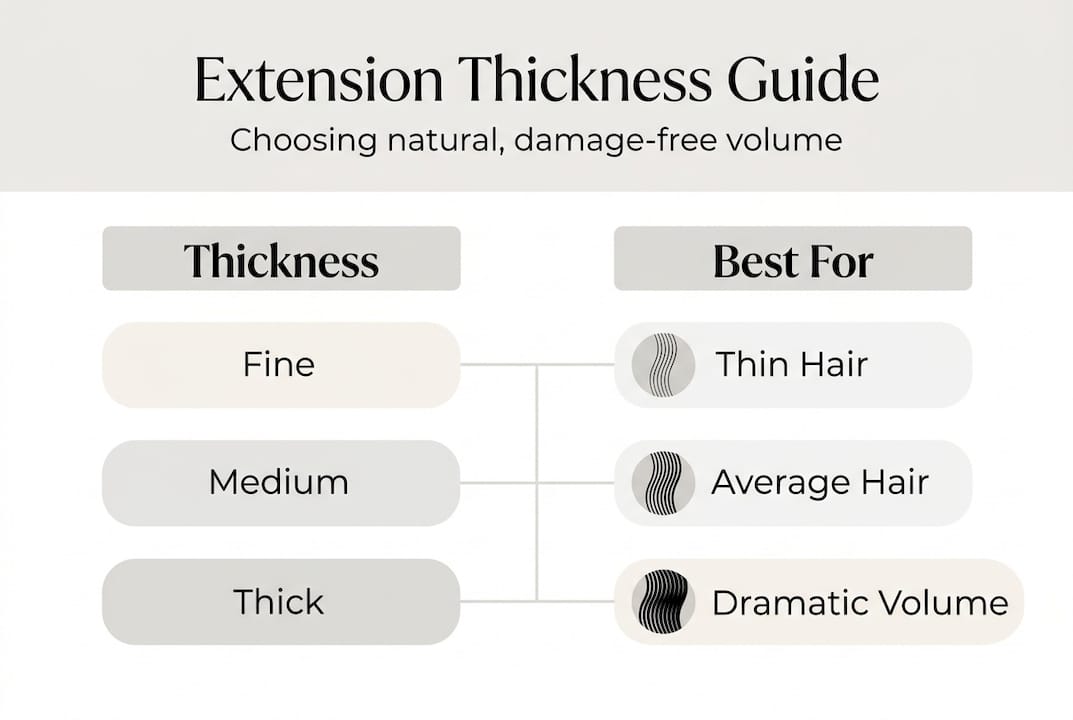
| Thickness category | Strand diameter | Best for | Visual impact |
|---|---|---|---|
| Fine | 0.08-0.12mm | Thin, delicate hair | Subtle, natural volume |
| Medium | 0.12-0.15mm | Average hair types | Balanced, versatile fullness |
| Thick/Full | 0.15-0.20mm | Thick hair, dramatic looks | Bold, luxurious density |
Pro Tip: Measure a single strand of your natural hair against a millimetre ruler under good lighting to determine your baseline thickness before shopping for extensions.
Matching extension thickness to your natural hair
Selecting extensions that mirror your natural strand diameter is essential for achieving invisible integration and maintaining hair health. When thickness aligns properly, extensions distribute weight evenly across your scalp, move naturally with your own hair, and remain completely undetectable to observers. Mismatched thickness creates problems: overly thick strands on fine hair produce bulky, obvious results, whilst fine extensions on thick hair appear sparse and underwhelming.

Thickness matching to natural hair ensures natural blending: fine for thin or delicate hair (subtle volume), medium for average (versatile), thick for voluminous (dramatic fullness). Women with thin or delicate hair benefit most from fine extensions, which add body without creating unnatural bulk or placing excessive tension on fragile follicles. These lightweight strands enhance volume subtly, allowing you to achieve fuller-looking hair whilst maintaining a believable texture that moves freely and naturally.
For those with average hair density, medium thickness extensions offer the perfect balance between noticeable enhancement and natural appearance. This category provides versatility for various styling options, from sleek straight looks to bouncy curls, without overwhelming your natural texture. Medium extensions work beautifully for everyday wear, blending seamlessly whilst delivering the fullness and length you desire. They’re forgiving during application and maintenance, making them ideal for extension beginners.
Women seeking dramatic transformation or those with naturally thick hair should opt for thick extensions that match their substantial base. These fuller strands create luxurious volume and movement, perfect for special events or bold personal style. However, applying thick extensions to fine hair risks several problems: visible weft lines, scalp discomfort from excessive weight, and an artificial appearance that draws unwanted attention. The mismatch can even lead to traction alopecia if worn regularly without proper support.
Consider these matching guidelines:
- Assess your natural hair by examining a single strand in bright light against a white background
- Request samples from suppliers to compare thickness directly against your own hair
- Factor in your scalp sensitivity; finer hair typically requires lighter, thinner extensions
- Account for desired styling; subtle everyday looks need different thickness than dramatic evening styles
- Consult professional stylists for extensions for thin hair if you’re uncertain about your category
Pro Tip: If your natural hair falls between categories, choose the finer option to ensure comfortable wear and invisible blending, as you can always layer multiple wefts for additional volume.
Nuances of extension thickness and quality
Understanding the distinction between strand diameter and weft weight helps you make informed purchasing decisions that prioritise both appearance and hair health. Strand diameter refers to individual hair thickness, whilst weft weight measures the total mass of hair on a single track. Two wefts might have identical weights but completely different strand diameters, producing vastly different visual results. For natural blending with invisible wire extensions, matching strand diameter matters far more than matching weight.
Ethical sourcing standards significantly impact extension quality, durability, and natural appearance. High-quality extensions use ethically sourced Remy or virgin human hair (cuticle-aligned, from single donors or temple donations), with UK standards emphasising fair trade. Remy hair maintains all cuticles facing the same direction, preventing tangling and ensuring smooth, natural movement. Virgin hair has never been chemically processed, retaining its original strength, shine, and texture integrity.
UK suppliers increasingly prioritise transparency about sourcing practices, with many offering documentation about donor origins and fair compensation. Single-donor hair, where all strands come from one person, provides superior consistency in texture, colour, and thickness. Temple hair, donated during religious ceremonies, represents the highest quality virgin hair available, prized for its natural lustre and longevity. These ethical practices ensure you receive extensions that not only look beautiful but also support fair labour standards.
Quality considerations extend beyond sourcing to processing and construction methods:
- Cuticle alignment prevents matting and extends wearable lifespan significantly
- Double-drawn hair removes shorter strands for uniform length and fuller appearance
- Hand-tied wefts create thinner, more flexible tracks that lie flat against the scalp
- Minimal processing preserves hair integrity, allowing for heat styling and colour customisation
“Matching strand diameter to your natural hair creates seamless integration that remains undetectable, whilst prioritising ethical sourcing ensures your extensions maintain their quality and appearance throughout months of wear. Focus on diameter first, then adjust weft weight to achieve your desired volume.”
Investing in ethically sourced Remy hair from reputable UK suppliers means your extensions will blend naturally, withstand regular styling, and maintain their beauty far longer than cheaper alternatives. The initial cost difference pays for itself through extended wear and superior results.
Practical tips for choosing and applying extensions safely
Selecting appropriate thickness and application methods protects your natural hair whilst delivering the transformation you want. Following these strategic steps ensures you choose extensions that enhance your look without compromising hair health or causing scalp discomfort.
- Evaluate your natural hair thickness by examining multiple strands from different areas of your head, as density can vary significantly from crown to nape.
- Determine your hair’s health status, noting any thinning, breakage, or sensitivity that might require gentler extension methods.
- Consider your lifestyle and styling routine, choosing thickness that accommodates your daily activities and maintenance commitment.
- Research application methods suited to your hair type, prioritising options that minimise tension and damage risk.
- Calculate appropriate weft weight based on your natural density, starting lighter than you think you need.
- Schedule a consultation with an experienced stylist who can assess your hair and recommend personalised thickness options.
For women with thin or delicate hair, mixing fine strand thickness with ultra-light weights (such as 100g clip-ins) and methods like invisible wire or tape creates quick, undetectable transformation without scalp strain. Invisible wire extensions offer particular advantages for fine hair, distributing weight across a thin, flexible wire rather than concentrating pressure on small sections. This method allows for daily removal, giving your natural hair regular breaks from any added weight.
Tape extensions provide another gentle option, using medical-grade adhesive to attach thin wefts that lie completely flat. The slim profile makes them ideal for fine hair, whilst the secure attachment withstands active lifestyles. Both methods enable quick application at home, eliminating lengthy salon appointments and reducing overall cost.
Application safety guidelines:
- Never apply extensions to wet or damp hair, as this increases breakage risk
- Position wefts at least one centimetre from your scalp to allow natural movement
- Avoid placing extensions over thinning areas or active breakage zones
- Distribute weight evenly across your head rather than concentrating in single areas
- Remove clip-in or wire extensions before sleeping to prevent tangling and tension
- Follow manufacturer guidelines for maximum wear duration with semi-permanent methods
Explore invisible extension wires for the most flexible, damage-free application method available. These innovative systems allow you to achieve salon-quality results in minutes whilst maintaining complete control over when and how you wear your extensions.
Pro Tip: Start with a single weft in a slightly finer thickness than your natural hair to test comfort and blending before investing in a full set, ensuring you’re completely satisfied with the match.
Enhance your look with high-quality, ethical hair extensions
Now that you understand how thickness impacts natural appearance and hair health, you’re ready to explore premium extension options that deliver beautiful results safely. Naturyl Extensions specialises in ethically sourced, high-quality Remy human hair invisible wire extensions designed specifically for UK women seeking quick, damage-free transformation.
Every Naturyl product features carefully selected Remy or virgin hair that maintains cuticle alignment for tangle-free wear and natural movement. The invisible wire system provides undetectable volume in seconds, perfect for busy lifestyles that demand flexibility. Whether you need subtle enhancement for thin hair or dramatic fullness for special occasions, the range includes thickness options suited to every need. Fast UK delivery and generous exchange policies ensure you find your perfect match without risk. Discover additional length wires and learn more about what makes Remy hair special to make an informed choice that enhances your natural beauty.
Frequently asked questions about hair extension thickness
What defines hair extension thickness?
Hair extension thickness refers to the diameter of individual strands measured in millimetres, not the weight or density of the weft. Fine extensions measure 0.08-0.12mm, medium range from 0.12-0.15mm, and thick extensions span 0.15-0.20mm per strand.
How can I tell if my natural hair matches a particular extension thickness?
Examine a single strand of your hair against a white background in bright natural light, comparing it to sample extensions. Professional stylists can also measure your hair diameter precisely, or you can request sample wefts from suppliers to test matching before purchasing a full set.
Can thicker extensions damage fine hair?
Yes, applying thick extensions to fine hair creates excessive weight that strains delicate follicles, potentially causing traction alopecia, breakage, and scalp discomfort. Always choose extensions that match or are slightly finer than your natural strand diameter to ensure safe, comfortable wear.
What is the best extension type for quick, undetectable volume for thin hair?
Invisible wire extensions with fine strand thickness offer the fastest, most damage-free solution for thin hair. The flexible wire distributes weight evenly without clips or adhesive, allowing daily removal whilst creating natural-looking volume. Explore the extensions for thin hair guide for detailed recommendations.
Does hair extension thickness affect styling options?
Absolutely. Finer extensions heat style more quickly and hold curls differently than thick strands, whilst thick extensions create more dramatic volume for updos. Matching thickness to your natural hair ensures extensions respond to styling tools similarly, maintaining a cohesive, natural appearance throughout various looks.