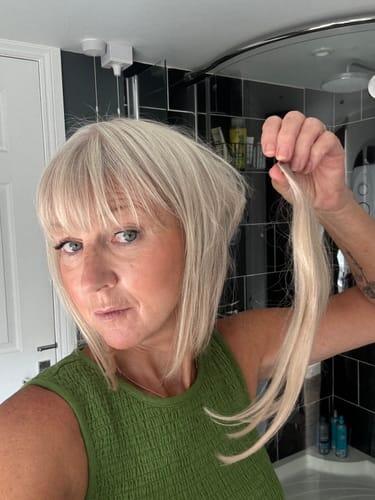
Tired of spending hours and hundreds of pounds at salons only to watch your natural hair become brittle and damaged? Damage-free hair extension methods like invisible wire and clip-in extensions give you fuller, natural-looking hair at home in under an hour. This guide reveals safe application techniques, essential care routines, and realistic expectations to help you achieve salon-quality results whilst protecting your natural hair’s health and integrity.
Table of Contents
Key takeaways
| Point | Details |
| Damage-free methods | Invisible wire and clip-in extensions avoid heat, glue, and tension to protect natural hair from breakage and traction alopecia. |
| Quick application | Apply and remove extensions in under one hour at home without professional salon visits or expensive appointments. |
| Proper care extends lifespan | Gentle brushing, nightly removal, and quality products keep extensions looking natural and lasting months to years. |
| Avoid common mistakes | Never sleep with extensions attached, pull during removal, or attach too tightly to prevent tangling and hair loss. |
| Instant natural results | Expect immediate volume and seamless blending with Remy human hair extensions that match your natural texture. |
Understanding damage-free hair extension methods
Damage-free hair extension methods prioritise your natural hair’s health by eliminating harsh chemicals, heat tools, adhesives, and excessive tension. These gentle approaches protect hair follicles and prevent common extension-related problems like breakage, thinning, and traction alopecia.
The two most popular damage-free options for at-home use in the UK are invisible wire extensions and clip-in extensions. Both methods use high-quality Remy human hair that blends seamlessly with your natural texture. Clip-in hair extensions remain the least damaging option because they require no glue, heat, sewing, or beads and can be applied and removed easily without impacting hair health.
Invisible wire extensions feature a thin, flexible wire that wraps discreetly around small sections of hair, sitting flat against your scalp for an undetectable finish. Clip-in extensions attach using small pressure-sensitive clips that open and close without pulling or snagging. Both methods distribute weight evenly across your scalp, preventing concentrated stress on individual hair follicles.
Whilst tape-in and micro-ring extensions offer semi-permanent alternatives, they require professional application and carry higher damage risks if removed incorrectly. Tape-ins use adhesive bonds that need careful solvent removal, whilst micro-rings can cause tension if fitted too tightly.
Key benefits of damage-free methods include:
-
No heat damage to natural hair cuticles or protein structures
-
No chemical adhesives that weaken hair bonds over time
-
No permanent attachment that restricts natural hair growth cycles
-
Easy removal that prevents breakage and hair loss
-
Remy human hair quality ensures natural movement, reduced tangling, and extended durability
Remy human hair extensions preserve the hair cuticle’s natural direction, creating smoother texture and preventing the matting common with lower-quality synthetic or non-Remy options. This quality difference significantly impacts both appearance and longevity.
Prerequisites: what you need before starting
Successful damage-free extension application begins with proper preparation and gathering essential tools. Start by selecting premium Remy human hair extensions that match your natural hair colour, texture, and thickness. Quality extensions blend more naturally and last longer, making them a worthwhile investment.
Essential tools and materials include:
-
Wide-tooth comb or loop brush for gentle detangling
-
Sectioning clips to separate hair during application
-
Mirror setup allowing front and back views
-
Clean towel to protect clothing during preparation
-
Invisible wire extensions or clip-in wefts in your chosen style
Your natural hair must be clean, completely dry, and free from heavy styling products before application. Oils, serums, and conditioners create slippery surfaces that prevent secure attachment and can cause extensions to slide or shift throughout the day.
| Hair condition | Preparation needed | Recommended extension type |
| Fine or thin hair | Volumising shampoo, root teasing | Invisible wire for lightweight comfort |
| Thick or coarse hair | Smoothing treatment, thorough drying | Clip-in for secure hold |
| Oily scalp | Clarifying shampoo, dry shampoo at roots | Either type with extra cleaning focus |
| Damaged or brittle hair | Deep conditioning treatment first | Invisible wire to minimise added weight |
Understanding your hair type and scalp sensitivity helps you choose between invisible wire and clip-in extensions based on your specific needs. Fine hair benefits from lightweight invisible wire options that won’t pull or create visible bumps, whilst thicker hair can comfortably support clip-in wefts.
Create a calm, well-lit workspace where you can comfortably reach all sections of your head. Good lighting helps you see natural parting lines and ensures even placement. Position mirrors to check side and back angles, as uneven application becomes immediately obvious in natural daylight.
Test a small section first if you’re new to extensions. This practice run builds confidence and reveals any adjustments needed before committing to a full application.
Step-by-step guide to quick damage-free hair extensions
Follow these detailed instructions to apply damage-free extensions safely at home and achieve natural-looking results that protect your hair’s health.
-
Assess your hair type and select appropriate extensions. Fine hair requires lightweight invisible wire extensions to prevent pulling, whilst thicker hair handles clip-in wefts comfortably. Match extension colour and texture precisely to your natural hair for seamless blending.
-
Wash and dry hair thoroughly. Use a gentle, sulphate-free shampoo to remove all oils, styling products, and residue. Blow dry completely until hair feels dry to the touch, as damp hair won’t hold extensions securely and can develop mildew.
-
Section hair carefully for natural blending. Create horizontal partings using a tail comb, starting from the nape of your neck and working upwards. Leave the top layer of hair loose to cover extension attachment points naturally.
-
Apply extensions using your chosen method. For invisible wire extensions, gently wrap the thin wire around small sections of hair near the roots, securing without pulling tight. For clip-in wefts, open clips, position them close to the scalp along your parting, then snap shut firmly. Research shows invisible wire extensions can be applied and removed in under one hour with minimal hair stress.
-
Adjust fit for comfort and natural movement. Gently tug extensions to ensure secure attachment without excessive tension. Hair should move freely without pulling sensations at the scalp. Reposition any sections that feel tight or uncomfortable.
-
Remove extensions gently at day’s end. Unclip wefts by opening pressure clips slowly or carefully unwind invisible wire without yanking. Support natural hair with one hand whilst removing extensions with the other to prevent accidental pulling.
Pro Tip: Practice application on bottom sections first where mistakes are less visible. Once you master the technique and develop muscle memory, move to more prominent top and side sections for flawless results.
Detailed invisible wire extension tutorials demonstrate proper winding techniques, whilst easy transformation guides show complete application sequences. Watch these resources to see correct hand positioning and common pitfalls to avoid during your first attempts.
Maintenance and aftercare for damage-free extensions
Proper daily care routines protect both your natural hair and extensions whilst maximising their lifespan and maintaining a natural appearance. Consistent maintenance prevents tangling, matting, and damage that can occur from neglect or improper handling.
Brush hair gently each morning and evening using a loop brush or wide-tooth comb. Start at the ends and work upwards in small sections, holding hair above the brush to prevent pulling at attachment points. This technique detangles without stressing natural hair or loosening extension bonds.
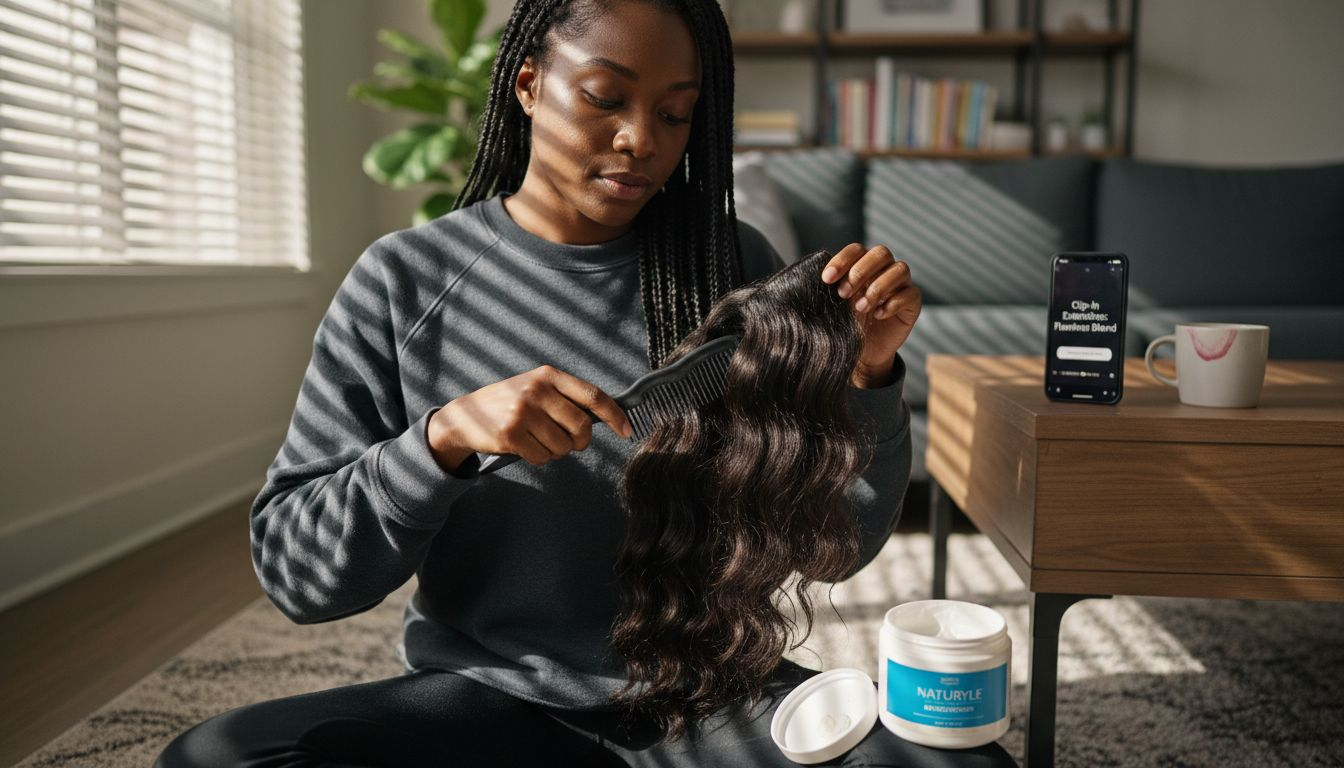
Remove extensions before sleeping every night. Overnight wear causes friction against pillows, leading to severe tangling, matting, and potential hair breakage. Store removed extensions in a breathable fabric bag or on a hanger to maintain their shape and prevent dust accumulation.
Use sulphate-free shampoos and lightweight conditioners specifically formulated for hair extensions. Apply shampoo to scalp and roots only, allowing suds to clean extension lengths as you rinse. Focus conditioner on mid-lengths and ends, avoiding attachment areas where product build-up can weaken hold.
Schedule periodic adjustments every four to six weeks if you notice any loosening or movement. Remove extensions, clean attachment areas thoroughly, and reapply fresh to prevent accumulated tension or scalp irritation. This regular maintenance prevents problems before they cause damage.
Care practices that extend extension lifespan include gentle brushing from ends upwards and avoiding sleeping with extensions, which can prolong clip-in methods to years of use.
Essential maintenance tasks include:
-
Daily gentle brushing to prevent tangles and matting
-
Nightly removal to protect hair during sleep
-
Weekly deep cleaning of extension wefts or wires
-
Monthly inspection of clips or wires for wear or damage
-
Quarterly professional assessment if experiencing issues
Pro Tip: Sleep on a silk or satin pillowcase even when extensions are removed. This reduces friction on natural hair, preventing breakage and maintaining smoothness that helps extensions blend better during application.
Detailed hair extension maintenance guides provide UK-specific care advice, whilst resources on damage-free extension secrets and invisible wire extension benefits explain how proper care protects your investment.
Common mistakes and how to avoid damage
Even damage-free extension methods can harm natural hair when applied or maintained incorrectly. Understanding frequent errors helps you prevent costly damage, hair loss, and disappointing results.
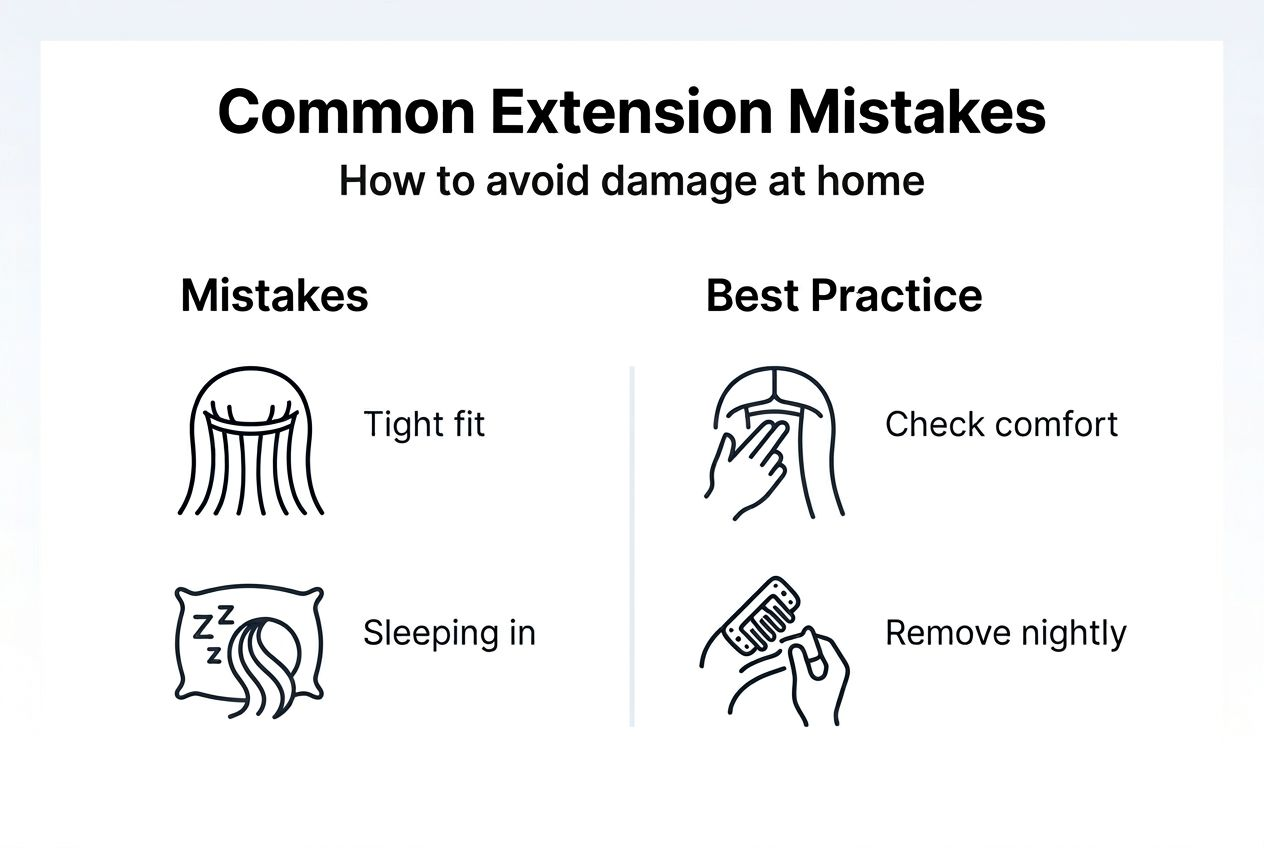
Never pull or yank extensions during removal or styling. Rushing removal or trying to force tangled sections apart creates immediate breakage and can pull out natural hair from the follicle. Always work slowly and gently, using detangling spray if needed.
Sleeping with extensions attached ranks among the most damaging habits. Overnight friction causes severe tangling that requires aggressive brushing to fix, leading to breakage of both natural hair and extension fibres. The resulting mats may require cutting out in extreme cases.
Using low-quality synthetic or non-Remy hair extensions introduces numerous problems. These cheaper options tangle more easily, require excessive brushing that damages natural hair, and often need replacement within weeks rather than months. The initial savings disappear quickly when factoring in replacement costs and potential hair damage repairs.
Attaching extensions too tightly creates constant pulling force on hair follicles, potentially causing traction alopecia over time. This condition permanently damages follicles, preventing future hair growth in affected areas. Extensions should feel secure but never tight or uncomfortable.
Warning: Improper removal of tape-in extensions without correct solvent or excessive pulling leads to significant breakage and loss of strands. Some users report losing 30% or more of hair length when attempting DIY removal without proper products or professional guidance.
Critical mistakes to avoid:
-
Applying extensions to damp or product-laden hair
-
Using heat styling tools directly on attachment points
-
Skipping regular cleaning of extension wefts or wires
-
Ignoring discomfort or tightness sensations
-
Attempting to remove tape-in extensions without professional help
Follow comprehensive dos and don’ts guides to avoid common pitfalls. Understanding UK hair extension industry trends helps you stay current with best practices and emerging damage-prevention techniques.
Expected results and outcomes: what you should expect
Realistic expectations help you evaluate success and satisfaction with damage-free hair extension methods. Understanding typical outcomes prevents disappointment and helps you assess whether your application and care routines are working properly.
You’ll notice instant visible volume and length immediately after application. Quality Remy human hair blends seamlessly with natural texture, creating a cohesive look that moves naturally. Colour-matched extensions become virtually undetectable, even in bright sunlight or when wind blows hair around.
Clip-in extensions typically last six months to several years with proper care, depending on usage frequency and maintenance quality. Daily wearers may need replacement within a year, whilst occasional users can extend lifespan significantly. Invisible wire extensions follow similar timelines but may require wire replacement before hair wefts wear out.
Application and removal take under one hour once you develop proficiency. First-time applications may require 90 minutes as you learn proper techniques and hand positioning. With practice, you’ll complete the entire process in 30 to 45 minutes, making daily use practical even on busy mornings.
User satisfaction surveys show clip-in extensions achieve over 90% satisfaction rates for comfort and appearance whilst preventing damage. Most users report feeling confident wearing extensions in professional settings, social events, and active situations without worry about detection or slippage.
| Feature | Clip-in extensions | Invisible wire extensions |
| Application time | 30 to 60 minutes | 20 to 45 minutes |
| Lifespan with care | 6 months to 3 years | 8 months to 2 years |
| Comfort level | Very comfortable, removable anytime | Extremely comfortable, barely noticeable |
| Learning curve | Moderate, 2 to 3 practice sessions | Gentle, 3 to 4 practice sessions |
| Best for | Thick hair, occasional wear | Fine hair, daily wear |
| Maintenance needs | Moderate, weekly cleaning | Low, bi-weekly cleaning |
Your natural hair should show no signs of damage, thinning, or breakage when using damage-free methods correctly. If you notice increased shedding or weakened hair texture, reassess your application tension and removal techniques immediately.
Explore damage-free hair extension solutions at Naturyl
Ready to transform your hair safely at home? Naturyl Extensions specialises in premium Remy human hair extensions designed for quick, damage-free application and natural-looking results. Our UK customers love the convenience and quality of invisible wire and clip-in options that protect natural hair whilst delivering instant volume and length.
Browse our complete hair extensions collection to find perfect colour matches and styles for your hair type. Looking for invisible wire solutions? Explore our invisible wire extensions and accessories designed for effortless at-home transformations. Every product comes with fast UK delivery and our quality guarantee, so you can shop with confidence.
Frequently asked questions
What are the safest hair extension methods to avoid damage?
Clip-in and invisible wire extensions rank as the safest options because they avoid heat, glue, and permanent attachment that stress natural hair. Both methods allow daily removal, preventing overnight tangling and giving your scalp regular breaks from added weight.
How long do damage-free hair extensions last with proper care?
Clip-in extensions last six months to three years depending on usage frequency and maintenance quality. Invisible wire extensions typically last eight months to two years before requiring replacement, though wires may need changing before hair wefts wear out.
Can I sleep with invisible wire or clip-in extensions?
Never sleep with any extensions attached, as overnight friction causes severe tangling, matting, and potential hair breakage. Always remove extensions before bed and store them properly to maintain their condition and protect your natural hair.
How do I know if extensions are too tight?
Extensions attached too tightly cause discomfort, headaches, or visible tension on your scalp. You should feel secure hold without pulling sensations, and hair should move naturally without restriction. Loosen or reposition any sections that feel uncomfortable immediately.
Do I need professional help to apply damage-free extensions?
Most people successfully apply clip-in and invisible wire extensions at home after watching tutorials and practising on small sections. Consult a professional if you have very fine hair, scalp sensitivity, or previous extension damage requiring assessment before trying new methods.