Over 40 percent of British women have tried hair extensions at least once, redefining what is possible for volume and style. Hair extension methods are not just about length, they unlock new opportunities for self-expression and adaptability in everyday life. By understanding how each technique works, you can confidently choose the best approach for your hair type, lifestyle, and desired look while minimizing the risk of damage.
Key Takeaways
| Point | Details |
|---|---|
| Extension Methods | Different hair extension methods, such as clip-in, tape-in, and micro-ring, cater to various hair types and styling needs, each with unique application and maintenance requirements. |
| Professional Consultation | Always consult a professional stylist to determine the best hair extension method to ensure minimal damage and optimal results for your natural hair. |
| Maintenance Practices | Regular maintenance strategies, including professional check-ups and gentle care routines, are crucial to prevent damage and prolong the life of hair extensions. |
| Selection Criteria | When choosing hair extensions, consider your lifestyle, hair type, and the level of maintenance you are willing to commit to for the best outcome. |

Recommended for this guide
Invisible Wire Extensions
Salon-length hair in under a minute. No clips pulling, no glue, no damage.
100% Remy human hair · 28 shades · from £89 · Rated 4.7 “Excellent” on Trustpilot · Free UK delivery · Free colour exchanges
Shop invisible wire extensions → Free colour match from a photoWhat Are Hair Extension Methods?
Hair extension methods are specialised techniques for attaching additional hair strands to a person’s natural hair, offering transformative volume, length, and styling versatility. Different extension methods provide unique advantages depending on individual hair texture, lifestyle, and aesthetic preferences.
Traditionally, hair extension techniques fall into several primary categories, each with distinct application processes and maintenance requirements. The most common methods include clip-in extensions, tape-in extensions, sew-in or weave extensions, micro-ring or micro-link extensions, and fusion or keratin bond extensions. These techniques vary in complexity, durability, and the level of professional expertise required for application.
The selection of an appropriate hair extension method depends on multiple factors, including hair type, desired look, budget, and long-term hair health. Hair extension techniques range from temporary solutions like clip-ins, which can be easily applied at home, to more permanent methods like fusion extensions that require professional installation and specialised maintenance.
Pro Tip: Hair Extension Selection: Always consult a professional stylist to assess your natural hair’s condition and determine the most suitable extension method that minimises potential damage and maximises aesthetic results.
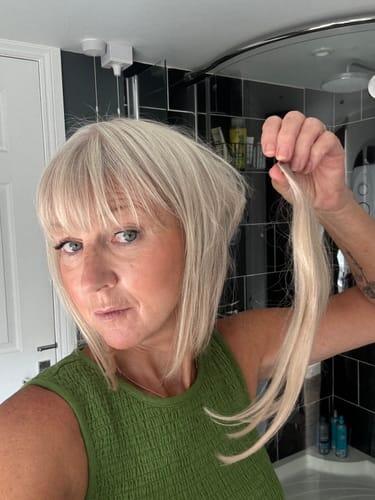
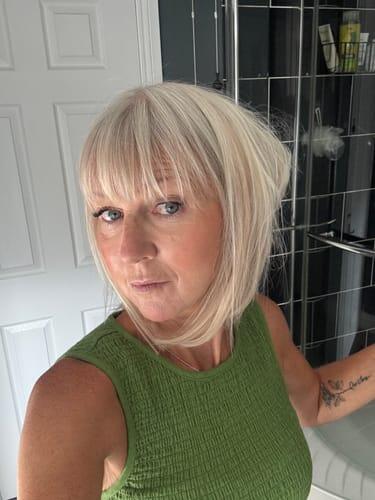
At Naturyl Extensions, our Face Framing Layers / Clip In Extensions / Human Hair / 14 inches / 15 grams offer a versatile and damage-free option for those seeking instant hair transformation without long-term commitment.
Main Types of Hair Extensions Explained
Hair extensions come in a diverse range of application methods, each designed to suit different hair textures, styling needs, and personal preferences. Hair extension techniques vary significantly in their complexity, durability, and maintenance requirements.
The primary types of hair extensions include clip-in extensions, tape-in extensions, sew-in or weave extensions, micro-ring extensions, and fusion or keratin bond extensions. Clip-in extensions offer the most flexibility, allowing quick and temporary transformations without professional assistance. Tape-in extensions provide a semi-permanent solution, with thin wefts of hair attached using medical-grade adhesive tape, creating a seamless and natural appearance.
More advanced methods like micro-ring and fusion extensions offer longer-lasting results. Micro-ring extensions involve attaching small sections of hair using tiny metal rings, while fusion extensions use keratin bonds to attach individual hair strands directly to the natural hair. These methods require professional application and are typically more time-consuming but can provide incredibly natural-looking results with minimal visible attachment points.

At Naturyl Extensions, our 7 Top Examples of Natural Hair Extensions showcase the versatility and transformative potential of different extension techniques.
Pro Tip: Extension Method Selection: Consider your lifestyle, hair type, and maintenance commitment when choosing an extension method, and always consult a professional stylist to ensure the best possible outcome and minimal damage to your natural hair.
Here is a concise comparison of the main hair extension methods discussed:
| Extension Method | Application Time | Longevity | Suitability |
|---|---|---|---|
| Clip-in | Under 15 minutes | Temporary, daily wear | Great for first-timers or those seeking fast changes |
| Tape-in | 30-60 minutes | 4-8 weeks | Suitable for fine to medium hair; seamless blends |
| Sew-in (Weave) | 1-2 hours | 6-8 weeks | Ideal for thick, coarse hair; robust attachment |
| Micro-ring | 2-3 hours | 2-4 months | Works with most hair types; no glue or heat |
| Fusion (Keratin Bond) | 3-4 hours | 3-4 months | Best for durable, natural look; requires expertise |
Invisible Wire and Clip-In Extensions Benefits
Invisible wire and clip-in hair extensions represent some of the most innovative and user-friendly hair transformation solutions available in the contemporary beauty market. Clip-in extensions offer remarkable versatility for individuals seeking quick and temporary hair styling options without long-term commitment.
Invisible wire extensions provide an exceptionally lightweight and seamless hair enhancement method. These extensions are designed with an almost transparent wire that sits perfectly against the scalp, creating a natural-looking appearance that blends effortlessly with existing hair. The key advantage is their minimal damage potential, as they do not require adhesives, heat, or permanent attachment techniques that could compromise hair health.
Clip-in extensions, by contrast, offer unparalleled flexibility for styling. These extensions can be easily applied and removed within minutes, allowing users to experiment with different lengths, volumes, and styles without professional intervention. At Naturyl Extensions, our Invisible Wire Extensions: Effortless Volume Without Damage showcase how modern extension techniques can provide dramatic transformations with minimal effort.
Pro Tip: Extension Application Technique: Always section your hair carefully and clip extensions close to the roots for a secure, natural-looking finish that prevents slipping and maintains a seamless blend with your natural hair.
Bonded, Tape-In and Sew-In Techniques Compared
Hair extension techniques offer diverse methods for achieving volume and length, with bonded, tape-in, and sew-in approaches presenting unique characteristics for different hair needs. Comparing sew-in and tape-in extension techniques reveals significant differences in application, durability, and hair health implications.
Tape-in extensions represent a semi-permanent solution involving thin hair wefts attached using medical-grade adhesive strips. These extensions lie flat against the scalp, creating a natural, seamless appearance and allowing for relatively easy maintenance. They typically last between four to eight weeks and work exceptionally well for individuals with fine to medium hair density, offering a lightweight and comfortable wearing experience.

Sew-in extensions, alternatively known as weave techniques, involve braiding the natural hair and securing extension wefts using thread. This method provides exceptional durability and is particularly suitable for individuals with thicker, coarser hair textures. At Naturyl Extensions, our Expert Guide to Natural-Looking Hair Extensions UK explores how different techniques can transform your hair’s appearance with minimal damage.
Pro Tip: Extension Maintenance Strategy: Always schedule professional removal and reinstallation of semi-permanent extensions to prevent potential hair damage and ensure the healthiest possible application technique.
Risks, Maintenance and Damage Prevention Tips
Hair extension maintenance requires strategic approaches to prevent potential damage and preserve both the extensions and natural hair. Hair extension maintenance techniques highlight critical considerations for minimising potential risks during and after extension application.
Different extension methods present unique challenges in terms of potential hair damage. Permanent techniques like fusion and sew-in extensions can create tension on natural hair roots, potentially leading to breakage if not applied or maintained professionally. Tape-in and micro-ring extensions require careful installation to prevent pulling or weakening the hair follicles, with regular repositioning recommended to distribute weight and reduce stress on individual hair strands.
At Naturyl Extensions, we recommend specific care strategies to mitigate risks. Hair extension maintenance advice emphasises using specialised hair products designed for extensions, minimising heat styling, and scheduling regular professional check-ups. Key prevention techniques include gentle brushing with soft-bristled brushes, avoiding vigorous towel drying, and protecting extensions during sleep by using silk pillowcases or loose braids.
Pro Tip: Extension Care Protocol: Invest in professional-grade extension-specific shampoo and conditioner, and always have extensions repositioned or removed by a qualified hair extension specialist to prevent potential long-term hair damage.
Below is a summary of essential hair extension care strategies for maintaining healthy results:
| Care Tip | Purpose | Frequency |
|---|---|---|
| Use extension shampoo | Prevents residue build-up | Every wash |
| Gentle brushing | Reduces tangling and breakage | Daily |
| Limit heat styling | Preserves extension quality | As needed |
| Professional check-ups | Ensures safe removal and fit | Every 4-8 weeks |
| Silk pillowcase | Minimises friction/damage | Every night |
Discover Effortless Hair Transformation with Naturyl Extensions
Struggling to find the perfect hair extension method that suits your lifestyle and hair type can feel overwhelming. With so many techniques like tape-in, sew-in, or invisible wire mentioned in the article, you need solutions that offer ease of use, minimal damage, and a natural finish. At Naturyl Extensions, we understand these challenges and specialise in premium, ethically sourced Remy human hair extensions designed for quick and damage-free styling. Whether you prefer invisible wire extensions or want to enhance your look with flattering face-framing layers, our collection is tailored to bring effortless volume and length without the time-consuming salon visits.

Transform your hair today with confidence and comfort. Explore our Hair Extension Accessories for seamless application and maintenance. Give yourself the gift of gorgeous hair with our Gift Card options for loved ones or treat yourself directly through our main site. Experience fast UK delivery and free exchanges for a worry-free hair journey. Your next stunning look is just a click away.
Frequently Asked Questions
What are the main types of hair extension methods?
The main types of hair extension methods include clip-in extensions, tape-in extensions, sew-in (weave) extensions, micro-ring (or micro-link) extensions, and fusion (keratin bond) extensions. Each method varies in terms of application time, longevity, and suitability for different hair types.
How do clip-in extensions differ from tape-in extensions?
Clip-in extensions are temporary and can be applied and removed within minutes, making them very flexible for users looking for immediate transformations. Tape-in extensions, on the other hand, offer a semi-permanent solution that lasts 4-8 weeks and require professional application for a seamless finish, adhering to the scalp with medical-grade adhesive tape.
What maintenance is required for sew-in extensions compared to other methods?
Sew-in extensions, or weave techniques, require regular maintenance such as tightening to prevent slippage and removal by a professional stylist every 6-8 weeks. In contrast, tape-in extensions need repositioning every 4-8 weeks to ensure they remain secure and to minimise tension on natural hair.
Are there risks associated with using hair extensions?
Yes, certain hair extension methods like fusion and sew-in extensions can cause tension on natural hair roots, potentially leading to breakage if not applied correctly. It’s important to follow maintenance tips, like using extension-specific products and scheduling professional check-ups, to reduce the risk of damage.
Ready to try it?
Invisible Wire Extensions
Salon-length hair in under a minute. No clips pulling, no glue, no damage.
100% Remy human hair · 28 shades · from £89 · Rated 4.7 “Excellent” on Trustpilot · Free UK delivery · Free colour exchanges
Shop invisible wire extensions → Free colour match from a photo