For women in the United Kingdom who crave effortless style changes without the hassle or risk of damage, choosing the right hair extensions can feel confusing. The UK hair extension industry stands out for its vibrant mix of specialist salons, independent stylists, and innovative online retailers, all aiming to deliver quick solutions tailored to modern beauty routines. Explore how this diverse sector caters to fast-paced fashion trends, highlights damage-free transformation options, and adapts to the latest consumer preferences for ethical beauty.
Table of Contents
- Defining the UK Hair Extension Industry
- Types and Methods Used in Britain
- Ethically Sourced Human Hair Standards
- Industry Growth Drivers and Market Trends
- Risks and Common Misconceptions Faced
Key Takeaways
| Point | Details |
|---|---|
| Industry Growth | The UK hair extension market is projected to reach over USD 718 Million by 2028, driven by consumer demand and shifting preferences towards hair enhancements. |
| Ethical Sourcing | There is a growing consumer focus on ethically sourced hair, with clear standards ensuring fair compensation and responsible practices in the industry. |
| Diverse Application Methods | Various extension methods, including clip-in, tape-in, and invisible wire, cater to different preferences and lifestyles, promoting accessibility and convenience. |
| Consumer Awareness | Educated consumers can distinguish between quality products and misinformation, highlighting the importance of research when selecting hair extensions. |
Defining the UK Hair Extension Industry
The UK hair extension industry forms a vibrant segment of the broader hair and beauty sector, representing a dynamic market that has grown substantially over the past decade. This sector encompasses specialist salons, independent stylists, online retailers, and professionals offering extensions as part of broader beauty services.
Understanding what constitutes the UK hair extension industry requires looking at both its structure and scope. The sector includes businesses ranging from micro-enterprises operated by individual stylists to larger salon chains, with many professionals working as self-employed operators or managing small, owner-run businesses.
Market Structure and Scale
The UK hair, beauty, and barbering industry generates significant economic value. Industry revenues reached approximately £5.8 billion in 2025, with hair extensions contributing a meaningful portion of this figure. The sector demonstrates remarkable resilience despite ongoing economic challenges.
Hair extensions sit within this larger ecosystem as a specialised service. The NHBF provides comprehensive research detailing market trends, consumer behaviour, and business conditions affecting extension professionals across the UK.
Key characteristics of the UK hair extension industry include:
- Highly fragmented structure with many small, independent operators
- Mix of salon-based and mobile professionals offering extension services
- Growing direct-to-consumer online retail for extension products
- Increasing demand for premium, damage-free solutions like invisible wire extensions and face-framing options
- Emphasis on ethically sourced, high-quality human hair products
Types of Operators
The industry comprises diverse business models. Some professionals specialise exclusively in extensions, while others incorporate them as part of comprehensive hair services. Larger retailers and online platforms have emerged to serve consumers seeking convenient access to quality products.
At Naturyl Extensions, we focus on providing premium human hair extension products designed for quick, damage-free transformations. Our range includes invisible wire extensions, ponytail extensions, and face-framing layers—all crafted to deliver natural results without compromising hair health.
Consumer-Driven Growth
The expansion of the UK hair extension industry reflects shifting consumer preferences. Today’s consumers seek solutions that offer quality, convenience, and professional results without lengthy salon appointments. This demand has driven innovation in product types and application methods.
The UK hair extension market has evolved from a niche luxury service into an accessible, mainstream beauty solution, driven by consumers aged 18-35 seeking quick, transformative hair changes.
Fashion-conscious women across the UK now view extensions as an everyday tool for self-expression and style flexibility, rather than purely special-occasion treatments. This mentality shift has fundamentally shaped industry trends and product development.
Pro tip: When exploring UK hair extension options, look for retailers offering transparent product sourcing, clear application guidance, and customer support—these indicators reflect reputable operators genuinely invested in quality rather than quick sales.
Types and Methods Used in Britain
British hair extension professionals work with several distinct application methods, each offering unique advantages depending on lifestyle, hair type, and desired results. Understanding these options helps you choose the right solution for your needs.
Popular Extension Types
The UK market features diverse extension technologies. Clip-in, tape-in, and micro ring extensions represent the most commonly used methods, each with different application processes and maintenance requirements.
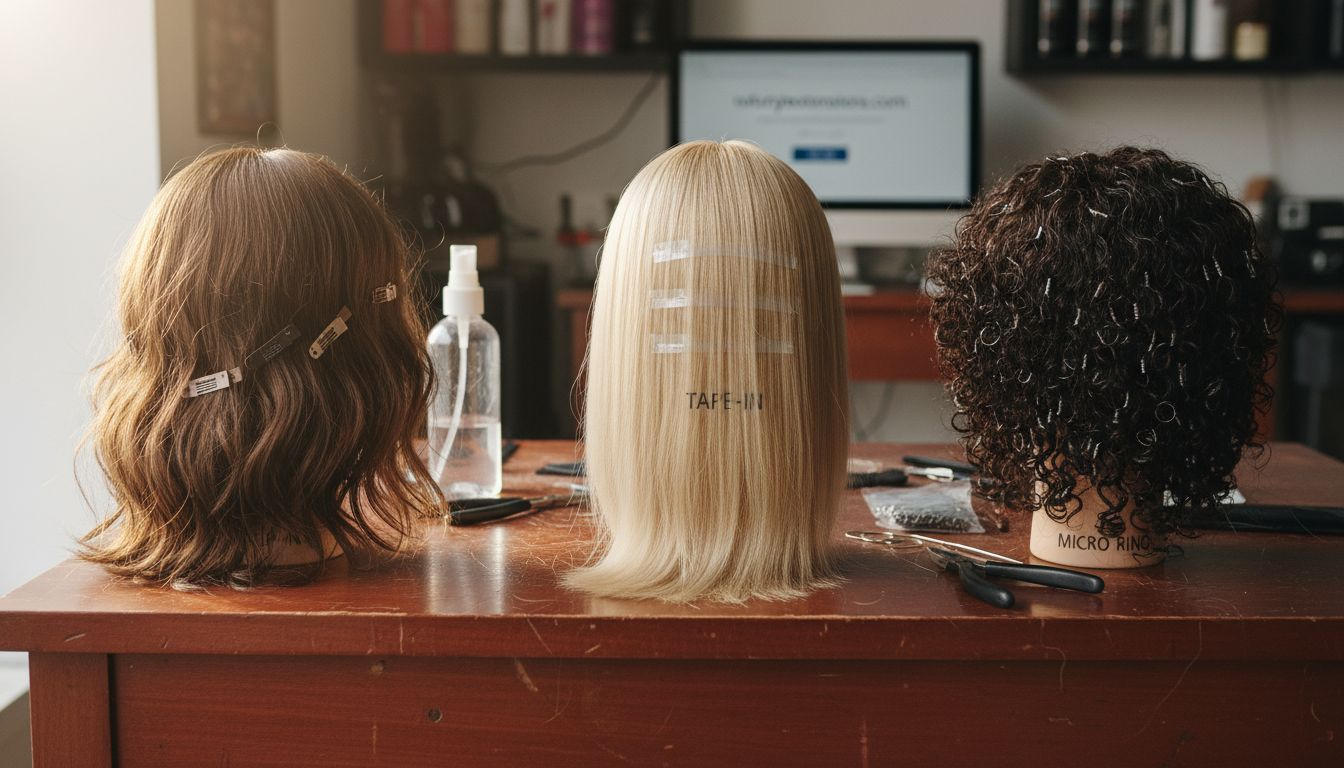
Clip-in extensions provide the most flexibility and accessibility. These temporary solutions attach using small clips woven into your natural hair, requiring no heat, glue, or professional installation. You can apply and remove them yourself in minutes, making them ideal for occasional wear or testing different styles before committing to a permanent method.
Benefits of clip-in extensions include:
- Zero damage to natural hair
- Affordable entry point into extensions
- Easy daily application and removal
- Perfect for special occasions or travel
- No maintenance appointments needed
Semi-Permanent Solutions
Tape-in extensions use adhesive tabs to bond sections to your hair. These sit closer to your scalp and create a seamless appearance suitable for everyday wear. However, they require professional application and maintenance appointments every 6-8 weeks.
Tape-in extensions work particularly well for those with fine or thin hair. The lightweight application distributes weight evenly without creating excessive tension on delicate strands.
Micro ring extensions employ small metal rings to secure extensions without heat or adhesive. This method offers versatility in styling and is often preferred for long-term wear. The rings grip both your natural hair and the extension, creating a secure hold that lasts 8-12 weeks between maintenance.
Invisible Wire Extensions
At Naturyl Extensions, we specialise in invisible wire extensions, a revolutionary method gaining popularity across Britain. This application uses a thin wire threaded through your natural hair with the extensions attached along the wire.
Key advantages include:
Here is a summary of the most popular hair extension methods used in Britain:
| Method | Typical Wear Duration | DIY Friendly | Suitability |
|---|---|---|---|
| Clip-in Extensions | 1 day (reusable) | Yes | Occasional or new users |
| Tape-in Extensions | 6-8 weeks per fitting | No (professional) | Fine/thin and medium hair |
| Micro Ring Extensions | 8-12 weeks | No (professional) | Long-wear and active users |
| Invisible Wire | 1 day (reusable) | Yes | All hair types |
- Completely reversible with zero damage
- Comfortable and lightweight wear
- Faster application than traditional methods
- Suitable for all hair types
- Professional results without lengthy salon time
Invisible wire extensions represent the future of damage-free hair enhancement, offering salon-quality results with DIY convenience.
Our Face Framing Layers clip-in extensions provide another popular option for creating dimension and texture without full-head coverage. These work beautifully for adding subtle volume around the face or testing new styles risk-free.
Pro tip: If you’re new to extensions, start with clip-in options to understand what length, colour, and volume suit you best before investing in semi-permanent methods.
Ethically Sourced Human Hair Standards
Ethically sourced human hair has become a defining standard in the UK hair extension industry, reflecting consumer demand for responsible practices and transparent sourcing. Understanding these standards helps you make informed choices about the products you wear.
Industry Standards and Regulation
The UK hair and beauty sector operates under clear ethical guidelines. Habia’s national occupational standards establish comprehensive guidelines for ethical hair sourcing, focusing on consumer safety and industry compliance with inclusive practices.
These standards ensure that human hair extensions meet strict ethical criteria from sourcing through to consumer delivery. Compliance demonstrates a commitment to responsible business practices and consumer protection.
What Makes Hair Ethically Sourced?
Ethical sourcing means hair is obtained with informed consent and fair compensation for donors. This contrasts sharply with exploitative practices where donors receive minimal payment or lack full understanding of how their hair will be used.
Key markers of ethically sourced hair include:
Below is a comparison of ethical and non-ethical hair sourcing in the UK extension industry:
| Aspect | Ethically Sourced Hair | Non-Ethical Sourcing |
|---|---|---|
| Donor Compensation | Fair payment and informed consent | Minimal or no payment |
| Supply Chain | Transparent and traceable | Opaque, difficult to verify |
| Product Quality | Remy, cuticles aligned | Mixed quality, often synthetic |
| Consumer Trust | High, with documentation | Low, lack of guarantees |
- Clear documentation of hair origin and donor consent
- Fair payment to hair donors and suppliers
- Transparent supply chain practices
- Compliance with UK and international labour standards
- Remy hair classification (cuticles intact and aligned)
- Quality assurance throughout processing
Remy Hair Standards
Remy hair represents the gold standard for quality extensions. This classification means all hair cuticles run in the same direction, preventing tangling and matting. Remy hair maintains natural texture and longevity, often lasting 1-2 years with proper care.
At Naturyl Extensions, we specialise in premium Remy human hair extensions sourced ethically and processed to the highest standards. Our ethical hair sourcing practices ensure every product meets rigorous quality benchmarks.
Transparency and Consumer Trust
Reputable UK extension retailers provide transparency about their sourcing practices. You should be able to access information about where hair originates, how it’s processed, and what quality standards apply.
Brands committed to ethical practices often share:
- Supplier information and locations
- Processing methods and quality controls
- Fair trade or ethical certifications
- Customer testimonials and product guarantees
- Clear return and exchange policies
Ethically sourced extensions reflect both personal values and practical quality—hair obtained responsibly typically performs better and lasts longer.
Why Standards Matter
Industry standards protect both consumers and hair donors. They prevent exploitation, ensure product quality, and maintain professional credibility across the sector. When you purchase from brands adhering to established standards, you support ethical practices and receive superior products.
Naturyl Extensions’ commitment to ethical sourcing means our invisible wire extensions, ponytail extensions, and face-framing layers all meet the highest standards of quality and responsibility.
Pro tip: Ask retailers directly about their sourcing practices and certifications—reputable brands welcome transparency questions and provide detailed answers about their ethical standards.
Industry Growth Drivers and Market Trends
The UK hair extension market is experiencing robust growth, driven by shifting consumer preferences, technological innovation, and cultural acceptance of hair enhancements. Understanding these trends reveals why extensions have become mainstream beauty solutions across Britain.
Market Size and Projections
The UK hair extension market is expanding significantly. The market is projected to reach over USD 718 Million by 2028, reflecting substantial year-on-year growth from current levels. This trajectory demonstrates strong consumer demand and market confidence.
Growth isn’t accidental—it’s driven by fundamental shifts in how British women approach hair styling and self-expression.
Key Growth Drivers
Social media and celebrity influence act as powerful trend accelerators. Instagram, TikTok, and YouTube showcase extension transformations reaching millions of viewers daily. When celebrities and influencers feature extensions, demand spikes across demographics.
Main factors fuelling market expansion include:
- Increased acceptance of hair enhancements across diverse age groups
- Celebrity endorsements and social media visibility
- Improved product realism and durability
- Competitive UK pricing compared to other markets
- Greater inclusivity for various hair types and textures
- Ethical sourcing awareness and consumer consciousness
Technology and Innovation
Technological advancements have improved product quality and installation methods significantly. Modern extensions feel more natural, last longer, and cause less damage than earlier generations.
Innovations driving market growth include:
- Lighter, more comfortable application methods
- Advanced bonding techniques requiring less heat
- Improved cuticle preservation in human hair
- Reversible systems like invisible wire extensions
- Faster, salon-quality application at home
Ethical Sourcing and Sustainability
Consumer values have shifted dramatically towards ethical practices. Modern buyers actively seek transparency about sourcing, fair labour standards, and environmental responsibility. This consciousness expands the market beyond purely aesthetic considerations.
At Naturyl Extensions, our commitment to ethically sourced Remy human hair aligns with this growing trend. Our invisible wire extensions and face-framing layers meet high ethical standards whilst delivering exceptional results.
The intersection of technology, ethics, and accessibility has transformed extensions from luxury indulgences into accessible, responsible beauty solutions.
Diversity and Inclusivity
The market now serves diverse hair types, textures, and aesthetic preferences. Extensions cater to natural curls, straight hair, fine strands, and thick hair—recognising that beauty enhancement means different things to different people.
This inclusivity drives demand across demographic groups previously underserved by mainstream extension offerings.
Pro tip: Track emerging trends through beauty influencers and industry publications, but prioritise quality and ethical standards over fleeting fashion fads when selecting your extension type.
Risks and Common Misconceptions Faced
The UK hair extension industry faces real challenges that affect both professionals and consumers. Understanding these risks and dispelling myths helps you make informed decisions and avoid costly mistakes.
Industry Economic Pressures
The UK hair and beauty sector experiences significant strain from rising operational costs. Economic pressures including rising costs, tax burdens, and regulatory challenges threaten business viability, particularly affecting smaller salons and independent stylists.
These pressures create risks including increased unregulated operations, loss of skilled professionals, and potential decline in service quality. When legitimate businesses struggle, consumers face greater risk of encountering unqualified practitioners.
Common Misconceptions About Extensions
Myth: All extensions damage natural hair. Reality varies dramatically depending on application method, quality, and care. Clip-in and invisible wire extensions cause minimal damage when used correctly, whilst poor application of semi-permanent methods can compromise hair health.
Other widespread myths include:
- Extensions make hair fall out permanently (false with proper application)
- All extensions feel fake (premium human hair looks completely natural)
- Extensions require constant salon visits (some methods are DIY-friendly)
- Extensions are only for special occasions (modern options work daily)
- Cheaper extensions perform just as well (quality directly affects longevity)
- Extensions suit only certain hair types (options exist for all textures)
Quality and Safety Risks
Poor-quality extensions deteriorate quickly, tangle easily, and may contain undisclosed synthetic fibres. Unregulated suppliers sometimes misrepresent product composition, causing disappointment and wasted money.
Risks from low-quality products include:
- Premature matting and tangling
- Inadequate colour matching
- Synthetic fibres marketed as human hair
- Inconsistent length and texture
- Short lifespan despite high cost
Application Risks
Incorrect application causes real damage. Heat-based bonding applied too close to the scalp can burn sensitive skin. Micro rings placed improperly create tension points that snap natural hair. Tape-in extensions applied without proper training slip and damage hair.
At Naturyl Extensions, our invisible wire extensions and clip-in solutions eliminate these application risks entirely. Both methods are reversible and require no heat or glue, protecting your natural hair.
The biggest risk isn’t extensions themselves, but choosing unqualified providers or low-quality products without doing proper research.
Misconceptions About Cost
Consumers often assume expensive extensions automatically mean better quality. Conversely, budget options sometimes surprise with decent performance. Reality depends entirely on specific brand practices, sourcing standards, and product transparency.
Reputable retailers provide clear information about fibre type, sourcing, and expected lifespan. Premium pricing should reflect ethical sourcing and quality assurance, not merely brand recognition.
Pro tip: Request documentation about hair sourcing, fibre type, and expected longevity before purchasing—reputable brands openly share this information, whilst questionable sellers remain vague.
Embrace the Future of Hair Extensions with Confidence
Navigating the evolving UK hair extension market means choosing solutions that combine quality, ethical sourcing, and effortless application. If you want to enjoy damage-free, natural-looking hair transformations without lengthy salon visits, exploring our 14 Inch Hair Extensions or Clip-In Human Hair Ponytail Extensions is the perfect place to start. Our products are crafted with premium Remy human hair, designed for comfort and ease of use, reflecting the growing consumer demand for transparency and sustainability.
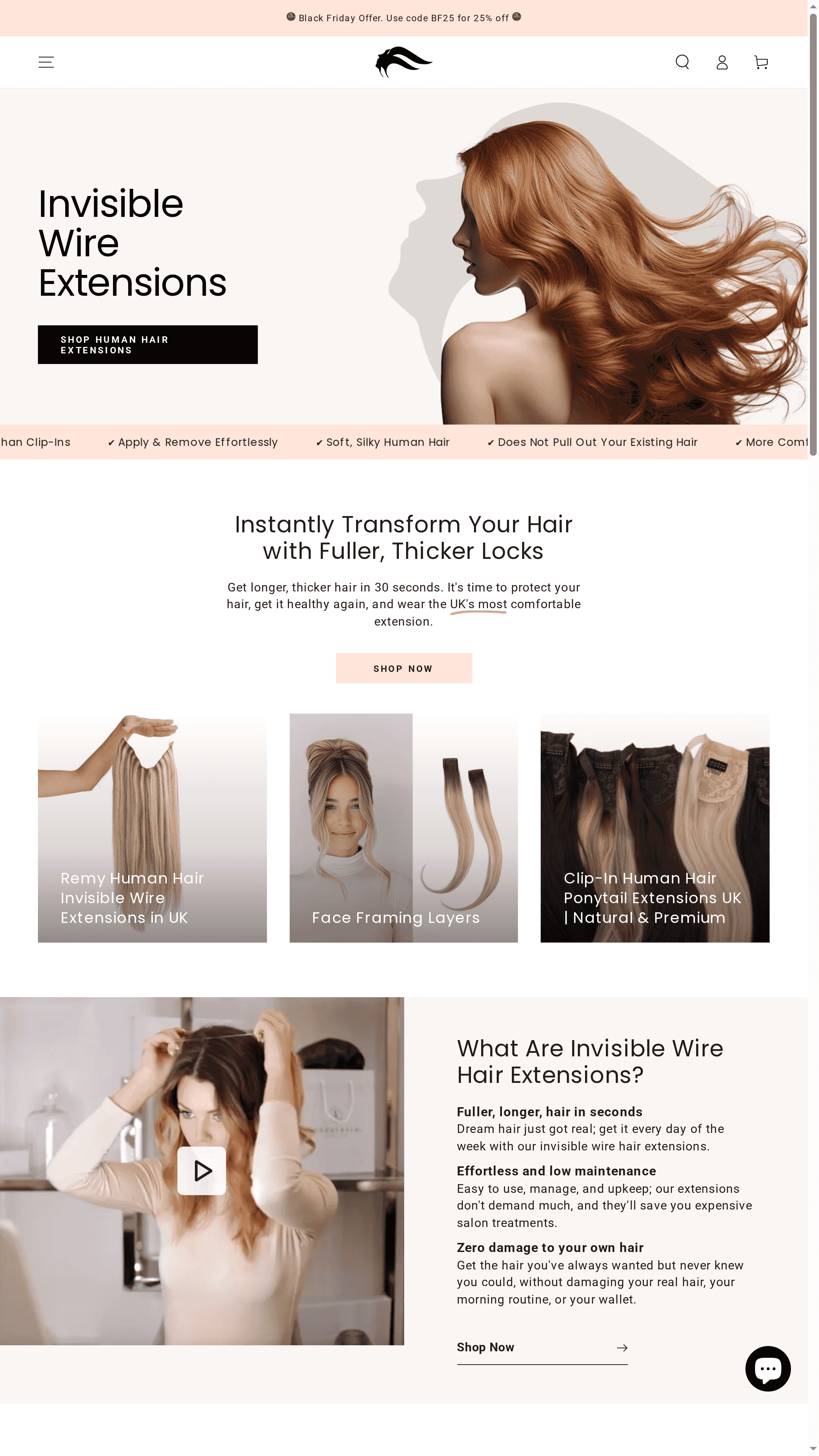
Take control of your hair journey today with Naturyl Extensions. Visit https://naturylextensions.com to discover fast UK delivery, free exchanges, and hair enhancements that align with the latest industry trends and ethical standards. Make your hair goals a reality with products trusted by thousands seeking quick, natural, and responsible hair extension options.
Frequently Asked Questions
What are the different types of hair extensions available?
The UK market features several types of hair extensions, including clip-in, tape-in, micro ring, and invisible wire extensions, each with unique application methods and maintenance needs.
How do clip-in extensions differ from tape-in extensions?
Clip-in extensions are temporary and can be applied and removed easily without professional help, causing minimal to no damage. In contrast, tape-in extensions require professional application and can last 6-8 weeks, offering a more seamless appearance.
What are invisible wire extensions and their advantages?
Invisible wire extensions are a revolutionary method that uses a thin wire attached to the natural hair, providing a comfortable, damage-free solution with salon-quality results that are easily reversible and suitable for all hair types.
What is ethically sourced hair and why is it important?
Ethically sourced hair is obtained with informed consent from donors and fair compensation, ensuring transparency throughout the supply chain. It is crucial for maintaining quality standards and consumer trust in the hair extension industry.