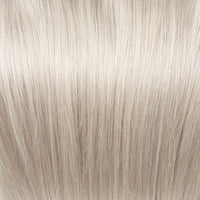
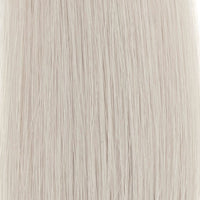
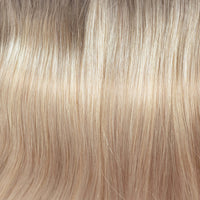
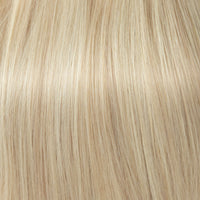
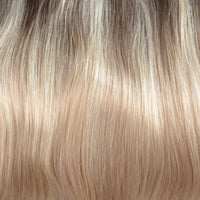
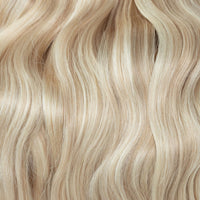
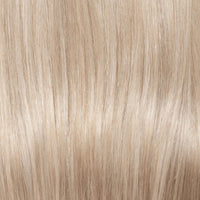
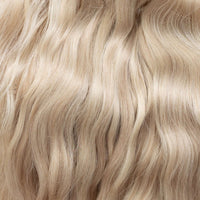
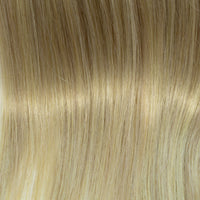
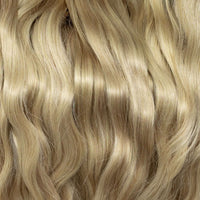
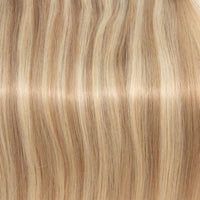
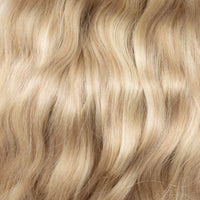
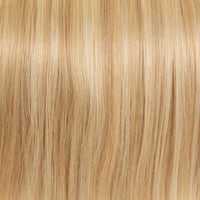
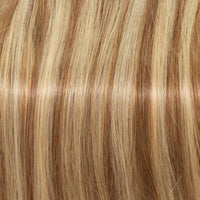
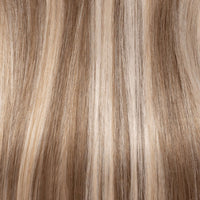
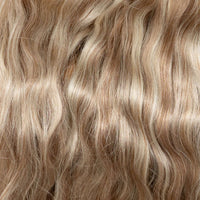
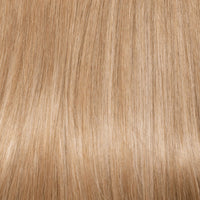
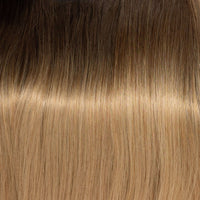
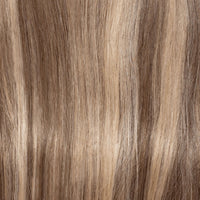
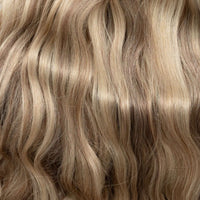
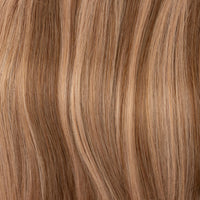
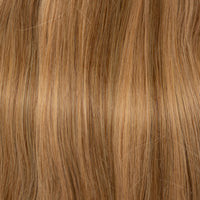
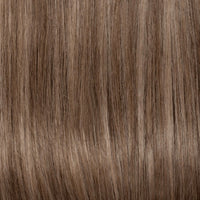
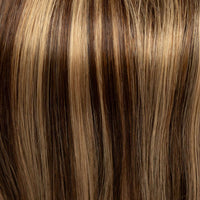
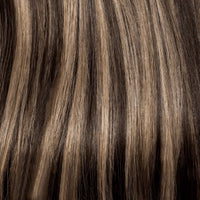
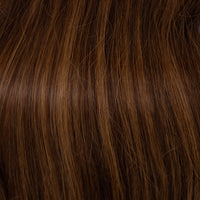
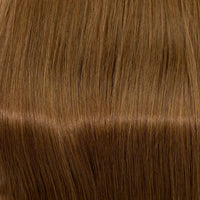
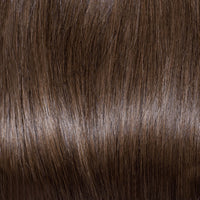
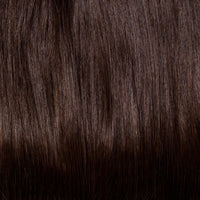
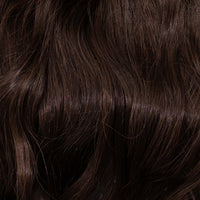
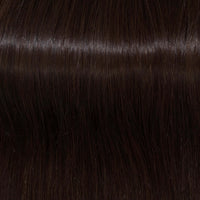
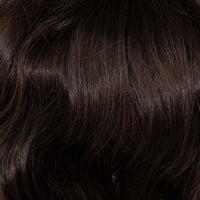
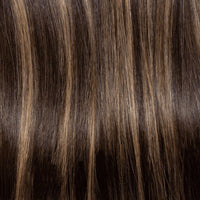
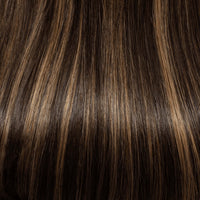
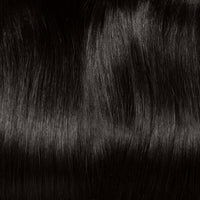
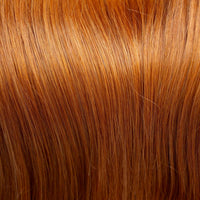
Bride selecting hair extension swatches at vanity

Wedding hair extensions guide for brides in 2026


TL;DR:

  • Wedding hair extensions, made from real or synthetic hair, enhance volume, length, or colour for brides’ natural styles. Carefully matching colour, selecting the suitable type, and consulting professionals ensure a flawless, natural-looking bridal hairstyle. Proper application, maintenance, and removal practices preserve hair health and achieve a stunning, lasting bridal look.

Wedding hair extensions are defined as supplementary hairpieces, made from real or synthetic hair, that add length, volume, or colour to a bride’s natural hair without chemical processing. This guide covers everything you need to know: which extension types suit different hair textures, how to match colour precisely, how to apply and style them for the big day, and how to keep them looking flawless. Whether you are planning a loose romantic updo, a sleek chignon, or cascading curls, the right extensions make the difference between a good hairstyle and a truly unforgettable one. Naturylextensions has put together this complete resource so you can make confident, informed decisions from your first consultation to the final pin.

What types of hair extensions are suitable for wedding hairstyles?

Wedding hair extensions offer volume, colour options, and styling versatility without chemical processing on your natural hair. That single benefit makes them the most popular bridal hair enhancement method in the UK. Understanding the five main types helps you choose the one that fits your hair, your timeline, and your wedding day look.

Extension type Application method Wear duration Best for
Clip-in Pressure clips, no adhesive 1 day (removable) DIY brides, one-day wear
Invisible wire (halo) Thin wire sits on crown 1 day (removable) Quick application, comfort
Tape-in Adhesive tape wefts 6 to 8 weeks Brides wanting pre-wedding wear
Keratin bond (K-tip) Keratin adhesive, heat-fused 3 to 6 months Long-term volume and length
Sew-in (weave) Thread sewn to braided base 6 to 8 weeks Thick or coarse hair types

Clip-in extensions are the most accessible option for brides. You apply them yourself on the morning of the wedding, and they come out at the end of the night with no residue. They work well for adding volume to fine hair or length for an updo that needs extra body.

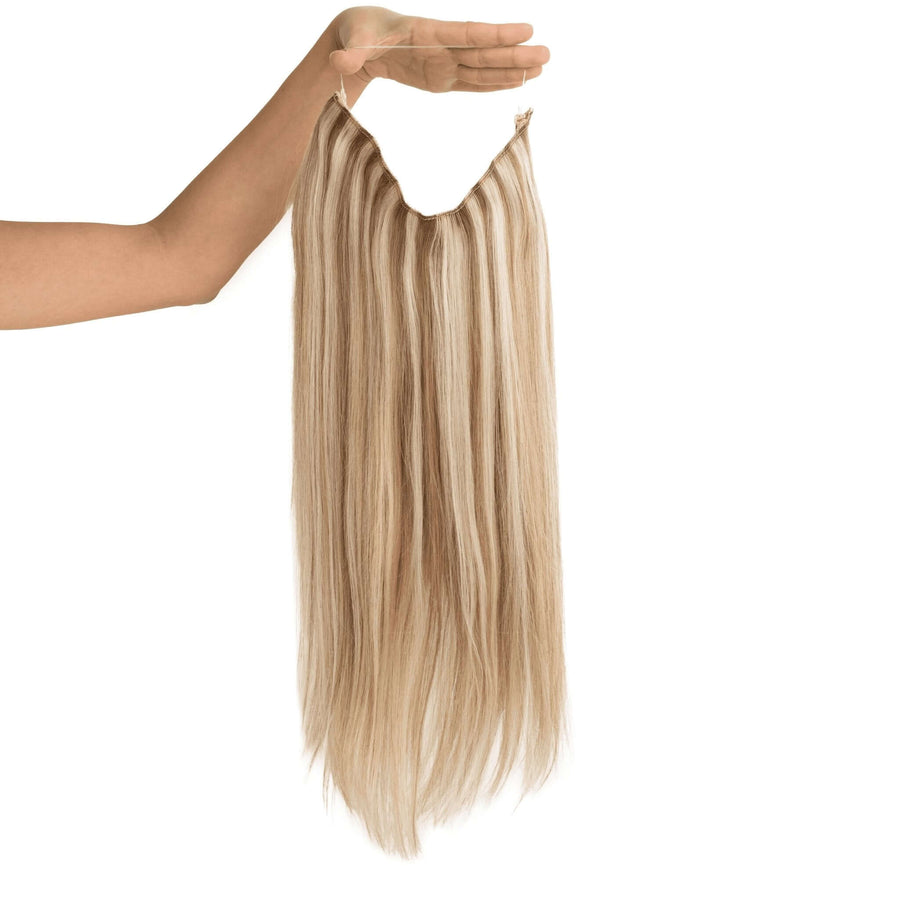
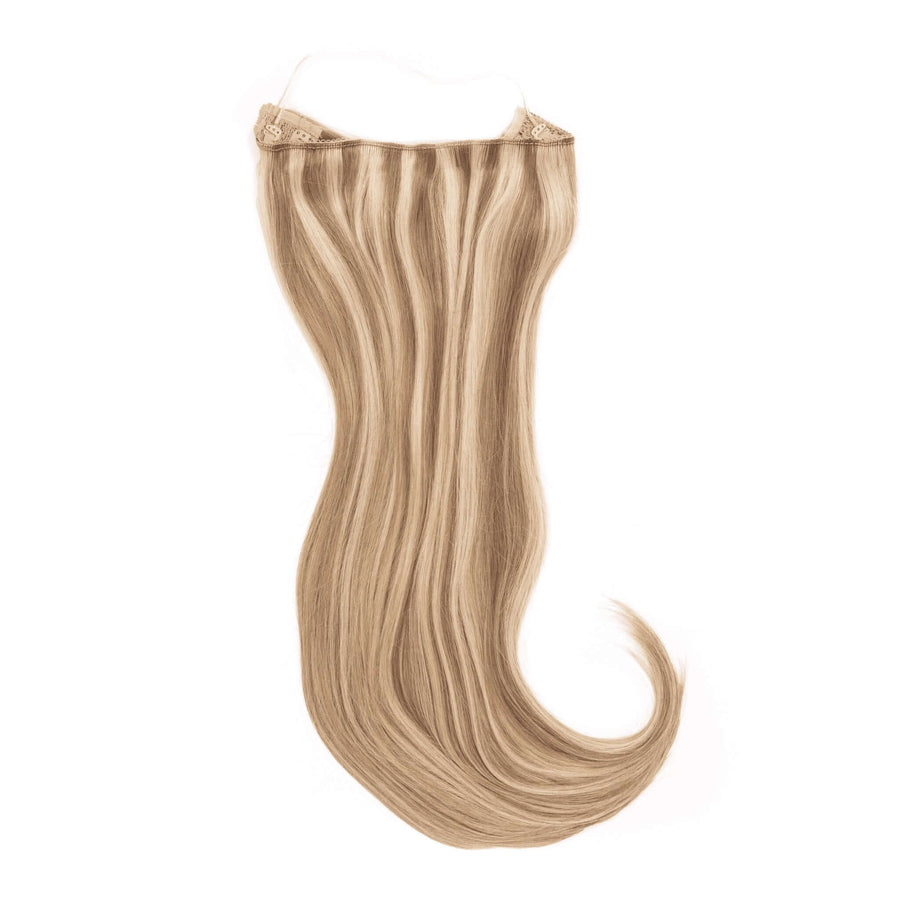
Invisible wire extensions, sometimes called halo extensions, sit on a thin, transparent wire that rests on the crown of your head. Your natural hair covers the wire completely. They are particularly popular for brides who want a damage-free, quick-fit solution, and Naturylextensions specialises in this format using ethically sourced Remy human hair.

Tape-in extensions can be applied around two weeks before the wedding and last six to eight weeks with proper care. This timing means they are fully settled and natural-looking by your wedding day, which is a real advantage for brides who want a seamless result in photos.

Keratin bond extensions, also called K-tip or fusion extensions, are individually bonded strands fused to your natural hair using a keratin-based adhesive. They offer the most natural movement and are ideal for brides who want extensions for the honeymoon period as well. Sew-in extensions suit thicker or coarser hair types and require a professional stylist for both application and removal.

Infographic with steps for wedding hair extensions

How to choose the right wedding hair extensions for your hair and style

Choosing the right extensions comes down to four factors: colour match, texture, length, and professional guidance. Getting even one of these wrong will show in photographs, and wedding photographs last a lifetime.

Matching colour and undertones

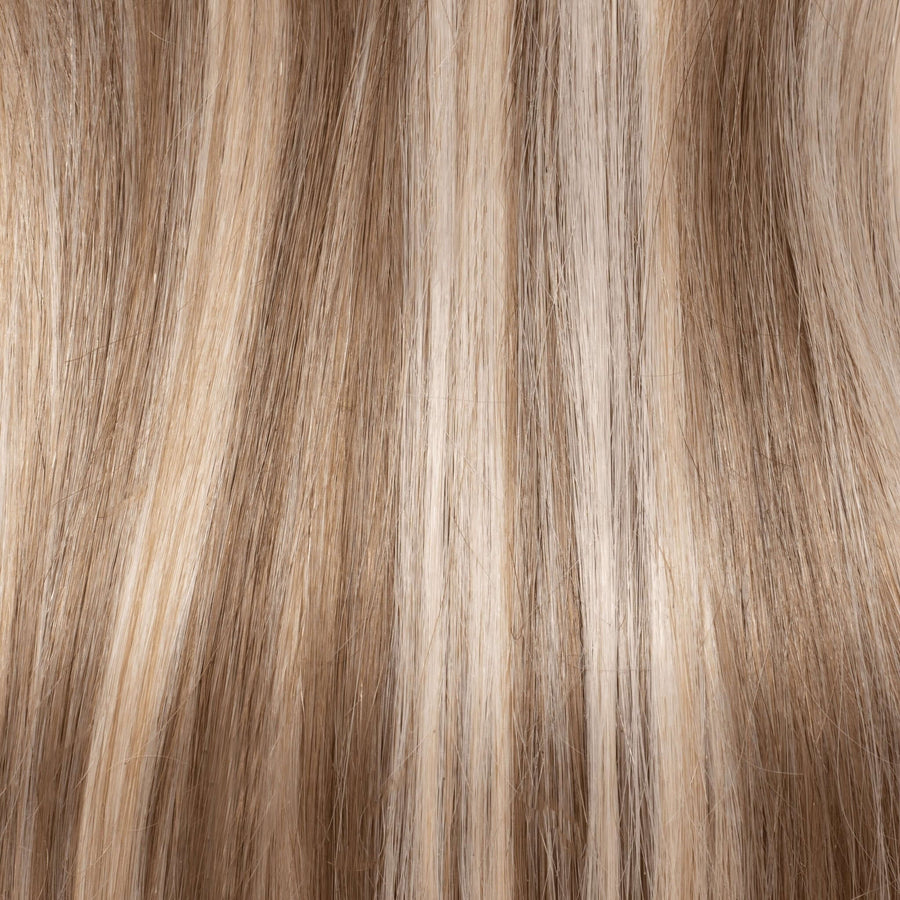
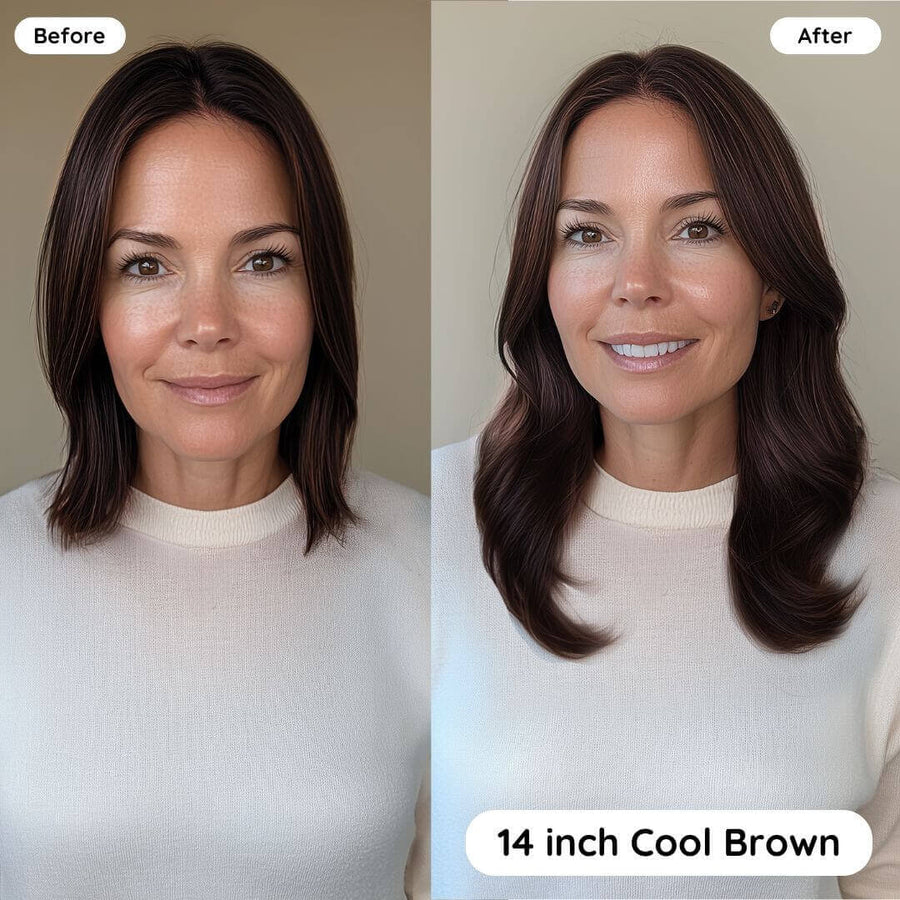
Extension colour should consider your natural hair’s undertones and shading variations for a unified look in photos and updos. This is the most common mistake brides make. A shade that looks identical in a shop can appear noticeably different under natural daylight or flash photography. The solution is to bring a small cutting of your natural hair to your consultation, or use a step-by-step colour matching guide to compare shades against your roots, mid-lengths, and ends separately.

Selecting length and volume

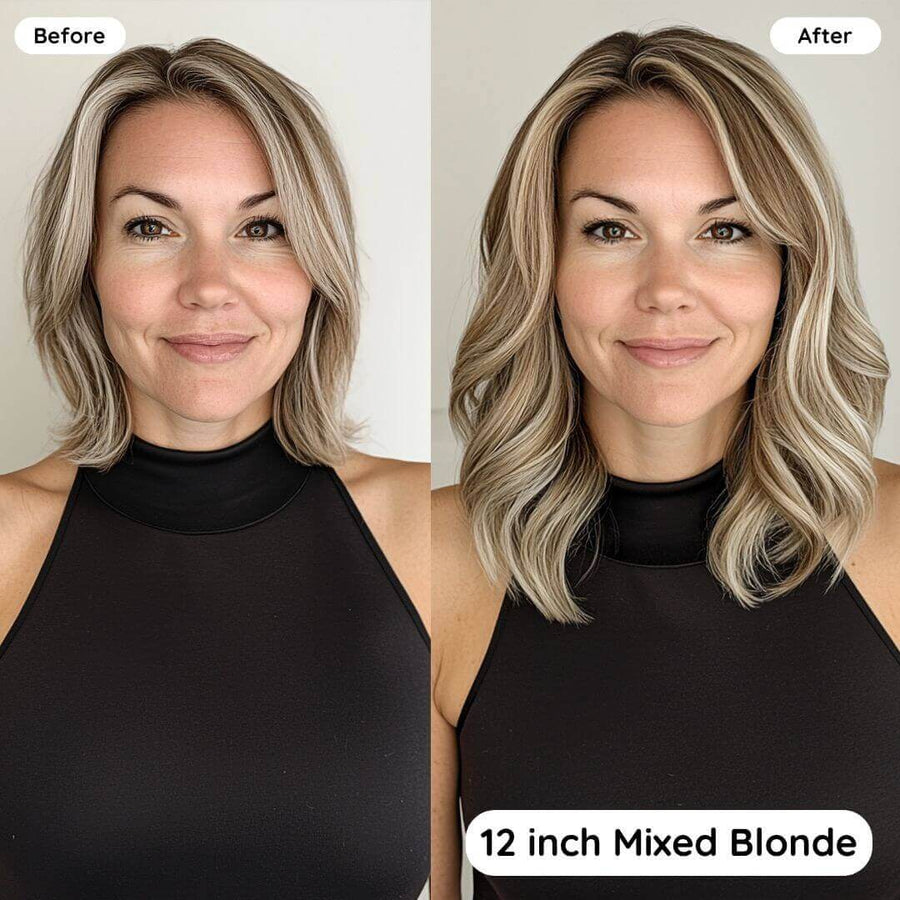
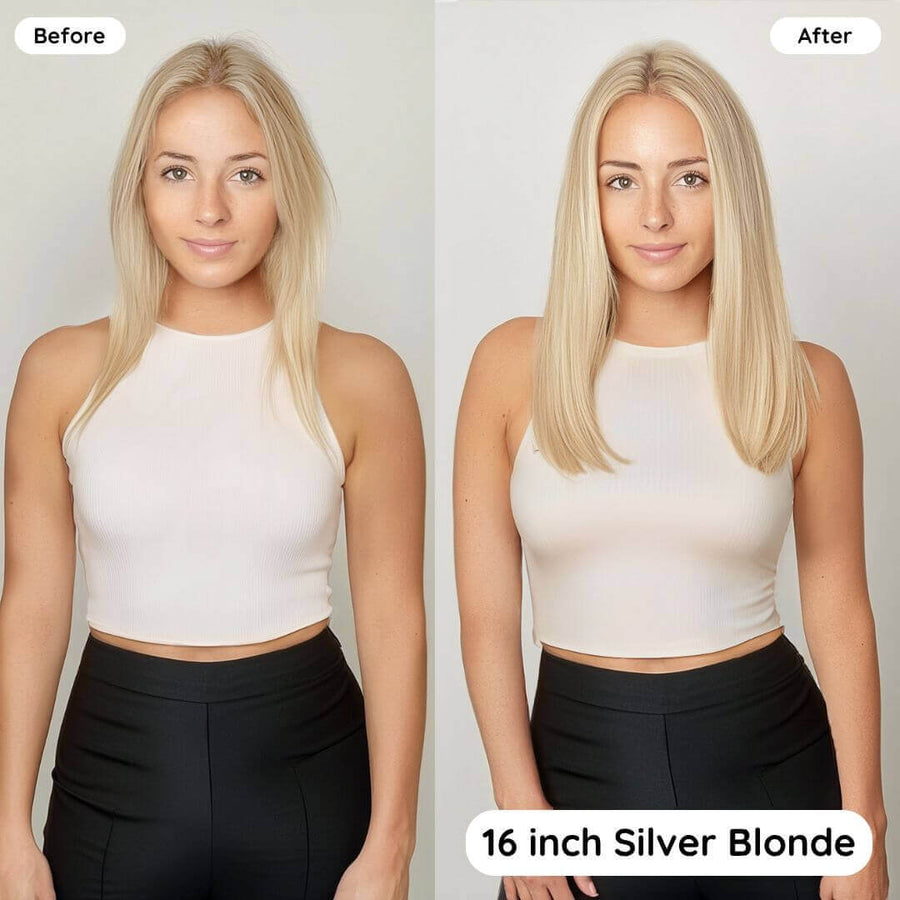
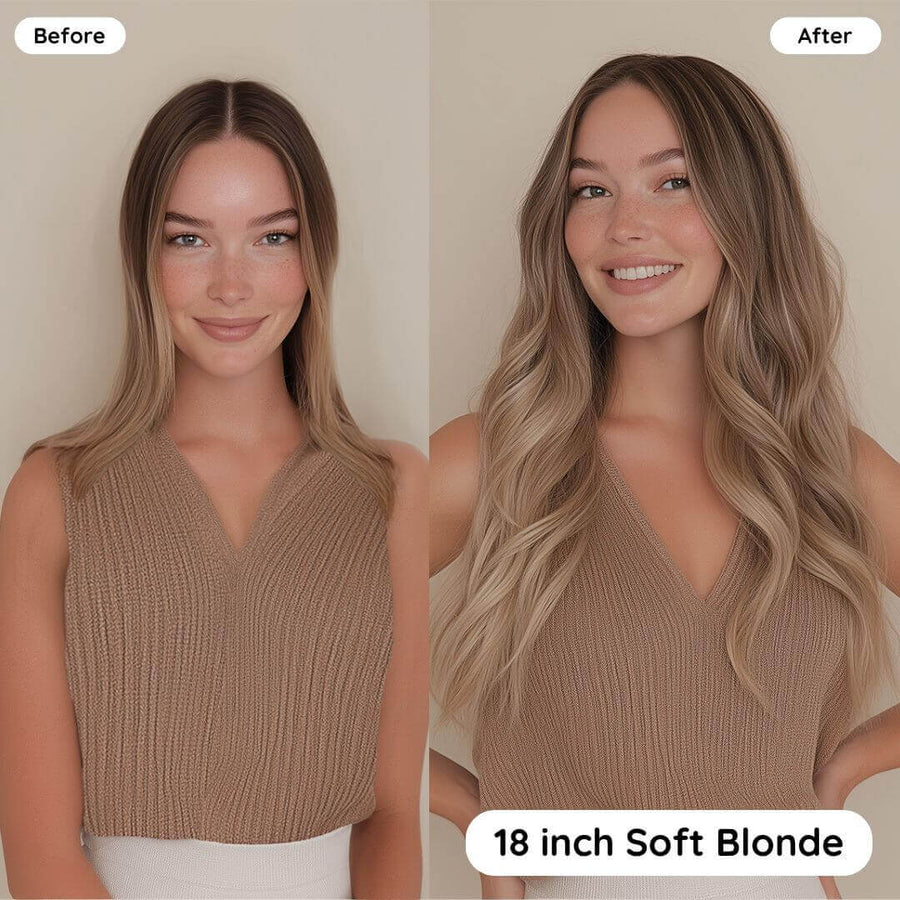
The length you choose depends on your planned hairstyle. For a half-up style or loose waves, 16 to 20 inches typically works well. For an elaborate updo, you may need more volume rather than length, so focus on weft weight and density. Naturylextensions offers 16-inch human hair extensions that are a popular choice for wedding styles precisely because they add body without overwhelming finer hair.

The role of professional consultations

A professional consultation is not optional for semi-permanent extensions. It is the step that prevents costly mistakes. A stylist will assess your hair’s density, porosity, and condition before recommending a method. Consultations help you choose the correct attachment method and avoid tension-related issues such as traction alopecia, which can result from extensions applied too tightly.

  • Bring reference photos of your desired wedding hairstyle to every consultation
  • Request a strand test if you have colour-treated or chemically processed hair
  • Book a full styling trial at least six weeks before the wedding date
  • Ask your stylist to demonstrate how the extensions behave with heat styling

Pro Tip: Book your styling trial on the same day of the week and time of day as your wedding. Humidity, temperature, and even how you slept the night before affect how your hair behaves.

Step-by-step guide to applying and styling bridal hair extensions

Preparation is the part most brides underestimate. Extensions applied to dirty, product-heavy hair will slip, tangle, and lose hold far faster than extensions applied to clean, conditioned hair.

  1. Wash your hair the day before. Clean hair gives extensions a better grip. Avoid applying heavy conditioner to the roots, as this reduces hold for clips and bonds alike.
  2. Dry your hair completely before application. Sleeping on wet hair with keratin bonds can cause mould growth, extreme matting, and severe damage. The same principle applies on the morning of your wedding: start with fully dry hair.
  3. Section your hair from the nape upward. Work in horizontal layers, clipping the top sections away. This creates a clean base for each weft or clip.
  4. Tease the roots lightly at each attachment point. A small amount of backcombing gives clips and tape-ins something to grip, which prevents slipping during the ceremony and reception.
  5. Blend using a boar bristle brush. Proper brushing tools maintain bond integrity and hair health. Avoid traditional ball-tip brushes, which snag extension bonds.
  6. Style with medium heat (below 180°C). Remy human hair extensions tolerate heat styling, but excessive temperatures shorten their lifespan. Use a heat protectant spray on both your natural hair and the extensions.
  7. Finish with a light-hold hairspray. Heavy products cause build-up around bonds and clips, making removal harder and potentially damaging your natural hair.

For keratin bond extensions specifically, avoid washing your hair for 48 hours post-installation to allow bonds to cure properly. This initial no-wash period prevents weakening or slippage of bonds and is critical for long-lasting hold.

Pro Tip: Ask your hairstylist to photograph the placement of each weft or clip section during your trial. If you are doing touch-ups on the morning of the wedding, you will have an exact reference to work from.

Hairstylist applying keratin bond hair extensions

For a detailed walkthrough on achieving a natural finish, the guide on blending invisible wire extensions covers the specific technique for wire-based styles.

How to care for your wedding hair extensions

Maintenance is what separates extensions that look stunning for weeks from those that deteriorate within days. The good news is that a consistent routine is straightforward once you know the rules.

Brushing and washing

Brushing keratin and K-tip extensions at least three times daily prevents tangling and matting around bonds. Shed hairs that are not brushed out become trapped around the bonds and create knots that are very difficult to remove without causing damage. Use a loop brush or a soft boar bristle brush, starting from the ends and working upward to the roots.

Wash your extensions with sulphate-free shampoo and apply conditioner from mid-length to ends only. Never apply conditioner directly to bonds or tape sections, as this weakens adhesion. Wash in a downward motion rather than scrubbing, and always dry thoroughly before sleeping.

Always ensure extensions are completely dry before going to bed. Sleeping on damp extensions, particularly keratin bonds, creates conditions for mould growth and severe matting that can require professional intervention to resolve.

Sleeping and scalp health

Use a silk or satin pillowcase to reduce friction on extension bonds overnight. Plait your hair loosely before bed to prevent tangling. Tension from tight application can cause traction alopecia or scalp irritation, so if you notice persistent soreness at attachment points, contact your stylist promptly.

  • Avoid tight ponytails or buns that pull on extension attachment points
  • Use sulphate-free, alcohol-free hair products to preserve bond integrity
  • Schedule a maintenance appointment every four to six weeks for semi-permanent extensions
  • Care for your natural hair underneath extensions with lightweight scalp serums

Formaldehyde in some bonding agents can cause allergic reactions such as redness or hives in sensitive individuals. Always request a patch test at least 48 hours before full application, and choose hypoallergenic products where possible.

Professional removal of keratin bond extensions prevents breakage. Attempting to remove them at home risks severe damage to your natural hair, which is the last thing you want after your wedding.

Common challenges and how to fix them

Even with careful preparation, issues can arise. Knowing how to handle them calmly keeps your bridal hair looking its best.

  • Slipping clips during the reception: Tease the root section more firmly and add a small amount of dry shampoo at the attachment point for extra grip. Carry a few spare clips in your bridal bag.
  • Visible wefts in photographs: Ask your hairstylist to check the placement from all angles, including the back, before you leave for the ceremony. Natural light reveals gaps that indoor lighting hides.
  • Tangling during the day: Carry a loop brush and a small bottle of detangling spray. Work through tangles from the ends upward, never pulling from the root.
  • Scalp irritation on the day: If you experience redness or discomfort, remove the offending clip or weft immediately. Do not attempt to push through discomfort, as this can worsen irritation.
  • Extensions feeling heavy or uncomfortable: This usually indicates incorrect weight selection. A professional consultation before the wedding prevents this, but on the day, removing one or two wefts from the heaviest sections can relieve pressure.

Pro Tip: Designate a trusted bridesmaid as your “hair helper” for the day. Brief them on where each clip sits and how to reattach a weft if one comes loose. A two-minute fix is far less stressful when someone else knows what to do.

Key takeaways

Choosing the right extension type, matching colour precisely, and following a consistent maintenance routine are the three factors that determine whether your wedding hair extensions look natural and last through the entire day.

Point Details
Match colour to undertones Bring a hair sample to your consultation to match roots, mid-lengths, and ends accurately.
Time your installation correctly Tape-ins applied two weeks before the wedding settle naturally; keratin bonds need 48 hours post-install before washing.
Brush at least three times daily Frequent brushing prevents matting around bonds and keeps extensions tangle-free throughout the day.
Always patch test Request a patch test 48 hours before full application to rule out reactions to bonding agents.
Book professional removal Never remove semi-permanent extensions at home. Professional removal protects your natural hair post-wedding.

My honest view on bridal extensions after years of working with them

Most brides come to me having already decided on their extension type based on a social media video. That is not always a problem, but it becomes one when the chosen method does not suit their hair texture or their wedding timeline. The most common misunderstanding I encounter is that “more length equals a better result.” In reality, the brides who look most stunning in their photographs are the ones who chose extensions that added volume and movement rather than dramatic length.

The other thing I would say plainly: do not skip the trial. I have seen brides arrive on their wedding morning having never worn extensions before, expecting a stylist to perform miracles in two hours. A trial run six weeks out gives you time to adjust the colour, the weight, and the placement. It also tells you whether your scalp tolerates the attachment method, which matters far more than most people realise.

Prioritise scalp health throughout the process. Extensions are a wonderful tool, but your natural hair is what you will have long after the wedding day is over. Choose methods that respect it.

— Sam

Achieve your perfect bridal look with Naturylextensions

https://naturylextensions.com

Naturylextensions specialises in premium Remy human hair invisible wire extensions designed for exactly the kind of effortless, natural bridal look this guide describes. The invisible wire technology sits comfortably on the crown with no clips, no bonds, and no damage to your natural hair. Every set is made from ethically sourced Remy hair, meaning the cuticles run in the same direction for a smooth, tangle-resistant finish that photographs beautifully. Naturylextensions offers fast UK delivery and a free exchange policy, so you can find your perfect shade and length with confidence. Browse the full collection and find the extensions that suit your wedding hairstyle.

FAQ

What are the best hair extensions for brides?

Clip-in and invisible wire extensions are the best options for most brides because they require no adhesive, cause no damage, and can be applied on the morning of the wedding. Tape-in extensions are the preferred choice for brides who want a semi-permanent result that looks fully settled by the wedding day.

How far in advance should I get hair extensions for my wedding?

Tape-in extensions should be applied approximately two weeks before the wedding to allow them to settle naturally. Keratin bond extensions require at least 48 hours before washing post-installation, so plan your appointment accordingly.

Can I wear hair extensions with an updo?

Yes. Extensions add the volume and length that many updos require to look full and structured. Clip-in wefts and invisible wire extensions work particularly well for updos because they can be positioned precisely where volume is needed.

How do I prevent extensions from slipping during the reception?

Lightly tease the root section at each attachment point before clipping, and apply a small amount of dry shampoo for extra grip. Carrying spare clips and a loop brush in your bridal bag means any minor slippage can be fixed quickly.

Is it safe to use hair extensions if I have a sensitive scalp?

Extensions can be used safely on sensitive scalps, but a patch test is required at least 48 hours before full application. Formaldehyde in some bonding agents can cause allergic reactions in sensitive individuals, so always request hypoallergenic products and discuss your concerns with your stylist before committing to a method.