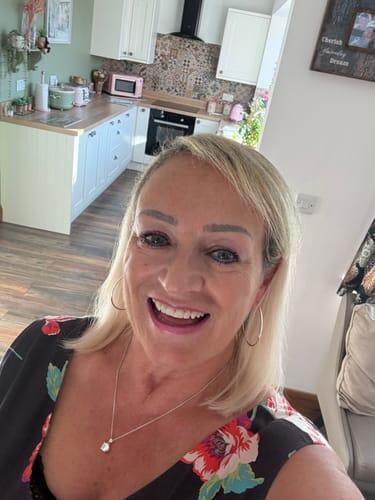
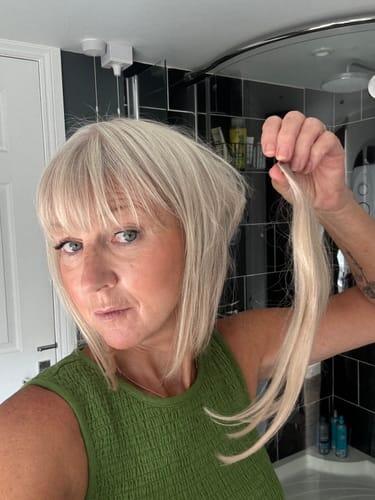
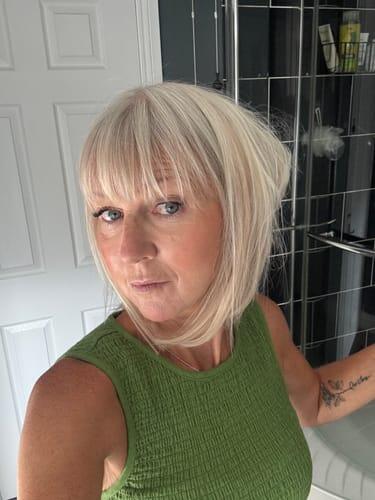
Yes, invisible wire (single-weft) extensions can cause headaches and scalp discomfort, though the cause is almost always mechanical rather than a sign of serious harm. Concentrated weight, wire pressure points, or a wire sitting too close to the scalp create traction on hair follicles, which can radiate as a tension-type headache. The good news: most cases resolve quickly once the fit is corrected.
If you have pain right now:
- Loosen the wire immediately and check whether the discomfort eases within a few minutes.
- If it does, the wire is sitting too tight or too low; contact your fitter for an adjustment.
- If pain is sharp, spreading, or accompanied by redness, remove the extensions and seek advice.
Dermatologist guidance from the American Academy of Dermatology confirms that extensions can damage natural hair and risk traction alopecia when fitting is poor, making professional installation and preparation central to safe wear. Naturylextensions designs its invisible wire range with lighter single-weft Remy human hair specifically to reduce these pressure risks for UK wearers.
Key takeaways
Invisible wire extensions cause headaches through mechanical traction and concentrated weight, but correct fitting, lighter single-weft Remy hair, and prompt adjustment resolve most cases quickly.
| Point | Details |
|---|---|
| Main cause | Concentrated wire weight and tight anchoring overstimulate follicle nerve endings, producing tension headaches. |
| Normal vs. abnormal | Mild sensitivity for 48–72 hours is normal; pain persisting beyond three days needs fitter correction. |
| Immediate action | Loosen the wire and wait five minutes; if pain persists, remove extensions and book a correction. |
| Prevention priority | Ask your stylist about weft weight, wire placement, and section size before fitting begins. |
| When to seek help | See a GP or NHS 111 if pain continues beyond one week after removal or if you notice patchy hair loss. |
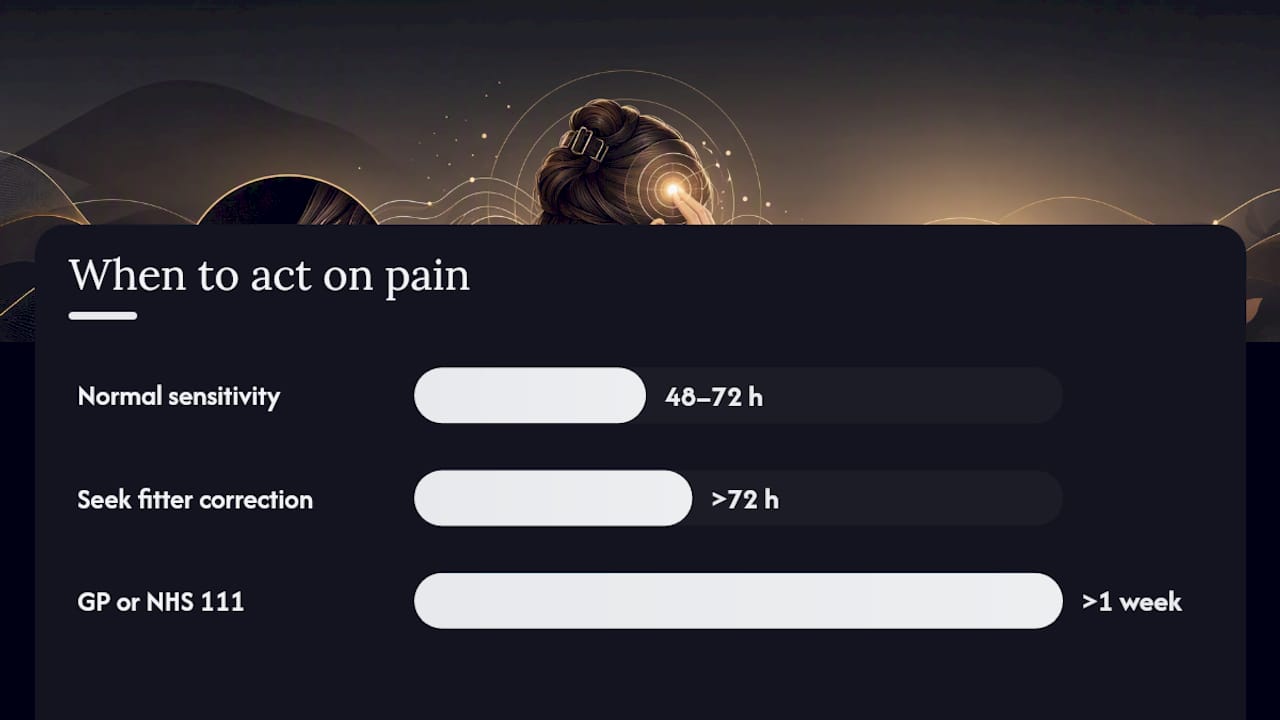
Table of Contents
- Why do invisible wire extensions cause scalp pain or headaches?
- How can you tell if your extensions are causing the headache?
- How to prevent pressure headaches: fitting and daily care checklist
- What to do the moment you feel pain while wearing extensions
- When should you see a GP, dermatologist, or stylist in the UK?
- Why Naturylextensions designs its invisible wire range for comfort
- An honest word on what to expect
- Sources
- FAQ
Why do invisible wire extensions cause scalp pain or headaches?
The mechanism is straightforward. Concentrated weight and tight anchoring overstimulate follicle nerve endings, producing intense local scalp pain that can refer outward as a tension headache across the temples or occiput. It is the same principle as wearing a too-tight ponytail for several hours, except that an invisible wire extension adds external weight to the equation.
For single-weft invisible wire fittings specifically, four factors tend to drive discomfort:
- Wire placement too low: a wire resting on the occipital ridge or temple hairline rather than the mid-skull creates a pressure point on sensitive nerve-rich areas.
- Excessive weft weight: heavier wefts concentrate load on a narrow section of scalp, amplifying follicle stress.
- Small anchor sections: too little natural hair supporting the wire means each strand bears disproportionate tension.
- Trapped hairs: even a single crossover hair pulled from two directions can cause persistent, localised pain.
Allergic or contact irritation from wire materials is a less common but real contributor, particularly for wearers with sensitive scalps.
Pro Tip: Avoid high ponytails and tight updos on the day you wear your invisible wire extensions. Pulling the hair upward shifts the wire’s load onto a smaller section of scalp and significantly increases pressure at attachment points.
How can you tell if your extensions are causing the headache?
Timing and location are the clearest diagnostic clues. If your headache began within a few hours of fitting and eases noticeably when you loosen or remove the extensions, the cause is almost certainly mechanical tension from the wire.
Run through this quick at-home check:
- Palpate the scalp along the wire line. Localised tenderness directly above the wire confirms a pressure point.
- Check for redness or bumps at the attachment area; either suggests the wire is sitting too close to the scalp.
- Compare timing: did the headache start on a day you wore extensions and improve on a day you did not?
- Look for trapped hairs by gently running a finger under the wire; any hair caught between the wire and scalp needs releasing immediately.
- Note any thinning at the temples or hairline, which may indicate repeated traction stress.
If you notice sharp or burning pain, spreading redness, pus, open sores, or any patchy shedding that does not resolve within a week of removing extensions, these are not normal adjustment symptoms. Salon experts confirm that persistent redness, swelling, bumps, or constant tenderness signal attachments that are too tight, too close to the scalp, or poorly sectioned — and require correction, not tolerance.
Unrelated causes such as sleep posture or a new shampoo can mimic mild scalp sensitivity, but if the pain tracks directly to the wire line, extensions are the likely source.
How to prevent pressure headaches: fitting and daily care checklist
Correct weight, correct section size, and correct spacing prevent most problems before they start. Before your fitting, ask your stylist these questions:
- What is the total weft weight, and is it appropriate for my hair density?
- How far from the scalp will the wire sit?
- What is your adjustment policy if I experience discomfort in the first 48 hours?
- Can you demonstrate how to loosen the wire myself if needed?
During the fitting, a good stylist will:
- Distribute weight evenly across a wide section rather than concentrating it on a narrow anchor.
- Ensure the wire sits on the mid-skull contour, away from the fragile temple hairline.
- Check that no natural hairs are trapped under the wire before you leave the chair.
- Test the wire’s movement and ask you to move your head through its full range before finishing.
For daily care, following a consistent extension care routine makes a real difference. Prep your natural hair with a clarifying wash to remove product buildup before fitting, use a loop brush rather than a paddle brush to avoid snagging at the roots, and sleep on a silk pillowcase to reduce friction-related matting. Product buildup and hard water mineral deposits both increase tangling near the root, which concentrates tension at attachment points over time.
Pro Tip: When choosing an invisible wire product, prioritise a lighter single-weft in Remy human hair and confirm the wire length matches your head circumference. Naturylextensions offers adjustable wire lengths and a free colour-match service so you can get the spec right before committing.
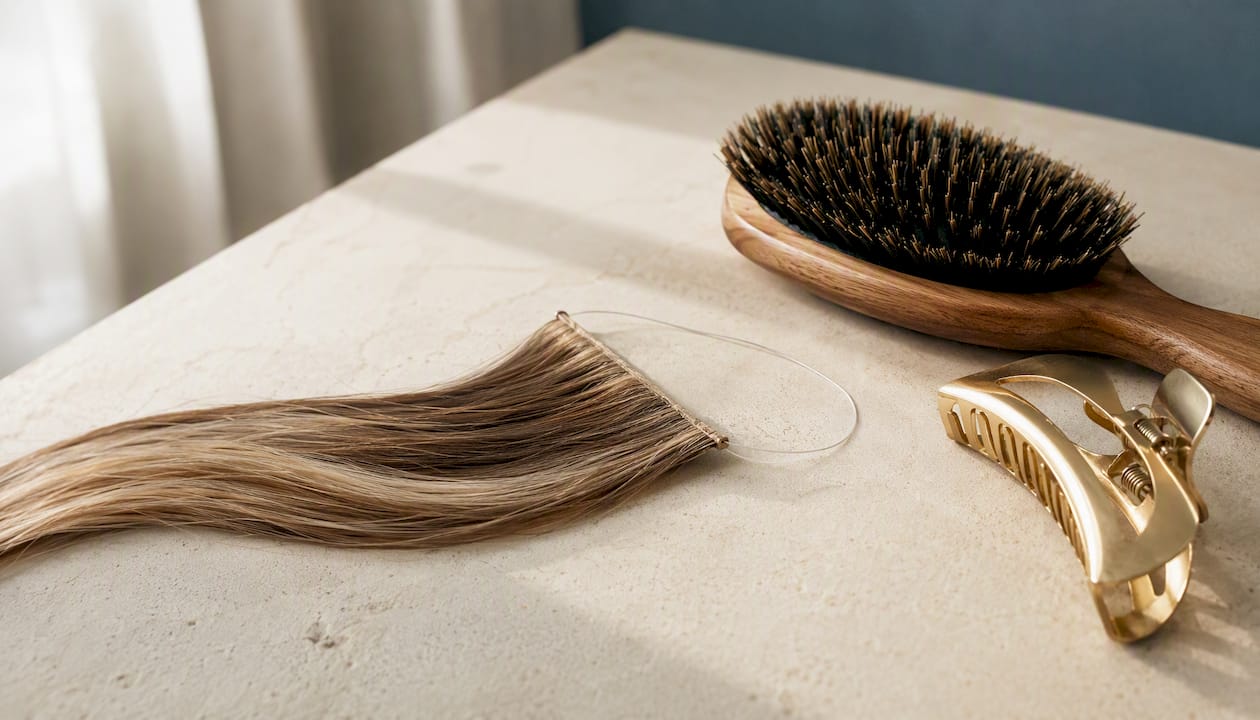
What to do the moment you feel pain while wearing extensions
Act quickly rather than waiting to see if the discomfort passes on its own.
- Stop what you are doing and find a mirror.
- Palpate the wire line to localise the pain. Is it directly above the wire, or more diffuse?
- Loosen the wire by one adjustment notch. Wait five minutes.
- If pain reduces significantly, continue wearing cautiously and book a fitter adjustment within 24 hours.
- If pain persists or worsens, remove the extensions completely and arrange a correction appointment.
While waiting for an adjustment, a cold compress applied gently to the scalp (not directly on the wire) can reduce localised inflammation. A gentle scalp massage in the areas away from the attachment points helps ease referred muscle tension. Standard over-the-counter analgesics such as paracetamol or ibuprofen are appropriate for mild tension-type pain, but they should not become a routine way to manage extension discomfort.
Remove extensions immediately if you experience sharp burning pain, spreading redness, open sores, or fever. These signs indicate a tissue response that needs professional assessment, not adjustment.
When you attend your follow-up with your fitter, bring photographs of any redness or swelling, a clear timeline of when symptoms started, and the product label or wire spec if you have it.
When should you see a GP, dermatologist, or stylist in the UK?
Seek medical advice if pain persists beyond one week after removing extensions, if you notice patchy hair loss at the temples or hairline, or if you have any signs of infection. Persistent or severe pain beyond around three days usually indicates incorrect fitting and should be corrected by your fitter; anything beyond a week warrants a GP visit.
Red flags that require GP or dermatology review:
- Recurrent severe headaches that return each time you wear extensions
- Persistent scalp inflammation or folliculitis (infected hair follicles)
- Open wounds or weeping sores at the attachment site
- Suspected allergic reaction (widespread itching, hives, or swelling)
- Patchy hair loss suggesting traction alopecia
In the UK, contact your fitter or salon first for mechanical adjustments. For infection signs or suspected allergic reactions, call NHS 111 or visit your GP. If your GP suspects traction alopecia or persistent folliculitis, ask for an NHS referral to a consultant dermatologist. Bring photographs, a symptom timeline, and the product label to any medical appointment.
Why Naturylextensions designs its invisible wire range for comfort
Invisible wire extensions are among the gentler options for sensitive scalps when fitted correctly, requiring no glue, clips, or heat. Naturylextensions builds on that advantage with a UK range focused specifically on reducing pressure.
Key product benefits:
- Single-weft construction: lighter overall weight means less load per section of scalp.
- Premium Remy human hair: smoother cuticle alignment reduces tangling and root matting that can amplify tension over time.
- Adjustable wire lengths: a wire sized to your head circumference sits evenly on the skull contour rather than digging into pressure points.
- Free colour-match service and exchange policy: you can get the spec right before committing, and swap if the fit is not comfortable.
To try safely: request the weft weight specification before ordering, start with a single weft to assess your scalp’s response, and use Naturylextensions’ virtual colour-match and fitting advice to confirm the right length and shade. Book an early follow-up with your stylist within 48 hours of first wear.
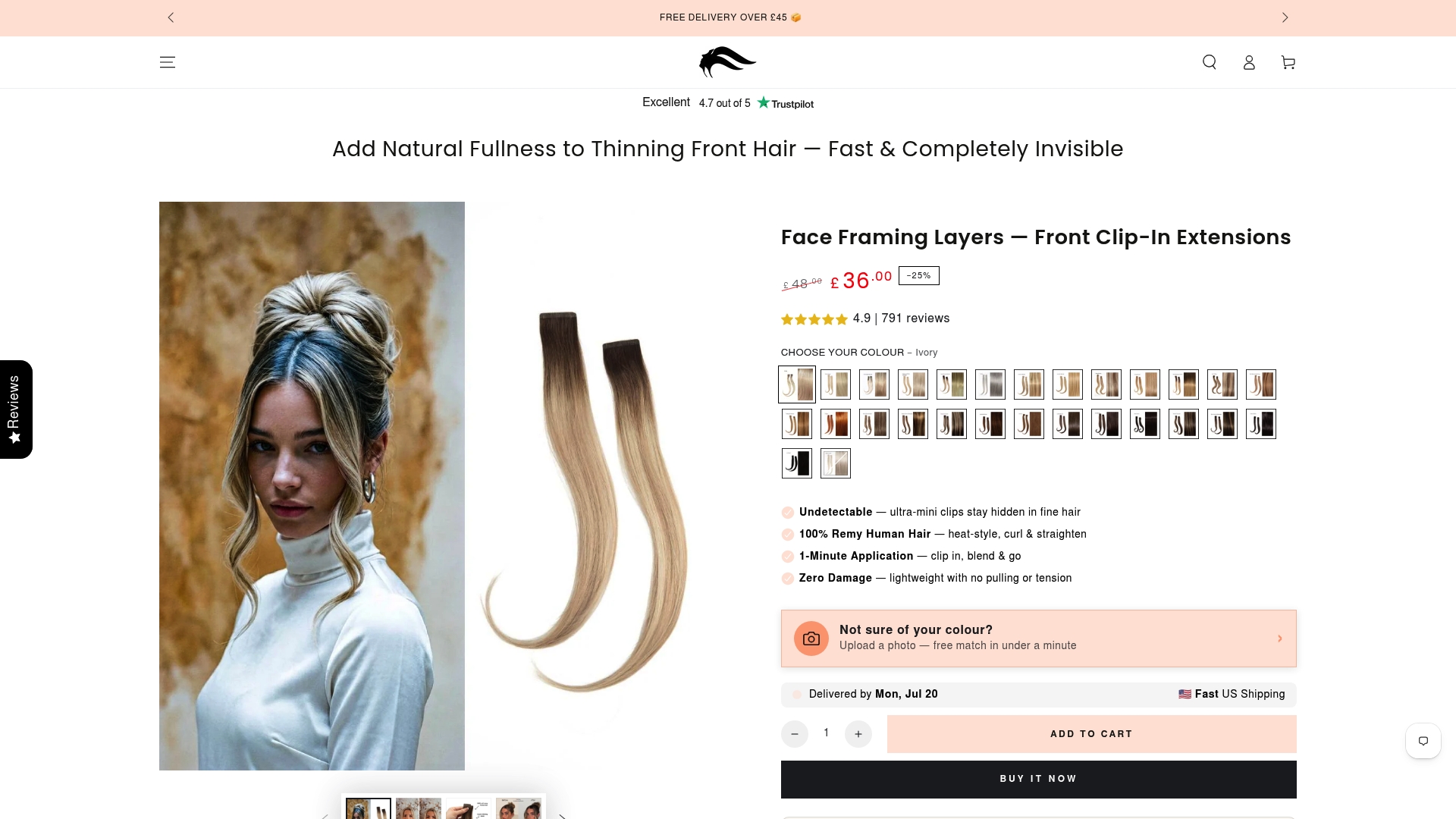
Explore the full range of Remy human hair invisible wire extensions at Naturylextensions, with fast UK delivery and a free exchange policy if the fit needs adjusting.
An honest word on what to expect
Minor scalp awareness in the first 48–72 hours after fitting is genuinely normal. Your scalp is adjusting to a new weight distribution, and mild sensitivity along the wire line usually settles on its own. What is not normal is pain that worsens after the first day, or discomfort that returns every time you wear the extensions.

The single most protective step you can take is choosing an experienced fitter and asking the fitting questions listed above before the wire goes in. A lighter single-weft in quality Remy hair, fitted by someone who takes the time to check your scalp’s response, removes most of the risk before it starts.
Sources
- How to prevent hair damage from a weave or extensions
- Sensitive scalp solutions for extensions
- Why Do My New Hair Extensions Hurt?
- Why Do Hair Extensions Hurt? Causes & warning signs
- Why does my scalp hurt so much after getting hair extensions?
This article is general information, not a substitute for advice from a qualified doctor. Consult a qualified healthcare professional about your own circumstances before acting on anything here.
FAQ
Can invisible wire extensions cause headaches every time you wear them?
Not if the fit is correct. Recurring headaches on every wear usually indicate the wire is too tight, too heavy for your hair density, or sitting on a pressure point — all of which a fitter can correct.
How long does scalp soreness after fitting normally last?
Mild sensitivity typically settles within a few days. Pain that persists beyond the typical adjustment period or worsens rather than improves signals a fitting problem and should be assessed by your stylist.
Can invisible wire extensions cause traction alopecia?
Repeated tight fitting can contribute to traction alopecia over time. Dermatologist guidance recommends professional fitting, correct tension, and regular checks to keep this risk low.
What is the difference between normal scalp awareness and a warning sign?
Normal awareness is mild, diffuse, and fades within a couple of days. Warning signs include sharp or burning pain, localised redness, swelling, bumps, or any hair loss at the temples or hairline.
Should I see a GP or my stylist first if I have pain?
Contact your stylist first for mechanical adjustments. If you have infection signs, persistent pain beyond one week after removal, or suspected traction alopecia, see your GP or call NHS 111.