
TL;DR:
- Modern hair extensions offer quick, damage-free styles like clip-ins and toppers.
- The UK market values quality, natural look, and convenience, with clip-ins leading sales.
- Choosing the right extension depends on individual lifestyle, hair condition, and long-term goals.
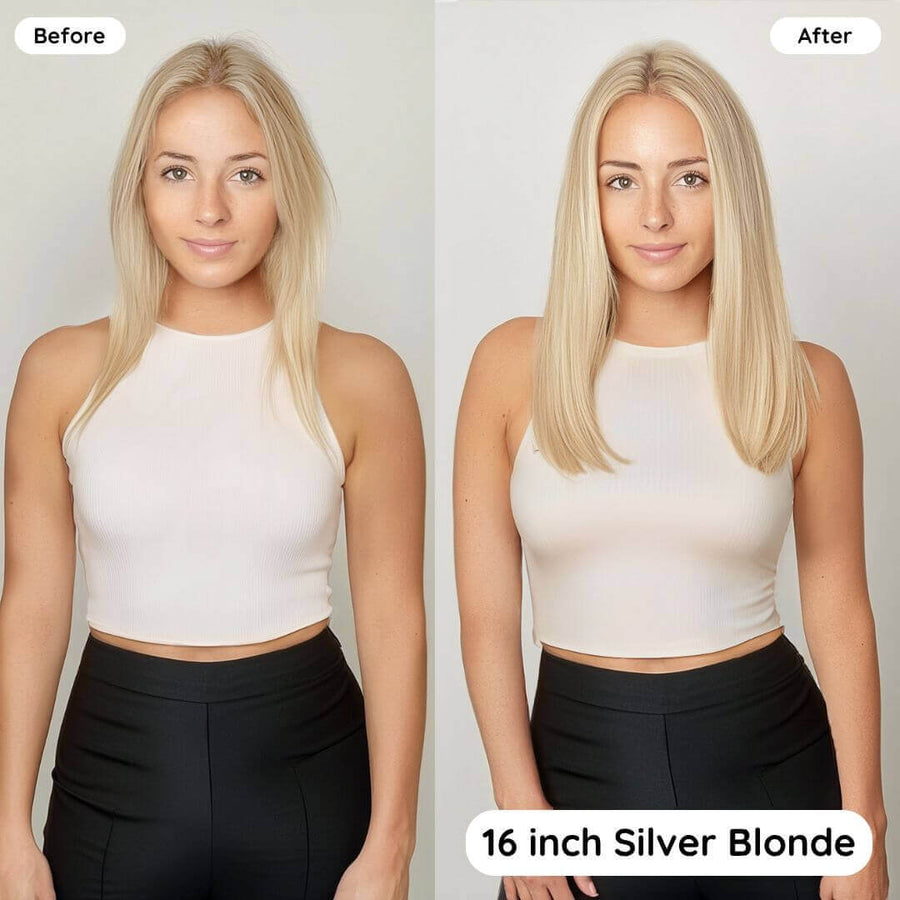
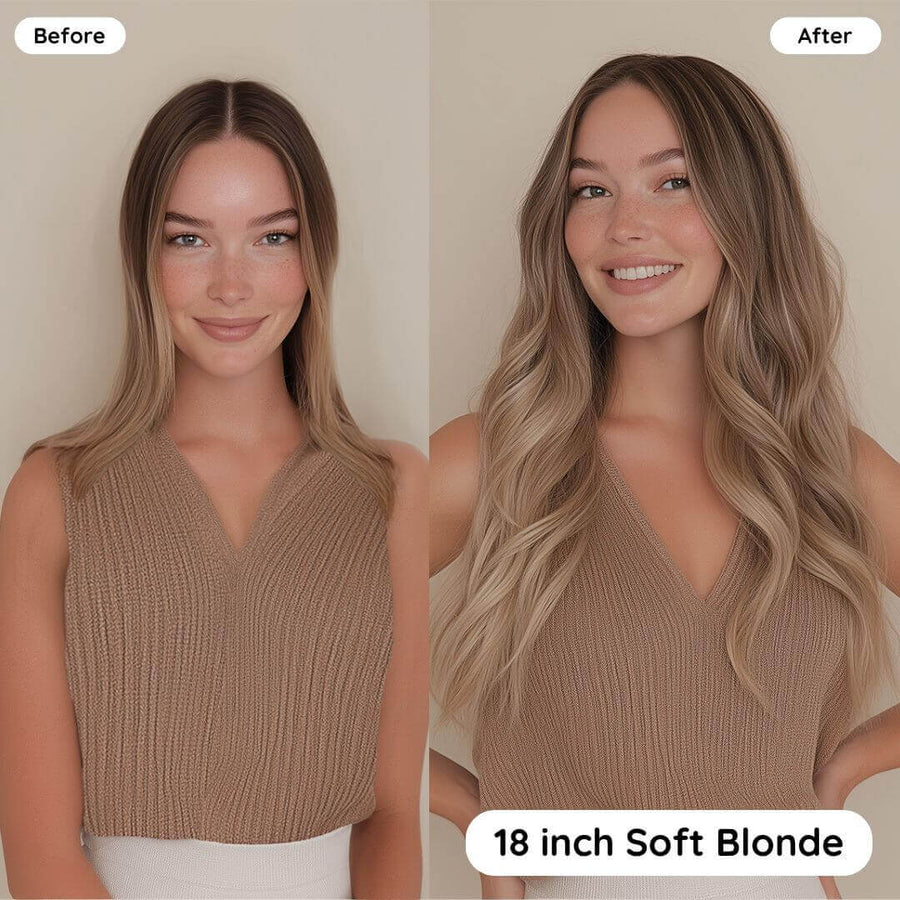
The idea that hair extensions always mean damage, hours in a salon, and endless upkeep is simply outdated. Modern extensions have evolved dramatically, and long, layered looks with volume are among the biggest trends right now, achieved with clip-ins and toppers that take minutes to apply. Whether you want a fuller ponytail, face-framing layers, or a complete length transformation, today’s options make it genuinely achievable without compromising your natural hair’s health. This guide breaks down the most popular methods, the hottest styles, and exactly how to choose what works best for your hair type and lifestyle.
Table of Contents
- Why hair extensions are more popular than ever in 2025
- The hottest hair extension styles and techniques for a modern look
- Choosing the right hair extension for your style and lifestyle
- Top tips to rock the latest extension trends without the damage
- Why a personalised approach is the real secret to stunning hair extensions
- Ready for effortless, trendy hair? Discover top extensions now
- Frequently asked questions
Key Takeaways
| Point | Details |
|---|---|
| Volume-focused styles | The latest trends prioritise thick, layered, and natural-looking volume, not just length. |
| Minimal effort, low damage | Clip-in extensions offer a fast, damage-free way to achieve effortless glamour. |
| Personalised choices | Choose extension types based on your hair, routine, and styling needs for best results. |
| Online market growth | UK shoppers now mostly buy hair extensions online and spend over £200 on average. |
Why hair extensions are more popular than ever in 2025
Hair extensions are no longer a niche luxury reserved for celebrities or special occasions. They have become a mainstream beauty essential for women across the UK, and the numbers reflect that shift clearly.
| Market indicator | 2024–2025 figures |
|---|---|
| UK market value | £450–600 million |
| Extensions bought online | 75% of purchases |
| Average consumer spend | Over £200 per year |
| Fastest growing segment | Clip-in extensions |
The UK hair extensions market is valued at approximately £450–600 million, with clip-ins leading the segment and 75% of purchases made online. That figure tells you something important: women are becoming more confident shopping for extensions independently, without needing a salon to guide every decision.
The average UK woman now spends over £200 annually on hair extensions, reflecting a shift from occasional luxury to everyday beauty investment.
What’s driving this growth? A few key factors stand out:
- Demand for natural-looking results. Consumers want extensions that blend seamlessly, not obviously added-on hair.
- Preference for damage-free options. More women are prioritising their hair’s long-term health alongside their style goals.
- The rise of online education. Tutorials, reviews, and guides have made it easier than ever to understand which product suits your needs.
- Accessibility of premium quality. Ethically sourced Remy human hair, once harder to find, is now widely available at various price points.
Exploring UK hair extension market trends shows that consumer preferences have shifted firmly towards quality and convenience. Women are not just buying extensions for length anymore. Volume, texture, and a natural finish are equally important, and the industry has responded with products designed to deliver exactly that.
The hottest hair extension styles and techniques for a modern look
With so many methods available, it helps to understand the key differences before committing. Each technique has its own strengths, and the right one depends on your hair goals, budget, and how much time you want to invest.
The three main methods compared
| Method | Damage risk | Application time | Wear duration | Annual cost |
|---|---|---|---|---|
| Clip-ins | Zero | 5 minutes | Temporary | £60–200 |
| Tape-ins | Low | 1 hour (salon) | 6–8 weeks | ~£800 |
| Micro/nano rings | Very low | 2–3 hours (salon) | 2–3 months | ~£900 |

Clip-in extensions are the clear winner for ease and affordability. They carry zero damage risk, apply in around five minutes, and cost between £60 and £200 for a quality set. They are ideal for beginners, women with fine hair, or anyone who wants flexibility without commitment.
Tape-in extensions involve thin wefts of hair bonded with a keratin-based adhesive (a gentle, heat-activated glue). They carry low damage risk and take roughly an hour to apply at a salon. They last 6–8 weeks and suit fine to medium hair well, though annual upkeep costs around £800.

Micro and nano rings use tiny metal rings to attach individual hair strands without any glue or heat. They carry very low damage risk and last 2–3 months, making them a strong option for medium to thick hair. The trade-off is cost, sitting at around £900 per year.
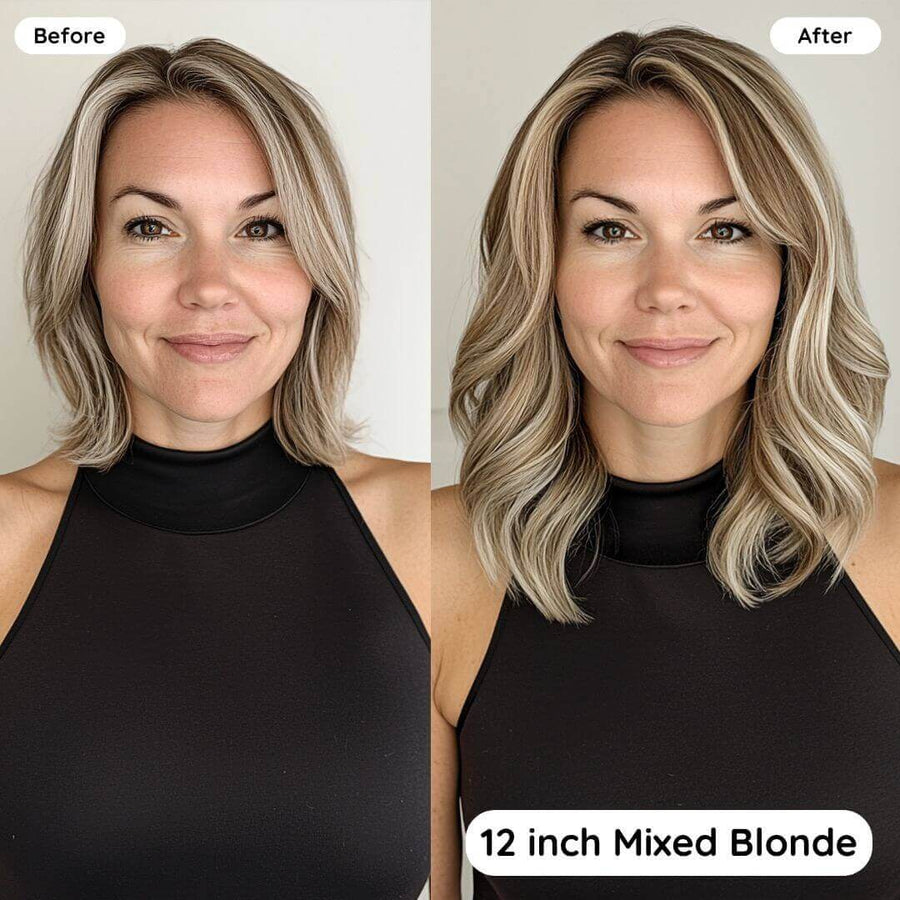
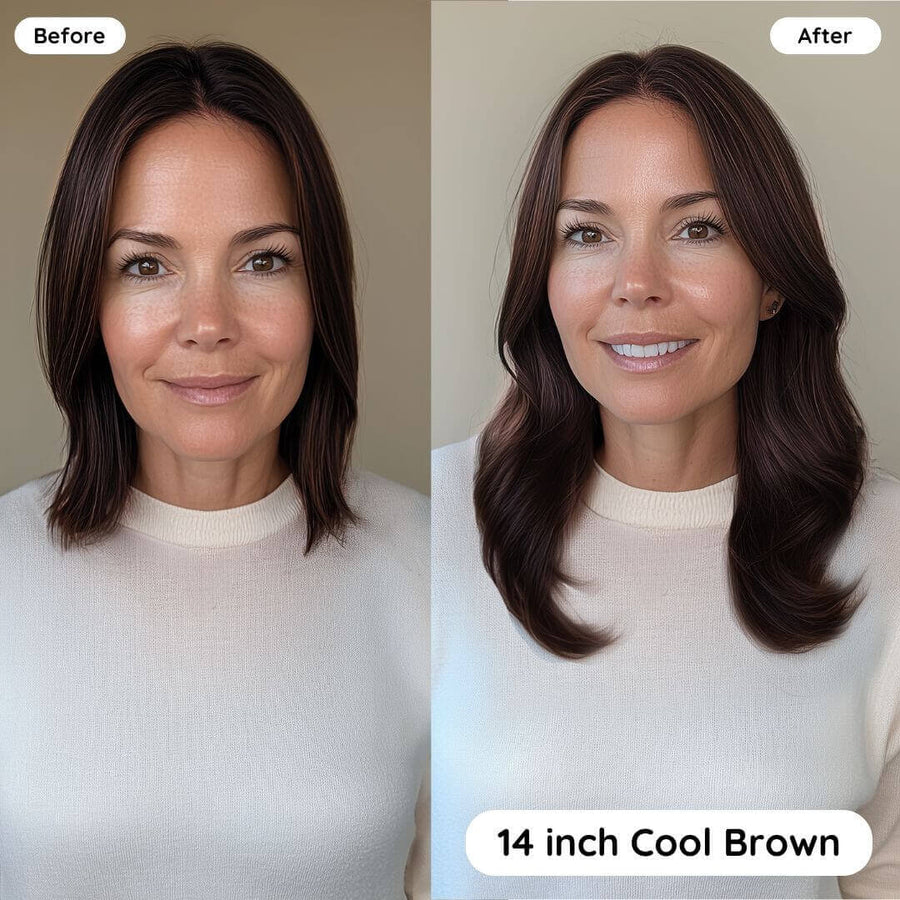
In terms of style trends, long and layered looks are dominating. Volume at the crown and soft, face-framing pieces are particularly popular, both achievable with clip-ins or toppers at home.
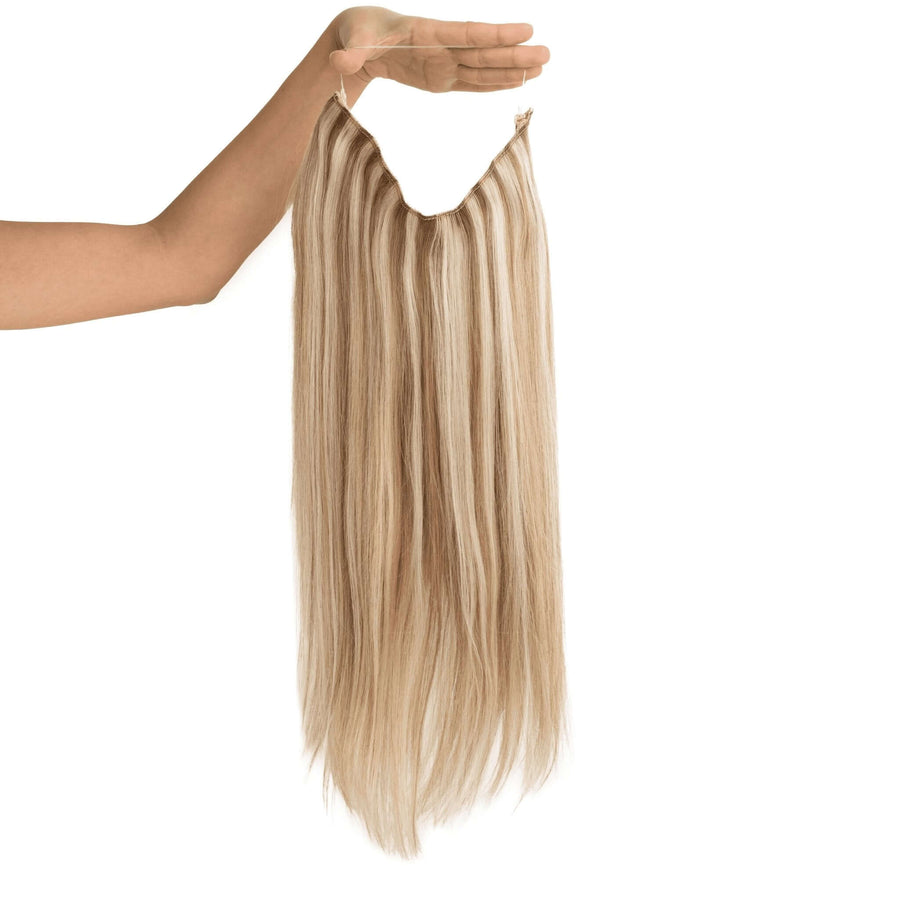
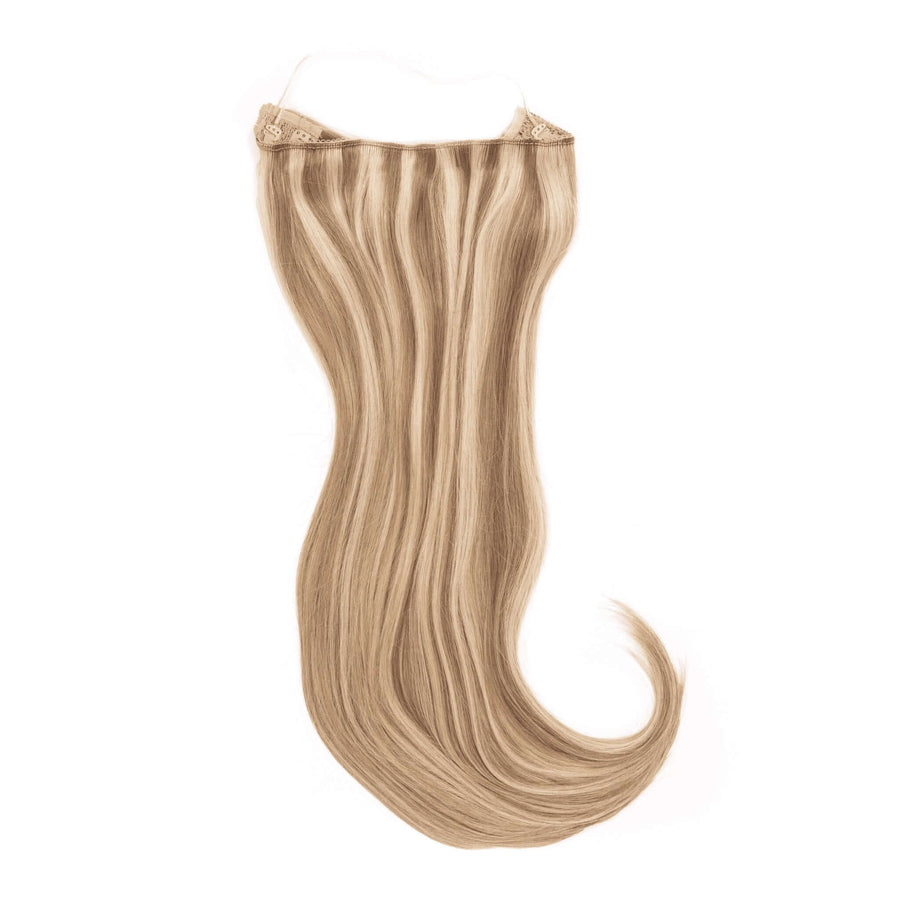
- Invisible wire extensions for seamless, no-clip volume and length at home
- Ponytail extensions for an instant, polished look in seconds
- Face-framing clip-ins for subtle highlights and dimension without colouring
- Tape-ins for a semi-permanent, natural daily look
- Micro rings for a long-term, low-maintenance investment
Pro Tip: If you have fine hair, start with clip-ins before committing to a semi-permanent method. They let you experiment with length and volume without any risk, and you can find the best extensions for fine hair to suit your texture specifically.
For those curious about going glue-free entirely, damage-free extension options like invisible wire styles are worth exploring as a first step.
Choosing the right hair extension for your style and lifestyle
Knowing the methods is one thing. Choosing the right one for your life is another. This is where many women get stuck, and it is usually because generic advice does not account for individual circumstances.
Here are the key questions to ask yourself before deciding:
- How much time do I have each morning? If your routine is already stretched, a five-minute clip-in is far more realistic than a daily blow-dry to blend tape-ins.
- How often do I wash my hair? Semi-permanent extensions require careful washing routines. Clip-ins can simply be removed before shampooing.
- What is my budget? Clip-ins cost significantly less over a year and offer minimal effort and damage compared to salon-maintained methods.
- Am I after a permanent change or occasional glam? Tape-ins and micro rings suit women who want extensions every day. Clip-ins are perfect for events, weekends, or whenever you want a boost.
- What is my hair’s current condition? If your natural hair is already stressed or fragile, starting with zero-damage clip-ins gives it time to recover while still looking great.
Pro Tip: Book a consultation with a reputable extensionist before committing to tape-ins or micro rings. A professional assessment of your hair’s density and condition can prevent costly mistakes and protect your natural hair long-term.
For day-to-day wear, following damage-free styling tips ensures your extensions and natural hair stay in top condition. It is also worth considering ethical extension choices when shopping, as Remy human hair sourced responsibly tends to last longer and blend more naturally.
Top tips to rock the latest extension trends without the damage
Choosing the right extension is only half the equation. How you care for and style them determines whether your hair thrives or suffers. These practical strategies will help you stay on trend without paying the price in breakage or thinning.
- Always brush gently from the ends upward. Starting at the roots with extensions attached pulls on the bonds and weakens attachment points over time.
- Use sulphate-free shampoo. Sulphates (harsh detergents found in many shampoos) can break down adhesive bonds in tape-ins and dry out human hair extensions quickly.
- Avoid sleeping in clip-ins. This is one of the most common mistakes. Friction from pillowcases causes tangling and puts stress on your natural hair overnight.
- Apply heat protectant every single time. Human hair extensions do not benefit from your scalp’s natural oils, so they are more vulnerable to heat damage than your own hair.
- Schedule regular maintenance checks. For semi-permanent methods, leaving extensions in too long without a professional check can cause matting near the bonds.
“The real cost of extensions is not just financial. It includes the time, care, and attention you give to maintaining both the extensions and your natural hair underneath.”
One point worth noting is that clip-ins are cheaper long-term but temporary, while tape-ins and micro rings feel more natural daily but carry higher maintenance costs. Neither is universally better. Your lifestyle determines which is the smarter investment for you.
For a thorough overview of what to do and avoid, the hair extension dos and don’ts guide covers the most common pitfalls clearly. If you are planning ahead for warmer months, summer extension advice is particularly useful. And for a fast reference, quick damage-free tips are a handy starting point.
Why a personalised approach is the real secret to stunning hair extensions
Here is something most extension guides will not tell you: the “best” method is not the one with the highest ratings or the lowest damage score. It is the one that fits seamlessly into your actual life. We have seen women invest in expensive micro ring extensions only to neglect the maintenance because their schedule simply did not allow for it. The result was avoidable damage that set their hair health back months.
Generic advice tends to rank methods in a vacuum, ignoring the fact that a busy mum with fine hair has entirely different needs from a woman with thick hair who works from home. Your hair type, daily routine, and long-term goals are the real deciding factors.
What we have learned from helping women find their signature style is this: start simpler than you think you need to. Build confidence with clip-ins or wire extensions first. Understand how extensions feel, how they blend with your natural hair, and how your routine adapts. From there, you can make a genuinely informed decision about whether to step up to a semi-permanent method.
If volume is your primary goal, adding volume instantly with the right product can be transformative without any long-term commitment.
Ready for effortless, trendy hair? Discover top extensions now
Now you have a clear picture of the methods, trends, and care strategies that matter most in 2026. The next step is finding products that actually deliver on those promises.

At Naturyl Extensions, we specialise in invisible wire extensions and premium human hair solutions designed specifically for UK women who want real results without the salon chair. Our extension wires are crafted from ethically sourced Remy hair, apply in minutes, and cause zero damage to your natural hair. With fast UK delivery and a free exchange policy, trying your perfect match has never been more straightforward. Browse the full collection and find the style that suits you.
Frequently asked questions
Which hair extension type is least damaging for fine hair?
Clip-in extensions are considered the least damaging option, as they require no glue or heat and can be removed daily. This zero-damage approach makes them ideal for fine or fragile hair.
How long do the trending tape-in and micro ring extensions last?
Tape-ins last 6–8 weeks with care, while micro and nano rings last 2–3 months with maintenance appointments every 10–12 weeks.
How much does it cost to keep up with the latest hair extension trends?
Clip-ins range from £60–200 per set with minimal annual spend, while tape-ins and micro rings cost from £800 to £900 per year when factoring in salon upkeep and reapplication.
Can I style and colour my hair extensions like my own hair?
Yes, high-quality human hair extensions can be styled and coloured, but always follow the manufacturer’s guidance to avoid drying out the hair or compromising the bonds.