TL;DR:
- Adding hair extensions increases fullness and density without affecting length. Proper placement below the crown and using lightweight, damage-free types ensure natural-looking volume while protecting scalp health.
A volume boost with hair extensions is the process of adding fullness and density to your natural hair by placing wefts, clips, or wires strategically across the head. This is not the same as adding length. Volume enhancement, the recognised industry term, focuses on structure, silhouette, and placement rather than simply making hair longer. The right method can double the appearance of density without any chemical treatment or salon commitment. Naturylextensions specialises in exactly this outcome, using ethically sourced Remy human hair designed to blend naturally and sit comfortably against your scalp.
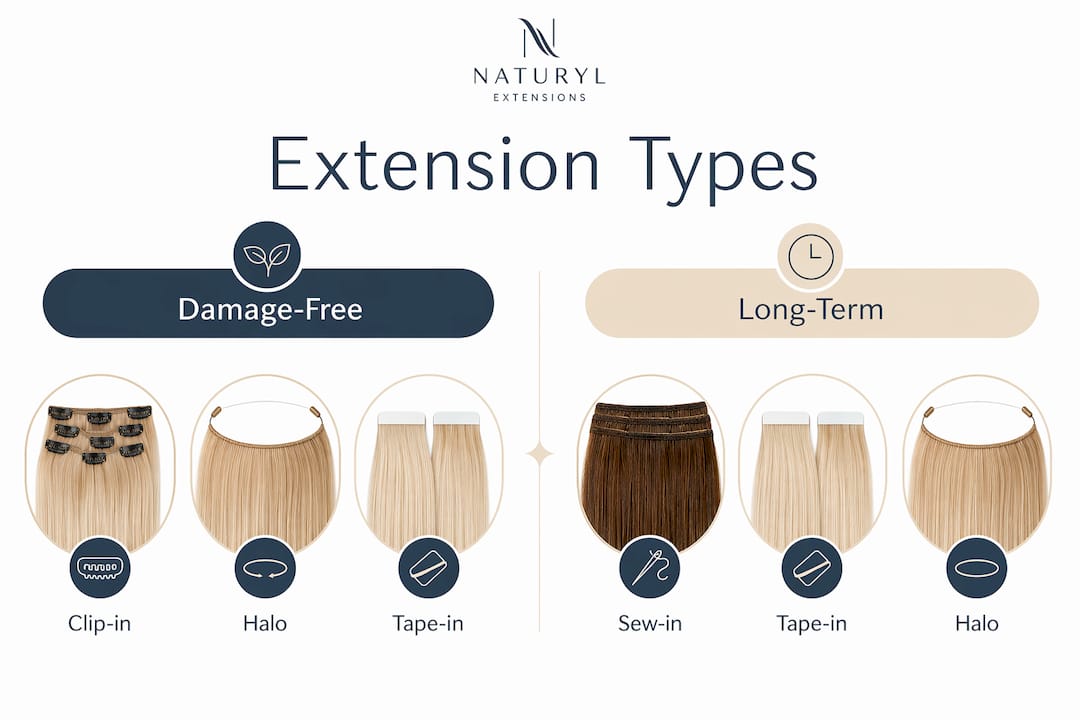
Which hair extension types are best for volume without damage?

Volume extensions differ from length extensions in one critical way: stylists focus on structure and strategic placement rather than distributing equal amounts of hair everywhere. Choosing the wrong method can flatten your natural hair or cause breakage, so understanding each type matters before you commit.
Clip-in extensions are the most popular choice for quick, damage-free volume. They weigh between 120–220 grams to create noticeable fullness, and you can remove them each night. That zero-damage profile makes them ideal if your natural hair is fine or fragile.
Halo extensions sit on an invisible wire that rests on the crown without clips or glue. They distribute weight evenly across the head, which reduces stress on individual strands. Many women with thinning hair find halos the most comfortable daily option.
Tape-in extensions typically require 80–120 grams for a similar perceived fullness to clip-ins. They lie flat against the scalp and blend well, but they need professional application and maintenance appointments every six to eight weeks.
Sew-in extensions use 100–160 grams of hair woven into braided tracks. They last longer than clip-ins but carry a higher tension risk if the braids are too tight. Fusion extensions use a keratin-based adhesive and often require 150 grams or more. They offer a very natural finish but demand the most maintenance.
Extension density per gram varies by method because of how each type distributes hair across the scalp. Fewer grams of a sew-in can equal the visual volume of more grams of tape-ins, simply because the weft sits closer to the root.
| Extension type | Typical gram range | Damage risk | Best for |
|---|---|---|---|
| Clip-in | 120–220g | None | Quick, daily volume |
| Halo wire | 80–150g | None | Sensitive or thinning hair |
| Tape-in | 80–120g | Low to moderate | Semi-permanent fullness |
| Sew-in | 100–160g | Moderate | Long-lasting density |
| Fusion | 150g+ | Moderate to high | Natural finish, longer wear |
Pro Tip: If your natural hair is fine, start with clip-ins at the lower end of the gram range. Too much weight on fine strands causes more flatness, not more volume.
How should extensions be placed to maximise crown volume safely?
Placement is where most women go wrong. Attaching heavy pieces directly on the crown centre feels logical, but 2026 placement guides advise against it. Heavy bonding or tight clips at the very top of the head create visible bumps, expose attachment points, and put excessive tension on the most fragile area of your scalp.
The correct approach uses a layered strategy:
- Place larger, heavier wefts just below the occipital bone at the back of the head. Your natural hair covers them completely.
- Use medium wefts along the upper perimeter, roughly 5–7 centimetres from the hairline.
- Reserve the smallest pieces for the sides and temples, where hair is thinnest and most visible.
- Avoid placing any clip or bond directly at the crown centre.
- Leave a 1–2 centimetre gap between your hairline and the first attachment point.
Heavier pieces placed just below the occipital bone, combined with teasing under smaller clips at the crown, lifts volume upward without exposing any tracks. The result looks like your own hair simply grew thicker overnight.
Traction alopecia is the most serious risk of poor placement. It occurs when repeated tension on the same follicles causes permanent hair loss. Proper weight distribution and spacing reduce this risk significantly. Spacing your attachment points and rotating their position at each wear or maintenance session protects your follicles over time.
“Creating volume with extensions is an architectural exercise. The weight goes low, the lift goes high, and the natural hair does the covering work.” — 2026 salon placement guidance
Pro Tip: Before clipping in, tease a small section of root hair at each attachment point. This gives the clip something to grip and lifts the surrounding hair naturally, adding visible height without any product.
What styling techniques enhance volume with a natural look?
Styling is the final layer that makes your extensions look like your own hair. Teasing roots gently, layered cutting, and curling ends inward are the three techniques that consistently create the most convincing volume lift.
-
Tease the roots lightly. Use a fine-tooth comb or a teasing brush at the crown before placing your extensions. Work in small sections and back-comb just two or three strokes. This creates a base of lift that the extensions sit on top of, rather than flattening against.
-
Ask for a layered cut on your extensions. Blunt wefts add bulk but not shape. Layers cut into the extension hair create movement and depth, making the volume look earned rather than added. This single step makes the biggest difference to the finished silhouette.
-
Curl the ends inward. Wrapping the ends of your extensions around a barrel curler toward your face directs the eye upward. It also conceals the point where extension hair meets your natural ends, which is the most common giveaway of a visible join.
-
Use smaller pieces at the sides for face-framing volume. A single narrow weft placed just behind each ear adds width at the cheekbone level. This creates the illusion of a fuller crown by widening the overall shape of the style.
-
Finish with a light-hold spray, not a heavy serum. Heavy products weigh extension hair down quickly. A light-hold spray maintains the shape you have created without collapsing the lift.
Pro Tip: Flip your head upside down for 30 seconds after styling. This separates the layers and adds natural-looking root lift that no product can replicate.
How to choose and maintain extensions for lasting volume
Selecting the right quality of extension hair determines how long your volume lasts and how healthy your natural hair stays underneath. Ethically sourced Remy hair is the gold standard. In Remy hair, all strands run in the same direction from root to tip, which prevents tangling and matting. Non-Remy hair tangles quickly, loses its texture, and sits heavily on your natural strands.
Key maintenance habits that protect both your extensions and your natural hair:
- Wash extensions with a sulphate-free shampoo. Sulphates strip the cuticle and shorten the lifespan of the hair significantly.
- Apply conditioner from mid-length to ends only. Conditioner near bonds or clips loosens adhesive and weakens clip grip.
- Brush extensions from the ends upward using a loop or paddle brush. Starting at the root causes unnecessary tension and shedding.
- Avoid sleeping in clip-ins or halo extensions. Friction against a pillow breaks down the hair cuticle faster than almost any other factor.
- Book a maintenance appointment every six to eight weeks for tape-ins or sew-ins. This allows your stylist to reposition bonds, check for tension, and assess your natural hair health underneath.
Watch for these signs that your extensions need adjustment or replacement: visible matting near the bonds, slipping clips that no longer hold, a noticeable difference in texture between your natural hair and the extension hair, or any scalp tenderness at attachment points. Tenderness is an early warning sign of traction alopecia and should never be ignored.
For women with fine hair needing volume, damage-free types like clip-ins and halo wires are the safest long-term choice. They require no adhesive, no heat bonding, and no braiding, which means your natural hair stays intact between wears.
Key takeaways
A volume boost with hair extensions works best when you match the extension method to your hair type, place wefts strategically below the crown, and maintain Remy hair with gentle, consistent care.
| Point | Details |
|---|---|
| Match method to hair type | Fine hair suits clip-ins or halos; thicker hair can support tape-ins or sew-ins safely. |
| Place weight low, lift high | Attach heavier wefts below the occipital bone and use small pieces near the crown to lift volume upward. |
| Layer and curl for natural finish | Layered cuts and inward curls conceal joins and create convincing, natural-looking fullness. |
| Choose Remy hair for longevity | Ethically sourced Remy hair resists tangling, blends naturally, and lasts significantly longer than non-Remy alternatives. |
| Protect against traction alopecia | Rotate attachment points and avoid heavy tension at the crown to keep your natural hair healthy long-term. |
What I have learned from years of watching women get volume wrong
The most common mistake I see is treating a volume goal the same as a length goal. Women sit down and ask for more hair, and the stylist adds wefts evenly from nape to crown. The result is heavy, flat, and obvious. Real volume comes from restraint in the wrong places and concentration in the right ones.
I have seen women with genuinely fine hair achieve extraordinary fullness using nothing more than two well-placed clip-in wefts and a teasing comb. The placement was everything. The wefts sat low, the natural hair covered them, and the teased roots pushed everything upward. No one in the room could tell.
The conversation you have with your stylist before application matters as much as the extensions themselves. Tell them your natural hair density, any areas of tenderness or thinning, and whether you want a daily wear solution or an occasional one. A stylist who asks those questions before reaching for the clips is one worth trusting. One who does not ask is one to be cautious of.
My honest advice: start with clip-ins or a halo wire extension before committing to anything bonded. You will learn exactly where your hair needs volume, how much weight it can carry comfortably, and which placement positions work for your head shape. That knowledge makes every future extension decision smarter and safer.
— Sam
Fuller hair, done right with Naturylextensions
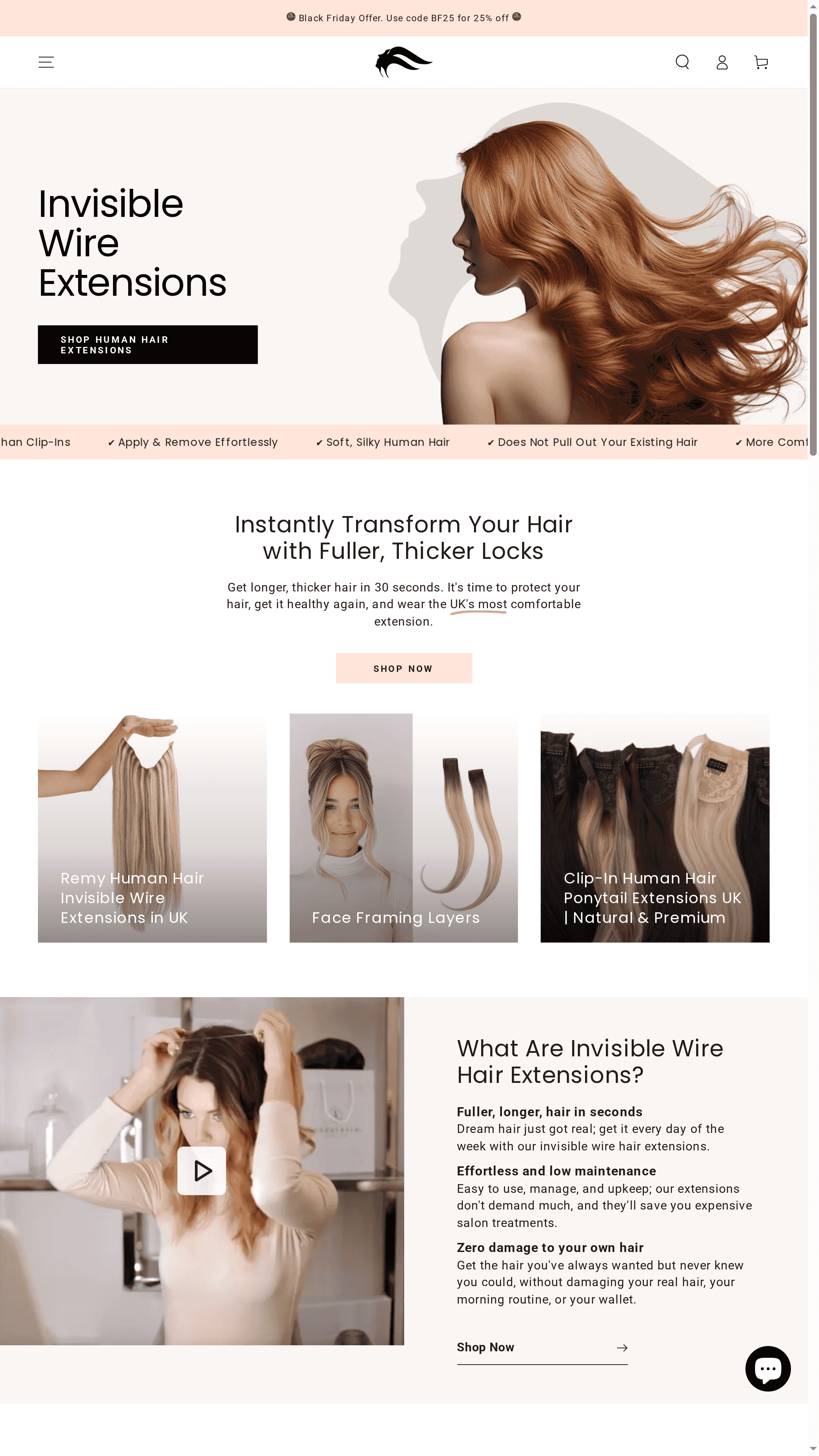
Naturylextensions offers Remy human hair invisible wire extensions designed specifically for women who want fuller hair without salon appointments or damage risk. The invisible wire sits comfortably on the crown, distributes weight evenly, and blends with your natural colour and texture. For women who want to tailor their volume further, additional length wire options allow you to customise the fit and density to your exact needs. Every product uses ethically sourced Remy hair, backed by fast UK delivery and a free exchange policy. If you are ready to see what a genuine volume difference looks like, Naturylextensions is the place to start.
FAQ
What is the best extension type for fine hair volume?
Clip-in and halo wire extensions are the best choice for fine hair. They add 120–220 grams of volume with zero damage and no adhesive, making them safe for daily wear.
How do I avoid visible tracks when adding volume?
Place larger wefts below the occipital bone and use your natural hair to cover them. Avoid attaching clips or bonds directly at the crown centre, where hair is thinnest and tracks show most easily.
Can hair extensions cause hair loss if used for volume?
Poorly placed extensions can cause traction alopecia over time. Rotating attachment points, avoiding tight tension at the crown, and choosing damage-free types like clip-ins significantly reduce this risk.
How often should volume extensions be maintained?
Tape-in and sew-in extensions need a maintenance appointment every six to eight weeks. Clip-ins and halo extensions require no professional maintenance, only gentle washing and careful storage between wears.
Does Remy hair make a difference for volume extensions?
Remy hair runs root to tip in one direction, which prevents tangling and keeps the hair sitting naturally against your own strands. Non-Remy hair mats quickly and adds unwanted weight without the volume payoff.