TL;DR:
- Ethical sourcing in the hair industry involves fair wages, transparency, and environmentally responsible practices. Brands that practice genuine ethical sourcing build consumer trust and produce higher-quality products. Consumers and professionals should request detailed supply chain information to support responsible sourcing.
Ethical sourcing in the hair industry is defined as the practice of obtaining human hair and related ingredients through fair, transparent, and environmentally responsible means that protect the rights of donors, workers, and communities. The role of ethical sourcing in hair industry supply chains extends far beyond a label on a box. It determines whether the person who donated their hair was paid fairly, whether the environment was protected in the process, and whether the brand you trust is genuinely accountable. Brands like Alaffia, Davines, and Natura have demonstrated that ethical sourcing is not only possible at scale but commercially viable. For consumers and professionals alike, understanding what responsible sourcing in beauty actually looks like is the first step to making choices that matter.
What does ethical sourcing in hair products actually involve?
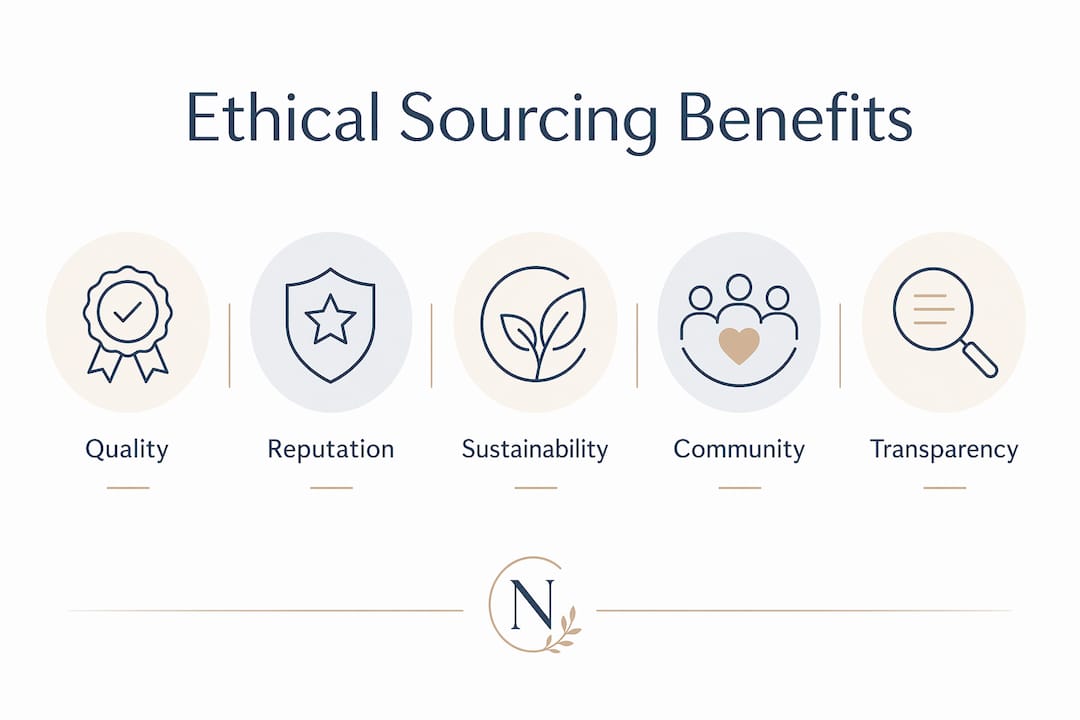
Ethical sourcing, also referred to as responsible supply chain management in the beauty sector, rests on four core principles: fair labour, transparency, environmental sustainability, and community benefit. Each one is non-negotiable if a brand’s claims are to hold up to scrutiny.
The key components of a genuinely ethical supply chain include:
- Fair wages and labour conditions. Workers and hair donors must receive above-market compensation. Brands like Kalahari Rose source rooibos and marula oils from certified, women-led cooperatives in Southern Africa, paying rates that reflect real living costs rather than the lowest available price.
- Transparency and traceability. You should be able to trace a product from donor to finished item. Alaffia maintains vertical integration to avoid brokers entirely, which means every stage of the supply chain is visible and accountable.
- Environmental stewardship. Responsible harvesting protects ecosystems. Davines and Natura both stress regenerative sourcing practices that support soil health and biodiversity rather than depleting natural resources.
- Community empowerment. Genuine ethical sourcing moves beyond charity. Natura works with over 7,000 indigenous families in the Amazon under formal, profit-sharing contracts. That is agency, not aid.
- Certifications and standards. Recognised standards such as Fair Trade, the Rainforest Alliance, and B Corp certification provide a baseline. They are useful indicators, but they are not a substitute for direct supply chain engagement.
The contrast with vague marketing claims is stark. Many brands use phrases like “ethically sourced” or “sustainably harvested” without disclosing supplier names, wage data, or environmental monitoring practices. The core principles of ethical sourcing include no forced or child labour, fair wages, and full traceability. Without evidence of all three, the claim is incomplete.
Pro Tip: When evaluating a brand’s ethical sourcing credentials, ask specifically whether they publish a supplier list and whether wages are benchmarked against local living wage data. Vague answers are a red flag.
How does ethical sourcing impact quality, reputation, and sustainability?
Ethical sourcing and product quality are directly connected. Hair obtained with donor consent, under fair conditions, and handled with care throughout the supply chain is consistently higher in quality than hair sourced through exploitative or opaque channels. Ethically sourced hair avoids the exploitation that leads to rushed harvesting, poor handling, and compromised cuticle integrity. The result is a product that looks better, lasts longer, and behaves more naturally.

The reputational benefits are equally significant. Consumers are increasingly unwilling to purchase from brands that cannot demonstrate accountability. A brand that publishes its supply chain data, pays fair wages, and holds third-party certifications builds a level of consumer trust that no marketing budget can replicate. This trust translates directly into loyalty and long-term commercial performance.
On the environmental side, the impact of ethical sourcing is measurable. Refillable packaging innovations in hair care can reduce plastic waste by around 73% compared to traditional packaging. That figure illustrates how sustainability commitments, when applied consistently across a supply chain, produce real ecological outcomes rather than symbolic gestures.
Long-term sustainability for communities is equally important. When brands like Natura invest in regenerative sourcing and profit-sharing, they create stable livelihoods that protect both people and ecosystems over decades. Short-term transactional relationships, by contrast, leave communities vulnerable and ecosystems unprotected.
Pro Tip: If you are a salon professional, ask your product suppliers for their environmental impact reports. Brands committed to sustainability will have this data readily available. Those that do not are worth questioning.
What are the challenges and controversies in ethical sourcing?
Ethical sourcing in the hair industry faces genuine structural challenges. The supply chains for human hair are long, complex, and often poorly documented. Hair may pass through multiple brokers between donor and manufacturer, making traceability extremely difficult to verify.
The most common problems include:
- Lack of transparency. Many brands cannot name their suppliers or provide wage data. Without this information, any ethical claim is unverifiable.
- Power imbalances. Donor communities, particularly in South and South-East Asia, often have little negotiating power relative to large international brands. This creates conditions where exploitation can persist even within nominally ethical supply chains.
- Certification without substance. Holding a Fair Trade or organic certification does not automatically mean a brand has direct, accountable relationships with its suppliers. Certifications audit against minimum standards, not best practice.
- Unintended consequences. Poorly managed ethical sourcing programmes can disrupt existing community economies or create dependency rather than genuine empowerment.
“Consumers are encouraged to doubt vague ethical claims lacking detailed supplier data or impact monitoring.” — Kalahari Rose
The contrast between Natura and many of its peers illustrates this well. Natura’s long-term contracts with indigenous suppliers represent a model built on genuine partnership. Most brands, however, rely on third-party certification alone and have no direct relationship with the communities that supply their ingredients. That gap between certification and true engagement is where most ethical sourcing claims fall short.
Scepticism is warranted. Consumers should treat “ethically sourced” as a starting point for investigation, not a conclusion. Brands that are genuinely committed to responsible sourcing in beauty will welcome scrutiny and provide detailed answers.
How can you identify and support ethically sourced hair products?
Identifying genuinely ethical hair products requires asking the right questions and knowing what credible answers look like. The following steps give you a practical framework, whether you are a consumer or a salon professional.
- Ask for supplier transparency. Request the names and locations of a brand’s key suppliers. A brand with nothing to hide will share this information. One that deflects or offers only vague reassurances is worth avoiding.
- Check wage fairness. Ask whether suppliers are paid above local market rates and whether wages are benchmarked against living wage data. Brands like Alaffia and Kalahari Rose make this information part of their public communications.
- Look beyond certifications. Certifications are useful but insufficient on their own. Ask whether the brand has direct, long-term relationships with its suppliers or whether it relies entirely on third-party audits.
- Review environmental policies. Ask about packaging, harvesting practices, and waste reduction. Brands committed to sustainability will have specific, measurable policies rather than general statements.
- Seek traceability reports. The most credible brands publish annual impact or traceability reports. These documents detail supplier relationships, wage data, and environmental outcomes.
| What to look for | What it signals |
|---|---|
| Named suppliers and locations | Genuine transparency in the supply chain |
| Above-market wage data | Commitment to fair labour practices |
| Long-term supplier contracts | Partnership model rather than transactional sourcing |
| Published environmental impact reports | Accountability for ecological footprint |
| Third-party certification plus direct engagement | Substance behind the ethical claim |
For industry professionals, the benefits of ethical sourcing extend to your own reputation. Stocking and recommending products from brands with verified ethical practices signals to your clients that you take your responsibilities seriously. You can explore the UK hair extension industry trends to understand how consumer expectations around ethics are reshaping purchasing decisions across the sector.
When purchasing hair extensions specifically, the checklist for buying extensions covers the key quality and ethical indicators worth verifying before you commit to a product.
Key takeaways
Ethical sourcing in the hair industry requires fair labour, full supply chain transparency, and genuine community partnership, not just certification.
| Point | Details |
|---|---|
| Transparency is non-negotiable | Brands must name suppliers and publish wage and environmental data to substantiate ethical claims. |
| Quality and ethics are linked | Ethically sourced hair, such as Remy human hair, consistently delivers better quality due to respectful handling and donor consent. |
| Certifications are a starting point | Fair Trade or B Corp status signals intent but does not replace direct supplier relationships. |
| Consumer scrutiny drives change | Asking brands specific questions about wages, suppliers, and monitoring is the most effective way to hold them accountable. |
| Sustainability has measurable outcomes | Refillable packaging and regenerative sourcing produce documented environmental benefits, not just marketing claims. |
Why I think the industry is at a turning point on ethical sourcing
Having followed the hair and beauty sector closely for a number of years, I am convinced that the conversation around ethical sourcing has shifted from niche concern to mainstream expectation. What strikes me most is how the brands doing this well, Alaffia, Natura, Davines, are not sacrificing commercial performance for principles. They are outperforming competitors precisely because their supply chains are more stable, their communities more invested, and their products more consistent in quality.
The uncomfortable truth is that most “ethically sourced” claims in the hair industry are still marketing language rather than verified practice. The gap between what brands say and what they can demonstrate remains wide. I have seen brands with prominent ethical messaging that cannot name a single supplier when pressed. That is not ethics. That is positioning.
What gives me confidence is the growing number of consumers and professionals who are asking harder questions. When a client asks their stylist where the extensions came from and whether the donor was paid fairly, that is a structural shift in expectations. Salons and brands that cannot answer those questions will find themselves at a disadvantage as transparency becomes the norm rather than the exception.
The future of responsible sourcing in beauty lies in direct relationships, long-term contracts, and published accountability. Certification will remain useful as a baseline, but the brands that lead will be those that go further. For anyone working in or purchasing from the hair industry, the time to raise your standards is now, not when the regulation arrives.
— Sam
Explore Naturylextensions’ ethically sourced hair extensions
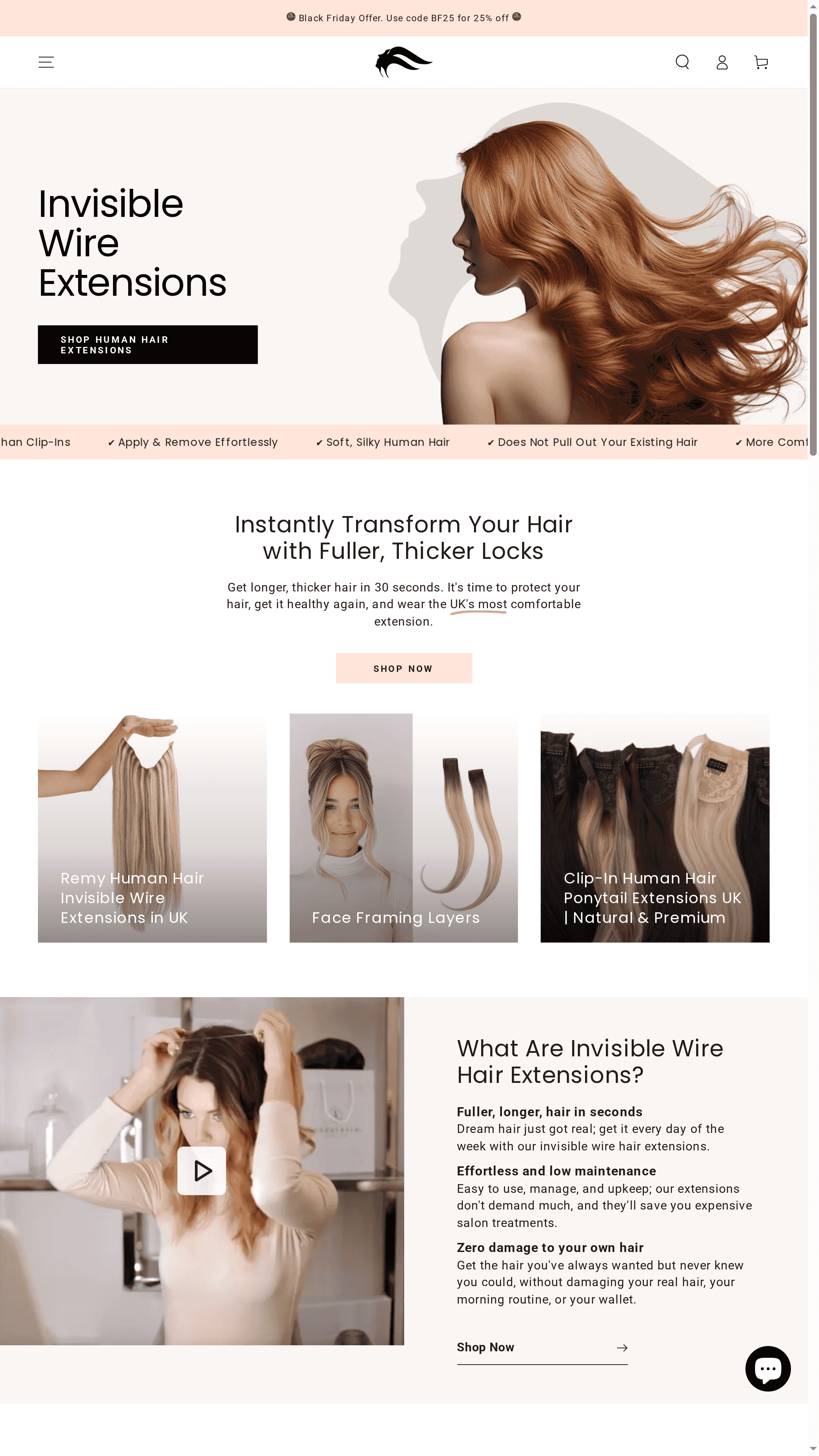
Naturylextensions is built on a commitment to premium, ethically sourced Remy human hair. Every product in the range, from invisible wire extensions to ponytail and face-framing styles, is crafted from hair that meets rigorous quality and ethical standards. Remy hair means the cuticles are kept intact and aligned, which is only achievable when sourcing is handled with care and respect from the outset. If you want to understand more about what makes Remy hair the gold standard, the Remy hair guide explains exactly what to look for. Explore the full range at Naturylextensions and choose extensions you can feel confident about, from source to style.
FAQ
What is ethical sourcing in the hair industry?
Ethical sourcing in the hair industry means obtaining human hair through fair labour practices, transparent supply chains, and environmentally responsible methods that protect donors, workers, and communities. It covers fair wages, no exploitation, and full traceability from source to finished product.
How does ethical sourcing affect hair extension quality?
Ethically sourced hair, particularly Remy human hair, is consistently higher in quality because respectful handling and donor consent preserve the cuticle structure. This results in extensions that look more natural, tangle less, and last longer.
Are “ethically sourced” claims on hair products reliable?
Not always. Many brands use the term without disclosing supplier names, wage data, or environmental monitoring practices. Consumers should request specific evidence, including supplier identities and traceability reports, before accepting any ethical sourcing claim at face value.
What certifications should I look for in ethical hair products?
Fair Trade, B Corp, and Rainforest Alliance certifications provide a useful baseline, but they are not sufficient on their own. The most credible brands combine certification with direct, long-term supplier relationships and published impact reports.
How can salon professionals promote ethical sourcing?
Salon professionals can prioritise stocking products from brands with verified ethical credentials, ask suppliers for traceability and wage data, and educate clients about the importance of responsible sourcing. Choosing ethical hair extensions from accountable brands is a direct and practical way to support better industry standards.