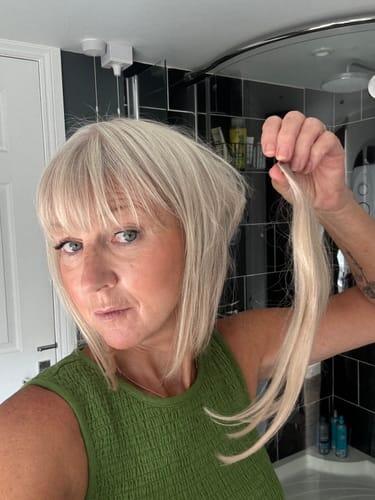
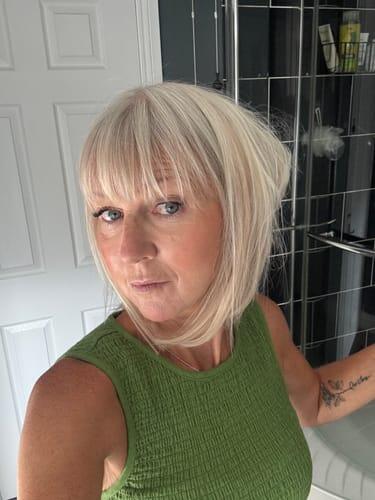
TL;DR:
- Proper layering enhances the natural appearance of hair extensions by adding dimension and avoiding flatness. Assessing hair density, texture, and shape before choosing a style ensures a seamless blend that suits individual features. Regular trimming, soft blending, and thoughtful extension placement maintain a natural, balanced, and effortlessly styled look.
Getting your extensions to look genuinely natural is one of the most common challenges for anyone experimenting with fuller hair. The solution, more often than not, comes down to the layers to try with extensions and how thoughtfully you introduce them. Layering creates dimension, prevents that telltale flat look, and makes extensions appear as though they simply belong there. This guide walks you through everything from how to assess your own hair before layering to the most popular layered looks available, so you can make confident, informed choices.
Table of Contents
- Key takeaways
- What to consider before choosing layers with extensions
- 9 popular layers to try with extensions
- Comparing layering styles for extensions
- Styling and maintenance tips for layered extensions
- Choosing the right layering technique for your goals
- My honest take on layering with extensions
- Achieve your layered look with Naturylextensions
- FAQ
Key takeaways
| Point | Details |
|---|---|
| Assess before you layer | Understand your natural hair density and growth patterns before choosing any layering style. |
| Match texture, not just colour | Texture mismatches cause blending failure regardless of how precisely you layer. |
| Soft layers outperform blunt cuts | Modern layering prioritises gentle blends and movement over choppy, shelf-like results. |
| Trim extensions after placement | Cutting extensions post-installation produces a far more natural and personalised blend. |
| Maintenance keeps layers fresh | Face-framing layers lose shape fastest and benefit from trims every 8 to 12 weeks. |
What to consider before choosing layers with extensions
Before you commit to any layering style, it helps to take stock of what you are working with. Layering is primarily a visual skill requiring you to understand your natural hair growth patterns and density first, not just add more extensions for volume. Skipping this step is where most people go wrong.
Here are the key factors to assess before deciding which style suits you:
- Natural hair density. Fine hair needs lighter, longer layers to avoid looking overwhelmed. Thick hair benefits from controlled elevation during layering at 45 to 90 degrees to reduce bulk without losing structure.
- Hair texture. Texture matching in extensions is as critical as colour matching. A mismatch between straight natural hair and wavy extensions causes blend failure no matter how good your layering technique is. Visit Naturylextensions’ guide on hair texture in extensions for a thorough breakdown.
- Colour consistency. Even with perfect layers, mismatched colour shades create visible disconnects. Colour matching matters enormously for achieving believable layered extension styles.
- Your haircut shape. Extensions should support your existing haircut design, not fight against it. If you already have a round cut or blunt ends, certain layering techniques will suit your base better than others.
- Extension method. Clip-in extensions, invisible wire extensions, and bonded extensions each interact differently with layering. Knowing your method helps you decide where and how much to layer.
Pro Tip: Style your natural hair into its usual texture before placing extensions. This gives you an accurate baseline for how the layers need to sit and where blending will be most visible.
9 popular layers to try with extensions
1. Butterfly layers
Butterfly layers are one of the most requested styles for good reason. They create a two-tier softness with face-framing shorter pieces at the front and longer layers underneath, giving the impression of fullness without bulk. The effect is soft and romantic rather than aggressively layered.
With extensions, butterfly layers work particularly well when the shorter face-framing pieces are part of your natural hair rather than the extension itself. This keeps the layers looking anchored and real.
2. Long layers
Long layers are the most reliable option for anyone trying extensions for the first time. They reduce visible thickness at the ends and allow the extension hair to flow into your natural hair without a shelf effect. The transition between lengths is gradual, which makes spotting where the extension begins almost impossible when done well.
Long layers also offer versatility. You can wear them straight, wavy, or curled, and the layered movement holds in every style.
3. Feathered layers
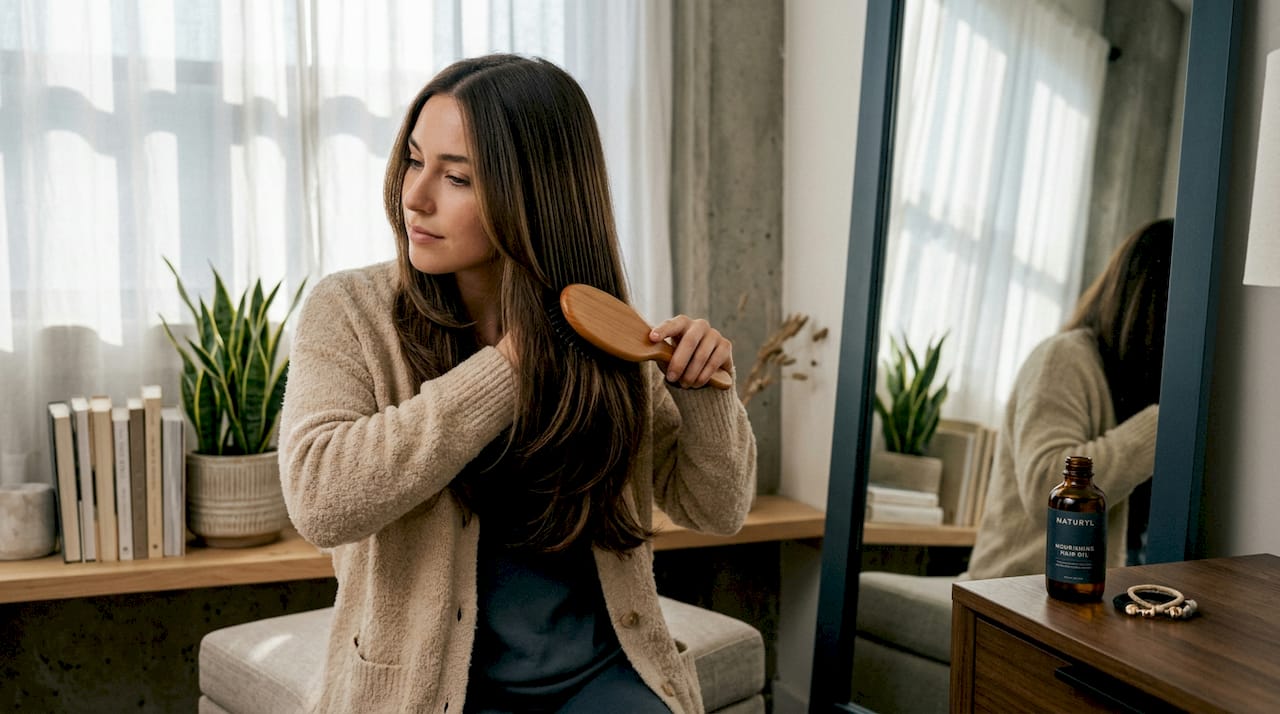
Feathered layers are lighter and less defined than choppy alternatives. They softly diffuse sharp angles to create a fluid effect, making them particularly flattering for angular face shapes or those who want their extensions to add length without drawing attention to themselves.
For extensions, feathering works best when applied after installation using thinning shears or point cutting. The result is wispy ends that blend into natural hair rather than sitting visibly on top of it.
Pro Tip: Ask your stylist to point cut the extension ends after installation rather than blunt cutting them. This single step removes the telltale flatness that reveals extensions immediately.
4. Choppy layers
Choppy layers create a modern, textured look with more visible disconnection between lengths. They work well for people with naturally thick hair who want their extensions to add volume and attitude rather than just length.
The key with choppy layers and extensions is restraint. Too much disconnection creates an unnatural, stepped effect where the extension sits in a visible shelf. Keep the choppiness subtle and blend the edges carefully.
5. Face-framing layers
Face-framing layers are shorter pieces that sit around the face, usually from the cheekbone to the chin area. They do not need to be part of the extension hair at all. In fact, cutting face-framing layers from your natural hair and letting the extensions provide the length underneath creates one of the most believable blends available.
This is a low-maintenance choice because the face-framing pieces are short and light, meaning they require less styling to sit correctly alongside the extension body.
6. Curtain layers
Curtain layers are a variation of face-framing layers that part in the centre and fall on either side of the face. The length tends to start at cheekbone level and gradually blend into the rest of the hair. With extensions providing the overall length, curtain layers give the look dimension and a soft, parted frame.
This style suits almost every face shape and pairs well with invisible wire extensions because the wire placement at the crown does not interfere with the front framing pieces.
7. Graduated layers
Graduated layers involve a systematic increase in length from the shortest point at the crown to the longest at the ends. Rather than creating dramatic steps, graduation builds a smooth visual slope that reads as natural thickness and movement.
For extensions, this technique is excellent when you want to add significant length without the result looking artificial. The gradual build means your natural hair and the extensions share the volume load more evenly.
8. Invisible layers
Invisible layers, sometimes called internal layers, are cut from underneath the hair to remove weight without visibly shortening any lengths on the surface. From the outside, the hair looks the same length. From the inside, there is significantly less bulk.
This is a particularly useful technique for anyone wearing extensions on already thick natural hair. Removing internal weight prevents the combined density from looking heavy or unnatural.
9. Soft layers for layered hairstyles for long hair
For those wearing extensions primarily for length, soft layers added at the mid-length and ends create movement without sacrificing the fullness that extensions provide. These are less dramatic than butterfly or choppy styles and work perfectly for people who want a polished, low-maintenance result that suits everyday wear.
Blending extensions with soft layers works best when you treat the extension hair as an extension of the existing cut rather than a separate element added on top.
Comparing layering styles for extensions
Use this table as a quick reference when deciding which style fits your hair type and goals.
| Layering style | Best hair type | Styling complexity | Blend naturalness | Volume impact | Maintenance |
|---|---|---|---|---|---|
| Butterfly layers | Fine to medium | Moderate | Very high | High | Every 8 to 10 weeks |
| Long layers | All types | Low | High | Medium | Every 10 to 12 weeks |
| Feathered layers | Fine to medium | Moderate | Very high | Low to medium | Every 8 to 10 weeks |
| Choppy layers | Thick | High | Medium | High | Every 6 to 8 weeks |
| Face-framing layers | All types | Low | Very high | Low | Every 8 to 12 weeks |
| Curtain layers | All types | Low | High | Medium | Every 8 to 12 weeks |
| Graduated layers | Medium to thick | Moderate | High | High | Every 10 to 12 weeks |
| Invisible layers | Thick | High | Very high | Medium | Every 10 to 12 weeks |
| Soft long layers | All types | Low | High | Medium | Every 10 to 12 weeks |
Styling and maintenance tips for layered extensions
Getting the layers right at installation is only half the work. Keeping them looking natural over time requires consistent, thoughtful maintenance.
- Style your natural hair first. Styling natural hair first empowers better texture matching and blending when you add the extensions afterwards. It sets the baseline texture that your extensions need to mirror.
- Trim extensions after placement. Never assume that extensions will blend perfectly straight out of the pack. Trimming them post-installation to match your specific layers is what separates a good result from a great one.
- Use thinning shears on the ends. Using thinning shears and point cutting on extension ends avoids blunt edges and the shelf effect that reveals extensions immediately. Softer ends create movement that reads as natural.
- Avoid the longest lengths on the bottom layer. Placing the heaviest, longest extension pieces on the very bottom layer causes drooping and poor extension retention. Distribute weight more evenly throughout the layers.
- Trim every 8 to 12 weeks. Face-framing layers lose shape fastest and benefit from a quick refresh at this interval. Regular trims prevent heaviness and keep the layered silhouette intentional.
- Maintain colour and texture consistency. Visit your colourist to keep your natural hair and extensions visually aligned. A few weeks of colour growth can undo an otherwise excellent layer blend.
Pro Tip: When refreshing your layers, bring a photo of the style you want to maintain. Layers with extensions shift slightly over time as hair grows, so giving your stylist a clear reference prevents them from inadvertently reshaping the blend.
Choosing the right layering technique for your goals
With nine styles in front of you, the decision becomes about matching your specific situation rather than chasing the most popular trend. Layering techniques are not one-size-fits-all, and the best result always comes from a personalised approach.
If your natural hair is fine and you are wearing extensions for volume, butterfly or feathered layers will give you softness without weight. If your natural hair is thick and you simply want more length, long layers or graduated layers distribute the extension weight most naturally. If you style your hair daily and want maximum versatility, long layers require the least maintenance effort and hold across multiple textures and finishes.
Think about your lifestyle honestly. Someone who prefers to air-dry and use minimal product needs a layering style that works without much intervention. Choppy or feathered layers require more styling effort to look intentional on a daily basis, whereas long or soft layers look polished with very little work.
The most overlooked consideration is weight distribution. Overloading one area of the head with extensions, even with beautiful layers on top, creates imbalance that no styling technique can disguise. Spread your extension wefts thoughtfully and let the layering enhance what is already there rather than compensate for poor placement.
You can find detailed guidance on choosing extensions for a natural look that covers exactly how to match both method and style to your hair type.
My honest take on layering with extensions
I’ve spent a lot of time looking at how people approach layering with extensions, and the most consistent mistake I see is treating it as a formula. People measure, section, and place extensions by the book, and then wonder why the result still looks off. Layering is genuinely more of a visual craft than a technical procedure.
What I’ve found works is working backwards from the result you want, not forwards from the instructions. Look at yourself in the mirror with your natural hair at its most typical texture and ask where the weight sits, where the volume drops, and where the line between your natural hair and extensions will be most visible. That tells you where to layer, not a guide.
I’ve also noticed that people consistently underestimate the impact of soft blends. Softness and natural movement in modern layering are what make extensions genuinely wearable, and yet most people gravitate towards dramatic choppy cuts because they photograph well. In real life, a soft butterfly layer or a feathered blend will serve you far better every single day.
My strongest advice is this: experiment, but do it mindfully. Start with one style, wear it for a few weeks, and notice what bothers you about it before changing anything. That feedback is far more useful than any guide.
— Sam
Achieve your layered look with Naturylextensions
If you are ready to experiment with layering styles, starting with the right extensions makes everything simpler. Naturylextensions offers premium Remy human hair extensions designed specifically for natural blending, including invisible wire extensions that sit discreetly at the crown and integrate with layers beautifully. For those building out a custom layered look with added length, the additional length wires give you the flexibility to experiment with graduated or long layer styles without committing to permanent changes. All products are ethically sourced, damage-free to wear, and available with fast UK delivery. Your layered style starts with the right foundation.
FAQ
Which layers work best with hair extensions?
Butterfly layers, long layers, and feathered layers blend most naturally with extensions because they create gradual transitions rather than visible steps. Long layers in particular reduce bulk at the ends and maintain smooth movement.
How often should I trim layered extensions?
Layered extensions benefit from a trim every 8 to 12 weeks. Face-framing pieces lose shape the fastest and may need a light refresh closer to the 8-week mark to keep the blend looking intentional.
Can I layer extensions myself at home?
Light trimming using point cutting or thinning shears is manageable at home, but significant layering is best done by a professional after installation. Blunt home cuts are the most common cause of the shelf effect that makes extensions visible.
Does layering damage extensions?
Trimming extensions carefully does not damage them, but repeated cutting shortens their usable length over time. Using quality Remy human hair extensions gives you more margin, as the hair holds its condition longer and responds better to styling tools.
What is the biggest mistake when layering extensions?
Placing the heaviest lengths on the very bottom layer. This causes drooping and poor retention, making the extension line visible. Distributing weight evenly across all layers produces a far more natural and stable result.