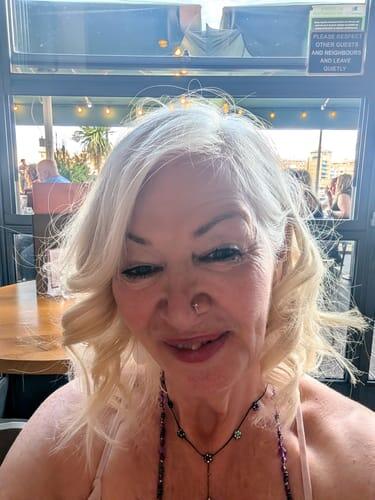
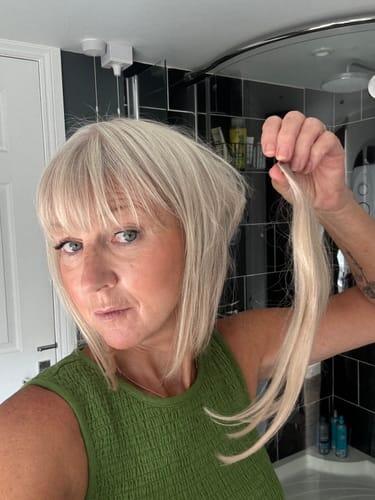
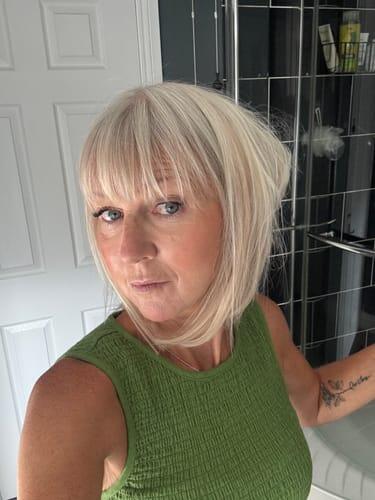
Finding hair extensions that truly blend with your own hair can feel like a challenge for many British women. The way your hair behaves, from curl pattern to thickness, makes all the difference in seamless styling. When you understand your unique hair texture, you unlock the secret to a flawless, damage-free transformation. Discover how matching hair texture ensures your extensions look natural, lie perfectly, and maintain the health of your hair.
Table of Contents
- Defining Hair Texture In Hair Extensions
- Matching Hair Texture For Seamless Blending
- Types Of Extensions For Different Textures
- Care And Maintenance Across Hair Textures
- Avoiding Damage And Common Mistakes
Key Takeaways
| Point | Details |
|---|---|
| Understanding Hair Texture is Essential | Hair texture influences how extensions blend with natural hair, making it crucial for selection and application. |
| Proper Matching is Key for Seamless Blending | Extensions must mirror the natural curl pattern, thickness, and keratin composition for an undetectable look. |
| Choose the Right Extension Type | Selecting extensions suited to specific hair textures promotes health and reduces potential damage. |
| Regular Maintenance is Crucial | Tailored care strategies for each hair texture ensure longevity and prevent damage to both natural hair and extensions. |
Defining Hair Texture in Hair Extensions
Hair texture refers to the natural pattern, thickness, and characteristics of an individual’s hair strands. Understanding hair texture is crucial when selecting hair extensions, as it determines how seamlessly the extensions will blend with your natural hair.
Hair texture fundamentally depends on several key characteristics:
- The shape of the hair follicle
- Keratin protein distribution
- Natural hair strand diameter
- Genetic predisposition
Researchers have identified that hair texture varies significantly among different ethnic groups, which impacts how extensions are chosen and applied. Hair textures typically fall into four primary categories:
- Straight hair (Type 1)
- Wavy hair (Type 2)
- Curly hair (Type 3)
- Coily/Kinky hair (Type 4)
Each texture presents unique challenges and opportunities when integrating hair extensions. Hair follicle structure determines texture fundamentally, influencing how extensions will interact with natural hair strands.
Choosing extensions that closely match your natural hair texture ensures a more natural, undetectable appearance. Professional stylists recommend selecting extensions with similar wave patterns, strand thickness, and keratin composition to achieve optimal blending.
Pro tip: Always request a professional consultation to determine your precise hair texture and find the most complementary extension type.
Matching Hair Texture for Seamless Blending
Hair extension matching is an intricate process that requires careful consideration of texture, curl pattern, and strand characteristics. Professional stylists understand that achieving a seamless, natural look depends entirely on selecting extensions that mirror your unique hair profile.
Key factors for successful texture matching include:
- Natural hair curl pattern
- Hair strand thickness
- Strand diameter
- Keratin composition
- Overall hair porosity
Seamless blending depends significantly on matching extension texture with an individual’s natural hair. Hair extensions come in multiple texture variations to accommodate different hair types, ensuring a virtually undetectable integration.
Professional hair technicians recommend a comprehensive assessment of your hair’s unique characteristics before selecting extensions. Different hair textures require specific approaches:
- Straight hair: Smooth, sleek extensions with minimal volume
- Wavy hair: Extensions with gentle, natural wave patterns
- Curly hair: Textured extensions matching specific curl tightness
- Coily hair: Dense, voluminous extensions with tight curl structures
Hair texture matching goes beyond visual appearance. Proper texture alignment prevents artificial-looking results and reduces styling complexity, allowing for more effortless management and a more natural aesthetic.
Choosing the right texture involves understanding not just visual appearance, but also how different hair types interact, move, and respond to styling techniques. This nuanced approach ensures that your extensions blend seamlessly, looking and feeling like your natural hair.
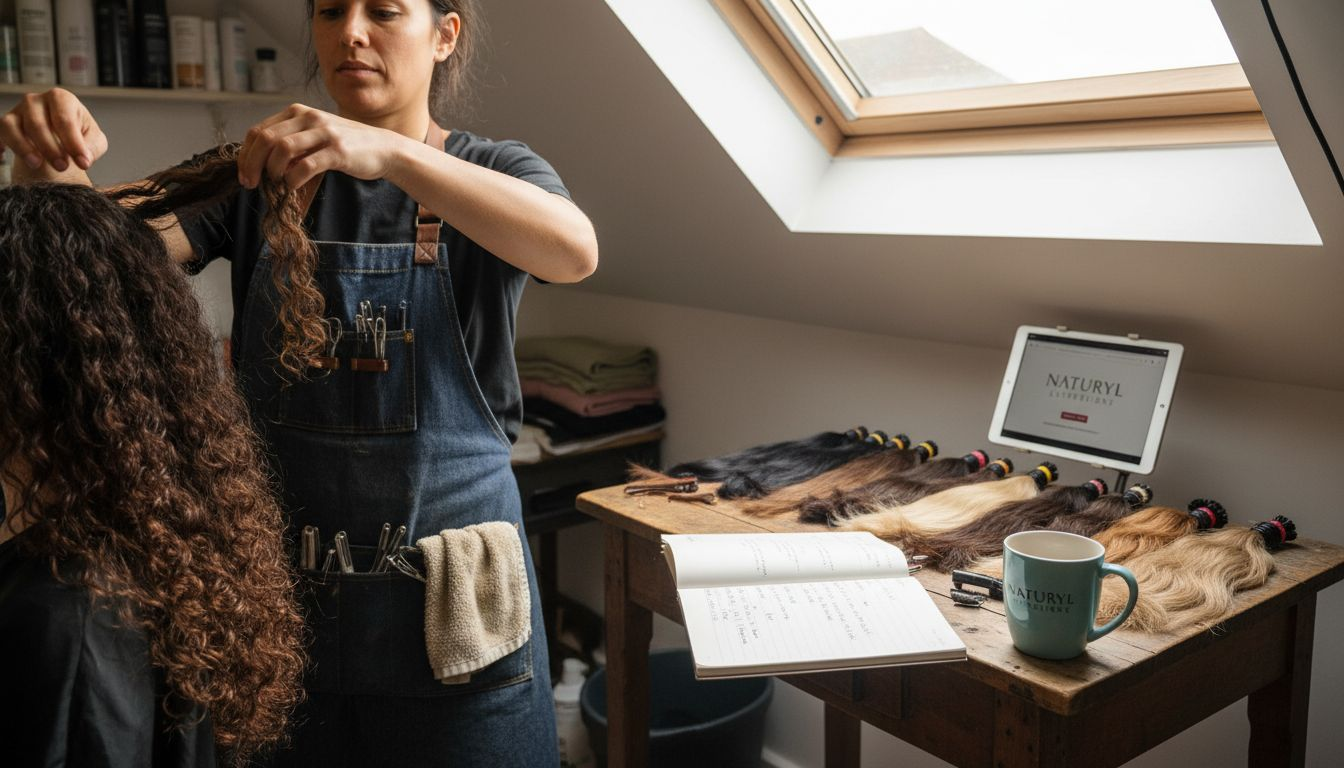
Pro tip: Always request a professional texture consultation and bring reference photos to help your stylist understand your precise hair characteristics.
Types of Extensions for Different Textures
Hair extension selection requires a nuanced understanding of how different extension types complement various hair textures. The perfect extension not only enhances appearance but also protects the natural hair from potential damage.
Key extension types for different hair textures include:
- Clip-in extensions: Versatile for most hair types
- Tape-in extensions: Ideal for fine to medium hair
- Micro-ring extensions: Suitable for thick, coarse hair
- Weave extensions: Best for dense, curly hair
- Invisible wire extensions: Perfect for thin or delicate hair
Different extension types suit specific hair textures with remarkable precision. Hot fusion extensions work exceptionally well with thick or coarse hair, while clip-in extensions offer flexibility across multiple hair types.
For specific hair texture considerations, professional stylists recommend:
- Straight hair: Smooth, sleek tape-in or clip-in extensions
- Wavy hair: Micro-ring or hand-tied extensions for natural movement
- Curly hair: Weave or sew-in extensions that match curl pattern
- Coily hair: Protective styles with minimal tension
Texture-specific extensions play a crucial role in preventing potential hair damage. Certain hair textures require extra care to avoid traction alopecia, especially for tightly curled or Afro-textured hair.
Understanding the intricate relationship between hair texture and extension type ensures not just aesthetic appeal, but also maintains the health and integrity of your natural hair. Each extension method brings unique advantages that can be tailored to individual hair characteristics.
Pro tip: Consult a professional stylist who specialises in your specific hair texture to determine the most suitable extension method.
Here is a summary comparing different hair extension methods and their suitability for hair textures:
| Extension Method | Best Suited For | Installation Complexity | Main Benefit |
|---|---|---|---|
| Clip-in Extensions | All hair types | Simple, DIY | Easy to attach and remove |
| Tape-in Extensions | Fine to medium hair | Moderate, professional | Lightweight and discreet |
| Micro-ring Extensions | Thick, coarse hair | Complex, professional | No glue or heat required |
| Weave Extensions | Dense, curly hair | Advanced, salon needed | Secure and long-lasting |
| Invisible Wire | Thin, delicate hair | Very simple, DIY | Gentle, minimal tension |
Care and Maintenance Across Hair Textures
Extension maintenance is a nuanced process that demands personalised care strategies tailored to individual hair textures. Understanding the unique requirements of your specific hair type ensures longevity, health, and a consistently flawless appearance.
Key maintenance considerations for different hair textures include:
- Moisture retention techniques
- Gentle detangling methods
- Heat styling precautions
- Protective styling approaches
- Product selection specifics
Caring for hair extensions varies significantly by hair texture and requires a targeted approach. Natural hair extensions typically follow similar maintenance routines to natural hair, involving regular conditioning and gentle handling.
Specific maintenance recommendations for different hair textures:
- Straight hair: Minimal product use, light conditioning
- Wavy hair: Moisture-rich products, diffuser styling
- Curly hair: Deep conditioning, limited manipulation
- Coily hair: Intensive moisture treatments, protective styling
Textured hair maintenance demands extra attention to prevent potential damage. Protective styling techniques are crucial for preventing hair breakage, particularly for Afro-textured hair and delicate extension applications.
Each hair texture presents unique challenges, requiring a customised approach to extension care. Understanding these nuanced requirements helps maintain the health of both natural hair and extensions, ensuring a beautiful, long-lasting result.
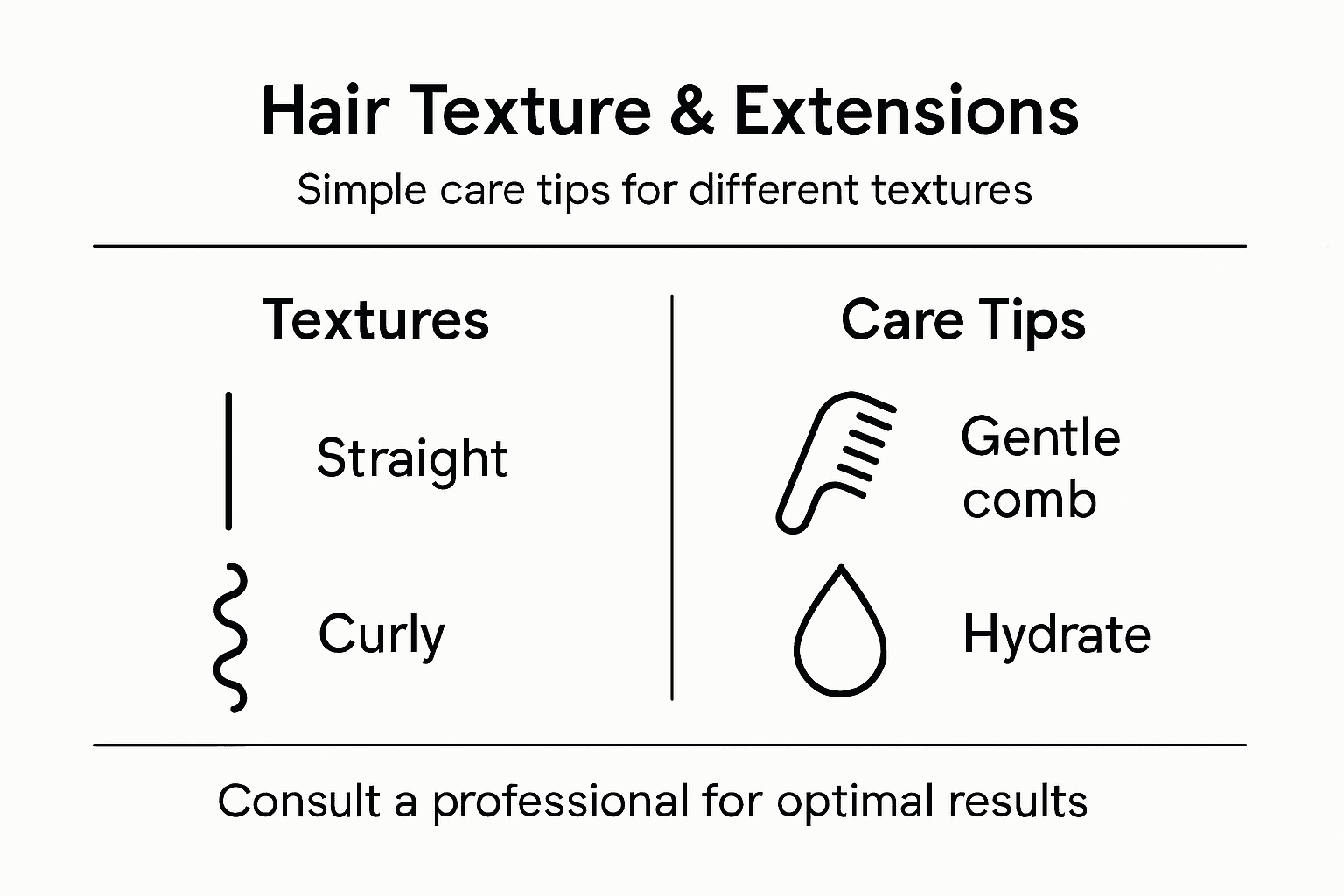
Pro tip: Invest in texture-specific hair care products and consult with a professional stylist who understands your unique hair characteristics.
The following table highlights main hair texture types with unique care and blending challenges:
| Hair Texture | Key Challenge | Styling Tip |
|---|---|---|
| Straight | Slippage risk | Use lightweight extensions |
| Wavy | Frizz prevention | Style with a diffuser |
| Curly | Curl definition | Deep conditioning essential |
| Coily | Breakage risk | Prioritise protective styles |
Avoiding Damage and Common Mistakes
Hair extension damage can occur through multiple pathways, often stemming from incorrect application, poor maintenance, or misunderstanding of specific hair texture requirements. Recognising potential pitfalls is crucial for maintaining the health of both your natural hair and extensions.
Common mistakes that lead to hair extension damage include:
- Incorrect extension weight selection
- Improper installation techniques
- Excessive heat styling
- Neglecting proper washing routines
- Using incompatible hair products
Common extension errors contribute significantly to potential hair damage, with mismatched textures and inadequate care being primary culprits. Professionals emphasise the importance of selecting extensions that complement your natural hair structure.
Key strategies for preventing extension-related damage:
- Consult professional stylists for personalised advice
- Choose extensions matching your natural hair texture
- Follow manufacturer-recommended care instructions
- Limit heat styling frequency
- Use professional-grade hair care products
Extension application risks require careful consideration. Professional application minimises potential hair damage by ensuring correct technique, appropriate tension, and suitable extension selection.
Understanding the nuanced relationship between hair texture, extension type, and maintenance practices is fundamental to preventing damage. Each hair type presents unique challenges, necessitating a tailored approach to extension care and styling.
Pro tip: Invest in a professional consultation and periodic maintenance checks to prevent long-term hair damage and maintain extension quality.
Discover Hair Extensions That Truly Match Your Texture for Effortless Beauty
Understanding the role of hair texture is essential to achieving seamless, natural-looking hair extensions. Many struggle with mismatched extensions that feel heavy or look artificial. The key pain points often involve finding extensions that blend perfectly with curl patterns, strand thickness, and natural hair movement. This article highlights how selecting the right texture preserves your hair’s health while delivering a flawless finish.
At Naturyl Extensions, we specialise in premium, ethically sourced Remy human hair designed to integrate effortlessly with all hair types. Whether you have straight, wavy, curly, or coily hair, our range of extensions includes invisible wire and ponytail options that contribute to quick, damage-free transformations without complicated salon visits.
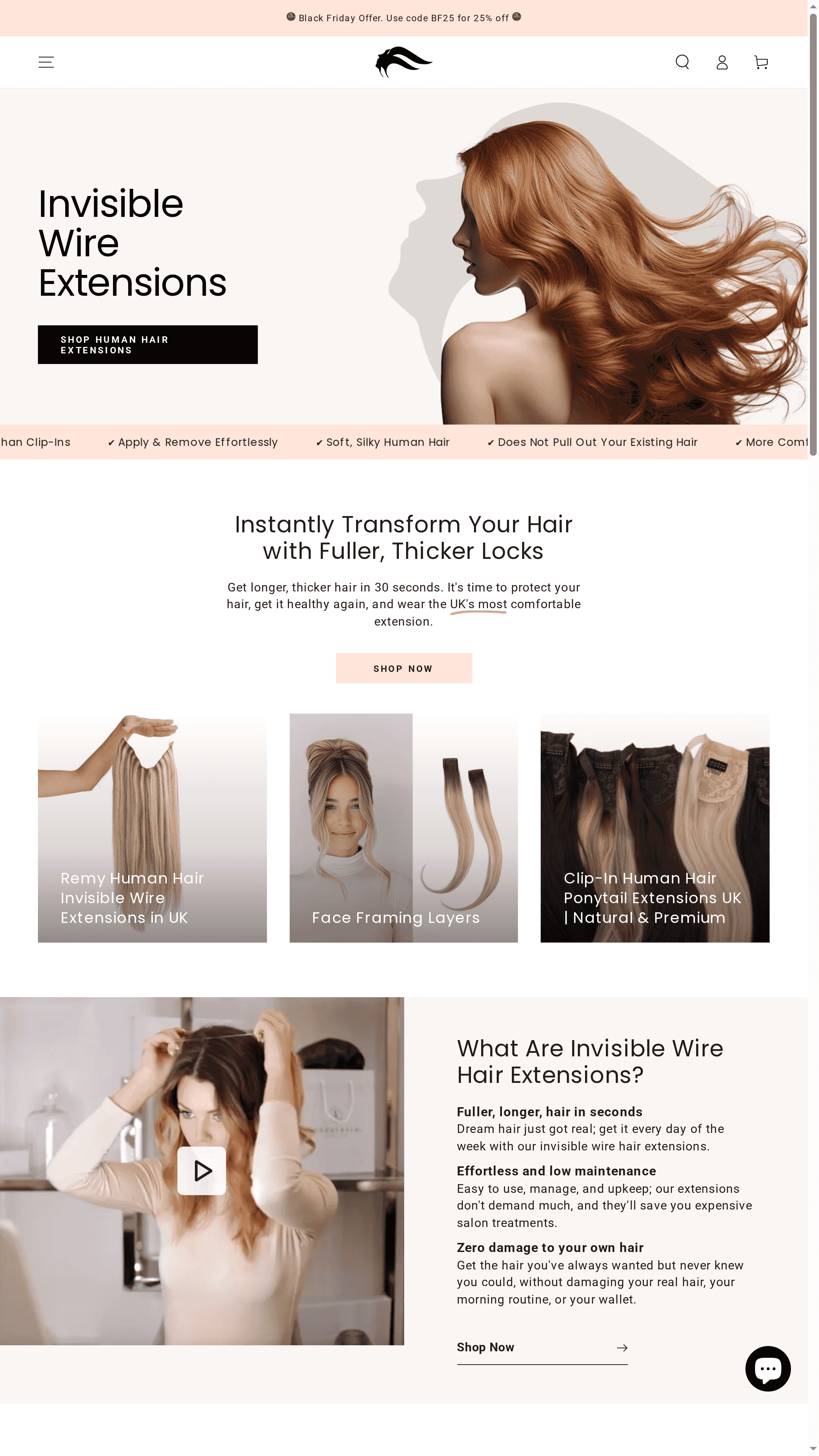
Ready to experience effortless hair transformation that respects your natural texture? Explore our Buy Remy Invisible Wire Extensions in UK | Naturyl collection today. Enjoy fast UK delivery, free exchanges, and expert support at every step on Naturyl Extensions. Find your perfect match now and embrace fuller, longer hair with confidence.
Frequently Asked Questions
How do I determine my natural hair texture?
You can determine your natural hair texture by examining the shape of your hair follicles, strand thickness, and curl pattern. A professional stylist can help assess these characteristics for the best extension matching.
Why is it important to match hair texture when choosing extensions?
Matching hair texture is crucial for achieving a seamless, natural look. Proper texture alignment prevents artificial appearances and ensures that extensions blend effortlessly with your natural hair.
What types of hair extensions are suitable for curly hair?
Curly hair typically works best with weave extensions or textured extensions that match specific curl patterns. These options provide a natural movement and blend while ensuring the structural integrity of both natural and extension hair.
How can I maintain hair extensions for different textures?
Maintenance varies by texture: straight hair needs minimal product, wavy hair benefits from moisture-rich products, curly hair requires deep conditioning, and coily hair prioritises intensive moisture treatments to maintain health and appearance.
Recommended
- Easy Hair Extension Tutorial for Effortless Transformation
- Hair Extensions for Beginners: Effortless Fullness and Length
- Expert Guide to Natural-Looking Hair Extensions UK
- Create Fuller Hair with Extensions Naturally at Home
- How to Identify Your Natural Hair Type: A Comprehensive Guide | MyHair