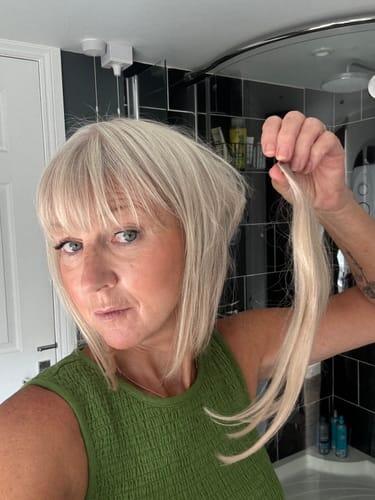
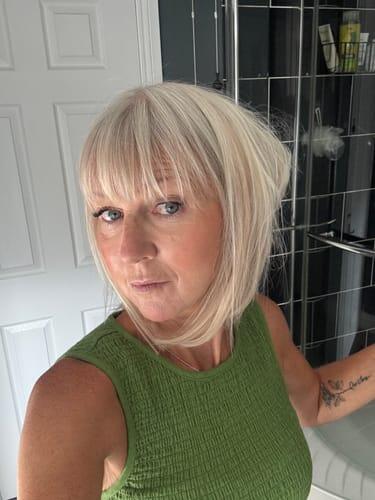
TL;DR:
- Getting extensions to look truly natural requires matching colour, density, and cut for seamless blending. Personalized consultation, careful layering, and choosing appropriate application methods are essential for realistic results. Proper aftercare, suitable extension types, and attention to density avoid damage and maintain a flawless, natural appearance.
Getting extensions to look genuinely undetectable is one of the most common challenges women face, whether it’s a first-time fit or a regular refresh. Visible seams, mismatched tones, and that telltale “block” of added hair can instantly undo an otherwise polished look. The good news is that achieving a seamless finish is absolutely possible with the right preparation, technique, and product choices. This article covers proven, expert-approved methods to blend extensions beautifully, whatever your hair type, colour, or occasion.
Key Takeaways
| Point | Details |
|---|---|
| Colour match is crucial | Properly swatched and multi-toned extensions are the secret to a flawless finish. |
| Custom cutting boosts blend | Layering and shaping extensions to mimic your natural hair ensures seamless movement. |
| Choose the right type | Seamless, tape-in, or wire extensions reduce damage and work for most hair types. |
| Daily care matters | Consistent styling, detangling, and gentle maintenance keep your blends invisible longer. |
| Match density, avoid damage | Extension weight and aftercare are as vital as colour and style for long-term hair health. |

Recommended for this guide
Invisible Wire Extensions
Salon-length hair in under a minute. No clips pulling, no glue, no damage.
100% Remy human hair · 28 shades · from £89 · Rated 4.7 “Excellent” on Trustpilot · Free UK delivery · Free colour exchanges
Shop invisible wire extensions → Free colour match from a photoDefine your blending criteria: what makes extensions look natural?
Before reaching for your clips or wires, it pays to understand exactly what “blending” means in practice. A natural finish relies on several factors working together, not just one.
The key criteria for a seamless result:
- Colour match: Your extensions should mirror the tones throughout your mid-lengths and ends, not just your tips.
- Density match: Extensions that are too thick or too thin relative to your natural hair will always look artificial.
- Cut and layering: Blunt, single-length pieces rarely integrate well. Movement comes from shaping.
- Attachment type: The method used to fix extensions affects both visibility and comfort, particularly at the roots.
- Comfort and weight: Heavy extensions pull at attachment points and can alter how your natural hair falls.
Before you apply anything, take a moment to analyse your own hair in natural daylight. Consider your thickness at the roots, where your hair naturally sits, and how your layers (if any) move. UK experts recommend salon consultations for colour swatching and bespoke blending, especially for fine or short hair. Clip-ins do improve with practice for quick home use, but personalised advice is worth seeking for permanent methods.
If your hair is short, be realistic about what blending requires. Short hair needs at least 5 to 6 inches of length to adequately cover attachment points, and additional techniques like braiding and waving are usually necessary.
“The most common blending mistake is treating all hair as the same. Texture, thickness, and growth patterns differ significantly between clients, which is why a personalised, swatching-first approach always delivers the best result.” — UK professional stylist perspective
Pro Tip: Do a quick mirror check in natural daylight both before and after fitting your extensions. Artificial lighting hides a lot; daylight reveals everything, including gaps, colour mismatches, and density differences.
Once you know what to look for, you can select the right technique for your unique hair and style goals.

1. Colour matching: swatching, multi-tones and consultation
Colour is the single most important factor in making extensions look real. A shade that’s even half a tone off will stand out, particularly in sunlight or photography.
Steps for effective colour swatching at home:
- Hold extension wefts against your mid-lengths, not just your ends (which are often lighter from sun exposure or previous colouring).
- Compare in natural daylight rather than bathroom lighting, which tends to yellow or flatten tones.
- Check the matching hair colour from multiple angles; a good match works from the front, back, and sides.
- If you are between two shades, opt for the lighter one. It is easier to warm up with styling than to deal with extensions that read too dark.
- Mixing two shades of extensions side by side can create the kind of multi-dimensional, sun-kissed effect that looks entirely natural.
Professional blending involves hand-mixing up to five tones with custom cutting for movement, and keratin bonds or micro rings work best for fine hair where seamless blending is the priority.
For a lived-in or balayage effect, consider pairing a base shade extension with a lighter, slightly highlighted weft. This replicates the natural variation in most people’s hair far more convincingly than a single flat colour. Our detailed resource on how to swatch extension colours walks you through this step by step.
Pro Tip: Take photos of your hair in both flash and natural light when testing colours at home. Flash photography is ruthless and will expose any tonal difference that artificial lighting might mask.
When in doubt, a quick salon consultation for colour swatching is always a worthwhile investment, especially for complex colours like balayage or grey blending.
2. Layering and cutting: shaping your extensions for movement
Even the most perfectly matched extensions will look stiff and wig-like without the right cut. Layering is what gives blended hair its movement, softness, and realism.
Here is why this matters and how to address it:
- Blunt ends create a visible line. When extensions are applied in one length, they sit differently from your layered natural hair, creating a shelf effect that is immediately obvious, especially when your hair moves.
- Feathering the ends softens the finish. Ask your stylist to point-cut or feather the extension wefts so they taper at the ends rather than sitting flat.
- Request a dry cut after fitting. Always ask for a dry cut once your extensions are in place. Wet hair behaves differently, and the stylist can only see the true blend once everything is dry and settled.
- Home layering tips. If you are trimming at home, work in very small sections and always use hair scissors (not craft scissors). Point-cut into the ends rather than cutting straight across. If you are unsure, leave this step to a professional.
“Custom cutting and tone-blending are the two biggest differentiators between extensions that look bought and those that look grown. Both require a tailored approach rather than a one-size-fits-all application.” — Taylor Rose Hair and Beauty
Our guide to choosing natural extensions covers how different extension types respond to cutting, which is worth reading before your appointment.
For those trying extensions at home for the first time, our step-by-step guide to flawless natural extensions is an excellent starting point.
3. Application techniques: blending methods for every hair type
Your hair type determines which application and blending techniques will work best. What works for thick hair can look clunky on fine hair, and what suits long hair may not suit shorter lengths at all.
Blending tips by hair type:
- Short hair (5 to 6 inches minimum): Braid and pin the lower natural layer before applying extensions on top. Adding waves or curls helps disguise the transition zone between natural hair and extensions.
- Fine hair: Use fewer wefts placed strategically rather than applying too many. Lightweight tape-ins or invisible wire extensions sit flat and avoid the bulk that can reveal attachment lines.
- Medium-density hair: This hair type has the most flexibility. Clip-ins and wire extensions integrate easily with the right colour and a little styling.
- Thick hair: May need additional wefts to match volume and avoid a two-tier density effect. Layering is especially important here to blend the natural thickness through the extensions.
For braided techniques, exploring the best braid extension styles can help you understand how to use structure to achieve a cleaner, more integrated look.
| Hair type | Best blending technique | Attachment recommendation |
|---|---|---|
| Short (5–6 in) | Braid lower layer, add waves | Tape-in or clip-in |
| Fine | Minimal wefts, flat application | Micro-ring or wire |
| Medium | Flexible; clip-ins work well | Wire or clip-in |
| Thick | Multiple wefts, heavy layering | Tape-in or keratin bond |
Pro Tip: Match your attachment method to your hair’s density first, then refine based on lifestyle. If you wash your hair daily or exercise frequently, choose a more secure method than clip-ins.
Our guide on invisible wire blending is particularly useful if you want a damage-free option that sits flat and blends with minimal effort. You will also find daily blending tips for keeping your look fresh between washes.
4. Choosing the right extension type: seamless, tape-in, wire and more
The type of extension you choose has a direct impact on how naturally it blends, how long it lasts, and how much risk it carries for your natural hair.
| Extension type | Blending quality | Typical wear | Reusability | Damage risk |
|---|---|---|---|---|
| Seamless/weft | Excellent | 8–12 weeks | High | Low |
| Tape-in | Very good | 6–8 weeks | Up to 3 years | Low to moderate |
| Invisible wire | Excellent | Daily removal | Reusable | Very low |
| Keratin bond | Very good | 3–5 months | Low | Moderate |
| Micro-ring | Good | 3–4 months | Moderate | Low to moderate |
Seamless extensions reduce damage by up to 40% compared to traditional tape or glue methods, with 90% satisfaction rates for natural appearance. This makes them an excellent choice if you are prioritising both a flawless finish and long-term hair health.
Tape-in extensions last 6 to 8 weeks and are reusable for up to three years with proper care. Their slim, flat profile makes them particularly easy to blend, and they are suitable even for shorter hair when placed discreetly.
Invisible wire extensions are ideal for those who want a truly damage-free option they can wear occasionally. They sit on a clear wire that rests on your natural hair, requiring no adhesive or heat and no commitment to a single style. They are especially well suited to special occasions or events where you want to elevate your look quickly. Learn more about caring for your extensions to make whichever type you choose last as long as possible.
5. Styling, care and maintenance for lasting, flawless blends
Blending does not end once the extensions are in. Daily care and styling choices play a significant role in keeping everything looking seamless over time.
Daily and weekly maintenance routine:
- Detangle gently before bed. Use a soft bristle or extension brush, starting from the ends and working upwards. Never drag through knots from the root.
- Wash with sulphate-free products. Sulphates strip moisture from Remy hair extensions, causing them to dry out and tangle more easily.
- Apply heat protectant before any styling. Even lower heat settings can degrade the cuticle layer of extension hair over time without protection.
- Reposition wire extensions daily. If you use an invisible wire style, take a moment to reseat it and smooth the surrounding natural hair over the wire for the cleanest finish.
- Check attachment points weekly. For tape-ins or bonds, check that wefts are lying flat and have not shifted. Book a refit appointment before they begin to show.
Maintaining a seamless look with good aftercare is just as important as the initial application. Extensions that are neglected will tangle, dry out, and separate, all of which make blending far more difficult.
Pro Tip: Avoid applying heavy oils or serums directly to the roots or attachment points. These products can break down adhesives and cause tape-ins to slip, which immediately compromises the blend.
Between salon visits, you can touch up your blend at home by re-straightening or adding curls through both your natural hair and the extensions together. Uniform texture is one of the fastest ways to pull everything together. Visit our damage-free styling ideas or our guide to effortless styling for practical inspiration.
What most blending guides get wrong: the density and aftercare reality
Most articles focus on colour and cut, which are important, but they frequently overlook the two factors that cause the most real-world extension failures: density mismatch and poor aftercare. We have seen both play out repeatedly, and it is time to address them plainly.
Density is not just about how much hair you have. It is about how the weight and volume of the extension wefts relate to your natural growth pattern. When extensions are too heavy for your natural hair, they do not blend; they drag. They pull at the roots, create an unnatural part, and over time, can lead to traction alopecia, a form of hair loss caused by repeated tension on the follicle. Even the most beautiful colour match and the most expertly feathered cut will not save an extension that is simply too heavy for the hair it is attached to.
Here is a rapid checklist if you suspect a density mismatch after application:
- Does your hair feel heavy or pulled at the crown or nape? This is a warning sign.
- Are attachment points visible when your hair moves naturally? The wefts may be too thick.
- Do your extensions sit higher or puffier than your natural hair? You may need fewer or lighter wefts.
- Is your scalp sore after a few hours? Remove and reassess before continuing to wear.
Aftercare is equally underestimated. Many women invest in high-quality extensions and then maintain them with the same routine they use for natural hair, which is often not enough. Extensions do not receive the natural oils your scalp produces, so they require additional moisture and gentle handling from the outset.
Our extension blending tips are a practical resource for building the kind of daily routine that keeps your extensions looking as good in week eight as they did on day one. Above all, ask your stylist specifically about aftercare before you commit to any attachment method. It is a question that reveals a lot about the quality of the advice you are receiving.
Take your hair transformation further with Naturyl Extensions
If you are ready to put these blending techniques into practice, having the right extensions to work with makes all the difference. Naturyl Extensions specialises in premium, ethically sourced Remy human hair designed specifically for a natural, damage-free result.

Our invisible wire extensions are one of the most popular choices for quick, at-home blending, with no clips, glue, or heat required. If you want something more secure for everyday wear, our extension wires offer a comfortable, flat fit that integrates seamlessly with most hair types. Not sure which Remy hair quality to choose? Our Remy hair guide explains exactly what sets premium human hair apart and why it matters for a lasting, natural-looking blend. Fast UK delivery, free exchanges, and expert product guidance are available across the full range.
Frequently asked questions
How do I blend extensions with short layered hair?
Your hair needs a minimum of 5 to 6 inches of length to cover attachment points effectively. Braiding and pinning the lower layer before applying extensions on top, then adding waves, gives the most natural finish.
Which extension type blends best with fine hair?
Keratin bonds, micro rings, and seamless extensions all work well for fine hair because they sit flat and minimise bulk. Professional blending for fine hair often involves custom cutting and multi-tone mixing for the most convincing result.
How long do tape-in extensions last and are they good for blending?
Tape-ins last 6 to 8 weeks per fitting and can be reused for up to three years with proper care. Their slim, flat profile makes them very easy to blend discreetly, even with shorter hair.
Can seamless extension methods really reduce hair damage?
Yes. Seamless extensions reduce damage by up to 40% compared to traditional tape or glue methods, with 90% of users reporting satisfaction with the natural appearance.
What is the biggest blending mistake people make?
Mismatching extension density to your natural hair is the most common error. Extensions that are too heavy can cause traction alopecia over time and will always create visible lines rather than a seamless blend.
Ready to try it?
Invisible Wire Extensions
Salon-length hair in under a minute. No clips pulling, no glue, no damage.
100% Remy human hair · 28 shades · from £89 · Rated 4.7 “Excellent” on Trustpilot · Free UK delivery · Free colour exchanges
Shop invisible wire extensions → Free colour match from a photo