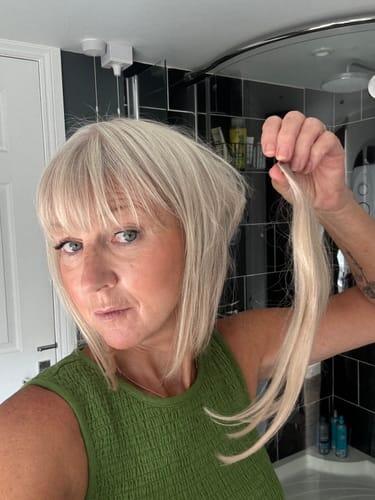
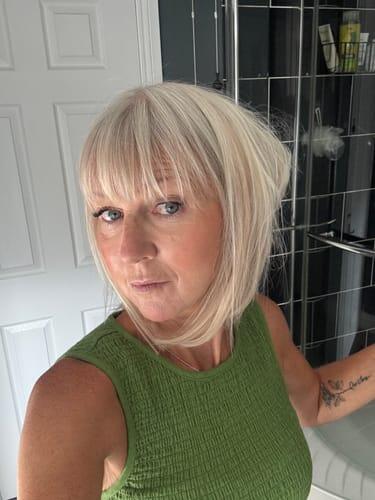
Matching your hair extensions at home can feel confusing when every mirror seems to tell a different story about your shade. UK women looking for a seamless transformation with invisible wire extensions need more than just a quick colour guess in artificial bathroom light. This guide reveals how assessing your true natural hair tone in sunlight is the key to blend extensions that look effortless and real, giving you the confidence for any occasion without a salon trip.
Table of Contents
- Step 1: Assess Your Natural Hair In Natural Light
- Step 2: Identify Your Undertone And Shade Family
- Step 3: Compare Extension Samples To Your Hair
- Step 4: Test Extensions Near Your Face For Accuracy
- Step 5: Verify The Final Blend Under Different Lighting
Quick Summary
| Essential Insight | Detailed Explanation |
|---|---|
| 1. Assess Hair in Natural Light | Always evaluate your natural hair colour in bright, indirect natural daylight to obtain the most accurate tone. |
| 2. Identify Skin Undertones | Determine your skin’s undertone (warm, cool, or neutral) to select extensions that enhance your overall appearance. |
| 3. Compare Samples Properly | Hold extension samples against your hair in various lighting conditions for an accurate visual match. |
| 4. Test Extensions Near Your Face | Check how extension colours complement your facial features, ensuring they suit your unique complexion. |
| 5. Verify Under Different Lighting | Ensure that extensions blend well under various lighting environments to confirm natural appearance throughout the day. |
Step 1: Assess your natural hair in natural light
Successfully matching hair colour extensions begins with understanding your true natural hair tone. This critical first step ensures your extensions blend seamlessly and look incredibly natural.
To accurately determine your hair colour, you’ll want to examine hair in natural sunlight. Artificial lighting can dramatically distort your hair’s true colour, making it appear more yellow, ash-toned, or orange depending on the environment.
Here are some key methods for assessing your natural hair colour:
- Stand near a window with bright, indirect natural daylight
- Pull your hair back and examine your roots closely
- Check hair colour in multiple light settings for accuracy
- Take a close-up photo in natural light to review later
When examining your hair, pay attention to subtle undertones and variations. Hair rarely has one uniform colour, so look for:
- Primary base colour
- Secondary highlight tones
- Root colour differences
- Any natural subtle variations
Natural daylight reveals the most accurate representation of your true hair colour, making it essential for precise extension matching.
Expert tip: Keep a small mirror near a window to capture the most accurate hair colour assessment throughout different times of day.
Step 2: Identify your undertone and shade family
Selecting the perfect hair extension colour goes beyond visual matching - it’s about understanding the subtle nuances of your personal colour palette. Understanding your skin’s undertone will transform how you choose extensions that look naturally stunning.
To determine your undertone, examine skin’s subtle colour indicators. These indicators help categorise your skin into three primary undertone families:
- Warm undertones: Yellow or golden hues
- Cool undertones: Pink or bluish hues
- Neutral undertones: A balanced mix of warm and cool
You can identify your undertone through several simple methods:
- Check the colour of your veins on your wrist
- Notice how your skin reacts to sunlight
- Consider which jewellery metals look most flattering
- Observe whether white or cream colours suit you better
When examining your undertone, look for specific signals:
Here’s a helpful overview of hair extension colour-matching considerations by skin undertone:
| Skin Undertone | Ideal Extension Tone | Effect On Appearance | Jewellery Match |
|---|---|---|---|
| Warm (gold/yellow) | Honey blonde, caramel brown | Enhances warmth and glow | Gold jewellery flatters most |
| Cool (pink/blue) | Ash blonde, cool brunette | Creates contrast, brightens | Silver jewellery looks best |
| Neutral (mixed tones) | Neutral brown, balanced blonde | Offers natural harmony | Both gold and silver suitable |
- Greenish veins typically indicate warm undertones
- Bluish or purple veins suggest cool undertones
- Veins that appear both blue and green hint at neutral undertones
Understanding your undertone is the secret to selecting hair extensions that enhance your natural beauty and create a harmonious look.
Pro tip: Natural daylight provides the most accurate assessment of your skin’s undertone, so always check near a window with soft, indirect sunlight.
Step 3: Compare extension samples to your hair
Matching hair extensions perfectly requires a meticulous comparison process that goes beyond simple colour selection. Your goal is to find an extension shade that blends seamlessly with your natural hair.
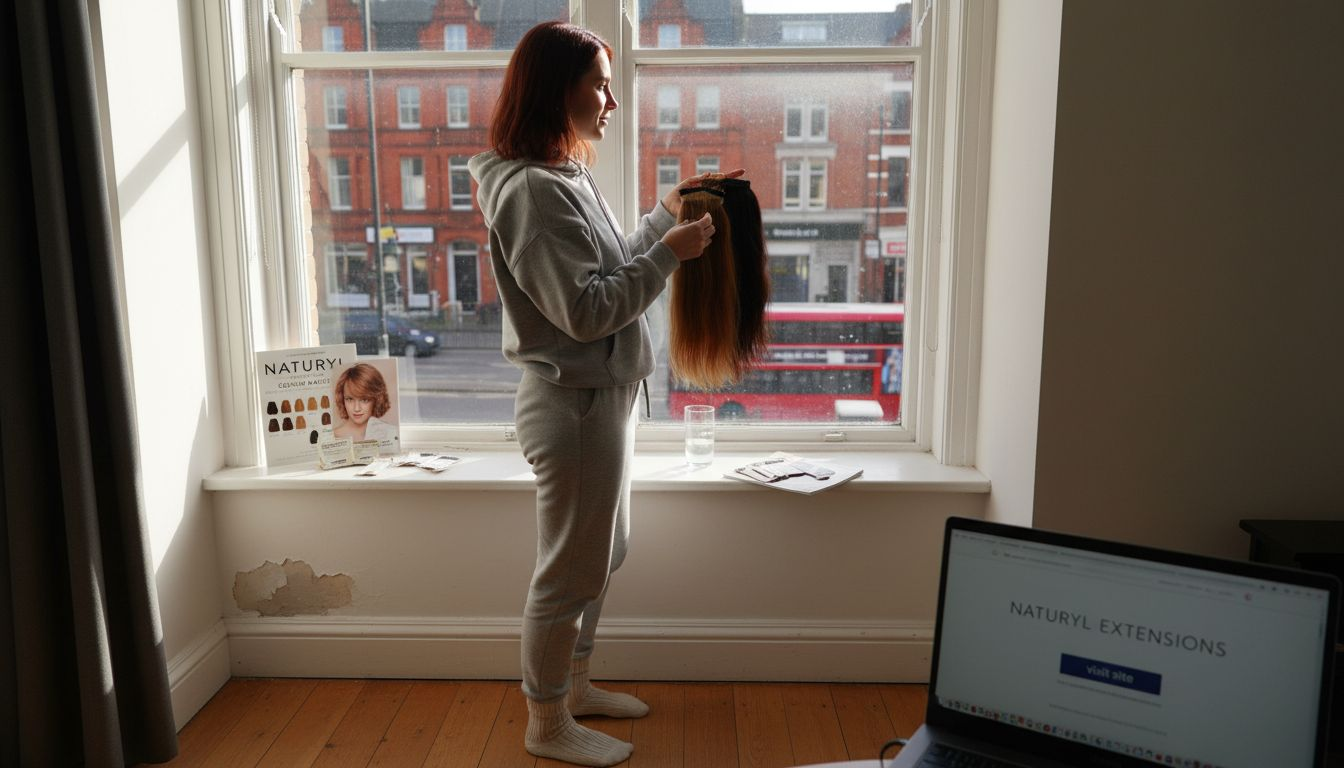
When comparing extension samples, leverage the expert techniques for natural-looking extensions to ensure a flawless match. The comparison process involves several critical steps to guarantee an undetectable result.
Key methods for comparing extension samples include:
- Hold samples directly next to your hair roots in natural light
- Check colour match in multiple lighting conditions
- Compare both dry and slightly damp hair
- Examine colour under indoor and outdoor lighting
Detailed comparison techniques:
- Use a handheld mirror to view your hair from multiple angles
- Take close-up photos in different light settings
- Check colour match at hair roots, mid-lengths, and ends
- Consider subtle highlights or natural colour variations
Precise colour matching is the difference between extensions that look natural and those that appear obviously artificial.
Pro tip: Request extension samples from multiple brands and compare them side by side to find the most seamless match possible.
Step 4: Test extensions near your face for accuracy
The final and most crucial stage of matching hair extensions is testing them against your facial features. This step ensures the colour and texture truly complement your unique appearance and skin tone.
Explore face-framing extension techniques that help you visualise how different shades interact with your complexion. The area around your face is the most critical zone for determining extension success.
Key testing techniques include:
- Position samples directly against your cheekbones
- Compare colours in natural and artificial lighting
- Observe how different shades interact with your skin undertones
- Check how extensions look when pulled back and worn down
Detailed face-testing strategies:
- Use a well-lit mirror near a natural light source
- Pull hair back to see full extension colour impact
- Take photographs from multiple angles
- Ask a trusted friend for honest feedback
Your face is the ultimate colour-matching canvas - what looks good in isolation might not work harmoniously with your overall appearance.
Pro tip: Always test extension samples against your face wearing minimal makeup to get the most accurate colour assessment.
Step 5: Verify the final blend under different lighting
The ultimate test of your hair extension colour matching involves scrutinising how the extensions appear across multiple lighting environments. This final verification ensures a genuinely seamless and natural-looking result.
Learn about essential extension colour techniques that highlight the importance of comprehensive lighting assessment. Different light settings can dramatically alter how your extensions appear and integrate with your natural hair.
Crucial lighting environments to test include:
- Natural daylight near a window
- Indoor soft lighting
- Harsh overhead office lights
- Evening ambient lighting
- Fluorescent lighting
Detailed verification steps:
Compare the impact of different lighting environments on extension appearance:
| Lighting Environment | Extension Colour Effect | Recommended Check |
|---|---|---|
| Natural daylight | Shows most authentic tone | Always verify in sunlight |
| Indoor soft lighting | May add warmth or softness | Check for subtle blends |
| Fluorescent/office lights | Can make colour appear cooler | Watch for ashiness |
| Evening ambient lighting | Adds depth and shadow | Look for blending at night |
- Stand near windows with varying light angles
- Check extensions in morning and afternoon light
- Photograph extensions in each lighting condition
- Compare side-by-side against your natural hair
Lighting is the ultimate revealer of hair extension authenticity - what looks perfect in one setting might appear completely different in another.
Pro tip: Carry a small handheld mirror to check extension blending in unexpected lighting scenarios throughout your day.
Achieve a Seamless Hair Colour Match with Naturyl Extensions
Matching your hair extensions perfectly can be challenging when considering natural hair tones, undertones, and lighting variations. This article highlights key pain points like assessing your true hair colour in natural daylight and testing extensions against your facial features to avoid mismatches that look artificial or dull. If you desire an effortless and flawless blend that enhances your natural beauty consider the premium range of Remy Invisible Wire Extensions by Naturyl Extensions. Our high-quality, ethically sourced human hair products offer a natural look without damaging your own hair.
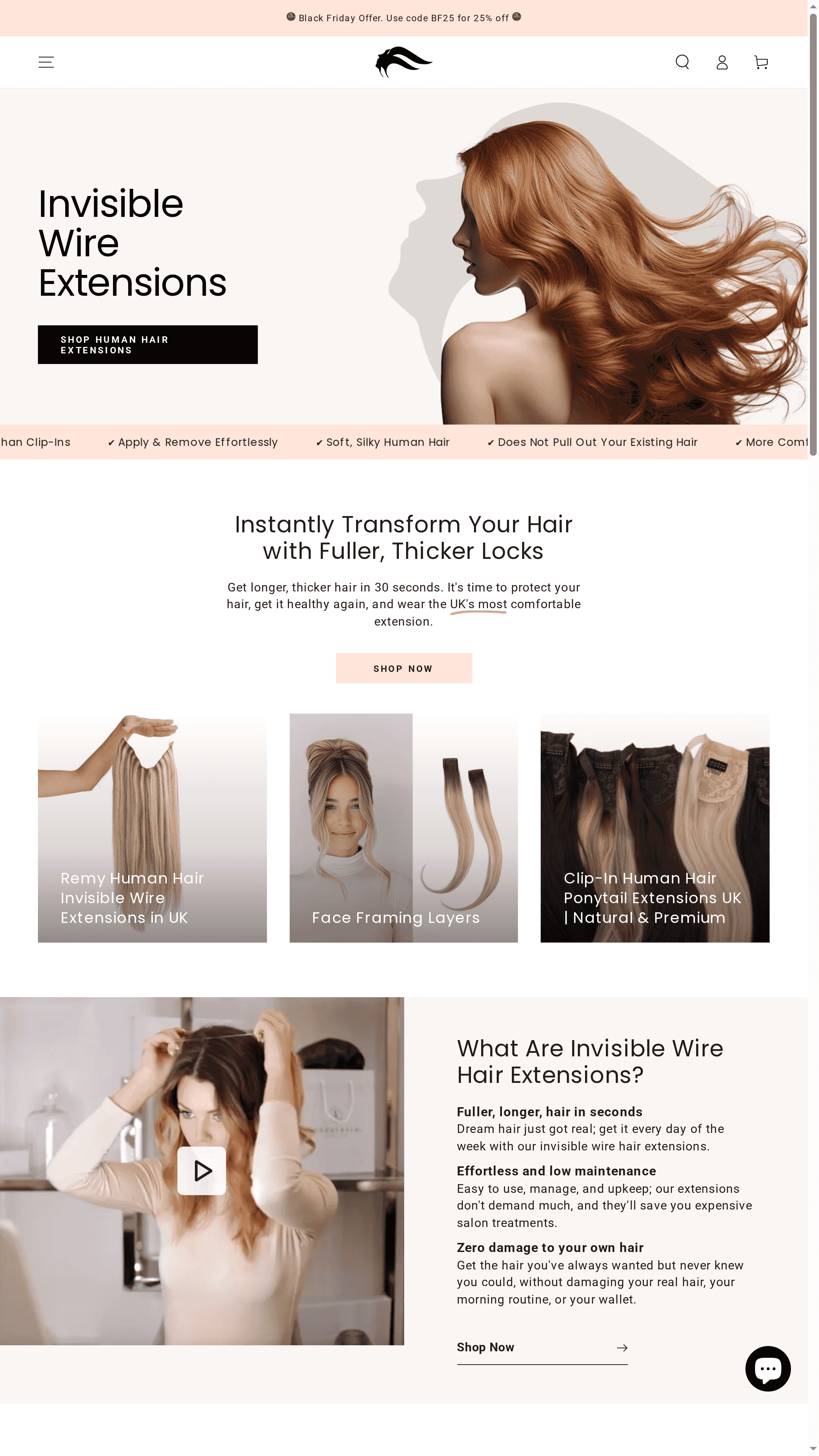
Explore natural-looking transformations with our seamless Face Framing Layers or add instant volume and length with clip-in styles like our Ponytail Human Hair Extensions. With fast UK delivery and a free exchange policy every step from colour-matching to wearing is simple and confidence-boosting. Visit Naturyl Extensions today and take the first step towards your perfect, natural-looking hair extension match.
Frequently Asked Questions
How do I assess my natural hair colour for extensions?
To assess your natural hair colour accurately, examine your hair in bright, indirect natural daylight. Stand near a window and pay attention to your roots and any subtle undertones, taking notes on your hair’s primary, secondary, and root colours.
What are the key undertone types I should be aware of when matching hair extensions?
There are three primary undertone types: warm (yellow or golden), cool (pink or bluish), and neutral (a balanced mix). Identify your undertone by checking the colour of your veins, seeing how your skin reacts to sunlight, and determining whether gold or silver jewellery looks better on you.
How can I compare extension samples with my natural hair?
To compare extension samples, hold them directly next to your hair roots in natural light. Assess the colour match in various lighting conditions and document your findings by taking close-up photographs to review later.
Why is it important to test hair extensions near my face?
Testing extensions against your face is crucial because it shows how the colour and texture complement your overall appearance and skin tone. Position the samples against your cheekbones and observe how each colour interacts with your skin undertones for the best match.
How do different lighting conditions affect the appearance of hair extensions?
Lighting conditions can drastically change how hair extensions appear. Verify the colour in various environments, such as natural daylight, indoor soft lighting, and fluorescent lighting, to ensure a seamless blend across all situations.
What final checks should I do to ensure my extensions look natural?
To ensure your extensions look natural, verify the blend in different lighting environments and compare them to your hair. Perform this check throughout the day in both natural and artificial light to see how the colour holds up and integrates with your natural shade.