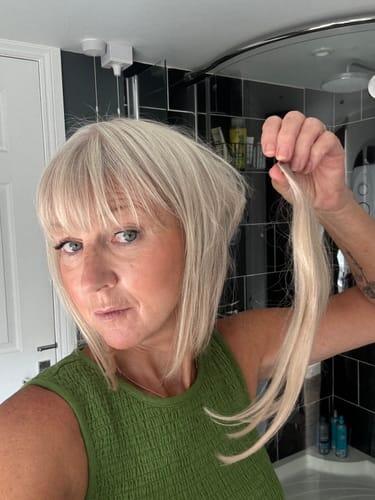
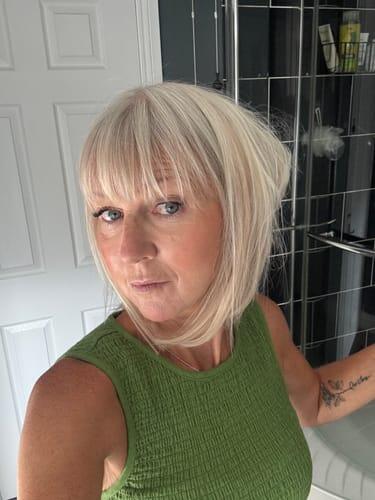
Quick emergency fixes for hair extensions right now
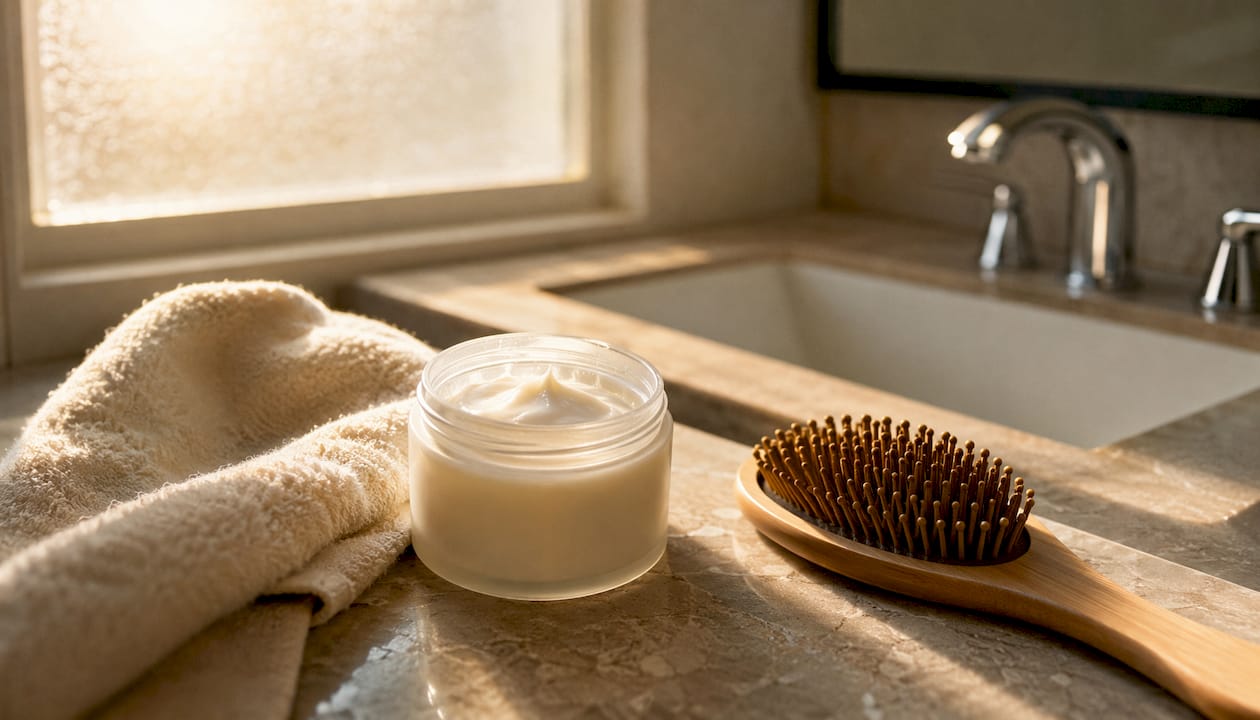
Most extension emergencies have a fast, practical solution you can apply in minutes. Whether your clip-ins are sliding, your bonds look visible, or your lengths have gone frizzy before an event, the fix usually comes down to the right technique and a couple of products you can keep in your bag.
Common extension emergencies and their immediate remedies:
- Slipping clip-ins: Apply dry shampoo or translucent powder to your roots, wait 30 seconds, then re-clip. The texture gives the clips something to grip. Lightly backcombing the root section first makes an even bigger difference.
- Visible bonds or tracks: Leave a thin layer of your natural hair over the attachment area. For tape-ins showing at the parting, adjust the section placement and smooth natural hair over the top with a fine-tooth comb.
- Tangled or matted lengths: Spritz a leave-in detangling spray, then work through knots with a loop brush starting at the ends. Never pull from the root down.
- Dry or frizzy extensions: Warm 2–3 drops of argan oil between your palms and smooth through mid-lengths and ends. Avoid the bonds, tapes, or rings entirely.
- Extensions falling out mid-wear: For clip-ins, check that the clip has fully snapped shut and reposition it at least 1 cm from the hairline. For tape-ins or bonded extensions that have detached, do not attempt to reattach at home. Secure the loose piece with a bobby pin and book a professional appointment.
- Itchy or irritated scalp: Rinse with cool water and apply a gentle, alcohol-free scalp spray. Avoid scratching near attachment points, which can loosen bonds or rings.
- Extensions after swimming or rain: Blot gently with a microfibre towel, detangle with a loop brush from ends upward, and allow to air dry completely before any heat styling.
Pro Tip: Build a small emergency kit and keep it in your bag: spare clips, travel dry shampoo, a loop brush, a few bobby pins, and a mini leave-in spray. These five items cover the vast majority of on-the-go extension problems.
Step-by-step solutions for common extension emergencies
1. Tangling and matted extensions
Tangling usually starts at the ends from dryness, or near the roots from friction, often made worse by sleeping on a cotton pillowcase. Start by separating large knots gently with your fingers, then work through with a wide-tooth comb or loop brush from ends to roots. Spritz a leave-in detangling spray on stubborn sections to soften the hair before combing. Once detangled, apply a small amount of argan or jojoba oil to the mid-lengths and ends to prevent the problem recurring.
For matting near the bonds or rings, be especially careful not to pull. If the matting is severe and close to the attachment point, stop and seek professional help rather than risk pulling the bond free.
2. Loosened or slipping extensions
The fix depends on the extension type. For clip-ins, the most reliable quick solution is root texturising: dry shampoo, a light backcombing, or a texturising spray applied to the root section before clipping. Ensure the clip snaps fully shut and sits as close to the root as possible without pulling the scalp.
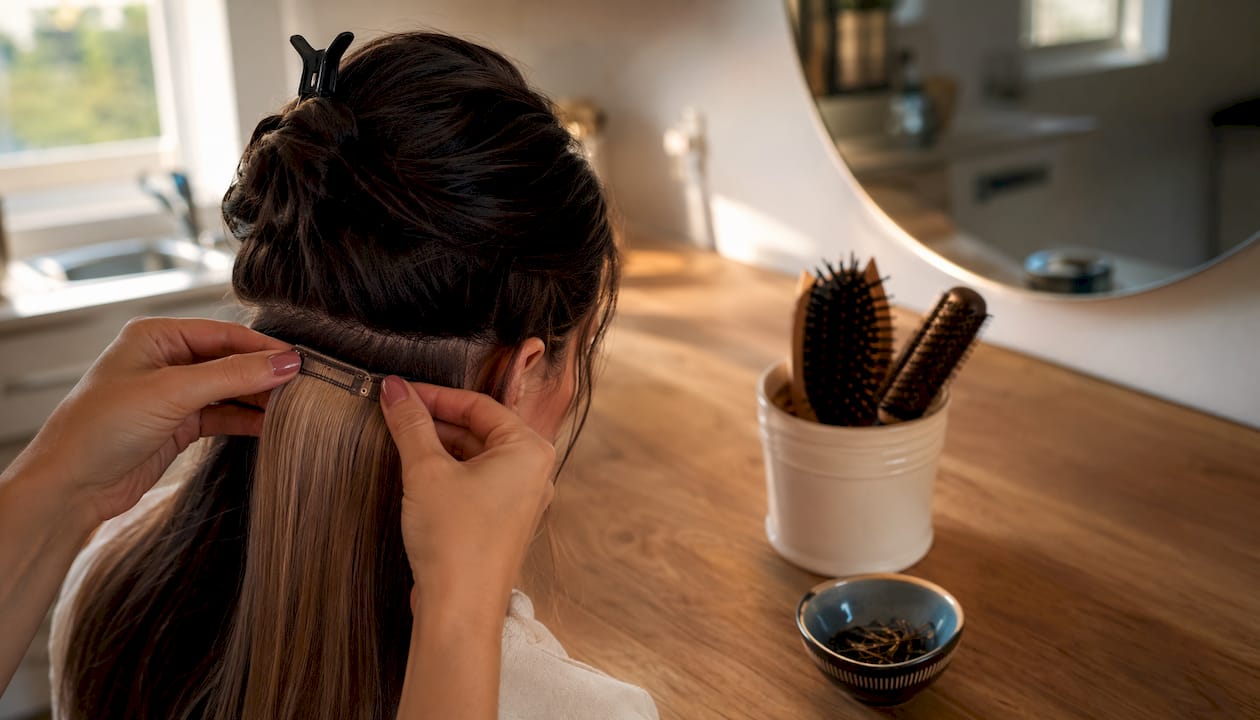
For tape-in slippage, the most common culprit is silicone-based product residue near the attachment. Silicones coat the hair with a film that breaks down the adhesive, so switching to a silicone-free shampoo and conditioner is the single most effective preventive step. If tape edges have already begun lifting, a professional can re-tape them. The extensions themselves are reusable; only the adhesive strip needs replacing.
For micro-link or nano-ring extensions, specialised pliers are required to reposition the bead. Attempting this at home risks damage to your natural hair. If a bead has slipped, secure the weft temporarily with a bobby pin and arrange a salon visit promptly.
3. Dry or frizzy extensions
Extensions cannot draw moisture from your scalp the way natural hair does, so they dry out faster, particularly in the UK where hard water and central heating accelerate moisture loss. The fastest restoration method is a deep conditioning soak:
- Detangle gently with a wide-tooth comb, working from ends upward.
- Dampen extensions with lukewarm water. Hot water lifts the cuticle and worsens dryness.
- Apply a moisture-rich conditioning mask from mid-lengths to ends, avoiding all attachment points.
- Wrap in a warm, damp towel for 15–20 minutes.
- Rinse with cool water to seal the cuticle.
- Apply a lightweight leave-in conditioner while hair is still damp.
- Seal with 2–3 drops of argan or jojoba oil on the ends.
Sulphate-free shampoo combined with weekly deep conditioning treatments restores softness significantly. Sulphates strip moisture from extensions at a faster rate than from natural hair, so switching formulas is one of the most impactful changes you can make.
4. Visible tracks or bonds
Visible tracks on clip-ins usually mean the section of natural hair covering them is too thin. Take the extension out, create a slightly thicker horizontal section, lightly backcomb the root for grip, and re-clip. Leave a fine layer of your own hair on top to conceal the clip. For tape-ins showing at the parting, the section placement may need adjusting by a stylist.
Visible keratin bonds often mean the bond has migrated down the hair shaft as natural hair grows. This is a normal occurrence after 3–4 months and requires professional repositioning, not a DIY fix.
5. Extensions falling out
Shedding a small number of strands per wash is considered normal. When shedding causes visible weft thinning or bald patches, that signals a problem needing professional attention, such as re-sealing or repositioning. Applying a weft sealer along the stitching can slow shedding temporarily, but it is not a permanent fix for a structurally compromised weft.
6. Itchy or irritated scalp
Irritation is often caused by product build-up near the attachment points or by extensions placed too tightly. Wash gently with a sulphate-free shampoo, using downward strokes rather than scrubbing at the roots. A cool rinse helps calm the scalp. If redness or soreness persists beyond a day or two, remove the extensions and consult a professional.
7. Quick cleaning to prevent scalp problems
Damp extensions stored without fully drying can breed bacteria. Always air-dry extensions completely before storing clip-ins in a breathable bag. For permanent extensions, never go to bed with wet hair. If you need to wash in a hurry, use a microfibre towel to blot excess moisture, then allow to air dry or use a blow dryer on the lowest heat setting with a heat protectant applied first.
8. Protecting extensions after swimming or weather exposure
Chlorine and salt water both degrade keratin bonds over time. After swimming, rinse extensions immediately with clean, cool water to remove chemical or salt residue. Apply a leave-in conditioner and detangle gently once dry. In wet UK weather, blot rather than rub, and avoid going to bed with damp extensions. A light protective oil on the lengths before outdoor exposure creates a barrier against moisture and pollution.
Expert habits that prevent extension emergencies
Consistent daily care prevents the majority of extension problems before they start. Most failures come from gaps in mechanical care rather than poor hair quality, so building the right habits matters more than any single product.
- Brush daily with a loop brush. Always start at the ends and work upward in gentle sections. A loop brush is designed to glide through extensions without snagging the weft or pulling attachment points.
- Wash with sulphate-free shampoo. Limit washing to 2–3 times per week for permanent extensions, and every 15–20 wears for clip-ins. Overwashing strips moisture and accelerates dryness.
- Protect your hair during sleep. Swap a cotton pillowcase for silk or satin to reduce friction. Braid hair loosely before bed or wrap it to prevent overnight matting. Never sleep with wet extensions.
- Apply conditioner to mid-lengths and ends only. Conditioning near bonds, tapes, or rings risks slippage. Clip-ins can be conditioned fully; permanent types need careful mid-length and ends-only application.
- Keep silicone-based products away from tape-ins. Silicone residue near root attachments causes premature tape lifting. Check the ingredients list on every conditioner and serum you use.
- Use a heat protectant every time. Keep styling tools at low temperatures and limit heat sessions to 2–3 times per week. Repeated high heat is one of the fastest routes to irreversible brittleness.
- Schedule regular attachment checks. For tape-ins and nano-ring extensions, a professional check every 6–8 weeks catches slippage or migration before it becomes an emergency.
Shedding 5–10 strands per wash is within the normal range. Visible weft thinning or bald patches are not, and they warrant professional attention rather than home remedies.
You can find a full daily care checklist covering brushing, washing, and sleep protection on the Naturylextensions blog.
When should you see a professional instead of fixing it yourself?
Some extension problems are genuinely fixable at home. Others look manageable but can cause real damage to your natural hair if you attempt a DIY repair. Knowing the difference saves both your extensions and your hair.
Signs you need a professional:
- Visible thinning of the weft or bald patches forming around attachment points
- Keratin bonds that have slipped more than halfway down the hair shaft
- Tape-in edges lifting across multiple sections, not just one or two
- Micro-link or nano-ring beads that have slipped or feel loose
- Scalp soreness, redness, or persistent itching that does not resolve after washing
- Widespread brittleness or split ends throughout the full length of the extension
What a professional can do that you cannot:
- Re-bond keratin extensions using the correct heat tool and adhesive
- Re-tape extensions with fresh adhesive strips (the weft itself is reusable when properly maintained)
- Reposition micro-link beads using specialised pliers, replacing any damaged beads rather than reusing them
- Re-seal wefts that are shedding excessively
- Assess whether extensions have reached end-of-life. Severe structural damage, including widespread brittleness and split ends throughout the length, cannot be reversed with topical treatments. Masking it with oils only creates build-up and delays a necessary replacement.
What you can safely handle at home:
- Clip-in slippage using dry shampoo, backcombing, and repositioning
- Mild tangling with a loop brush and leave-in spray
- Dryness and frizz with a deep conditioning treatment
- Concealing visible clips with natural hair layering and styling
Pro Tip: When booking an emergency salon appointment, describe the specific problem clearly: which extension type you have, how long you have been wearing them, and what products you have used near the attachments. This lets the stylist prepare the right tools and adhesives before you arrive, saving time and cost.
For more on what separates fixable issues from those needing replacement, the Naturylextensions guide on extension care myths covers common misconceptions worth reading before you attempt any repair.
Naturylextensions invisible wire extensions: no-damage styling for any emergency
When you need a last-minute hair solution without the risk of bond damage, slippage, or scalp irritation, invisible wire extensions offer a genuinely different approach. Naturylextensions designs its invisible wire extensions specifically for quick, damage-free wear: no glue, no heat tools, no clips pressing against the scalp. The wire sits discreetly around the head and is adjusted to fit, making them one of the fastest extensions to apply and remove.
Why they work particularly well for emergency styling:
- No adhesive or heat required, so there is zero risk of bond damage during application
- Fit is adjustable, meaning you can put them in and take them out in under two minutes
- Made from 100% ethically sourced Remy human hair, so they style, curl, and wash exactly like natural hair
- Naturylextensions offers an AI colour-match service to help you find the closest shade to your own hair before ordering
- Fast UK delivery means you can have a set ready within days, rather than waiting weeks for a salon appointment
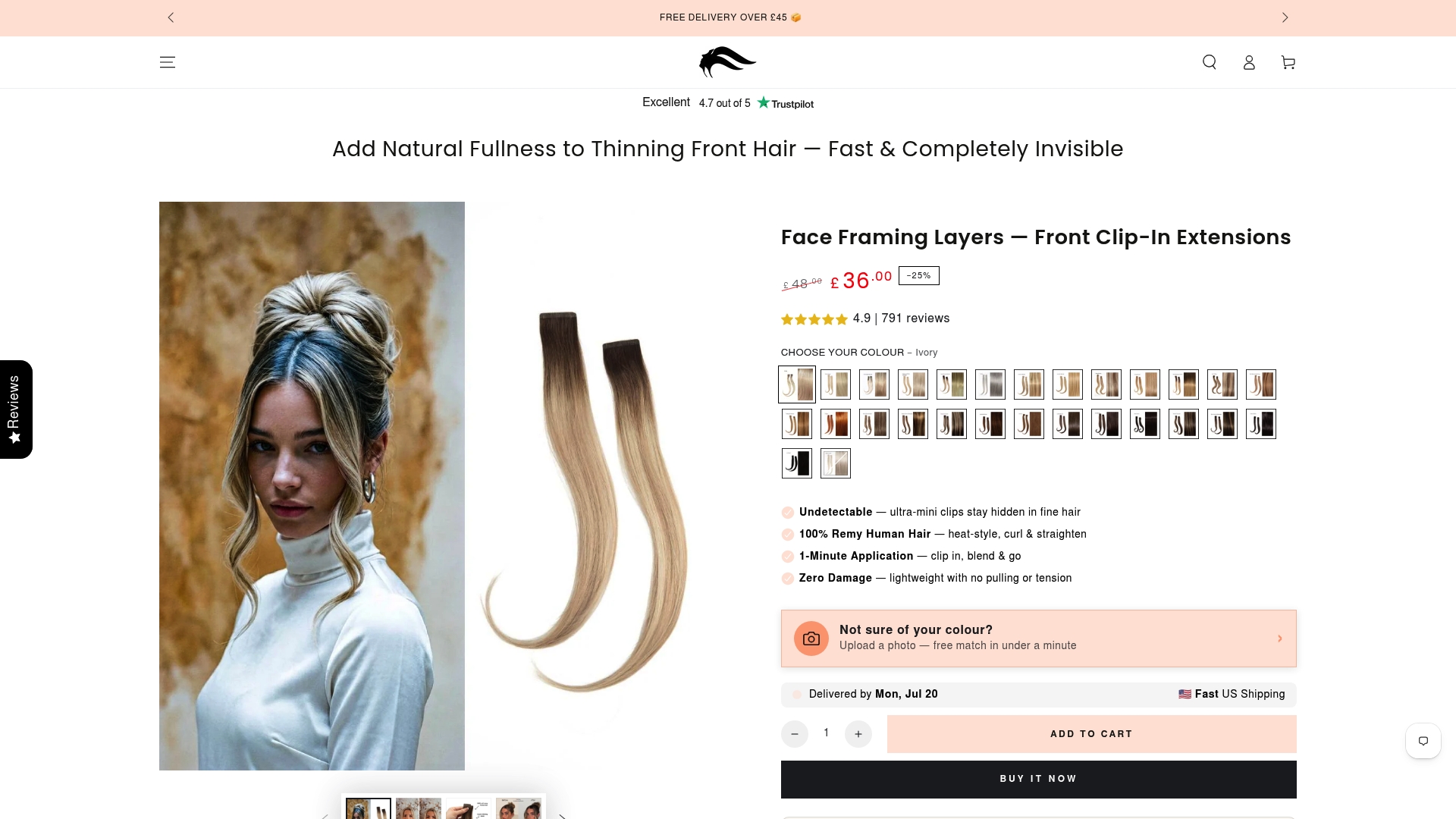
For those with fine or thinning hair who struggle with clip-in grip or bond damage, the thinning hair fill-ins range from Naturylextensions is worth exploring. These are designed to add volume precisely where it is needed without stressing fragile hair.
Pro Tip: If you are between extension sets or waiting for a salon repair appointment, an invisible wire extension from Naturylextensions gives you a polished, natural look immediately, with no commitment and no damage to your natural hair in the meantime.
Key takeaways
Most extension emergencies can be resolved quickly when you know the cause and have the right products to hand.
| Point | Details |
|---|---|
| Texturise roots for clip-in grip | Dry shampoo or translucent powder at the roots improves clip hold immediately. |
| Avoid silicone near tape-ins | Silicone-based products degrade tape adhesive and cause premature lifting. |
| Deep condition for dryness | Sulphate-free shampoo and weekly deep conditioning treatments restore softness to dry extensions. |
| Know when to call a professional | Visible weft thinning, slipped bonds, and persistent scalp irritation all need salon attention. |
| Invisible wire extensions need no adhesive | Naturylextensions invisible wire styles apply in minutes with no heat, glue, or damage risk. |
FAQ
How do you fix tangled or matted hair extensions at home?
Spritz a leave-in detangling spray onto the tangled section, then work through with a loop brush starting at the ends and moving upward in small sections. Never pull from the root down, as this stresses the attachment points.
How do you repair damaged hair extensions?
Dryness and mild frizz respond well to a deep conditioning treatment using a sulphate-free mask applied from mid-lengths to ends. Severe structural damage, including widespread brittleness and split ends throughout the length, cannot be reversed with topical treatments and usually means the extensions need replacing.
Can you fix slipping hair extensions without going to a salon?
Yes, for clip-ins. Apply dry shampoo or translucent powder to your roots, lightly backcomb the section, and re-clip as close to the root as possible. For tape-ins or bonded extensions that have detached, do not attempt to reattach at home. Secure the loose piece with a bobby pin and book a professional appointment.
What is a good alternative if your extensions are too damaged to repair?
Invisible wire extensions are the most practical no-damage alternative for immediate wear. They require no glue or heat to apply, sit discreetly on the head, and can be put in within minutes. Naturylextensions offers Remy human hair invisible wire styles with fast UK delivery and an AI colour-match service.
Can extensions fix the appearance of a bad haircut?
Yes, clip-in and invisible wire extensions can add length and volume to disguise an uneven or too-short cut while your natural hair grows out. Choose a shade matched closely to your own colour for the most natural result.