TL;DR:
- Properly installed and maintained hair extensions do not inherently cause damage to your natural hair. Selecting suitable extension types and following expert techniques ensure a natural look, even for fine hair. Regular care and appropriate timing prevent damage, allowing you to enjoy extensions safely and confidently.
Extensions always damage your hair. They look obviously fake. Fine hair simply cannot handle them. If you’ve come across these claims while researching hair extensions, you’re not alone, and you deserve straight answers. The hair extension myths debunked in this article are based on evidence, expert opinion, and a clear look at how modern extensions actually work. Whether you’re considering invisible wire extensions, tape-ins, or microlinks, understanding the facts will help you make a confident, informed decision about your hair transformation.
Key takeaways
| Point | Details |
|---|---|
| Damage is not inevitable | Properly installed extensions matched to your hair’s weight and texture do not inherently cause harm. |
| Fine hair can wear extensions | Certain extension types, applied with correct weight and tension, work well with finer hair. |
| Maintenance is manageable | Washing two to three times weekly and repositioning every six to eight weeks keeps extensions healthy and intact. |
| Lifespan varies by type | Clip-ins can last six months or more; fusion and tape-in timelines differ and depend heavily on aftercare. |
| Summer damage is preventable | Coating ends with conditioner and protective styling before swimming significantly reduces chlorine and UV damage. |
How to evaluate hair extension claims fairly
Before diving into specific misconceptions, it helps to understand what actually separates a safe, natural-looking result from a damaging one. Most of the common hair extension misconceptions come from experiences rooted in poor technique, mismatched products, or inadequate aftercare, not from extensions themselves.
Here are the key factors that determine whether extensions work for or against your natural hair:
- Weight matching. Overly heavy extensions strain your follicles and cause breakage. The gold standard is to match extension weight to your own hair’s strength and density.
- Installation technique. Whether you’re using tape-ins, microlinks, or clip-ins, the method and the person applying them matter enormously.
- Maintenance routine. Washing two to three times weekly, using lukewarm water, and conditioning mid-lengths downward protects both extensions and bonds.
- Recognising wear signs. Shedding, matting near the bonds, or scalp tenderness are early signals to address, not ignore.
- Extension type and lifecycle. Each type has its own repositioning timeline and specific care requirements.
Pro Tip: Before booking an installation, ask your stylist specifically about weight distribution and which extension type suits your natural hair’s density. That single conversation can save you months of unnecessary stress.
## 1. Extensions always damage your natural hair
This is perhaps the most persistent of all the common hair extension myths. The truth is that extensions do not inherently damage hair when applied correctly. The damage people report is almost always the result of excessive tension, incorrect weight, or skipping proper aftercare.
“Damage can be reversible if caught early, but may become permanent if follicle scarring develops. Thin hair is more vulnerable due to the limits of anchor strength.” — Women’s Health Magazine
The condition called traction alopecia, which involves gradual hair loss from sustained pulling, is real. But it is a result of poor practice, not an unavoidable outcome of wearing extensions. Proper removal matters just as much as correct installation. Rushing removal or pulling bonds out dry is one of the most common causes of breakage near the follicle.
2. Hair extensions are always expensive

Cost is one of the most misunderstood areas in hair extensions facts. The range is genuinely wide. Clip-in extensions and invisible wire options are significantly more affordable than salon-applied fusion or microlink methods, and they require no professional installation. You can achieve a dramatic result at home without the salon price tag.
Premium does not always mean better, either. What matters most is the quality of the hair itself. Remy human hair, where all cuticles run in the same direction, offers a natural finish and longer lifespan than synthetic alternatives, often at a comparable price to mid-range salon options.
3. Extensions always look fake or obvious
Modern hair extension styling tips have moved well beyond the thick, blunt wefts that were once noticeable at a glance. Today, strategic placement of fewer, well-placed pieces improves shape and definition without being obvious. The goal of most professional results now is subtlety. Volume, not drama.
Invisible wire extensions, in particular, sit against the scalp using a near-transparent wire and blend almost invisibly beneath your natural hair. Colour matching and texture selection are the finishing details that make the difference. When you get these right, even someone running their fingers through your hair may not realise you’re wearing extensions.
4. Fine hair cannot wear extensions
This is one of the most discouraging common hair extension misconceptions, particularly for those with naturally thin hair. The truth is more nuanced. Certain extension types do work well with fine hair, provided the weight is correctly calibrated and tension is kept low.
- Invisible wire and clip-in styles are often recommended for fine hair because they distribute weight across the scalp rather than anchoring to small sections.
- Tape-in extensions, applied sparingly and with lightweight wefts, can add volume without overloading individual strands.
- Microlinks placed correctly at low tension are also a viable option for many fine-haired clients.
The extensions for thin hair guide at Naturylextensions walks through the specific methods that support finer hair, with advice on what to look for before committing to a style.
Pro Tip: If you have fine hair, always request a strand test or trial fitting before full installation. This lets you assess weight and comfort before committing to a full set.
5. Extensions need constant, time-consuming upkeep
The maintenance reality is far less demanding than most people expect. Tape-in and weft extensions typically need repositioning every six to eight weeks, while bonded extensions can last three to four months before needing attention. Clip-in and wire styles require no scheduled salon appointments at all.
Daily care is simpler than most assume. Using a loop or soft bristle brush, starting at the ends and working upward, prevents tangling and protects attachment points. Supporting the bonds with your free hand while brushing reduces slippage. That is genuinely a thirty-second habit. You can check the hair extension maintenance checklist at Naturylextensions for a full breakdown of daily, weekly, and monthly care steps.
6. Microlinks and tape-ins cause breakage
Breakage linked to these methods is almost always traceable to improper installation or inadequate aftercare, not the methods themselves. Microlinks that are clamped too tightly or tape-ins applied to hair that is too thin for the weft weight will cause problems. The same is true of any extension type applied without care.
When these methods are used correctly, they can be worn safely for months at a time. Brushing technique is particularly important here. Supporting the bond area during detangling prevents premature slippage and reduces strain on the attachment point, which is where most avoidable breakage occurs.
7. Extensions last the same amount of time regardless of type
This is a straightforward area where the hair extension FAQs often mislead people. Lifespan differs significantly by method:
| Extension type | Typical lifespan per install | Key factor |
|---|---|---|
| Clip-in / invisible wire | 6 months or more | Care and storage between uses |
| Tape-in | 6 to 8 weeks per repositioning | Adhesive integrity and washing habits |
| Fusion / bonded | 3 to 5 months | Heat exposure and bond maintenance |
| Microlinks | 2 to 4 months | Correct tension and repositioning |
Proper maintenance significantly extends the usable life across all types. The single biggest variable is how consistently you follow the care routine for your specific method.
8. Swimming and summer activities ruin extensions
This fear keeps many people from wearing extensions during warmer months, but it is far more manageable than the myth suggests. Chlorine and salt water do dry out extensions because, unlike your natural hair, extensions lack scalp oils for natural moisture replenishment. This can lead to brittleness and colour changes over time.
The solution is straightforward. Coat the ends with a leave-in conditioner before entering the water, braid or secure your hair, and rinse thoroughly with fresh water immediately after swimming. UV exposure is another factor that many extension wearers overlook. A UV-protective serum or wearing a hat during prolonged sun exposure protects the hair’s colour and texture through the summer.
9. Layering extensions creates bulk and an unnatural finish
The assumption here is that more extensions always equals more obvious. In practice, the opposite approach is what professionals use. Fewer, well-placed pieces create definition, strengthen the hairline area, and add volume without bulk. Strategic layering is actually the technique used to make extensions look indistinguishable from natural hair. Over-loading with too many wefts is the mistake, not layering itself.
For hair extension styling tips on achieving this kind of result at home, Naturylextensions’ guide on natural, damage-free looks covers placement, blending, and finishing techniques in detail.
10. Extensions stop your natural hair from growing
This one causes real anxiety, and it is simply not supported by evidence. Natural hair growth continues normally when extensions are installed safely. Hair grows from the follicle, not from the strand, so extensions attached to the hair shaft have no biological reason to interrupt growth.
What can cause hair thinning or apparent growth stalls is sustained incorrect tension. Rotating attachment positions and taking occasional breaks between installs allows follicles to recover and prevents the inflammation associated with traction alopecia. Regular breaks are part of good long-term extension care, not a sign that extensions are inherently problematic.
My honest take on the biggest extension fears
I’ve spoken with a lot of people who came to extensions with genuine anxiety, mostly about damage. And I understand why. Horror stories circulate, photos get shared, and the fear becomes the story. What I’ve found, though, is that the overwhelming majority of bad extension experiences share a common thread: something went wrong in the process, not with extensions as a concept.
What real extension wearers should focus on is not whether extensions are safe in the abstract. They are, when done properly. The focus should be on weight, technique, and whether they’re giving their hair adequate recovery time between installs. I’ve seen people wear extensions beautifully for years without a single issue, and I’ve seen short-term wearers cause avoidable damage by skipping aftercare basics.
The best results always come from a personalised approach. Know your hair type, be honest about your lifestyle, choose your method accordingly, and actually follow the care instructions. Extensions are not a set-and-forget product. Treat them with the same attention you give your natural hair, and they will reward you for it.
— Sam
Explore Naturylextensions for healthier, natural-looking results
If this article has helped clarify the truth about hair extensions, the next step is finding options that genuinely support your hair’s health. Naturylextensions specialises in Remy human hair extensions designed to blend naturally, feel comfortable, and protect your natural hair throughout the process.
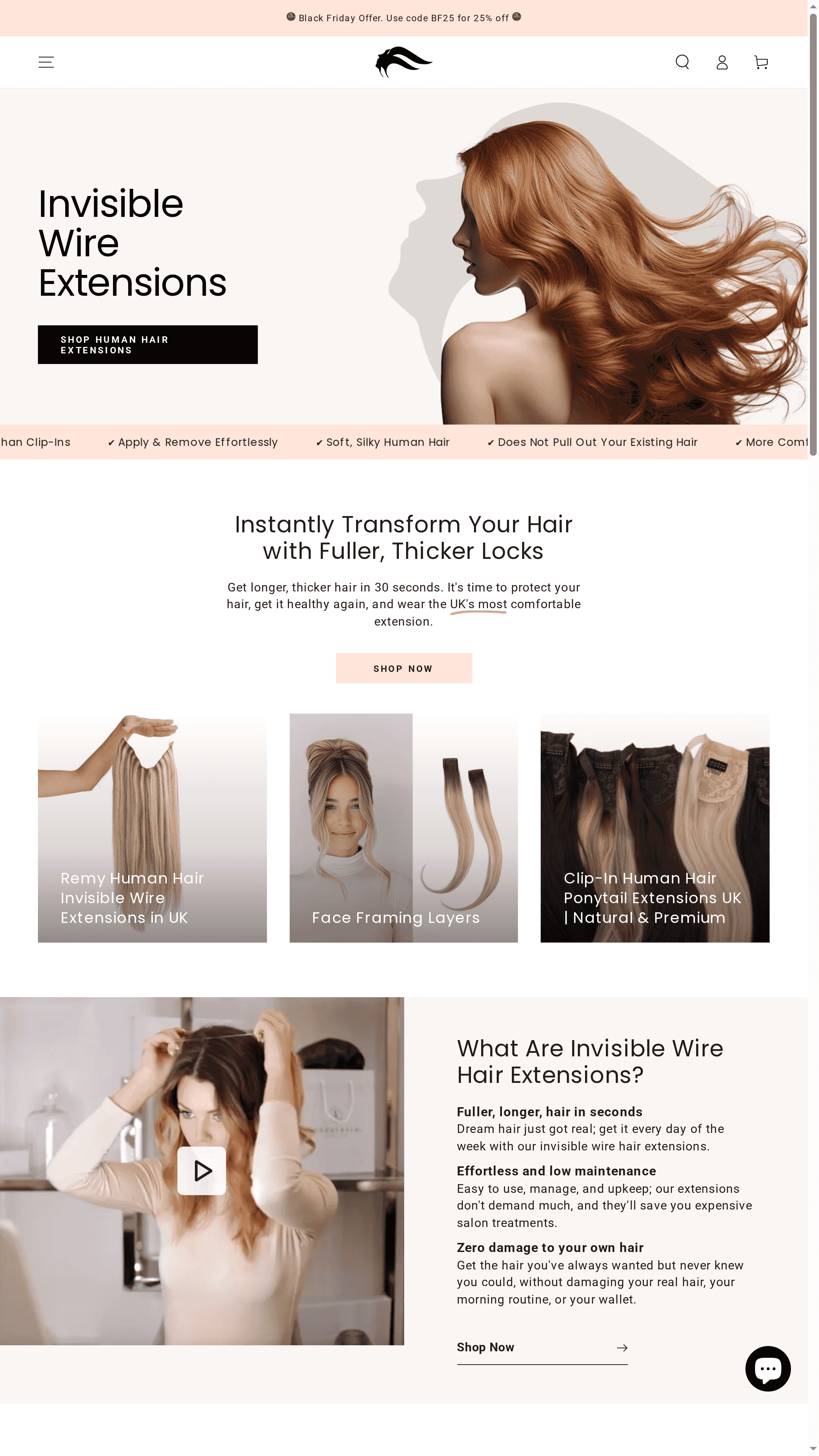
The range includes invisible wire extensions, ponytail styles, and face-framing pieces, all crafted from ethically sourced Remy hair with cuticles aligned for a smooth, natural finish. If you’re exploring 16 inch extensions for a subtle length boost, or you want to customise your look with additional extension wires, the site covers the full range. Fast UK delivery and a free exchange policy mean you can shop with confidence. Browse the collection and find the style that fits your hair and your life.
FAQ
Do hair extensions damage your hair?
Extensions do not inherently cause damage when applied with the correct weight and technique. Problems arise from excessive tension, poor installation, or skipping proper aftercare.
How often do hair extensions need maintenance?
Tape-in and weft extensions need repositioning every six to eight weeks. Fusion extensions last three to four months, while clip-in and wire styles require no scheduled salon visits.
Can fine hair wear extensions safely?
Yes. Lightweight options such as invisible wire and clip-in extensions distribute weight across the scalp rather than anchoring to small sections, making them suitable for finer hair when applied correctly.
Do extensions stop natural hair growth?
No. Hair grows from the follicle, and extensions attached to the hair shaft do not block that process. Incorrect tension and placement can cause thinning, but normal growth continues when safe practices are followed.
How do you protect extensions when swimming?
Coat the ends with leave-in conditioner, braid or secure your hair before entering the water, and rinse thoroughly with fresh water immediately afterwards. This protects against brittleness caused by chlorine and salt water.