Summer brings sunshine, festivals, and the perfect excuse to transform your look with gorgeous hair extensions. Yet choosing the wrong type can leave your natural hair damaged, especially when heat and humidity put extra stress on both your locks and extension bonds. Understanding which extension methods cause the least harm while delivering stunning results is essential for maintaining healthy hair throughout the warmer months. This guide reveals expert-approved options and practical care strategies to help you enjoy beautiful, fuller hair all summer without compromising your natural strands.
Table of Contents
- How To Evaluate Hair Extensions For Summer Use
- Clip-In Extensions: Safest And Most Flexible Option
- Tape-In Extensions: Low-Damage Choice With Professional Care
- Comparing Extension Types For Summer: Clip-In Vs Tape-In And Others
- Explore Premium Remy Hair Extensions For Your Summer Look
- FAQ
Key takeaways
| Point | Details |
|---|---|
| Clip-in extensions offer maximum safety | Non-invasive clips cause minimal damage and allow daily removal to protect natural hair |
| Tape-in extensions require professional care | Low-damage when properly installed and removed with bond-specific products |
| Avoid oils near adhesive bonds | Heavy oils and silicones weaken tape extension adhesives and reduce longevity |
| Proper removal prevents hair loss | Using correct techniques and products protects natural hair from traction damage |
| Regular maintenance extends lifespan | Gentle washing routines and professional checks keep extensions and natural hair healthy |
How to evaluate hair extensions for summer use
Selecting the right hair extensions for summer requires careful consideration of how different methods interact with heat, humidity, and your natural hair health. The warm months present unique challenges, from increased sweating that affects adhesive bonds to more frequent washing that can stress both extensions and your own strands. Your primary focus should centre on minimising damage whilst maintaining the flexibility to adapt your style as summer plans evolve.
The application method determines how much stress your natural hair endures. Non-invasive options like clip-ins distribute weight across wider sections, whilst permanent methods concentrate tension on smaller areas. Consider how each type affects your scalp, particularly during hot weather when breathability becomes crucial. Lightweight extensions prevent the pulling sensation that can lead to traction alopecia, a condition where constant tension gradually damages hair follicles.
Maintenance requirements vary dramatically between extension types. Some demand daily attention, whilst others need professional servicing every few weeks. Evaluate your lifestyle honestly, accounting for beach trips, swimming, and outdoor activities that expose extensions to chlorine, salt water, and UV rays. The dos and don’ts of hair extensions provide essential guidance for protecting your investment during active summer months.
Pro Tip: Check your scalp weekly during summer for any redness, irritation, or unusual hair shedding around extension attachment points to catch potential damage early.
Key evaluation criteria include:
- Application method and whether it requires heat, glue, or mechanical fastening
- Weight distribution across your natural hair to prevent localised stress
- Removal process and whether you can do it safely at home
- Compatibility with summer activities like swimming and outdoor sports
- Maintenance frequency and associated costs throughout the season
Clip-in extensions: safest and most flexible option
Clip-in extensions represent the gold standard for damage prevention, offering a completely reversible styling solution that puts you in full control. Small metal clips sewn onto wefts of hair simply snap onto your natural strands near the roots, requiring no adhesives, heat application, or professional installation. This mechanical attachment method means your hair experiences minimal stress, and you can remove the extensions whenever needed, giving your natural hair regular breaks that permanent methods cannot provide.
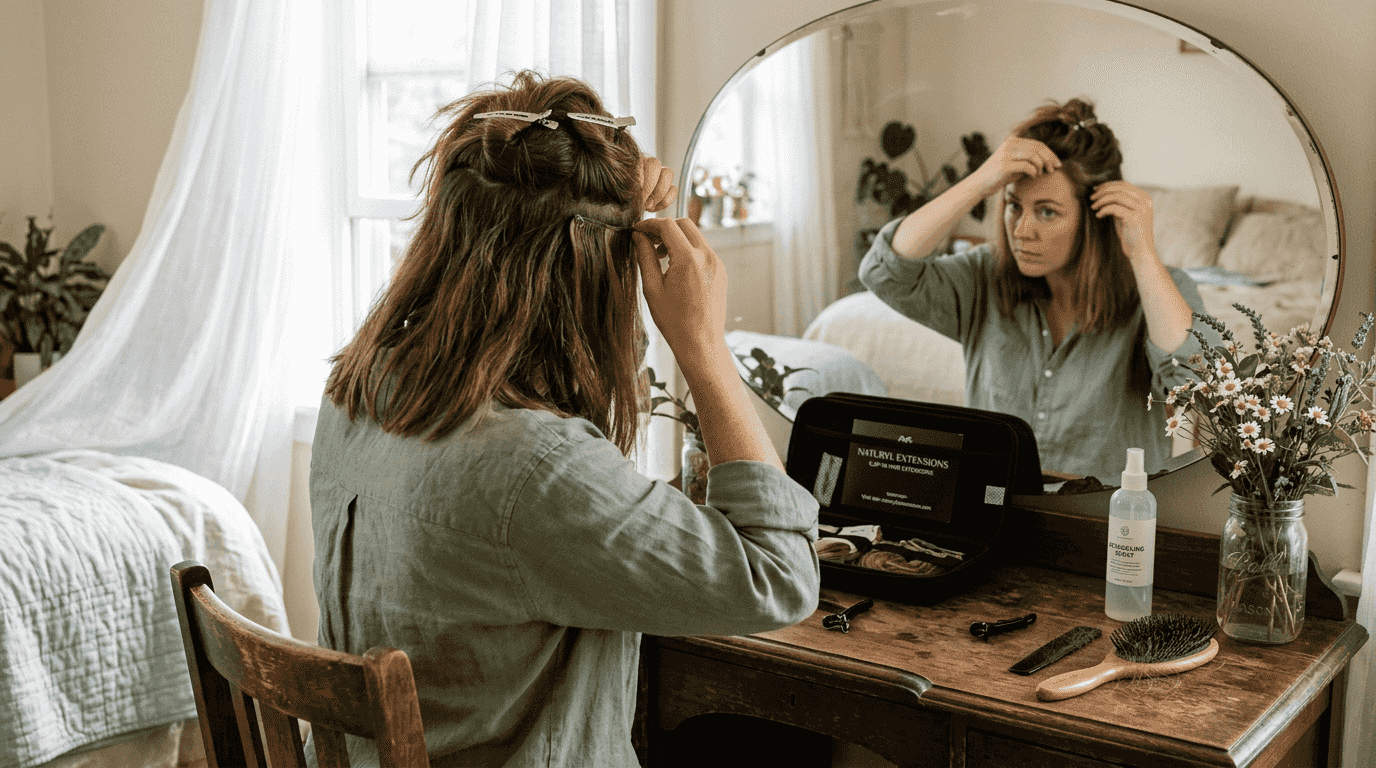
Clip-in extensions are the safest option for most people, causing minimal damage due to their non-invasive application. The temporary nature makes them ideal for summer when you might want glamorous length for evening events but prefer to remove them during daytime heat or water activities. You maintain complete flexibility to match your extensions to your daily plans, wearing them only when desired rather than managing them constantly.
The reusability factor delivers excellent value over time. Quality clip-in sets last for years with proper care, and you can wash, style, and treat them just like your natural hair between wears. Unlike permanent extensions that require replacement every few months, clip-ins remain a one-time investment that adapts to your changing needs throughout multiple seasons.
“Removing clip-in extensions before bed is the single most important habit for preventing tangling and protecting both your natural hair and the extensions themselves from overnight stress.”
Clip-in advantages for summer include:
- Zero damage to natural hair follicles or cuticles
- Complete control over when and where you wear them
- Easy removal before swimming or sleeping
- No professional installation or removal costs
- Suitable for all hair types and textures
Pro Tip: Apply clip-ins to completely dry hair and tease the roots slightly before clipping to create grip that prevents slipping during active summer days.
For comprehensive guidance on maintaining your clip-ins throughout the season, explore our caring for your hair extensions guide which covers washing, styling, and storage techniques that maximise longevity.
Tape-in extensions: low-damage choice with professional care
Tape-in extensions offer a semi-permanent solution that balances natural appearance with relatively low damage when handled correctly. Thin adhesive strips attach small wefts of hair close to your scalp, creating seamless blending that moves naturally with your own strands. The flat application lies smooth against your head, making tape-ins virtually undetectable and comfortable even in summer heat when bulkier methods can feel heavy.
The key to safe tape-in wear lies in professional expertise. Certified stylists understand proper placement that distributes weight evenly, preventing the concentrated tension that damages hair follicles. They also use medical-grade adhesives formulated to bond securely without requiring excessive force during removal. Tape-in extensions cause significantly less traction alopecia than weaves or braids and require proper removal to avoid hair loss, making them a preferred choice for health-conscious extension wearers.
Adhesive maintenance becomes particularly important during summer. The bonds can weaken when exposed to oils, so you must avoid applying conditioner, hair masks, or styling products directly onto the tape areas. This restriction requires adjusting your usual hair care routine, focusing nourishing treatments on mid-lengths and ends rather than roots. Swimming in chlorinated or salt water also affects adhesive strength, so protecting your extensions with a swimming cap or limiting water exposure helps maintain bond integrity.
Pro Tip: Schedule professional tape-in checks every four weeks during summer, as humidity and increased washing can loosen bonds faster than in cooler months.
| Tape-in care requirement | Summer consideration | Recommended action |
|---|---|---|
| Washing frequency | Increased sweating requires more frequent cleansing | Use sulfate-free shampoo, focus on scalp only |
| Product application | Oils weaken adhesive bonds | Keep conditioners away from tape areas |
| Professional maintenance | Humidity affects bond strength | Book checks every 4 weeks instead of 6-8 |
| Removal timing | Plan around summer holidays | Remove before extended beach trips |
Proper removal techniques protect your natural hair from damage. Never attempt to pull tape-ins out yourself, as this can tear your strands. Professional removal uses specialised bond dissolvers that break down adhesive gently, allowing extensions to slide off without resistance. Learn more about safe practices in our guide to removing hair extensions safely.
Tape-in benefits for summer wear:
- Natural movement and comfortable lightweight feel
- Lasts 6 to 8 weeks with proper care
- Less visible than other semi-permanent methods
- Reusable wefts when retaped professionally
- Suitable for fine to medium hair textures
Comparing extension types for summer: clip-in vs tape-in and others
Understanding how different extension methods compare helps you make informed decisions based on your hair health priorities, lifestyle demands, and budget constraints. Whilst clip-in and tape-in options dominate the low-damage category, other methods like sew-ins and bead extensions remain popular despite carrying higher risk profiles. Each technique involves trade-offs between longevity, maintenance requirements, and potential hair stress.
Clip-in and tape-in extensions are top safe options, with distinct benefits and usage considerations that suit different summer scenarios. The comparison below evaluates common extension types across factors that matter most during warmer months when your hair faces additional environmental challenges.
| Extension type | Damage risk | Application method | Cost range | Maintenance frequency | Summer comfort |
|---|---|---|---|---|---|
| Clip-in | Minimal | Self-applied clips | £50-£300 | Daily removal/reapplication | Excellent, removable for activities |
| Tape-in | Low | Professional adhesive | £200-£600 | 4-6 week adjustments | Good, lightweight and flat |
| Sew-in/weave | Moderate to high | Braided cornrows with sewn wefts | £150-£500 | 6-8 week reinstallation | Poor, tight braids trap heat |
| Bead/micro-link | Moderate | Metal beads clamped onto hair | £300-£800 | 6-8 week bead tightening | Moderate, beads can feel heavy |
Clip-ins excel for summer versatility because you control exactly when your hair bears the weight of extensions. Beach day? Leave them at home. Evening wedding? Clip them in for instant glamour. This flexibility prevents the cumulative stress that permanent methods impose on your follicles day after day, particularly when summer heat already challenges hair health through increased UV exposure and chlorine contact.
Tape-ins suit women seeking semi-permanent length without the severe tension of braided methods. The adhesive distributes weight across wider sections compared to the concentrated pull of individual beads or tight cornrows. However, tape-ins demand vigilance about product use and swimming exposure, making them less carefree than clip-ins for active summer lifestyles.
Sew-in weaves and bead extensions carry higher damage potential because they create constant tension on small sections of natural hair. The braiding required for sew-ins can cause traction alopecia when too tight, whilst metal beads can slip and pull if not maintained properly. Both methods also trap moisture and heat against your scalp, potentially leading to fungal issues during humid summer weather.
Pro Tip: If you love the longevity of permanent extensions but want to minimise summer damage, consider wearing them for autumn and winter, then switching to clip-ins during the hottest months when your hair needs maximum breathing room.
Factors favouring non-invasive extensions for summer:
- Ability to remove extensions before swimming or sleeping
- No adhesive weakening from sunscreen, oils, or salt water
- Easy access to scalp for thorough cleansing after sweating
- Flexibility to give natural hair complete rest days
- Lower risk of heat-related scalp irritation
For detailed maintenance strategies that keep any extension type looking fresh throughout summer, visit our hair extension maintenance uk tips resource covering washing schedules, styling techniques, and storage solutions.
Explore premium Remy hair extensions for your summer look
Transforming your summer style starts with choosing extensions crafted from the finest quality hair. Naturyl Extensions specialises in premium Remy human hair invisible wire extensions that offer the perfect balance of natural appearance and gentle application. Our invisible wire design eliminates clips and adhesives entirely, using a comfortable wire that sits invisibly along your hairline for damage-free wear that feels as light as your own hair.
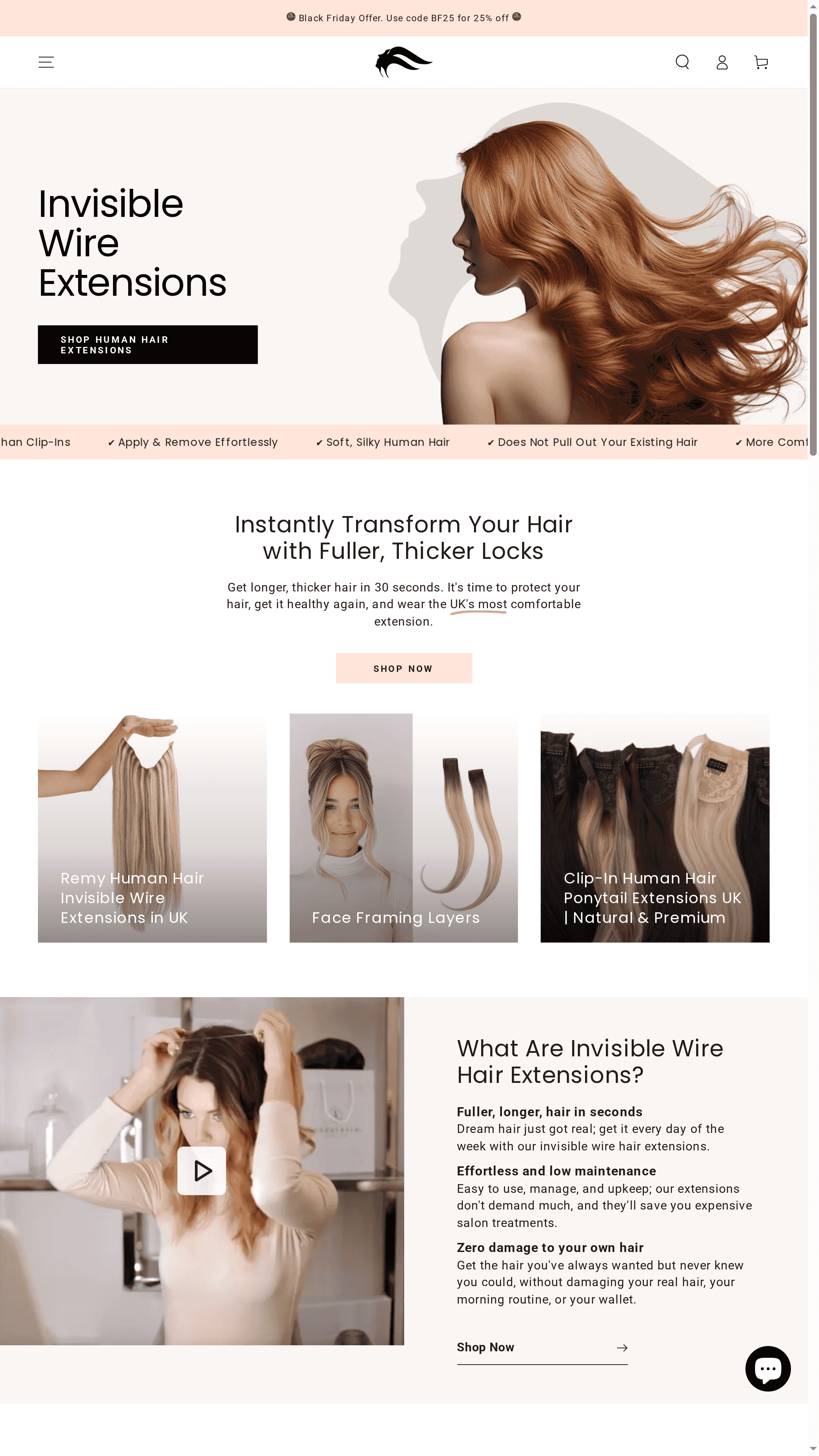
Whether you prefer subtle length enhancement or dramatic volume, our range includes carefully curated options like 16 inch hair extensions that suit various face shapes and styling preferences. Each set uses ethically sourced Remy hair with cuticles aligned in one direction, preventing tangling and ensuring your extensions maintain their silky texture throughout the season. Discover why Remy quality matters by exploring what is Remy hair and how this premium standard protects both your investment and your natural hair health during summer styling adventures.
FAQ
What are the least damaging hair extension types for summer?
Clip-in extensions cause the least damage because they attach with small clips that you remove daily, giving your natural hair regular breaks from any weight or tension. Tape-in extensions rank second when professionally applied and removed using proper bond dissolvers. Both methods avoid the concentrated pulling that permanent extensions create, making them ideal for protecting hair health during summer when heat and activity already stress your strands.
Proper removal techniques matter as much as the extension type itself. Never pull or tug at any extension, and always use recommended products to dissolve adhesives before attempting removal. Following correct procedures prevents the hair breakage and follicle damage that give extensions their reputation for causing harm. Our caring for hair extensions guide explains safe removal step by step.
How can I protect my natural hair while wearing extensions in summer?
Protecting natural hair during summer extension wear requires balancing cleanliness with gentle handling. Wash your hair and extensions with sulfate-free shampoo to remove sweat, chlorine, and product buildup without stripping natural oils. Focus shampooing on your scalp and roots where oil accumulates, then let suds rinse through the lengths rather than scrubbing vigorously.
Keep your natural hair hydrated with weekly deep conditioning treatments applied from mid-length to ends, avoiding adhesive areas if you wear tape-ins. Remove clip-in extensions every night before bed to prevent tangling and give your scalp complete rest. Limit heat styling to preserve both your natural hair and extensions, embracing air-drying when possible during warm weather. For comprehensive natural hair care strategies whilst wearing extensions, read our guide on natural hair care with extensions.
What maintenance routines keep summer extensions looking their best?
Maintaining summer extensions starts with appropriate washing frequency and technique. Cleanse your hair two to three times weekly using gentle, sulfate-free formulas that clean without damaging extension fibres or weakening adhesive bonds. Always brush extensions before washing to remove tangles, starting from ends and working upward to roots.
Avoid applying conditioner, oils, or masks directly onto tape-in bonds or clip-in attachment points, as these products can cause slipping or adhesive breakdown. Schedule professional maintenance checks every four to six weeks for tape-in adjustments or clip-in inspections to ensure all attachment mechanisms remain secure. Store clip-in extensions in breathable bags or on hangers when not wearing them to maintain their shape and prevent dust accumulation. Our detailed washing hair extensions guide provides specific techniques for different extension types throughout the summer season.
Can I swim with hair extensions during summer holidays?
Swimming with extensions requires extra precautions to protect both the hair and attachment methods. Clip-in extensions should always be removed before entering pools or the sea, as water weight makes them heavy and prone to slipping whilst chlorine and salt damage the hair fibres. Tape-in extensions can technically withstand occasional swimming, but you must wet your hair with clean water first and apply leave-in conditioner to create a protective barrier against harsh chemicals.
After swimming with any semi-permanent extensions, rinse thoroughly with fresh water immediately and wash with clarifying shampoo within a few hours to remove chlorine or salt deposits. Avoid submerging your head frequently, as repeated water exposure weakens adhesive bonds and requires more frequent professional maintenance. Consider wearing a swimming cap for extended water activities or save extension wear for dry summer events rather than beach holidays.