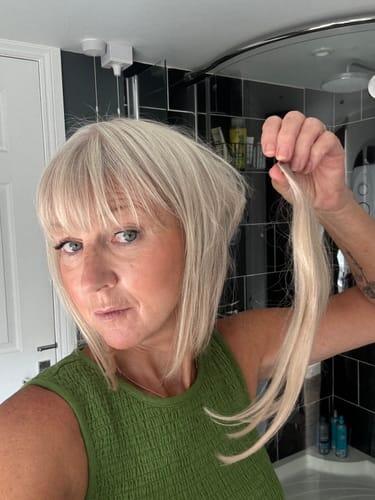
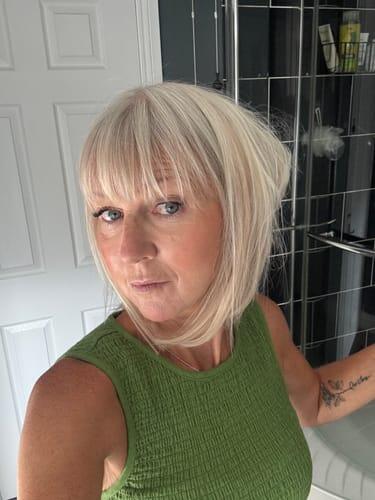
Many women assume all hair extensions last the same amount of time, but that’s far from reality. The truth is, your extensions’ lifespan depends heavily on the type you choose, the quality of hair, and how you care for them. Understanding these factors helps you maximise your investment and enjoy beautiful, long-lasting results that feel natural and look stunning.
Table of Contents
- Understanding How Hair Extension Lifespan Varies By Type
- Why Hair Quality Matters For Extension Lifespan
- How Maintenance And Application Methods Influence Lifespan
- Comparing Extension Types, Hair Quality, And Care For Lifespan Optimisation
- Explore Premium Remy Hair Extensions At Naturyl
Key takeaways
| Point | Details |
|---|---|
| Extension type matters | Tape-ins last 6-8 weeks, whilst keratin bonds can last 3-6 months with proper care. |
| Hair quality is crucial | Remy hair maintains aligned cuticles for superior longevity and minimal tangling compared to non-Remy options. |
| Maintenance extends lifespan | Using sulphate-free products and avoiding excessive heat significantly increases extension durability. |
| Application method impacts duration | Professional methods like micro-links and sew-ins last longer than temporary clip-in styles. |
Understanding how hair extension lifespan varies by type
Not all extensions are created equal when it comes to longevity. The attachment method you choose directly influences how long your extensions will last and how often you’ll need maintenance appointments.
Tape-in extensions last 6-8 weeks before needing repositioning, making them ideal if you prefer regular updates to your style. The adhesive naturally loosens as your hair grows, requiring professional reapplication to maintain a seamless look. These work brilliantly for those who enjoy changing their look frequently.
Keratin bond extensions offer significantly longer wear. With proper maintenance, keratin bonds last 3-6 months before replacement becomes necessary. The bonds fuse with your natural hair using heat, creating a durable connection that withstands daily styling and washing when cared for correctly.
Clip-in extensions provide the shortest lifespan amongst bonded methods because they’re designed for temporary wear. You attach and remove them daily, which means less wear on the actual extensions but also less integration with your natural hair. They’re perfect for special occasions or when you want flexibility without commitment.
Micro-link and sew-in methods sit somewhere between tape-ins and keratin bonds in terms of durability. These techniques require professional installation and regular tightening appointments every 6-8 weeks, but the actual hair can last several months with excellent care. The mechanical attachment method protects the hair strands whilst allowing natural movement.
Extension type comparison:
- Tape-in: 6-8 weeks between repositioning
- Keratin bond: 3-6 months with proper care
- Clip-in: Daily removal, lasts months with gentle handling
- Micro-link: 6-8 week adjustments, hair lasts 3-4 months
- Sew-in: 6-8 week maintenance, hair lasts 2-3 months
| Extension type | Typical lifespan | Maintenance frequency | Best for |
|---|---|---|---|
| Tape-in | 6-8 weeks | Every 6-8 weeks | Regular style changes |
| Keratin bond | 3-6 months | Every 3 months | Long-term commitment |
| Clip-in | Months to years | Daily removal | Occasional wear |
| Micro-link | 3-4 months | Every 6-8 weeks | Natural movement |
| Sew-in | 2-3 months | Every 6-8 weeks | Volume seekers |
Understanding these differences helps you choose extensions that align with your lifestyle and maintenance preferences. For more detailed guidance on hair extension lifespan types, consider your daily routine and styling habits before making your final decision.
Why hair quality matters for extension lifespan
The quality of hair you choose dramatically affects how long your extensions look fresh and feel luxurious. This factor often makes the difference between extensions that last months versus those that deteriorate within weeks.
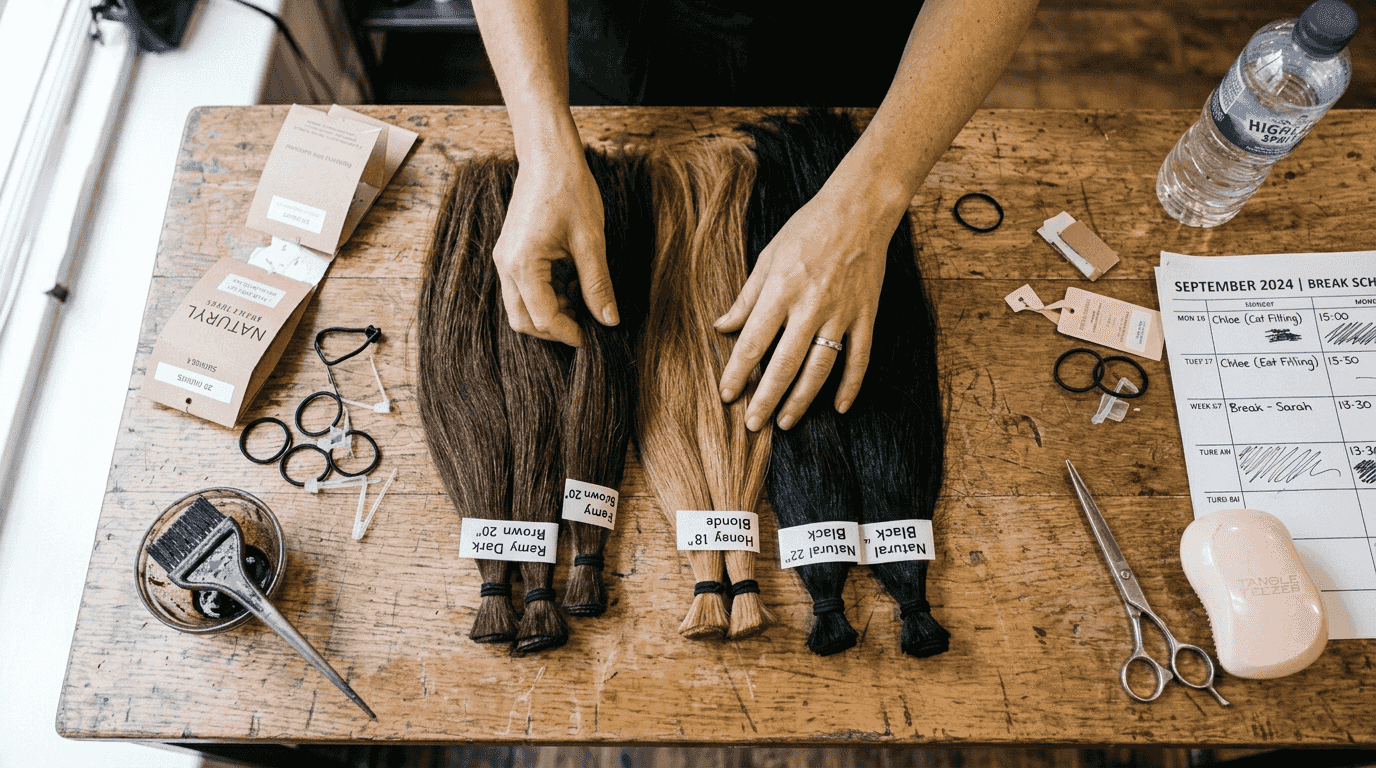
Remy hair stands apart because the cuticles remain aligned in their natural direction. Remy hair lasts longer and tangles less than non-Remy alternatives, maintaining its smooth texture and natural shine throughout its lifespan. This alignment means the hair behaves more like your own, flowing naturally and responding well to styling.
Non-Remy hair undergoes chemical processing to strip cuticles, creating a uniform appearance initially. However, this treatment weakens the hair structure, leading to faster deterioration. You’ll notice increased tangling, dullness, and breakage much sooner than with Remy hair, often within just a few weeks of regular wear.
The investment in Remy hair pays dividends over time. Remy extensions last up to a year with diligent care, whilst non-Remy options typically need replacing after just a few months. When you calculate the cost per wear, premium quality actually proves more economical than repeatedly replacing cheaper alternatives.
Proper care amplifies the natural advantages of high-quality hair. Even the finest Remy hair requires gentle handling, appropriate products, and mindful styling to reach its full potential. Understanding what is Remy hair helps you appreciate why this investment matters for long-term satisfaction.
Quality indicators to look for:
- Intact, aligned cuticles running in one direction
- Smooth texture that doesn’t feel coarse or dry
- Natural shine without excessive processing
- Minimal shedding when brushed gently
- Clear labelling of hair grade and origin
Pro Tip: Always verify the hair grade and sourcing details before purchasing extensions. Reputable suppliers provide transparent information about their Remy hair quality, including ethical sourcing practices and processing methods that preserve the hair’s natural integrity.
Choosing quality hair from the start saves you money, time, and frustration. Your extensions will maintain their beautiful appearance longer, require less intensive maintenance, and provide the natural look you’re seeking without constant replacements.
How maintenance and application methods influence lifespan
Your daily care routine and chosen application method work together to determine how long your extensions remain beautiful and functional. Even premium quality hair deteriorates quickly without proper attention and suitable attachment techniques.
Maintenance forms the foundation of extension longevity. Proper care includes sulphate-free shampoos and minimising heat exposure to preserve the hair’s natural structure. Sulphates strip natural oils and damage the cuticle layer, whilst excessive heat weakens protein bonds that give hair its strength and elasticity.
Regular professional check-ups extend your extensions’ lifespan significantly. A skilled stylist identifies loosening bonds, adjusts placement as your hair grows, and addresses potential damage before it becomes severe. These appointments typically occur every 6-8 weeks, depending on your chosen method and hair growth rate.
Application methods vary dramatically in their impact on durability. Micro-links and sew-ins last longer than clip-in alternatives when combined with professional maintenance. The secure attachment distributes tension evenly, preventing stress on individual hair strands that could cause breakage or premature loosening.
Clip-in extensions offer flexibility but require careful handling. You remove them nightly, which protects your natural hair from constant tension but demands gentle attachment and storage practices. The clips themselves can last years, whilst the hair quality determines overall lifespan.
Essential maintenance steps:
- Wash with sulphate-free, extension-safe shampoo and conditioner
- Brush gently from ends to roots using a loop brush or wide-tooth comb
- Apply heat protectant before any styling with hot tools
- Sleep with hair in a loose plait or ponytail to prevent tangling
- Schedule professional maintenance appointments every 6-8 weeks
- Store clip-ins properly when not wearing them to maintain shape
Pro Tip: Never sleep with clip-in extensions attached. The pressure and movement during sleep can damage both the clips and the hair, significantly reducing their lifespan and potentially harming your natural hair.
For comprehensive guidance, explore our hair extension care guide that covers daily routines, product recommendations, and styling techniques. Understanding the differences between methods helps you make informed choices, as detailed in our application methods comparison.
“The difference between extensions lasting 3 months versus 6 months often comes down to daily care habits rather than the hair quality itself. Consistency in gentle handling, appropriate products, and professional maintenance makes all the difference.”
Your commitment to proper care directly translates to extension longevity. Investing time in correct maintenance routines protects your financial investment whilst ensuring your hair looks consistently beautiful throughout the extensions’ entire lifespan.
Comparing extension types, hair quality, and care for lifespan optimisation
Making an informed decision about extensions requires understanding how type, quality, and maintenance interact to affect longevity. This comprehensive comparison helps you weigh your options based on your lifestyle, budget, and styling preferences.
| Extension type | Hair quality | Expected lifespan | Maintenance level | Best for |
|---|---|---|---|---|
| Tape-in | Remy human hair | 6-8 weeks per application | Medium | Quick installations, regular updates |
| Tape-in | Non-Remy | 4-6 weeks per application | High | Budget-conscious, short-term |
| Keratin bond | Remy human hair | 3-6 months | Low to medium | Long-term wear, natural look |
| Keratin bond | Non-Remy | 2-3 months | High | Temporary commitment |
| Clip-in | Remy human hair | 6-12 months | Very low | Occasional wear, special events |
| Clip-in | Non-Remy | 3-6 months | Medium | Budget options, infrequent use |
| Micro-link | Remy human hair | 3-4 months | Medium | Active lifestyles, swimming |
| Sew-in | Remy human hair | 2-3 months | Medium to high | Maximum volume, protective styling |
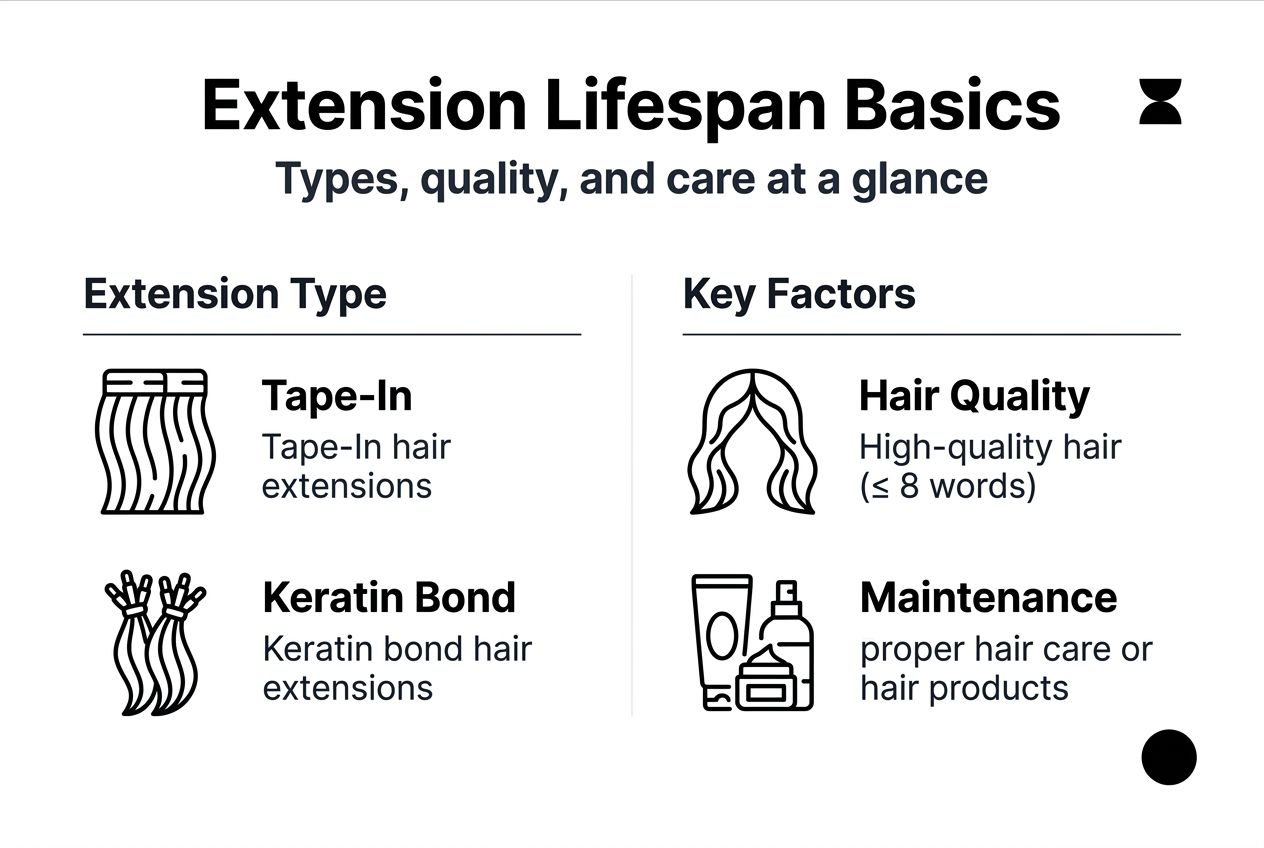
The quality of hair dramatically affects these timelines. High-quality, ethically sourced human hair outlasts synthetic or low-grade alternatives by months, maintaining appearance and texture throughout its lifespan. Remy hair’s aligned cuticles resist tangling and matting, reducing daily maintenance time whilst extending overall wear.
Your maintenance routine influences these durations significantly. Extensions receiving proper care with sulphate-free products, minimal heat styling, and gentle brushing consistently outlast those treated roughly or washed with harsh chemicals. Even non-Remy hair performs better with excellent care, though it still won’t match Remy quality.
Budget considerations extend beyond initial purchase price. Whilst Remy hair costs more upfront, its extended lifespan often makes it more economical than repeatedly replacing cheaper alternatives. Calculate cost per month of wear rather than focusing solely on initial investment to understand true value.
Lifestyle factors should guide your choice. If you swim frequently, micro-links withstand water exposure better than tape-ins. For those who change styles often, clip-ins offer flexibility without commitment. Understanding why Remy hair matters helps you select options that align with your daily routine and styling preferences.
Consider your time availability for maintenance appointments. Permanent methods require professional visits every 6-8 weeks, whilst clip-ins need only occasional checks for clip integrity and hair condition. Balance your desire for convenience against your commitment to maintaining beautiful extensions.
Explore premium Remy hair extensions at Naturyl
Now that you understand what influences extension lifespan, you’re ready to choose options that deliver lasting beauty and value. Naturyl specialises in premium Remy hair extensions designed specifically for women seeking superior quality and durability.
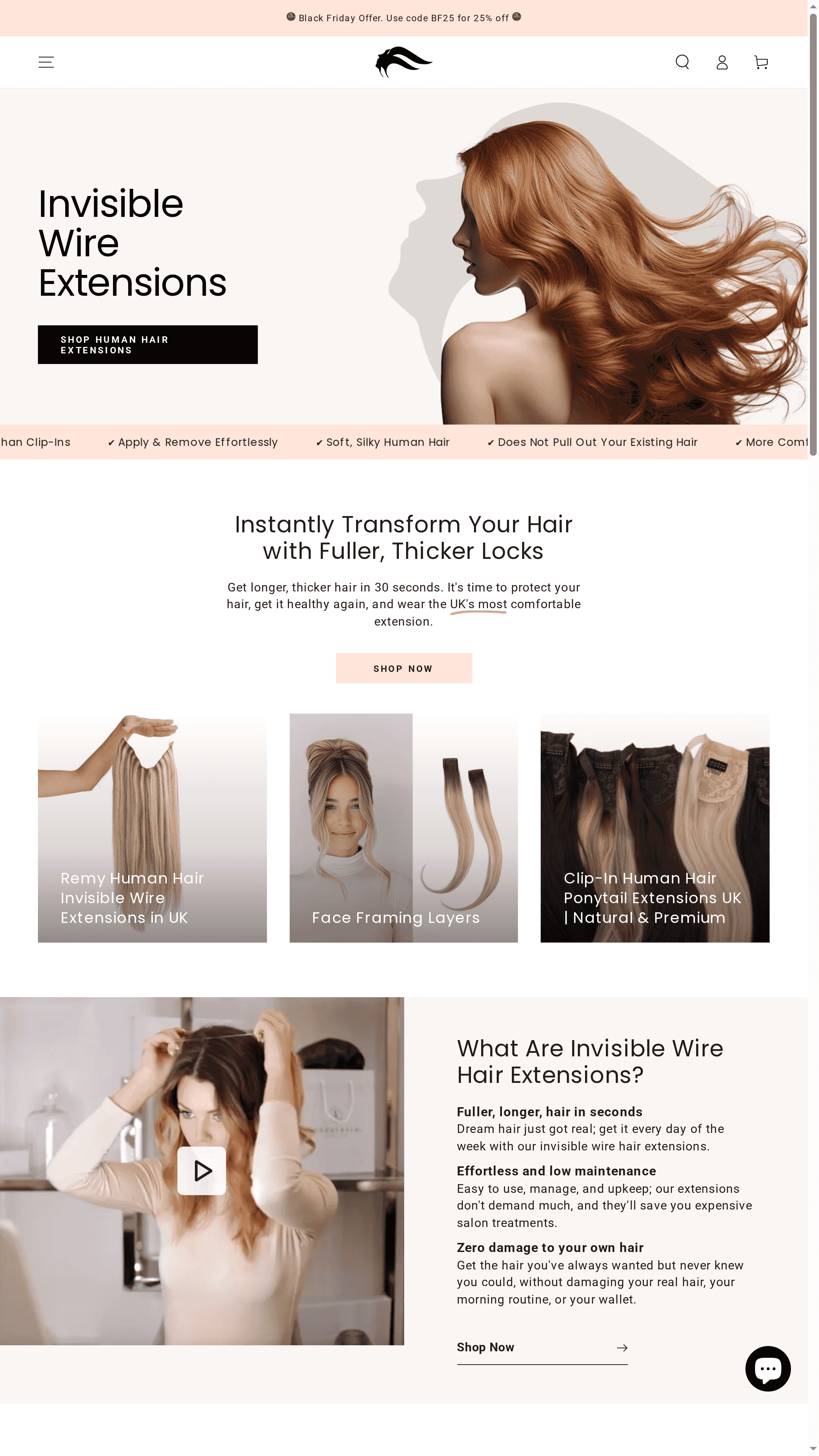
Our Remy human hair invisible wire extensions provide the perfect balance of longevity and natural appearance. The invisible wire system offers quick application without salon visits, whilst maintaining the aligned cuticles and smooth texture that ensure months of beautiful wear.
For those seeking customised length and volume, explore our invisible extension wires available in various lengths. These complement our hair extensions perfectly, allowing you to create your ideal style whilst benefiting from the durability advantages of authentic Remy hair.
Learn more about what sets our products apart by reading our comprehensive what is Remy hair guide, which explains the sourcing, processing, and quality standards that make Naturyl extensions last longer and look better throughout their lifespan.
FAQ
How can I tell if my extensions are Remy hair?
Remy hair maintains cuticles aligned in their natural direction, creating a consistently smooth texture from root to tip. You’ll notice it feels soft, flows naturally, and tangles minimally compared to non-Remy alternatives. Reputable suppliers clearly label products as Remy and provide sourcing information; verify these details with trusted vendors who specialise in identifying Remy hair before purchasing.
What maintenance routine helps hair extensions last longest?
Use sulphate-free shampoo and conditioner formulated for extensions, avoiding the bonds or tape during washing. Brush gently with a loop brush starting from the ends, apply heat protectant before styling, and limit hot tool use to preserve the hair’s protein structure. Schedule professional adjustment appointments every 6-8 weeks and follow specific hair extension maintenance tips for your chosen attachment method.
Can application method affect how often extensions need replacing?
Absolutely; micro-links and sew-ins generally require replacement every 3-4 months with proper professional maintenance, whilst tape-ins need repositioning every 6-8 weeks as your hair grows. Clip-ins last longer in total time because you remove them daily, reducing overall wear. Compare different extension application methods to understand which suits your lifestyle and maintenance preferences best.
Does sleeping with extensions damage them faster?
Sleeping with bonded extensions properly secured in a loose plait prevents tangling and friction damage, actually extending their lifespan. However, never sleep wearing clip-in extensions, as the pressure and movement can damage both the clips and hair strands, significantly reducing durability. For bonded methods, use a silk pillowcase to minimise friction and preserve the hair’s smooth texture overnight.
How does heat styling impact extension longevity?
Excessive heat weakens the protein bonds in human hair extensions, causing dryness, breakage, and reduced lifespan regardless of quality. Always apply heat protectant before using styling tools, keep temperatures below 180°C, and limit hot tool use to 2-3 times weekly. Air drying when possible and embracing natural texture significantly extends how long your extensions maintain their beautiful appearance and healthy feel.