TL;DR:
- Tangle-free hair has a flat cuticle layer that allows strands to glide past each other smoothly. Consistent hydration and gentle handling keep the cuticle flat and reduce tangling. Using the right tools and routines based on hair type prevents damage and maintains manageability over time.
Tangle-free hair is defined as hair with a smooth, flat cuticle layer that allows strands to glide past one another without catching or knotting. The cuticle, the outermost layer of each hair strand, acts as a protective shield. When it lies flat, strands stay separate and manageable. When it lifts, strands snag against each other, creating the knots and mats that make combing a frustrating experience. Understanding this mechanism is the first step toward genuinely manageable hair, and it shifts the focus from buying the right product to building the right routine.
What causes hair to tangle? The science of cuticle health
Raised cuticles are the root cause of tangling. Dryness, heat, and damage lift the cuticle scales so they interlock with neighbouring strands, much like two pieces of Velcro pressed together. Hydrated strands, by contrast, have flat cuticles that glide past each other naturally.
Several factors contribute to cuticle damage and tangling:
- Heat styling without protection. Repeated use of straighteners, curling tongs, and blow dryers at high temperatures degrades the cuticle layer over time.
- Friction from fabrics. Cotton pillowcases, rough towels, and tight hair ties all create mechanical friction that roughs up the cuticle surface.
- Split ends. Split ends act like tiny hooks that catch neighbouring hairs, accelerating knot formation throughout the length of the strand.
- Product buildup. Residue from styling products coats the hair shaft unevenly, creating rough patches that snag.
- Environmental exposure. Wind, sun, and pollution all stress the cuticle and contribute to dryness.
The interaction between these factors compounds quickly. Dry hair is more prone to friction damage, and friction damage leads to more dryness. Breaking that cycle requires addressing both moisture and mechanical stress simultaneously.
Pro Tip: Rinse your hair with cold water after conditioning. Cold water contracts the cuticle, leaving strands smoother and less prone to snagging before you even step out of the shower.
Does hair type affect how much your hair tangles?
Hair texture plays a significant role in tangling tendency. The structure of your individual strands determines how easily they knot and what care approach works best.
Curly and coily hair types tangle most readily. The spiral or zigzag shape of each strand means it naturally wraps around neighbouring hairs. Coily hair also tends to be drier because the scalp’s natural oils struggle to travel down the curved shaft, leaving the lengths more vulnerable to raised cuticles. Wide-tooth combs suit curly hair far better than fine-tooth brushes, which shred curls and worsen tangles.
Fine or straight hair tangles for different reasons. Static electricity and friction cause strands to cling together, particularly in dry weather or after towel drying. Fine hair also lacks the weight to keep strands separated, so it mats quickly at the nape and around the hairline.
| Hair type | Primary tangle cause | Recommended tool | Key care focus |
|---|---|---|---|
| Coily | Natural dryness, curl structure | Wide-tooth comb | Deep moisture, protective styles |
| Curly | Curl-on-curl friction | Wide-tooth comb or fingers | Leave-in conditioner, gentle detangling |
| Wavy | Friction and product buildup | Flexible paddle brush | Lightweight moisture, regular clarifying |
| Straight or fine | Static, friction, lack of weight | Soft-bristle brush | Anti-static products, gentle handling |
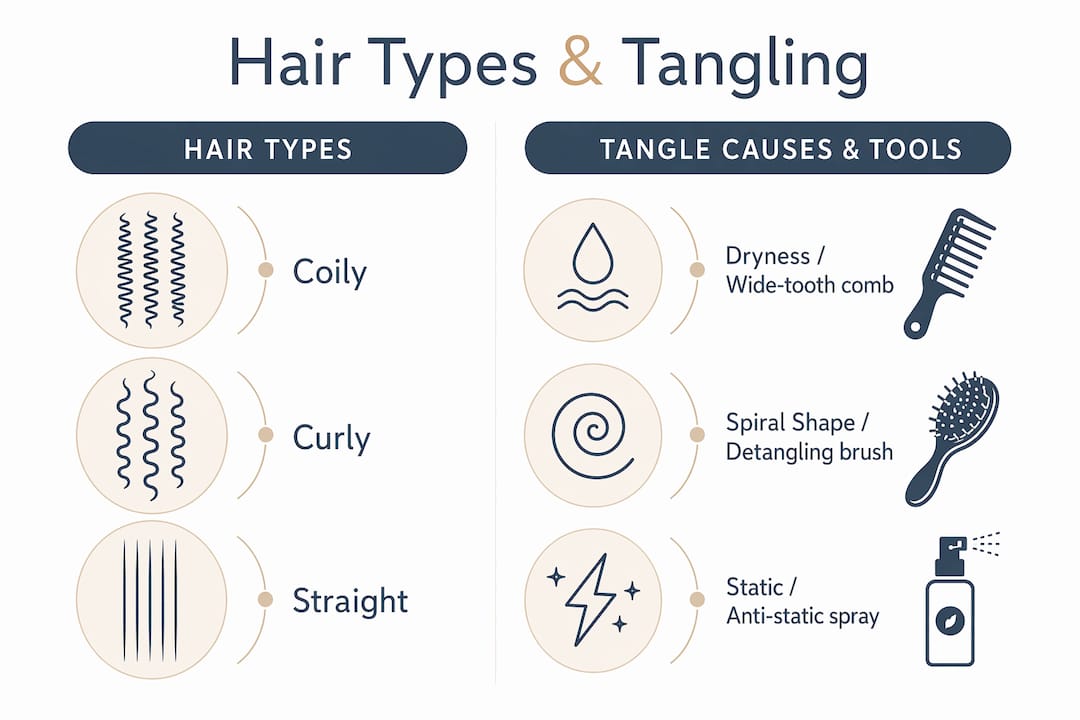
Knowing your hair texture lets you choose tools and products that work with your hair’s natural structure rather than against it. A routine built for coily hair will not serve fine, straight hair well, and vice versa.
How to achieve tangle-free hair: techniques and products that work
Achieving consistently tangle-free hair requires a structured routine. The right sequence matters as much as the products you choose.
-
Detangle on damp hair with slip. Detangling dry hair causes the most breakage, but soaking wet hair without product is also damaging. The sweet spot is damp hair coated with a leave-in conditioner or detangling spray. The product provides slip, allowing knots to release without tearing.
-
Work from ends to roots. Always start detangling at the tips and work upward in sections. Starting at the root pushes knots downward and tightens them, causing far more breakage.
-
Layer your moisture correctly. Apply a water-based moisturiser first, then seal with an oil or butter. The water-based product hydrates the strand; the oil locks that moisture in. Applying oil directly to dry hair without this first step does not hydrate. It only coats the surface.
-
Trim split ends every 8–12 weeks. Regular trimming prevents split ends from travelling up the shaft and creating more hooks for neighbouring hairs to catch on. Even small trims make a measurable difference to manageability.
-
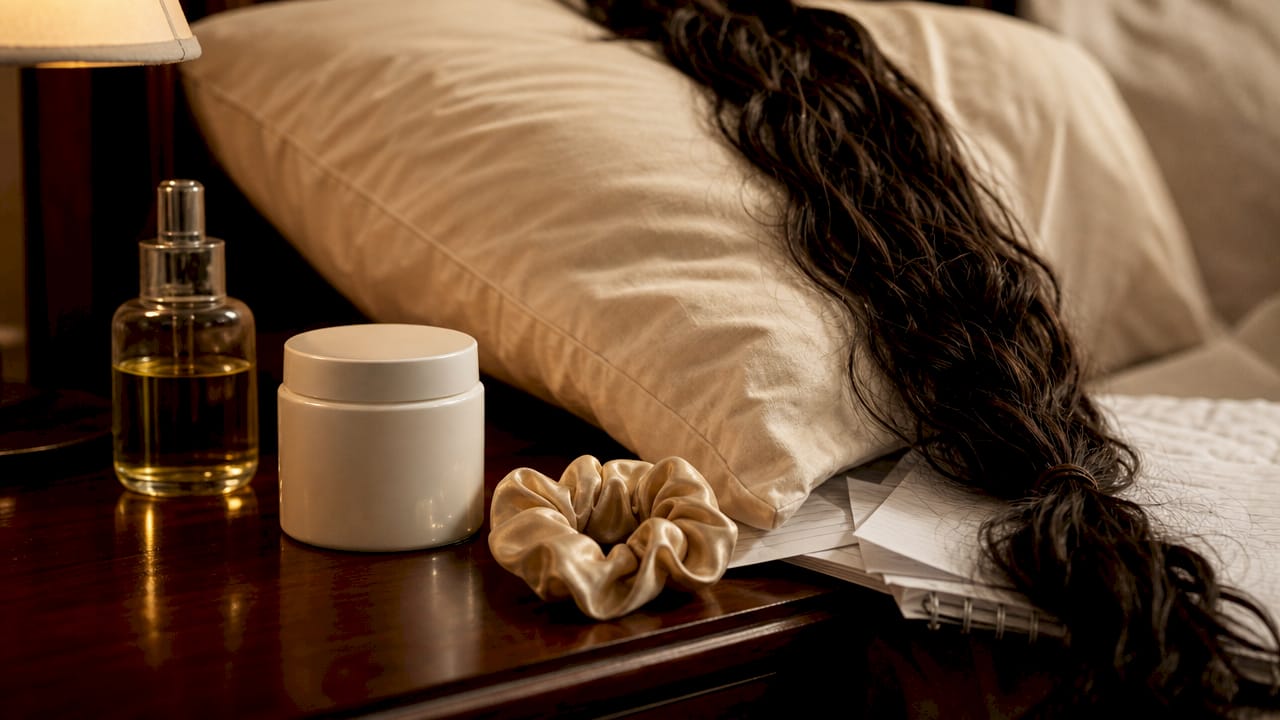
Protect your hair at night. Silk or satin pillowcases reduce friction during sleep, protecting the cuticle overnight. Loose protective styles such as a low braid or a pineapple bun further reduce tangling while you sleep. A weekly deep conditioning mask of 10–30 minutes restores moisture lost through daily styling and environmental exposure.
-
Dry gently. Rough towel drying with a cotton towel is one of the most common causes of frizz and tangling. Blot hair dry with a microfibre towel or a soft cotton T-shirt instead.
Pro Tip: Before bed, apply a small amount of leave-in conditioner to your ends, then loosely braid or twist your hair. You will wake up with far fewer knots and noticeably softer lengths.
Common myths about tangle-free hair
Several persistent misconceptions make it harder for people to achieve genuinely manageable hair.
- “Tangle-free hair is a product feature.” Persistent tangling signals cuticle damage or moisture deficiency. No single product resolves this without consistent care. Products support a routine; they do not replace one.
- “Oils moisturise hair.” Oils seal moisture into the hair shaft. They do not add moisture on their own. Applying oil without a water-based moisturiser first leaves hair coated but still dry underneath, which means the cuticle remains raised and prone to tangling.
- “Detangling is easier on completely dry hair.” Dry hair has no slip and the cuticle is at its most vulnerable. Detangling dry hair causes breakage and split ends, which then create more tangles. Damp hair with a detangling product is always the correct approach.
- “Frequent brushing smooths hair.” Over-brushing generates static and friction, particularly for fine or straight hair types. Brushing only when necessary, and using the right tool for your texture, produces better results.
Correcting these habits removes the biggest obstacles to genuinely tangle-free hair. The science is consistent: flat cuticles, adequate moisture, and minimal friction are the three pillars of manageable hair.
How daily habits and environment affect tangling
External factors contribute to tangling in ways that many people overlook entirely.
Hard water deposits minerals onto the hair shaft, stiffening the cuticle and making strands rough to the touch. This is particularly common in many parts of the UK. Installing a shower filter or using a clarifying shampoo once a fortnight removes mineral buildup and restores a smoother texture.
Daily habits that increase tangling include:
- Wearing hair loose in windy conditions, which causes strands to whip around and knot.
- Using elastic hair ties with metal clasps, which snag and break hair at the point of contact.
- Wearing tight-knit hats or scarves made from rough fabrics, which create friction along the hairline and nape.
- Tucking hair into coat collars, which causes repeated mechanical friction on the same section of hair.
Switching to fabric-covered hair ties, silk-lined hats, and microfibre towels addresses most of these friction sources without requiring any change to your core routine.
“Tangle-free hair is not a state you arrive at. It is a state you maintain. The daily choices you make around friction, moisture, and handling either protect your cuticle or degrade it. Small consistent changes outperform occasional intensive treatments every time.”
Testing different products before committing to a full routine is a practical approach. Many hair care brands offer samples of detanglers, leave-in conditioners, and moisturisers, which lets you assess how a product performs on your specific texture before purchasing a full size. Understanding why brands offer samples can help you make more informed choices when building your routine.
Key takeaways
Tangle-free hair is an actively maintained state achieved by keeping the cuticle flat, the hair hydrated, and friction consistently low.
| Point | Details |
|---|---|
| Cuticle health is central | Raised cuticles cause tangling; hydration and gentle handling keep them flat. |
| Detangle on damp hair | Use a leave-in conditioner on damp hair and work from ends to roots to prevent breakage. |
| Layer moisture correctly | Apply a water-based moisturiser before any oil to genuinely hydrate the strand. |
| Protect hair at night | Silk or satin pillowcases and loose protective styles reduce overnight friction significantly. |
| Trim regularly | Removing split ends every 8–12 weeks eliminates the hooks that cause knots to form. |
What I have learned about tangle-free hair after years of working with it
Most people approach tangling as a problem to solve once. They buy a detangling spray, use it for a week, and wonder why their hair is still knotting. The truth is that tangle-free hair requires the same consistency as any other health habit. You cannot deep condition once a month and expect smooth hair every day.
The single biggest shift I have seen in people’s hair health comes from changing their nighttime routine. Swapping a cotton pillowcase for a satin one and loosely braiding hair before bed costs almost nothing and produces visible results within two weeks. It is the kind of change that feels too simple to work, but the science supports it completely.
I have also noticed that people consistently underestimate the role of water hardness. If you live in a hard water area and your hair feels perpetually rough despite good products, a shower filter or a monthly chelating treatment will do more for your manageability than any conditioning mask. Address the cause, not just the symptom.
Finally, patience with your hair type matters. Curly and coily hair will always require more deliberate detangling than straight hair. That is not a flaw in your hair. It is simply the structure you are working with. Building a routine that respects that structure, rather than fighting it, is what produces genuinely tangle-free results over time.
— Sam
Remy hair extensions that stay tangle-free
If you are working to maintain smooth, manageable hair, the extensions you choose matter just as much as your daily routine.
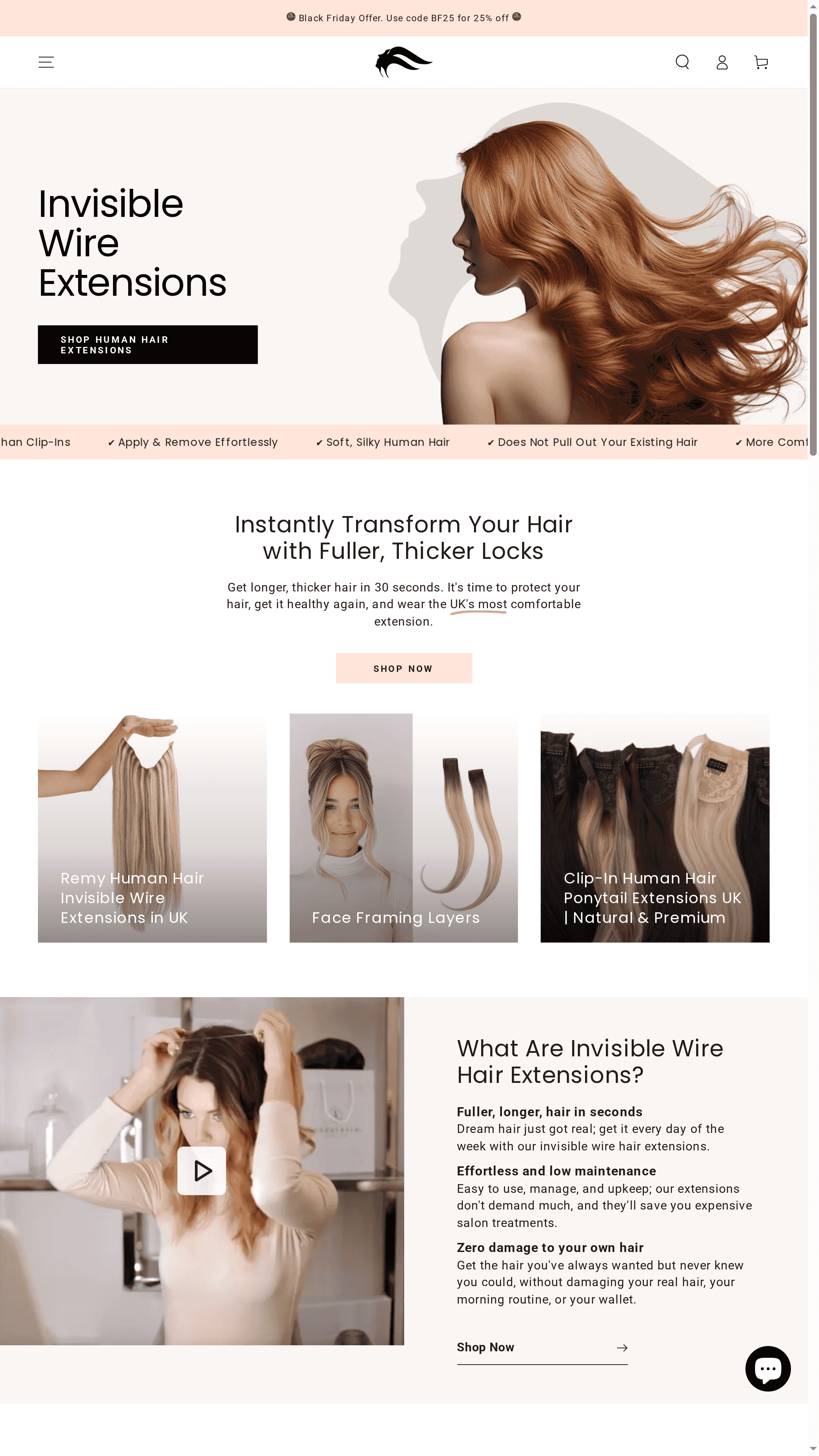
Naturylextensions specialises in Remy human hair extensions with cuticles aligned in the same direction, which is the key reason Remy hair resists tangling far better than non-Remy alternatives. The invisible wire extensions, additional length wires, and thinning hair fill-ins are all designed to sit naturally with your own hair without adding friction or weight that disrupts your existing care routine. If you want extensions that complement your tangle-free hair goals rather than undermine them, Naturylextensions is the place to start.
FAQ
What is tangle-free hair exactly?
Tangle-free hair is hair with a smooth, flat cuticle layer that prevents strands from catching and knotting together. It is maintained through consistent hydration, gentle handling, and minimising friction.
What causes hair to tangle so easily?
Raised cuticles caused by dryness, heat damage, and friction are the primary causes of tangling. Split ends and product buildup also create hooks that catch neighbouring strands.
How do I detangle hair without causing breakage?
Detangle damp hair coated with a leave-in conditioner, working from the ends upward in sections. Detangling dry hair or soaking wet hair without product causes the most breakage.
Can hair extensions tangle?
Hair extensions can tangle if the cuticles are not aligned or if they are not cared for correctly. Remy hair extensions have cuticles running in the same direction, which significantly reduces tangling compared to non-Remy options.
How often should I trim my hair to reduce tangles?
Trimming split ends every 8–12 weeks prevents them from travelling up the shaft and creating more knot-forming hooks throughout the length of your hair.