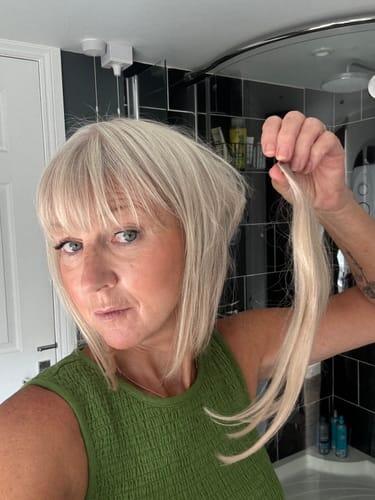
Hair extensions have a reputation for causing damage, and it’s a worry that stops many women from ever trying them. But here’s the truth: not all extensions are created equal. Some methods are genuinely damage-free, applied at home in minutes, with no glue, no heat, and no professional required. Removable extensions like clip-ins and invisible wire styles can be put in and taken out in 5 to 10 minutes, making them one of the safest options available. This guide walks you through both removable and permanent extensions, comparing safety, cost, and lifestyle fit so you can make a confident, informed choice.
Table of Contents
- Understanding removable extensions: Fast, flexible and gentle
- Permanent hair extensions explained: Lasting looks with commitment
- Damage risk: Which extension method is safest for your hair?
- Cost breakdown: What to expect from removable and permanent extensions
- Which is right for you? Making the best choice for your hair goals
- Transform your look: Discover easy, damage-free extensions
- Frequently asked questions
Key Takeaways
| Point | Details |
|---|---|
| Removable is safest | Clip-in and wire extensions protect your hair from damage and are great for quick changes. |
| Permanent lasts longer | Permanent methods provide weeks of wear but require professional fitting and careful aftercare. |
| Budget varies widely | Removable extensions are more affordable annually; permanent options involve higher costs and upkeep. |
| Choose based on lifestyle | Pick removable for flexibility, permanent for low-maintenance daily volume and length. |
Understanding removable extensions: Fast, flexible and gentle
Removable extensions are exactly what they sound like: hair additions you can put in and take out yourself, whenever you like. The most popular types include clip-in wefts, invisible wire extensions (sometimes called halo or flip-in extensions), and ponytail wraps. Each one attaches without any adhesive, heat, or chemical process.
Here is what makes them stand out:
- No professional needed. You apply them at home in 5 to 10 minutes.
- Zero adhesives or heat. This means minimal to no damage to your natural hair.
- Completely flexible. Wear them for a night out, a holiday, or every single day.
- Cost-effective. Lower upfront cost and no salon fees for fitting or removal.
- Long-lasting. Quality human hair extensions are reusable for 6 to 12 months or more.
Because there is no tension on your roots and no chemical bonding involved, removable extensions are widely considered the safest route into damage-free methods of hair transformation. They are particularly well-suited to women who want to experiment with length or volume without any long-term commitment.
Pro Tip: Always section your hair properly before clipping in wefts. Starting from the nape of your neck and working upward gives a more natural, seamless finish and reduces any pulling sensation.
If you are still weighing up your options, our guide to choosing hair extensions covers everything from hair type to lifestyle in plain, practical terms.
Permanent hair extensions explained: Lasting looks with commitment
While removables offer flexibility, permanent options deliver long-term transformation. Here’s what you need to know.
Permanent extensions, often called semi-permanent because they do require periodic maintenance, are installed by a professional stylist. The most common permanent extension types include:
- Tape-ins: Thin wefts sandwiched together using an adhesive strip, applied close to the root.
- Micro and nano rings: Small metal beads clamped around sections of your natural hair to hold the weft in place, no heat required.
- Fusion or keratin bonds: Individual strands bonded to your hair using a heat-melted keratin tip.
- Sew-ins and LA weaves: Wefts sewn into a braided base or attached via micro-rings for a secure, long-wearing result.
Installation typically takes one to two hours in a salon. Once fitted, extension lifespan between maintenance appointments is generally 6 to 12 weeks, after which the extensions need repositioning as your natural hair grows.

| Method | Installation time | Maintenance interval | Heat or adhesive used? |
|---|---|---|---|
| Tape-ins | 45 to 90 minutes | 6 to 8 weeks | Adhesive |
| Micro/nano rings | 1 to 2 hours | 8 to 12 weeks | None |
| Fusion/keratin bonds | 2 to 4 hours | 6 to 10 weeks | Heat |
| Sew-in/LA weave | 1 to 3 hours | 6 to 8 weeks | None |
The commitment is real. You will need regular salon visits and should follow specific maintenance tips to keep both the extensions and your natural hair in good condition.
Damage risk: Which extension method is safest for your hair?
With both types explained, how do they actually impact your natural hair?
This is where the evidence matters most. A 2023 study found that 37% of keratin bond users showed measurable hair breakage, making fusion methods the highest-risk option among permanent types. Traction alopecia, a form of hair loss caused by prolonged tension on the roots, is also a documented risk with poorly fitted permanent extensions.
“Clip-in extensions cause minimal to no damage when applied correctly. Among permanent methods, tape-ins and micro-rings carry the lowest risk when installed by a qualified professional.”
Here is a clear comparison:
| Extension type | Damage risk | Key concern |
|---|---|---|
| Clip-ins / invisible wire | Very low | None if used correctly |
| Tape-ins | Low to moderate | Adhesive residue, improper removal |
| Micro/nano rings | Low to moderate | Tension if too tight |
| Fusion/keratin bonds | Moderate to high | Heat damage, breakage (37% in studies) |
| Sew-ins/weaves | Moderate | Traction alopecia if braids too tight |
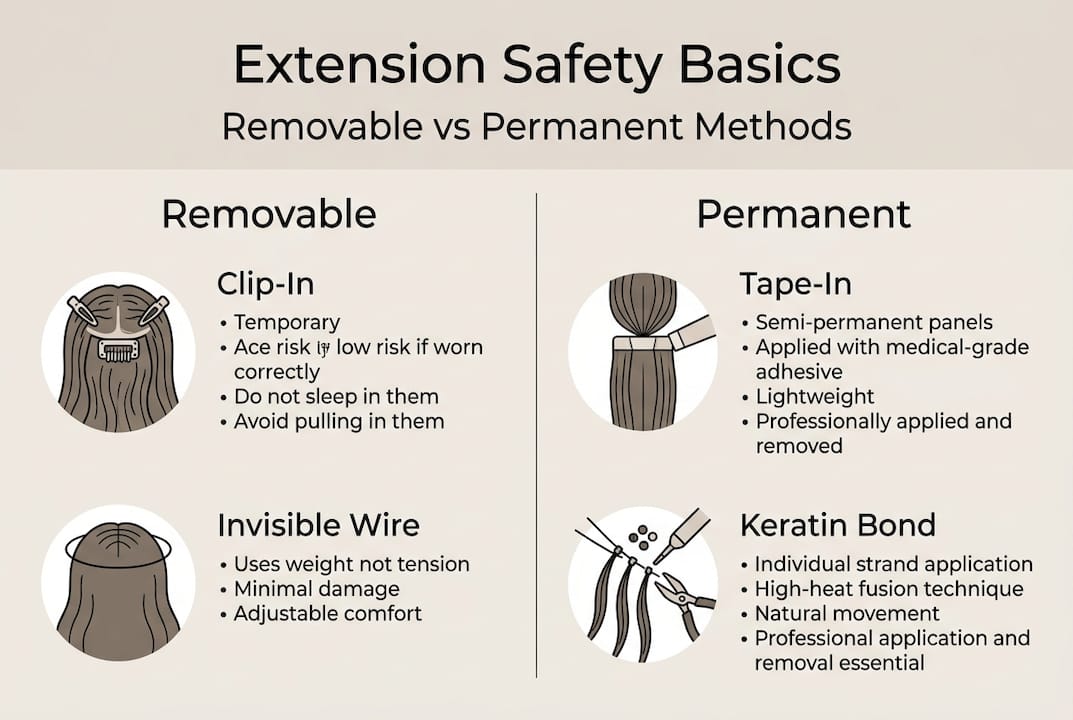
The good news is that risk is largely manageable. Choosing a skilled, experienced stylist for permanent methods makes a significant difference. For removables, following healthy extension habits such as not sleeping in clip-ins and brushing gently from the ends upward keeps your natural hair in excellent condition. You can also read more about reducing damage risk tips on our blog.
Cost breakdown: What to expect from removable and permanent extensions
Beyond safety, budget matters, so how do prices and upkeep compare?
The difference in annual cost between removable and permanent extensions is striking. Clip-ins cost between £50 and £200 upfront, with an annual spend of roughly £160 to £500 depending on how often you replace them. Permanent extensions start at £300 to £1,000 or more for the initial fitting, and annual costs including regular maintenance appointments reach £800 to £2,000.
| Extension type | Initial cost | Annual cost (approx.) | DIY or salon? |
|---|---|---|---|
| Clip-ins / invisible wire | £50 to £200 | £160 to £500 | DIY |
| Tape-ins | £300 to £600 | £800 to £1,500 | Salon |
| Micro/nano rings | £400 to £800 | £900 to £1,800 | Salon |
| Fusion/keratin bonds | £500 to £1,000+ | £1,000 to £2,000 | Salon |
A few things worth keeping in mind when budgeting:
- Quality matters more than price. Cheap synthetic extensions wear out quickly and can look unnatural.
- Remy human hair is the gold standard. It lasts longer, blends better, and can be heat-styled just like your own hair.
- Removables offer the best value for flexible wearers. If you do not need extensions every day, clip-ins or invisible wire styles are far more economical.
- Factor in aftercare products. Sulphate-free shampoos and extension-safe conditioners extend the life of any type.
For practical advice on getting the most from your investment, our hair extension care tips guide is a great starting point.
Which is right for you? Making the best choice for your hair goals
Armed with all the facts, let’s get practical about making the right extension choice for you.
Every woman’s situation is different. Here is a straightforward process to help you decide:
- Define your goal. Are you after a one-off transformation for a special event, or do you want longer, fuller hair every day? Event-based needs suit removables perfectly. Everyday wear can go either way.
- Assess your lifestyle. Do you have time for regular salon appointments every 6 to 8 weeks? If not, removable extensions give you full control at home.
- Consider your hair’s current condition. Fine or thinning hair benefits most from lightweight, low-tension options like invisible wire or clip-ins. Thicker hair can generally handle permanent methods more comfortably.
- Set a realistic budget. If you are new to extensions, starting with a quality removable set lets you experiment before committing to a higher-cost permanent method.
- Prioritise hair health. Whichever method you choose, high-quality Remy human hair that is reusable for 6 to 18 months is always worth the investment over cheaper alternatives.
Pro Tip: If you are unsure where to start, try an invisible wire extension first. It requires no clips, no glue, and sits on a thin wire that rests on your head. Most women are surprised by how secure and natural it feels within minutes of putting it on.
Our guide to choosing the right extension goes deeper into matching extension types to specific hair textures and goals. You can also explore advice on making extensions last and a dedicated Remy hair care guide to keep your investment looking its best for as long as possible.
Transform your look: Discover easy, damage-free extensions
Ready to try a look that empowers you with no salon visit, no damage, and all the glamour? At Naturyl Extensions, we specialise in 100% Remy human hair extensions designed for effortless home use. Every set is crafted to blend naturally with your own hair, feel comfortable all day, and give you the kind of transformation you used to think required a professional.
Our Remy Human Hair Invisible Wire Extensions are a favourite for women who want instant volume and length without any commitment or risk. If you are looking for something specific, our 16 inch extensions are a popular choice for a natural, shoulder-grazing finish. We offer fast UK delivery, a free exchange policy, and a team ready to help you find your perfect match. Your healthiest, most beautiful hair journey starts here.
Frequently asked questions
How long do removable and permanent extensions last?
Removable extensions can last 6 to 12 months or more with proper care, while permanent methods need repositioning every 6 to 12 weeks, though the hair itself lasts 6 to 18 months.
What is the safest hair extension method for fine or thinning hair?
Removable clip-ins and invisible wire extensions are the safest choice for fine or thinning hair, as they cause no tension or adhesive damage to delicate strands.
Will extensions damage my natural hair?
Removable extensions cause minimal to no damage when used correctly. Among permanent methods, 37% of keratin users experienced breakage, while tape-ins and micro-rings carry the lowest risk.
How much do hair extensions cost in the UK?
Removable extensions typically cost £160 to £500 per year, while permanent options run £800 to £2,000 annually including regular maintenance appointments.