TL;DR:
- Modern damage-free extensions like clip-ins and halo extensions protect natural hair from breakage.
- They offer quick application, comfort, and style flexibility suitable for everyday wear.
- Proper care extends their lifespan and maintains hair health without traditional risks.
The idea that hair extensions always lead to breakage and thinning has put many women off trying them altogether. It is an understandable concern, but it is also outdated. Modern damage-free extensions have changed the game entirely, offering volume, length, and style without any of the risks associated with traditional salon methods. Whether you want a quick transformation for a night out or a fuller look for everyday wear, there are options designed to protect your natural hair while delivering results that look and feel completely natural.
Table of Contents
- What makes an extension truly damage-free?
- Benefits of choosing damage-free extensions
- Comparing popular types of damage-free extensions
- Caring for your hair and extensions for lasting, healthy results
- Why most women underestimate the power of damage-free extensions
- Ready for your own damage-free transformation?
- Frequently asked questions
Key Takeaways
| Point | Details |
|---|---|
| Healthier hair guaranteed | Damage-free extensions protect your scalp and prevent breakage for strong, happy hair. |
| Easy at-home transformation | You can add length and volume yourself without salon visits or risking hair health. |
| Stress-free maintenance | Modern extensions are designed for quick fitting, gentle removal, and minimal upkeep. |
| Style without sacrifice | Damage-free designs let you experiment with looks and colour, minus the commitment or harm. |
What makes an extension truly damage-free?
Not all extensions are created equal, and understanding the difference between traditional and damage-free methods is the first step to making a confident choice. Traditional methods like gluing or weaving can stress roots and cause breakage, particularly when applied repeatedly over time. Damage-free extensions, by contrast, use attachment methods that sit gently against your hair without pulling, bonding, or applying heat directly to the root.
The key feature that separates damage-free extensions from the rest is the attachment method. Here is a quick comparison:
| Method | Attachment type | Damage risk | Skill needed |
|---|---|---|---|
| Glue-in (keratin bond) | Heat-bonded adhesive | High | Professional |
| Sew-in weave | Braided base, sewn weft | Moderate to high | Professional |
| Clip-in | Pressure clips | Very low | Beginner |
| Invisible wire (halo) | Clear wire resting on head | Minimal | Beginner |
| Tape-in (gentle) | Medical-grade tape | Low to moderate | Intermediate |
The damage-free extension methods that consistently come out on top are clip-ins and invisible wire extensions, also known as halo extensions. These designs place no adhesive, heat, or tight tension on your natural hair. Clip-ins use small, padded pressure clips that grip the hair without pulling. Invisible wire extensions use a thin, transparent wire that sits comfortably around the crown of your head, held in place by your own hair layered over the top.
Common signs of damage from traditional methods include:
- Thinning along the hairline or temples
- Increased shedding after removal
- Split ends and breakage at mid-lengths
- Scalp tenderness or soreness after wear
- Visible patches from traction alopecia (hair loss caused by repeated pulling)
Damage-free designs minimise stress on the hair shaft and scalp by distributing weight evenly and avoiding any chemical or heat-based bonding process.
Pro Tip: Always check the attachment method before purchasing any extension. If it involves glue, heat, or tight braiding, it is not truly damage-free, regardless of how it is marketed.
Benefits of choosing damage-free extensions
Understanding the difference is one thing, but what practical benefits can you expect by opting for damage-free extensions? The advantages go well beyond simply avoiding breakage.
First and most importantly, damage-free extensions protect your long-term hair health. Traction alopecia, split ends, and general thinning are real risks with traditional methods, particularly when worn repeatedly. By choosing clip-ins or invisible wire, you remove those risks almost entirely. Damage-free options let you achieve volume and length without compromising hair health, which means you can wear them regularly without worrying about the cumulative impact.
Here is a summary of the key benefits at a glance:
| Benefit | Traditional extensions | Damage-free extensions |
|---|---|---|
| Hair health impact | High risk of breakage | Minimal to none |
| Application time | 2 to 6 hours (salon) | 5 to 15 minutes (home) |
| Removal ease | Requires professional | Self-removal |
| Scalp comfort | Often uncomfortable | Lightweight and gentle |
| Style flexibility | Limited once applied | Change daily if desired |
Comfort is another major factor. Damage-free extensions are significantly lighter than bonded or sewn-in alternatives. There is no tight tension on your scalp, no soreness after a long day, and no need to sleep in them if you do not want to. Many women who have previously avoided extensions because of discomfort find that clip-ins and halo styles are genuinely comfortable to wear all day.
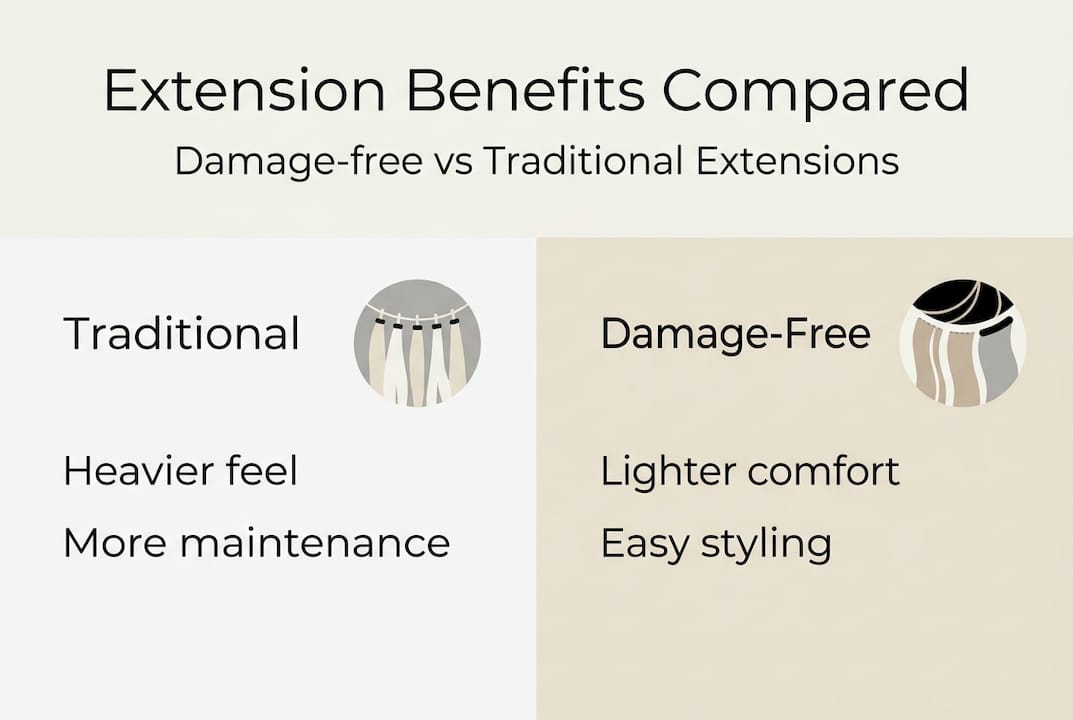
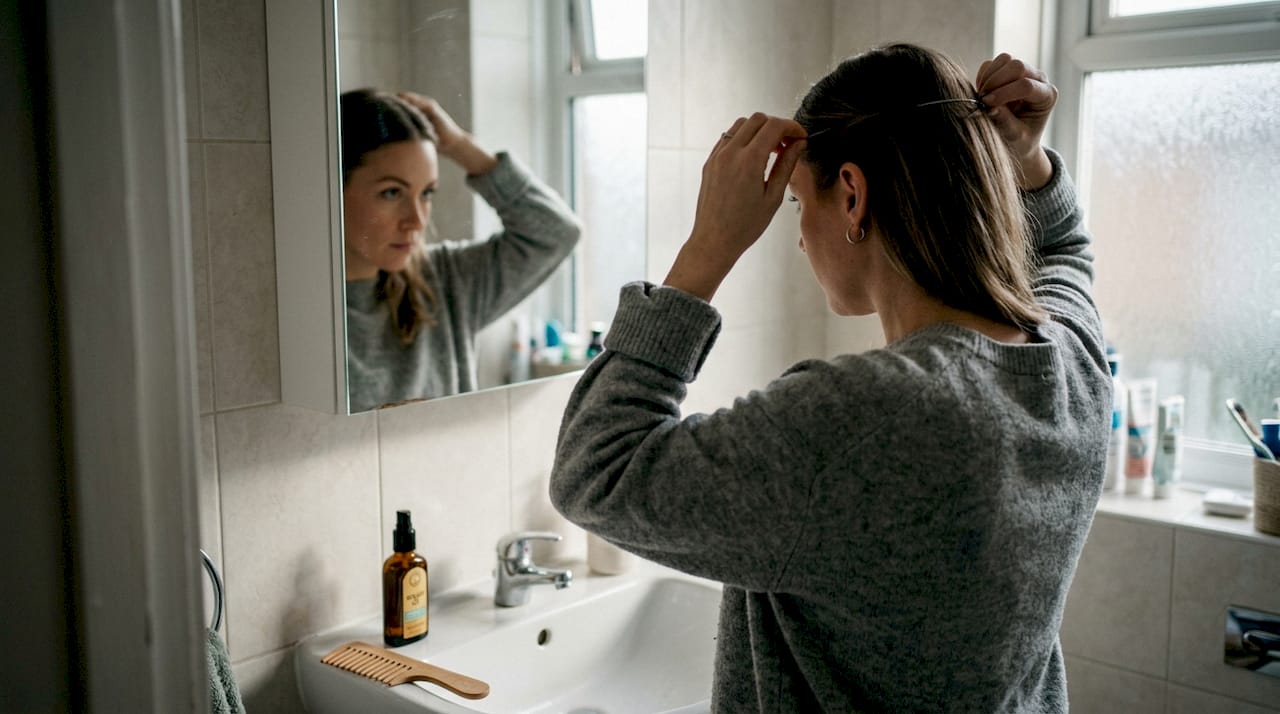
Convenience is arguably the biggest draw for women aged 18 to 35. You can apply invisible wire extensions in under ten minutes at home, with no appointment, no waiting, and no cost beyond the initial purchase. The ability to remove them at the end of the day also means your hair gets a proper rest, which is far healthier over time. For damage-free styling tips that suit a busy lifestyle, at-home methods are hard to beat.
Finally, there is the question of flexibility. With damage-free extensions, you can change your look as often as you like. Explore effortless extension styles one day and wear your natural hair the next. That freedom is something traditional methods simply cannot offer.
Comparing popular types of damage-free extensions
The benefits are clear, but with so many types on the market, how do you choose the right damage-free extension method for your needs? Here is a straightforward breakdown of the three most popular options.
| Type | Cost range | Application time | Best for |
|---|---|---|---|
| Clip-in | £50 to £200 | 10 to 20 minutes | Occasional wear, beginners |
| Invisible wire (halo) | £60 to £180 | 5 to 10 minutes | Daily wear, fine hair |
| Gentle tape-in | £100 to £300 | 30 to 60 minutes | Semi-permanent, fuller look |
Clip-in extensions are the most widely used damage-free option. They come in wefts (strips of hair) with small clips attached, which you section and clip into your natural hair. They are straightforward to apply and remove, making them ideal for occasional use or for anyone new to extensions.
Invisible wire extensions, sometimes called halo extensions, are arguably the most beginner-friendly option available. Invisible wire extensions are ideal for quick, damage-free application, and many women report being able to fit them in under five minutes once they have practised a couple of times. The wire rests on your head like a headband, hidden beneath your own hair, with no clips or adhesives involved at all.
Gentle tape-in extensions use a medical-grade adhesive tape rather than heat or glue. When applied and removed correctly, they carry a lower damage risk than traditional bonded methods, though they do require more skill and care than clip-ins or halos.
Follow these steps to choose the right type for you:
- Consider how often you want to wear extensions. Daily wear suits invisible wire best.
- Think about your hair type. Fine or thin hair benefits most from lightweight halo styles.
- Set a realistic budget. Clip-ins offer excellent value for occasional use.
- Decide how much time you can commit to application. Invisible wire wins for speed.
- Read an at-home application guide before purchasing to understand exactly what is involved.
For a polished, seamless result, it also helps to understand natural-finish advice so your extensions blend perfectly with your own hair.
Pro Tip: If you are completely new to extensions, start with an invisible wire style. There are no clips to position, no risk of misplacement, and the learning curve is minimal.
Caring for your hair and extensions for lasting, healthy results
Even the safest extensions need great care. Here is how to make sure your hair stays healthy and your look lasts.
Proper at-home care is essential to keep both your hair and extensions in top condition. The good news is that a solid care routine does not need to be complicated or time-consuming.
Here are the core habits to build into your routine:
- Wash gently: Use a sulphate-free shampoo and focus on the scalp rather than scrubbing the lengths. Sulphates can strip moisture from Remy human hair extensions, causing them to dry out and tangle more easily.
- Detangle carefully: Always detangle from the ends upward using a wide-tooth comb or a soft-bristle brush. Never pull through knots from the root.
- Use heat protection: Before using any heated styling tool, apply a heat protectant spray to both your natural hair and your extensions.
- Store properly: When not in use, store clip-in or halo extensions in a breathable bag or on a hanger to prevent tangling and matting.
- Avoid product build-up: Dry shampoo and heavy styling products can accumulate on extensions faster than on natural hair. Wash your extensions every 15 to 20 wears, or sooner if they feel heavy or look dull.
For bedtime, the most important step is to remove clip-in and halo extensions before sleeping. Sleeping in extensions causes unnecessary friction, leading to tangling and matting overnight. If you wear semi-permanent styles, braid your hair loosely before bed and use a silk or satin pillowcase to reduce friction.
“Treat your extensions with the same care you give your natural hair, and they will reward you with a longer lifespan and a consistently beautiful finish.”
For a full breakdown of what to do and what to avoid, the hair extension do’s and don’ts guide covers everything you need to keep both your natural hair and your extensions in excellent condition.
Pro Tip: Apply a small amount of lightweight argan oil to the mid-lengths and ends of your extensions once a week. It keeps Remy hair soft, manageable, and looking freshly styled.
Why most women underestimate the power of damage-free extensions
There is a persistent belief that truly great extensions can only come from a salon, and that anything you can apply at home must be a compromise. We think that view is simply no longer accurate, and it is holding a lot of women back from trying something that could genuinely work for them.
The beauty industry has, for a long time, centred the narrative around professional application. That made sense when bonded extensions were the only option. But damage-free technology has improved enormously. Today’s invisible wire and clip-in extensions use premium Remy human hair and are engineered to blend naturally with almost every hair type and colour. The finish is not a lesser version of a salon result. In many cases, it is indistinguishable.
You do not have to choose between healthy hair and great style. Exploring ethical extension options that are responsibly sourced and thoughtfully designed means you can feel good about your choice on every level. The confidence that comes from knowing your hair is protected is just as valuable as the look itself.
Ready for your own damage-free transformation?
If you have been considering extensions but were not sure where to start, Naturyl Extensions makes the decision straightforward. Our invisible wire extensions are designed for effortless at-home application, using premium Remy human hair for a finish that looks and feels completely natural.
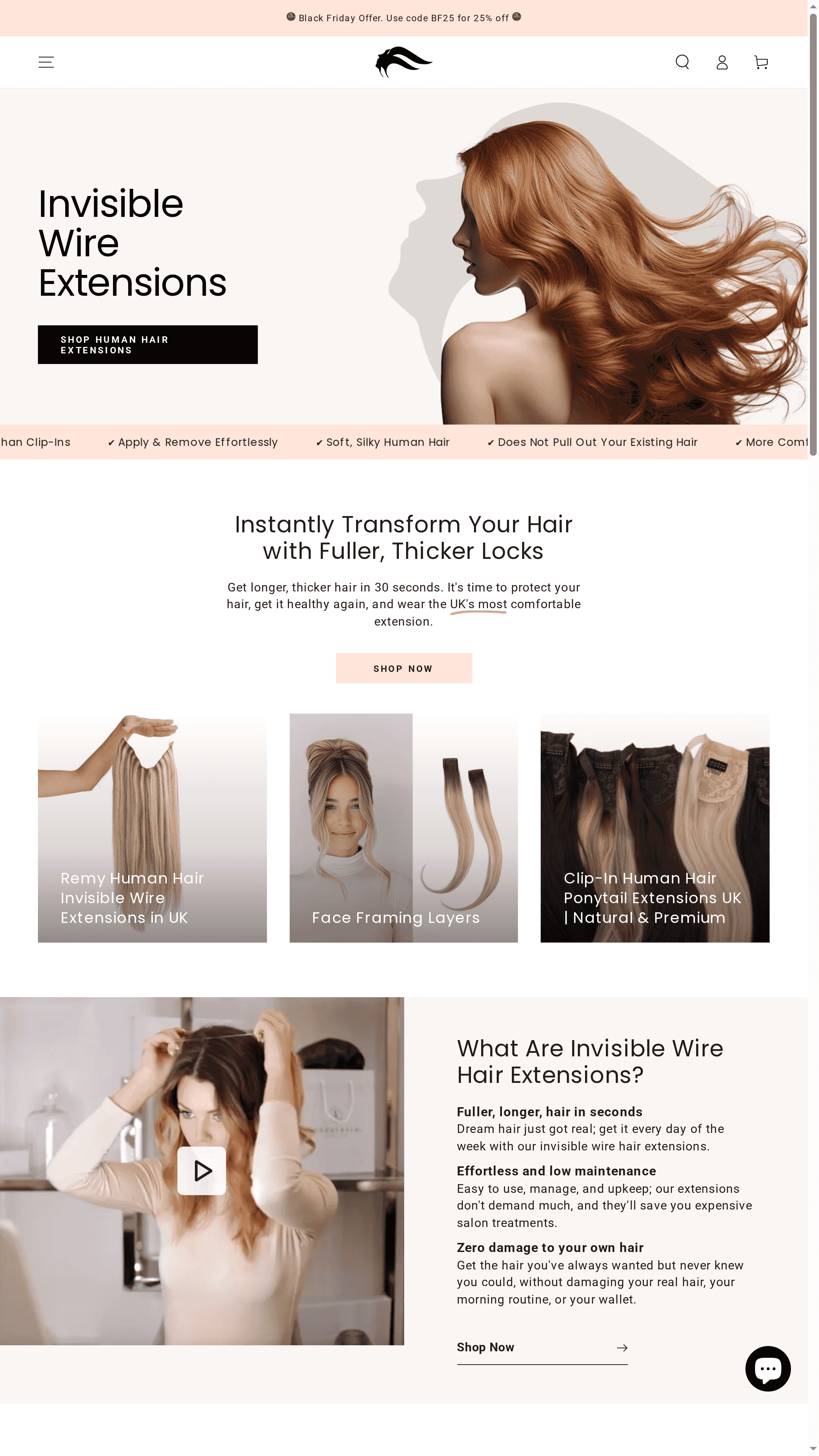
Not sure which length suits you? Our 16 inch hair extensions are one of our most popular choices for a natural, everyday look that adds volume without going too dramatic. If you want to understand more about the quality behind our products, our guide on what is Remy hair explains exactly why it matters. Fast UK delivery and a free exchange policy mean there is very little reason to wait.
Frequently asked questions
What are the safest hair extension methods for daily use?
Invisible wire and clip-in extensions are the safest for regular wear because they put the least stress on your natural hair. As noted in our at-home application guide, invisible wire extensions are ideal for quick, damage-free application.
Can damage-free extensions be used on thin or fine hair?
Yes, damage-free options like invisible wire extensions distribute weight evenly, making them well suited to fine or thin hair. They achieve volume and length without placing stress on delicate strands.
How long do damage-free hair extensions last?
With proper care, high-quality damage-free extensions can last three to six months or more. Following at-home care tips consistently makes a significant difference to their lifespan.
Are there any styling restrictions with damage-free extensions?
Most damage-free extensions allow you to style your hair as usual, but always use heat protection and gentle products. Consistent care with gentle products keeps your extensions looking their best for longer.
Do I need professional help to fit damage-free extensions?
No, damage-free options like clip-in and invisible wire are designed for easy at-home application. Our damage-free home guide walks you through the process step by step.