Choosing your first hair extensions can feel overwhelming, especially when you’re concerned about damaging your natural hair or ending up with an unnatural look. Many UK women with fine or thin hair worry that extensions might cause more harm than good, or that the application process will be too complicated to manage. This guide focuses on simple, professional, damage-free methods that help you achieve fuller, longer hair without the stress. You’ll learn how to prepare properly, choose the right type of extensions for your hair texture, apply them safely, and maintain both your extensions and natural hair health for lasting, beautiful results.
Table of Contents
- Key takeaways
- Understanding hair extensions and your natural hair
- Preparing for hair extensions: what you need and should know
- How to safely apply and maintain hair extensions for beginners
- Troubleshooting common issues and ensuring lasting natural results
- Discover natural, lightweight hair extensions at Naturyl
- Frequently asked questions about hair extensions
Key Takeaways
| Point | Details |
|---|---|
| Lightweight extensions | Choose lightweight, low tension extensions for fine hair to minimise strain and damage. |
| Professional installation | Having extensions professionally applied helps minimise traction and other risks to your natural hair. |
| Beginner friendly options | Tape ins and clip ins are beginner friendly with lower damage potential. |
| Aftercare matters | Maintaining a proper aftercare routine helps extend extension lifespan while protecting natural hair. |
Understanding hair extensions and your natural hair
Before diving into application methods, you need to understand which extension types work best for beginners, particularly if you have fine or thin hair. The main options include tape-ins, clip-ins, halos, fusion bonds, and sew-ins. Each method varies in permanence, application complexity, and potential impact on your natural hair.
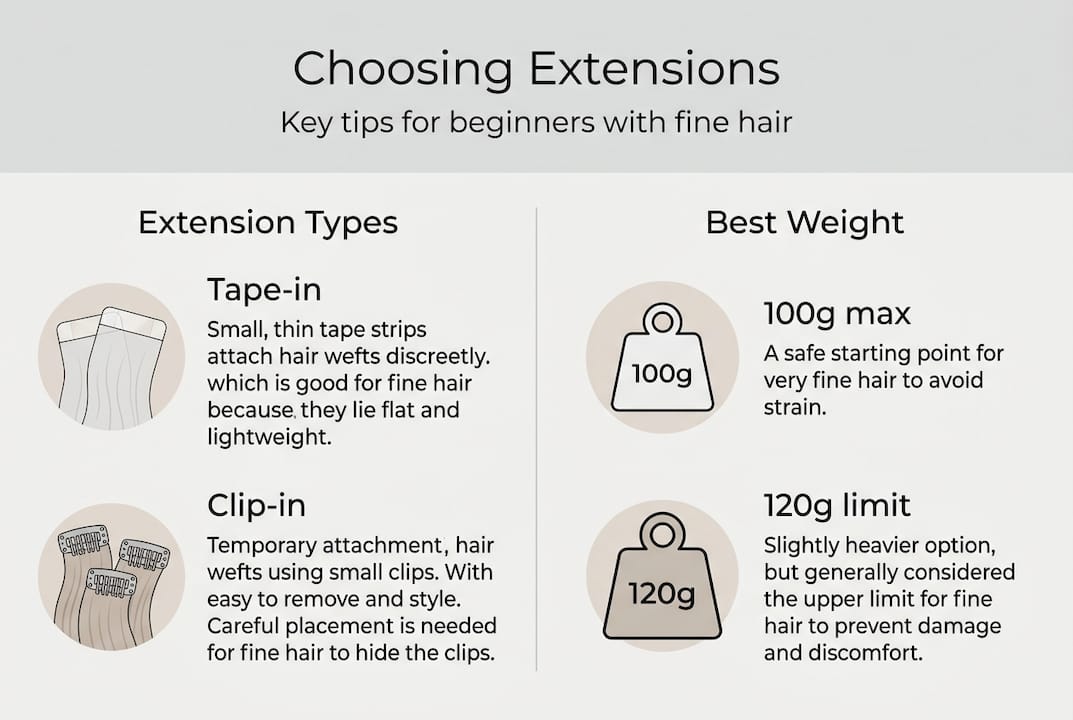
Tape-in extensions are semi-permanent with low damage risk when professionally applied, making them ideal for fine hair. They involve sandwiching small sections of your natural hair between two adhesive wefts, creating a secure bond that lasts six to eight weeks. Clip-in extensions offer even more flexibility because you can remove them daily, eliminating any long-term tension on your scalp. Halo extensions sit on an invisible wire around your crown, providing instant volume without any clips or bonds touching your hair.
Fusion and sew-in methods involve more permanent attachment but carry higher risks for fine hair. Fusion bonds use keratin or protein adhesives applied with heat to attach individual strands, whilst sew-ins require braiding your natural hair into cornrows before stitching wefts onto the braids. Both techniques can create excessive tension on delicate strands.
Your hair texture significantly influences which method you should choose. Fine strands measure 50-70 microns compared to normal hair at 80-100 microns, meaning they require lightweight extensions to avoid strain. Thick, heavy extension sets can pull on fine roots, potentially causing breakage or even temporary hair loss. Professional assessment helps you identify your exact hair type and select the most suitable attachment method.
Pro tip: Select extensions weighing 100-120g maximum if you have fine hair to avoid placing excessive strain on your natural roots and scalp.
For beginners, starting with extensions designed for thin hair ensures you achieve volume without compromising hair health. Understanding the fundamentals of choosing hair extensions helps you make informed decisions that align with your lifestyle and hair goals.
Preparing for hair extensions: what you need and should know
Proper preparation prevents most extension-related problems. Start by assessing your hair and scalp health, checking for any existing damage, thinning areas, or scalp conditions that might worsen with extensions. Healthy hair provides a stronger foundation for attachment and better overall results.
Choosing the right weight and length is crucial. Extensions that are too heavy or long create unnecessary tension, especially on fine hair. Aim for a total weight between 100-120g and select a length no more than six inches longer than your natural hair for the most natural blend. Professional assessment helps determine which specific products and methods suit your hair density and texture.
| Item | Purpose | Beginner recommendation |
|---|---|---|
| Extension brush | Detangles without pulling | Soft bristle loop brush |
| Sulphate-free shampoo | Gentle cleansing | Moisturising formula |
| Heat protectant spray | Shields from styling damage | Lightweight spray |
| Silk pillowcase | Reduces friction whilst sleeping | Standard size |
| Hair ties | Secures hair without snagging | Spiral or scrunchie style |
You’ll need specific tools and products for installation and maintenance. A loop brush with soft bristles prevents snagging on bonds or tapes. Sulphate-free shampoo protects the adhesive on tape-ins whilst keeping both your natural hair and extensions clean. Heat protectant spray is essential because extensions can’t repair themselves like natural hair can. A silk pillowcase reduces friction during sleep, preventing tangling and matting.
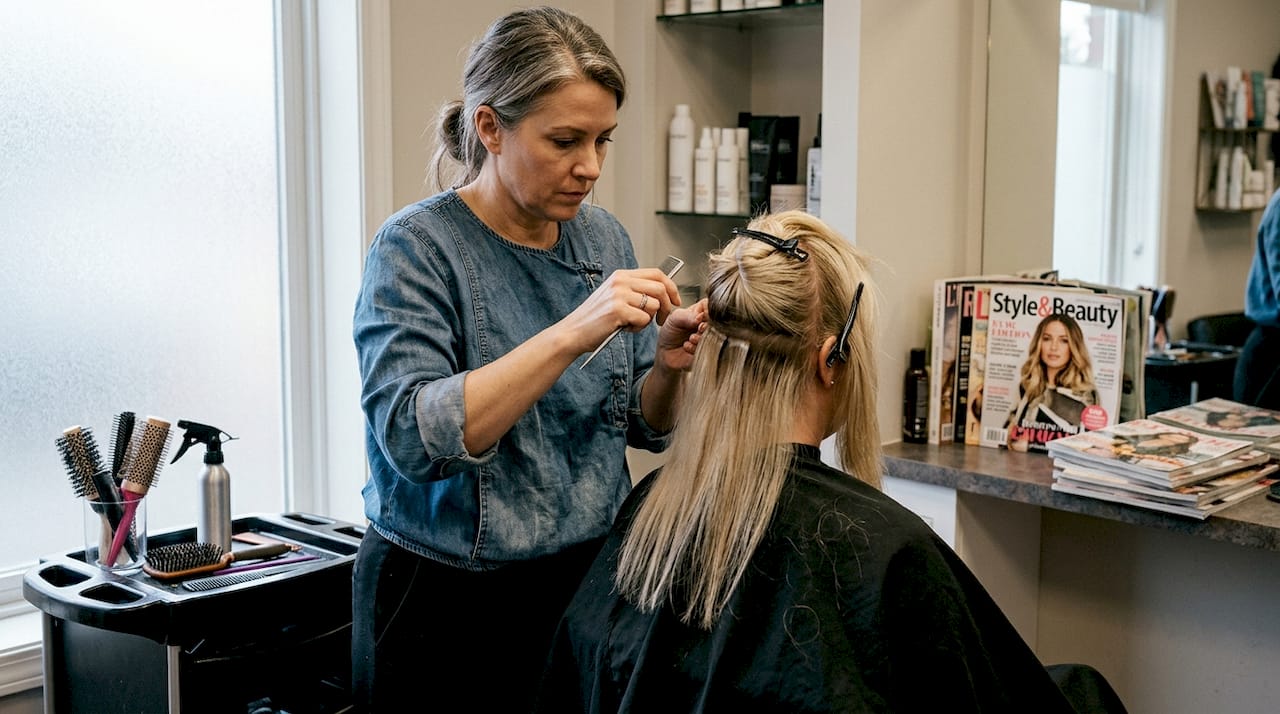
Professional installation dramatically reduces risks like traction alopecia, which occurs when constant pulling damages hair follicles. A trained stylist ensures proper placement, correct tension, and even weight distribution across your scalp. They can also customise the colour blend and cut extensions to match your natural hair perfectly.
Pro tip: Avoid heavy fusion bonds and sew-in weaves if you have fine hair, as these methods create the most tension and carry the highest risk of breakage and follicle damage.
Exploring natural-looking hair extensions helps you understand quality markers, whilst learning about ethical hair extension selection ensures you choose products that align with your values.
How to safely apply and maintain hair extensions for beginners
Tape-in application requires precision but follows a straightforward process when done correctly:
- Section your hair horizontally about two inches above your nape, securing upper layers with clips
- Clean the sectioned hair with alcohol wipes to remove oils and ensure proper adhesion
- Place the first tape weft underneath the section, pressing firmly against your roots
- Sandwich your natural hair by placing a second weft on top, aligning it with the bottom piece
- Press both tapes together firmly for 10-15 seconds to create a secure bond
- Continue working upwards in horizontal sections, leaving two inches between each row
- Finish by blending your natural hair over the top section to conceal all bonds
Clip-in extensions offer even simpler application with zero tension. Open the clips, position each weft where you want added volume, and snap the clips closed against your roots. You can remove them every night, giving your scalp complete rest.
Tape-in extensions last 6-8 weeks when properly installed and maintained. Regular upkeep includes gentle brushing with a loop brush, starting from the ends and working upwards to avoid pulling on bonds. Wash your hair in lukewarm water, applying shampoo to your scalp and conditioner only to the mid-lengths and ends, never directly on tape bonds.
Avoid heavy styling products near the bonds, as oils and serums can break down adhesive. When heat styling, keep tools at least two inches away from attachment points. Sleep with your hair in a loose braid or low ponytail to prevent tangling.
Pro tip: Schedule professional maintenance appointments every six to eight weeks for tape-ins to reposition wefts as your natural hair grows, preventing matting and maintaining a natural appearance.
Warning: Traction alopecia risk increases significantly with heavy extensions or poor installation, particularly with sew-ins and fusion bonds. This condition is reversible if you remove the source of tension early, but prolonged pulling can cause permanent follicle damage.
Early detection of problems prevents long-term damage. Check weekly for signs of tension like soreness, redness, or visible gaps in your hairline. If you notice excessive shedding, breakage near bonds, or discomfort, consult your stylist immediately. Following proper hair extension care tips and understanding how long extensions last helps you maintain realistic expectations.
Troubleshooting common issues and ensuring lasting natural results
Recognising problems early prevents serious damage. Tension signs include scalp tenderness, visible thinning around attachment points, or small bumps where bonds sit. If you experience persistent headaches or notice your natural hair breaking near the extensions, these indicate excessive weight or improper placement.
Breakage often appears as short, broken hairs around your hairline or temples. This happens when extensions pull constantly on delicate hair, especially during sleep or vigorous activity. An unnatural appearance usually results from poor colour matching, incorrect placement too close to your hairline, or insufficient blending between your natural hair and extensions.
| Extension type | Common issue | Solution |
|---|---|---|
| Tape-in | Slipping bonds | Professional reapplication with fresh tape |
| Clip-in | Visible clips | Strategic sectioning and teasing at roots |
| Halo | Wire showing | Adjusting placement and adding volume underneath |
| Fusion | Matting at bonds | Gentle detangling with specialist brush |
Effective aftercare routines maintain both your natural hair health and extension appearance. Brush twice daily with a loop brush, holding hair at the roots to avoid pulling. Wash every three to four days rather than daily, as overwashing strips natural oils and weakens bonds. Deep condition weekly, focusing on your natural hair and extension ends whilst avoiding adhesive areas.
Avoid chlorine and saltwater, which damage both natural and extension hair. If swimming is unavoidable, wear a protective cap and rinse immediately afterwards. Limit heat styling to twice weekly maximum, always using heat protectant spray.
Research shows 37% of users experienced tension or breakage after six months of keratin bond use without proper maintenance. Regular professional check-ups catch problems before they escalate, allowing adjustments or removal if necessary.
Pro tip: Take progress photos every two weeks to track any changes in your hairline, density, or extension condition, making it easier to spot subtle problems early.
Mastering techniques for natural-looking extensions and understanding how to maintain natural appearance ensures your extensions remain undetectable and beautiful.
Discover natural, lightweight hair extensions at Naturyl
Now that you understand safe application and maintenance techniques, finding quality products becomes your next priority. Naturyl Extensions specialises in premium Remy human hair extensions designed specifically for natural appearance and minimal damage. Our invisible wire extensions provide lightweight, tension-free fullness that’s perfect for beginners and fine hair types.
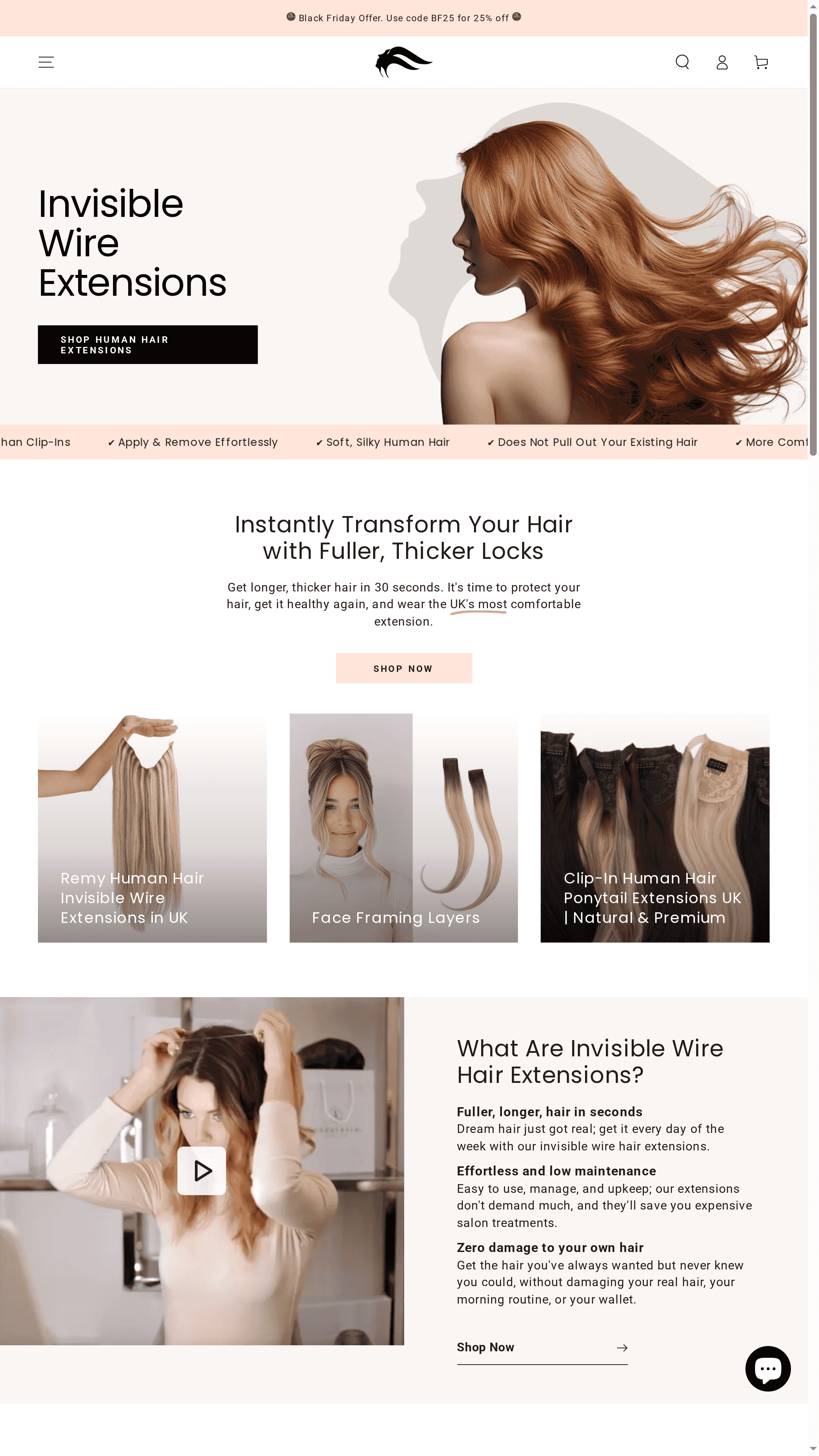
We offer a wide range of lengths, colours, and textures to suit every hair type, with expert guidance available to help you select the perfect match. Our Remy human hair invisible wire extensions blend seamlessly with your natural hair, whilst our innovative invisible extension wires eliminate the need for clips or bonds. Learn more about what makes Remy hair special and why it’s the best choice for achieving fuller, longer hair without compromise.
Frequently asked questions about hair extensions
How long do hair extensions typically last with proper care?
Tape-in extensions last six to eight weeks before requiring repositioning, whilst clip-ins can last up to a year with gentle handling. Proper maintenance including regular brushing, sulphate-free products, and professional adjustments significantly extends lifespan. Learn more about extension longevity factors.
Which extension types work best for fine or thin hair?
Tape-in and clip-in extensions suit fine hair best because they distribute weight evenly and create minimal tension. Halo extensions offer another excellent option as they require no attachment to your natural hair. Avoid heavy fusion bonds and sew-in weaves, which can damage delicate strands.
What are the early warning signs that extensions are damaging my hair?
Watch for scalp tenderness, visible thinning around attachment points, excessive shedding, or small broken hairs near your hairline. Persistent headaches or discomfort indicate too much tension. If you notice any of these signs, consult your stylist immediately for assessment and potential removal.
How can I make my extensions and natural hair last longer?
Brush twice daily with a loop brush, wash every three to four days with sulphate-free products, and deep condition weekly. Limit heat styling, sleep on a silk pillowcase, and avoid chlorine and saltwater. Schedule professional maintenance every six to eight weeks. Following proper care routines protects both your investment and natural hair health.
Can I colour or heat style my hair extensions?
Remy human hair extensions can be coloured and heat styled, but always consult a professional colourist first. Use heat protectant spray and keep styling tools below 180°C to prevent damage. Avoid bleaching extensions, as this weakens the hair structure and shortens lifespan significantly.