TL;DR:
- Choosing hair extensions requires evaluating your natural hair type, lifestyle, and goals to prevent damage and ensure a natural look. Selecting the appropriate method, such as tape-ins or clip-ins, based on these factors, minimizes risks and prolongs longevity. Prioritizing quality, proper application, and consistent aftercare leads to better results and healthier natural hair over time.
Choosing hair extensions sounds straightforward until you realise how many variables are actually involved. The wrong method can damage your natural hair, look visibly artificial, or feel uncomfortable within weeks. A proper checklist for choosing extensions changes that entirely. It gives you a structured way to weigh up your hair type, lifestyle, goals, and budget before committing to anything. Whether you want added length, volume, or a subtle colour boost, working through a clear set of criteria before you buy means fewer regrets and far better results.
Table of Contents
- Key takeaways
- 1. Start with your checklist for choosing extensions: assess your natural hair
- 2. Clarify your hair goals
- 3. Understand extension types and their trade-offs
- 4. Compare methods side by side
- 5. Factor in hair texture and density
- 6. Evaluate the quality of the hair itself
- 7. Consider your colour match carefully
- 8. Check attachment impact on scalp and root health
- 9. Build in an aftercare plan from the start
- 10. Avoid common selection mistakes
- My honest take on choosing extensions well
- Discover Naturylextensions: extensions built around your hair
- FAQ
Key takeaways
| Point | Details |
|---|---|
| Assess your hair first | Know your natural hair density and texture before selecting any extension method. |
| Match method to lifestyle | Your maintenance habits and time availability should directly influence the extension type you choose. |
| Prioritise hair health | Some attachment methods risk traction alopecia, particularly on fine or thin hair. |
| Temporary vs. semi-permanent | Clip-in and halo extensions suit occasional use; tape-ins and bonds suit longer-term wear. |
| Aftercare matters | Regular maintenance every 6 to 8 weeks protects both the extensions and your natural hair. |
1. Start with your checklist for choosing extensions: assess your natural hair
Before you look at a single product or price point, you need an honest assessment of your own hair. Your natural texture, density, and condition determine which methods will work safely and which will cause damage over time. Fine or thinning hair, for example, simply cannot support the concentrated tension of single-bonded methods without risk.
Ask yourself these questions before moving forward:
- Is my hair fine, medium, or thick in density?
- Is my scalp sensitive or prone to irritation?
- Is my hair colour-treated, heat-damaged, or chemically processed?
- How much time can I realistically dedicate to extension maintenance each week?
- Am I looking for length, volume, fullness, or a colour enhancement?
Professional consultation helps match the weight-appropriate method to your natural hair, reducing root stress and breakage risk significantly. Do not skip this step if your hair is already compromised.
Pro Tip: Take a photo of your hair in natural lighting before any consultation. It gives your stylist an accurate baseline and helps them assess density more reliably than a quick in-person glance.
2. Clarify your hair goals
Many people assume extensions are purely about adding length. In reality, extensions serve multiple purposes including volume, fullness, and colour enhancement, each of which may suit a different product or method. Getting clear on your actual goal stops you from overcommitting to a method that does more than you need.
If you want temporary volume for events, a halo or clip-in system is far more practical than a semi-permanent bond. If you want consistent length you can style freely every day, tape-ins or invisible wire extensions may be a better fit. Write your goals down before shopping. It sounds basic, but it prevents impulse decisions based on packaging rather than suitability.
3. Understand extension types and their trade-offs
This is where most buyers get overwhelmed. There are several distinct extension methods, and each carries different implications for your hair health, maintenance schedule, and daily experience.
Tape-in extensions are among the safest options for fine or thinning hair. Tape wefts are 30 to 40mm wide and use a medical-grade adhesive without heat or metal, creating a flat and virtually invisible attachment that distributes weight evenly across the hair section rather than concentrating it at a single point.
Clip-in extensions are the most flexible option available. They can be layered for volume and are removed daily, requiring no adhesive, heat, or salon appointment. For occasional use or for anyone new to extensions, they carry the lowest commitment and the lowest damage risk.
Halo extensions sit on a near-invisible wire that rests on top of the head beneath your natural hair. Halo systems do not connect directly to hair strands at all, which means zero tension on the roots and easy removal. They are particularly well suited for anyone who wants temporary volume without any long-term wear.
Keratin bond, micro-ring, and sew-in methods offer longer wear but come with considerably higher maintenance and risk, particularly on fine hair. Single-bond methods concentrate tension on small sections of natural hair, which can lead to traction alopecia if applied incorrectly or left too long between appointments.
Pro Tip: If you have never worn extensions before, start with clip-ins for a month. It gives you a realistic picture of the length and volume you actually want before investing in anything semi-permanent.
4. Compare methods side by side
The table below gives you a practical overview across the most important factors for each extension type. Use it as part of your extension buying checklist when weighing up your options.
| Method | Damage risk | Maintenance | Longevity | Best for |
|---|---|---|---|---|
| Tape-in | Low | Every 6 to 8 weeks | 6 to 12 months | Fine to medium hair |
| Clip-in | Very low | Daily removal | Indefinite | Occasional use |
| Halo/invisible wire | Minimal | Minimal | Indefinite | All hair types |
| Keratin bond | Medium to high | Every 3 to 4 months | 4 to 6 months | Medium to thick hair |
| Micro-ring | Medium | Every 2 to 3 months | 3 to 6 months | Medium to thick hair |
| Sew-in/weft | Medium | Every 6 to 8 weeks | 6 to 8 weeks | Thick, dense hair |
When reviewing this table, pay close attention to the maintenance column relative to your lifestyle. A method that requires salon visits every three weeks sounds manageable until you account for the time, cost, and effort involved over six months.
5. Factor in hair texture and density
Your hair density is not just a comfort consideration. It is a structural one. Fine or thinning hair supports only lightweight extension methods that distribute weight broadly, and the guide to picking extensions for your hair type should always start here.
For fine hair, stick to tape-ins, clip-ins, or halo systems. These methods spread weight across more of your natural hair rather than pulling from concentrated attachment points. For thick or dense hair, you have more flexibility. Keratin bonds, micro-rings, and sew-in wefts can all work well provided the installation is carried out by an experienced stylist who understands spacing and placement.
Check out best extensions for fine hair for a detailed breakdown of which products hold up safely on finer strands.
6. Evaluate the quality of the hair itself
Not all extension hair is created equal, and this is one of the most overlooked factors for extension choice. Remy human hair, where the cuticle is kept intact and aligned in one direction, behaves far more naturally than non-Remy or synthetic alternatives. It blends better, lasts longer, and responds to heat styling in the same way your natural hair does.
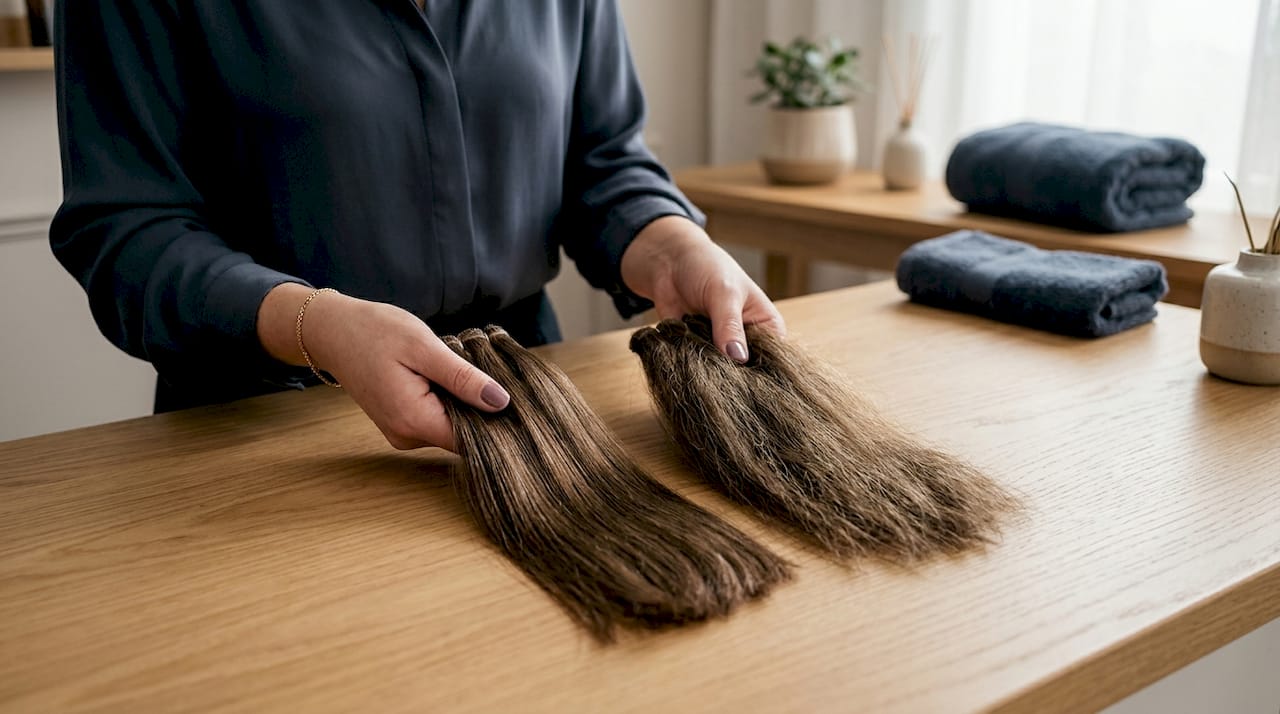
Synthetic extensions may cost less upfront, but they tangle faster, cannot be coloured or heat-styled without damage, and tend to look noticeably artificial in daylight. If natural appearance is a priority for you, Remy human hair is the standard worth investing in.
7. Consider your colour match carefully
A poor colour match is the fastest way to make extensions look obviously fake. Most reputable suppliers offer a range of shades and the option to blend two tones for highlights or ombre effects. When buying online, always request a colour swatch or use a brand’s colour-matching guide before purchasing.
Your colour also affects maintenance. Lighter shades tend to show root regrowth and tonal changes more quickly. If you colour your hair regularly, account for how your shade will shift over the weeks you plan to wear the extensions.
8. Check attachment impact on scalp and root health
Incorrect installation technique is a more common cause of hair damage than the extension type itself. An experienced stylist reduces harm by spacing attachments correctly and working with your hair’s actual density rather than following a standard template. This is worth paying attention to when choosing who applies your extensions.
If you are considering semi-permanent methods, research the stylist’s portfolio, ask about their specific training in that attachment method, and do not be afraid to ask how they assess hair density before fitting. A good stylist will always carry out a thorough consultation. A professional assessment is indispensable for ensuring extensions complement your natural hair without causing harm.
9. Build in an aftercare plan from the start
Aftercare is not optional. Maintenance every 6 to 8 weeks is the general recommendation for most semi-permanent methods, alongside careful daily brushing and gentle heat styling. Extensions that are neglected between appointments mat at the roots, pull on the natural hair, and shorten the overall lifespan of the product considerably.
Before you commit to any method, map out what aftercare actually looks like week to week. Factor in the cost of appointments, the products you will need, and the time involved. If that schedule is not realistic for you, a lower-maintenance option like a halo or clip-in system may serve you better long term.
Check the guide to damage-free styling for practical advice on keeping both your extensions and natural hair in good condition between appointments.
10. Avoid common selection mistakes
Even with good intentions, there are patterns that trip buyers up repeatedly. Keep these in mind when working through your extension buying checklist:
- Buying based on price alone without checking hair quality or method suitability
- Choosing a semi-permanent method without factoring in removal cost and process
- Ignoring your natural hair condition at the time of fitting
- Selecting a shade that matches your ends rather than your roots
- Skipping a trial period with temporary extensions before committing to semi-permanent
The guide to avoiding extension mistakes goes deeper on each of these, with advice from stylists who see these errors regularly.
My honest take on choosing extensions well
I have seen people invest hundreds of pounds in extensions only to remove them within six weeks because they chose the wrong method for their hair. The conversation around extensions so often focuses on how they look in photos, and barely touches on how they feel to live with day to day.
What I have come to believe, after spending a great deal of time researching and working with hair extension advice, is that the biggest mistake most buyers make is prioritising the result without thinking about the process. Balancing aesthetics with long-term hair health is not just good advice. It is the difference between extensions that genuinely improve your hair experience and extensions that quietly damage it over months.
My practical advice: be honest about how much time you have for maintenance, what your hair can actually support structurally, and what you are really trying to achieve. The best extension is not the most glamorous one in the catalogue. It is the one that fits your hair, your lifestyle, and your long-term goals without compromise.
— Sam
Discover Naturylextensions: extensions built around your hair
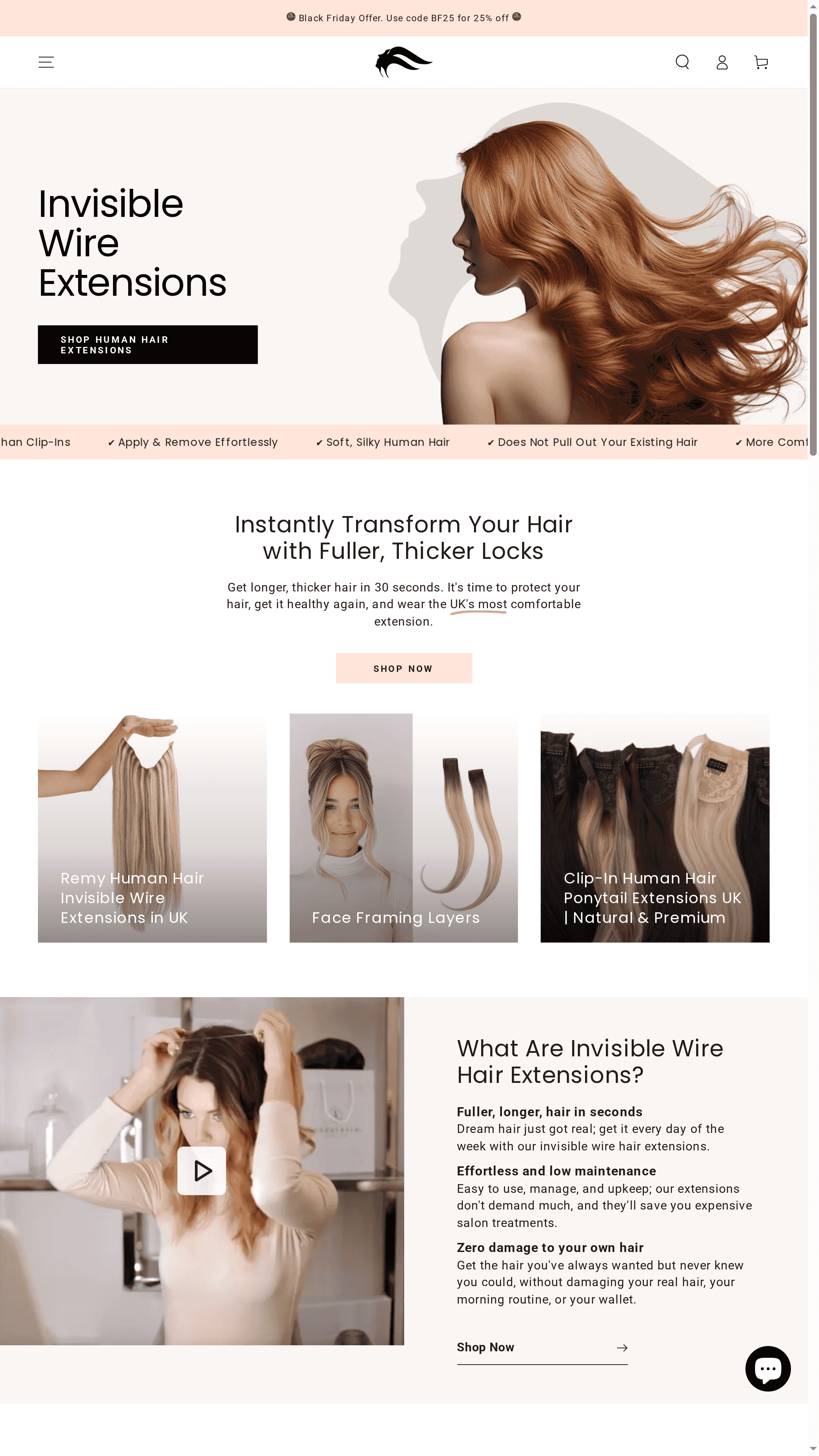
If this checklist has clarified what you are looking for, Naturylextensions offers a product range designed with exactly these principles in mind. Their invisible wire extensions use ethically sourced Remy human hair for a natural finish that blends seamlessly, with zero need for adhesive, heat, or salon appointments. The wire sits comfortably on the head and can be fitted and removed in minutes, making it one of the most practical options for both everyday wear and special occasions.
Naturylextensions also offers fast UK delivery, a free exchange policy, and a straightforward colour-matching process, so you can make your choice with confidence. Browse the full collection and find the right fit for your hair type and goals.
FAQ
What should I check first when choosing hair extensions?
Start by assessing your natural hair density and texture, as these determine which attachment methods are safe for you. Fine or thinning hair requires lightweight, wide-distribution methods such as tape-ins or halo extensions.
Are clip-in extensions safe for everyday use?
Clip-ins carry very low damage risk and are suitable for regular use, but removing them nightly prevents the root tension that causes breakage over time.
How do I know if I need temporary or semi-permanent extensions?
If you want extensions for occasional events or want to try before committing, temporary options like halo or clip-in styles are the better choice. Semi-permanent methods suit those who want consistent wear and are prepared to commit to regular maintenance appointments.
How often do semi-permanent extensions need maintenance?
Most semi-permanent methods, including tape-ins and keratin bonds, require a salon appointment every 6 to 8 weeks to prevent matting, root damage, and premature shedding.
Does extension quality affect how natural they look?
Yes, significantly. Remy human hair extensions retain the cuticle alignment of natural hair, which means they blend more naturally, respond to heat styling, and last considerably longer than synthetic or non-Remy alternatives.