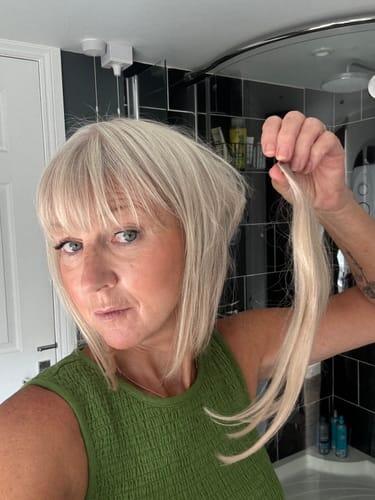
TL;DR:
- Choosing between permanent and temporary hair extensions depends on your desired longevity, maintenance willingness, and hair health considerations. Permanent options offer longer wear but involve higher costs and potential health risks from prolonged tension, while temporary styles provide flexibility and lower risk with easier removal. Your lifestyle, budget, and natural hair condition should guide your decision to achieve a natural look safely and conveniently.
Choosing between hair extensions sounds straightforward until you actually start researching. The terminology gets confusing quickly, the price ranges vary enormously, and conflicting advice is everywhere. With permanent vs temporary extensions explained properly, though, the decision becomes much clearer. These two categories differ not just in how long they stay in, but in how they affect your natural hair, your daily routine, your budget, and your commitment level. This guide breaks down exactly what each type involves, compares them honestly side by side, and helps you figure out which one genuinely suits your life.
Table of Contents
- Key takeaways
- What are permanent hair extensions?
- What are temporary hair extensions?
- Permanent vs temporary: a clear comparison
- How to choose the right type for you
- My honest take on choosing extensions
- Discover Naturylextensions extensions
- FAQ
Key takeaways
| Point | Details |
|---|---|
| Duration differs significantly | Permanent extensions stay in for weeks to months; temporary ones are removed daily or within days. |
| Cost reflects commitment | Permanent methods involve salon fees, installation, and maintenance costs; temporary extensions are a one-off purchase. |
| Hair health risk varies | Prolonged wear and poor application increase traction alopecia risk, particularly with sew-in and bonded methods. |
| Temporary extensions offer flexibility | Clip-in and halo styles can be applied at home with no salon visit needed, making them ideal for occasional wear. |
| Your lifestyle should guide your choice | Consider your daily routine, hair health, budget, and how often you want to wear extensions before deciding. |
What are permanent hair extensions?
The term “permanent” in this context does not mean forever. It means the extensions are applied in a way that keeps them attached to your natural hair continuously, typically for several weeks to months, without daily removal. You cannot take them out yourself without risking damage to your own hair.
The most common methods include:
- Tape-in extensions: Pre-taped wefts are sandwiched around sections of your natural hair using a keratin-based adhesive. They lie flat against the scalp, blend well, and are generally considered one of the gentler permanent options. They are usually repositioned every six to eight weeks as your hair grows.
- Fusion or keratin bond extensions: Individual strands are attached to small sections of your natural hair using a keratin-based adhesive that is melted and bonded with a heat tool. Keratin bonds last 3 to 5 months with proper care, though wearing them beyond six months significantly increases the risk of matting and follicle stress.
- Sew-in or weave extensions: Your natural hair is braided into cornrows, and wefts of hair are sewn directly onto those braids. This method provides length and volume but carries a higher tension load on the scalp. It is particularly popular for thicker hair textures.
- Micro-ring or nano-ring extensions: Small metal rings clamp individual extension strands onto sections of your natural hair without heat or adhesive. They are repositioned as your hair grows out.
Permanent methods involve salon time and a meaningful financial investment. Installation sessions can take two to five hours depending on the method and the amount of hair being added. After installation, you will also need professional maintenance every 6 to 8 weeks to keep the extensions looking natural and to catch any tension or damage early.
Pro Tip: Before booking a permanent extension appointment, ask your stylist to assess your natural hair’s thickness and health. Fine or fragile hair may not support heavier methods like sew-ins without risking breakage at the root.
Aftercare matters considerably with permanent extensions. Habits like careful washing and bond drying directly affect how long the extensions last and how well your natural hair holds up underneath. Sleeping with a silk pillowcase, using sulphate-free shampoo, and avoiding conditioner applied directly to the bonds are all part of the routine.
What are temporary hair extensions?
Temporary extensions are designed to be applied and removed by you, at home, without any professional involvement. They are worn for hours, a day, or occasionally a few days, and then taken out. This makes them an entirely different commitment from permanent methods.
The most popular temporary styles include:
- Clip-in extensions: Wefts fitted with small pressure clips that attach to sections of your natural hair. You clip them in when you want volume or length and remove them before bed. They are the most widely used temporary option.
- Halo extensions: A single weft of hair attached to a thin wire that sits on top of your head like a halo, hidden beneath your natural hair. There are no clips or adhesives. The fit is remarkably secure, and the entire piece lifts off in seconds.
- Ponytail extensions: A weft or bunch of hair wrapped around the base of your own ponytail to create instant length and thickness. These are applied and removed in under a minute.
- Wigs and half-wigs: These cover the entire head or the top portion and are removed daily.
Temporary extensions are removable daily, which means significantly less commitment and no need to book a salon. One of the clearest temporary hair extension benefits is the freedom to change your look for a wedding, a night out, or a professional event, then go back to your natural hair the next morning without any lasting effect.
Clip-in extensions carry the lowest risk of hair loss among all extension types precisely because of this daily removal. That said, clipping too tightly or wearing them too frequently in the same spot can create cumulative tension over time. Rotating placement and giving your hair rest days are good habits to build. You can find practical guidance on safe extension use to avoid the most common pitfalls.

Halo and clip-in styles are ideal for experimenting with longer or fuller hair before committing to a permanent method. They are also a practical choice if your natural hair is currently too fragile or short for permanent application.
Permanent vs temporary: a clear comparison
Understanding the difference between extensions comes down to a few core factors. Here is how they compare directly:
| Feature | Permanent extensions | Temporary extensions |
|---|---|---|
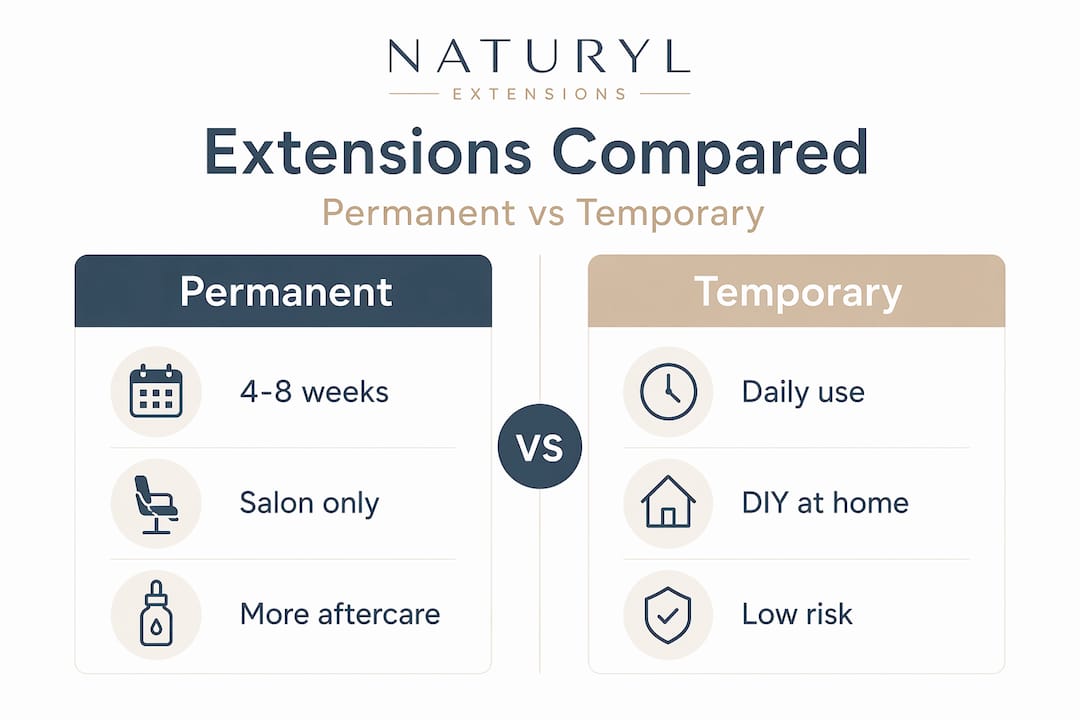
| Wear duration | 4 to 6 weeks before repositioning, up to 5 months total | Hours to a few days per use |
| Application | Salon professional required | Self-applied at home |
| Removal | Professional recommended | Self-removed in seconds or minutes |
| Maintenance | Every 6 to 8 weeks at salon | Wash and store after each use |
| Cost | Higher (installation plus ongoing maintenance) | One-off purchase |
| Hair health risk | Higher with prolonged wear or incorrect application | Lower due to daily removal |
| Lifestyle fit | Suited to daily wear, commitment required | Suited to occasional or event-based use |
The cost of hair extensions varies significantly between these two categories. Permanent methods typically involve an initial installation fee ranging from £150 to £600 or more depending on the method and the amount of hair, plus ongoing maintenance appointments. Temporary extensions are a one-off purchase, often between £30 and £150 for quality human hair options, with no recurring salon costs.
Hair health deserves particular attention in any comparison. Hair loss from extensions is mainly caused by traction alopecia, which results from sustained mechanical tension on the follicles. This risk is highest with sew-in and glue-bonded methods and increases when extensions are worn continuously without breaks. Sustained tension from extensions can interrupt hair growth cycles and, in severe cases, cause permanent follicular scarring. The risk is real, but it is also preventable with good technique, proper application, and timely removal.
Pro Tip: If you are new to extensions, starting with a temporary style like a halo or clip-in lets you experience wearing extensions without any risk to your natural hair. You can assess how you feel about the length, weight, and daily styling before committing to a permanent method.
How to choose the right type for you
No single answer fits everyone when it comes to which hair extensions are best. Your lifestyle, natural hair health, and personal preferences all shape the right choice.
-
Consider how often you want to wear extensions. If you want length or volume every single day, a permanent method makes practical sense and eliminates the daily effort of applying and removing clips. If you wear extensions only for events or occasional styling, a temporary option gives you everything you need at a fraction of the ongoing cost and effort.
-
Assess your natural hair’s current condition. Thin, fragile, or damaged hair is generally not a good candidate for sew-in or fusion extensions, as these apply the most tension. If your hair is in a vulnerable state, starting with a lightweight halo or clip-in style while you focus on hair health is the wiser approach.
-
Be honest about your maintenance commitment. Permanent extensions require scheduled salon visits, specific hair care products, and consistent aftercare routines. Skipping maintenance leads to matting, unnecessary tension, and potential damage. A hair extension maintenance checklist can help you understand what that commitment actually looks like week to week before you decide.
-
Factor in your total budget, not just the upfront cost. Permanent extensions are not just the installation fee. Factor in the cost of sulphate-free products, silk pillowcases, and regular maintenance appointments across the months you plan to wear them. Temporary extensions keep costs more predictable.
-
Consult a professional stylist for a hair assessment. A qualified extensionist can look at your hair’s density, porosity, and scalp health to advise on which methods are safe for you specifically. This consultation is worth doing even if you ultimately opt for a temporary style.
Pro Tip: When researching extension care tips, pay attention to advice about your specific extension type. Aftercare for fusion bonds is very different from care for clip-ins, and using the wrong approach can shorten the lifespan of your extensions considerably.
My honest take on choosing extensions
I have spoken with hundreds of women who came to temporary extensions after a disappointing experience with permanent ones. Not because the permanent method was wrong in itself, but because nobody had been upfront with them about the daily reality of maintaining bonded hair.
What I find genuinely underappreciated in most extension conversations is scalp health. You can have beautifully installed tape-ins and still end up with thinning edges if the application is slightly too heavy or if you skip a maintenance appointment. The extensions themselves are not always the problem. The problem is wearing them without understanding the signals your scalp gives you.
I also think people underestimate how good high-quality temporary extensions have become. A well-made halo extension in Remy human hair sits invisibly, blends completely, and takes less than two minutes to apply. For a lot of women, that is genuinely all they need. There is no trophy for choosing the most complex method.
My honest advice: do not let anyone rush you into a permanent method before you have tried wearing extensions temporarily. The fit, the weight, the styling demands, and the way extensions interact with your particular hair texture are all things you will learn much faster by actually wearing them, without any risk to your natural hair while you learn.
— Sam
Discover Naturylextensions extensions
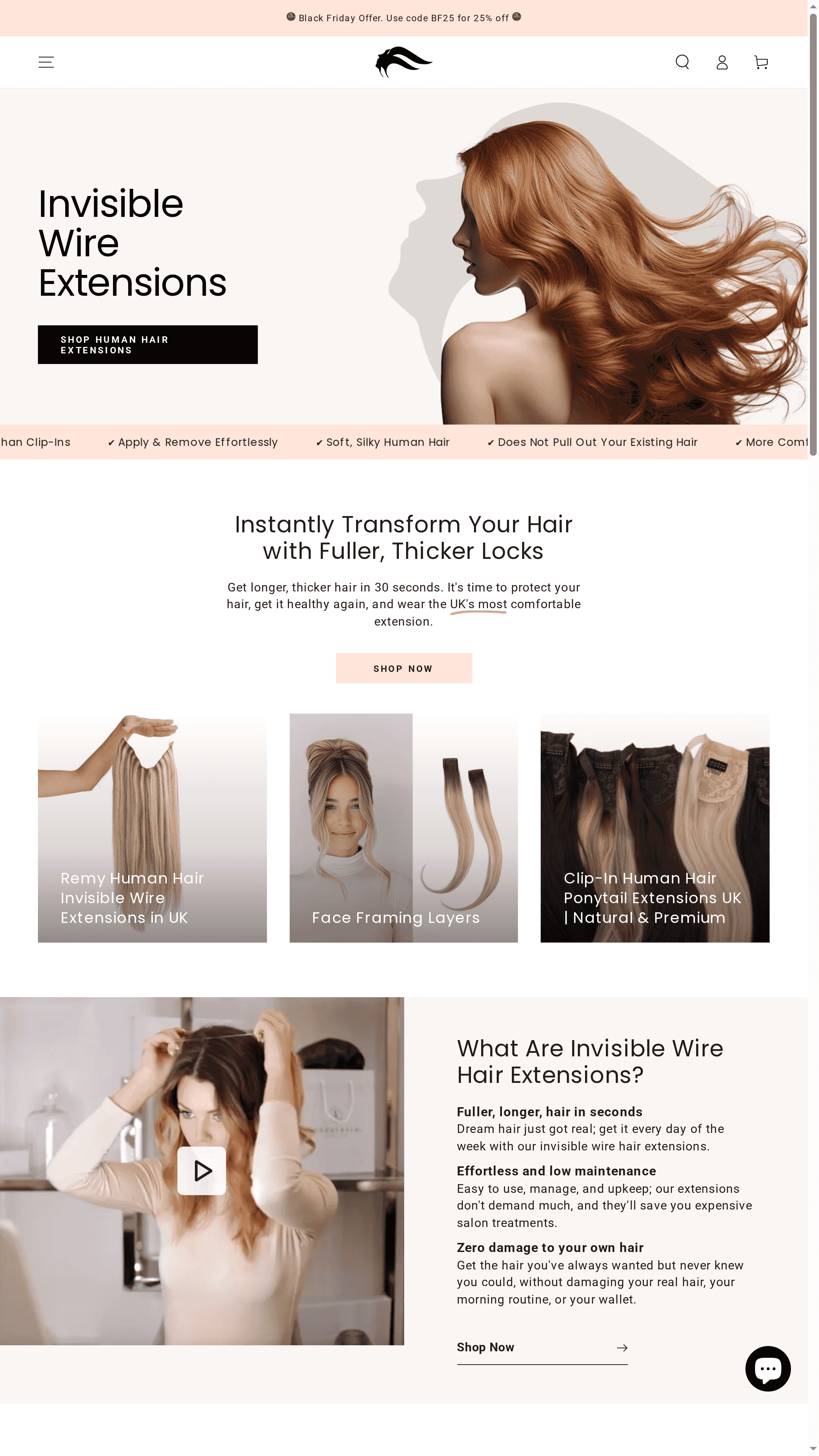
If you are ready to experience extensions without the salon commitment, Naturylextensions offers a range of premium, ethically sourced Remy human hair extensions designed for exactly that. The invisible wire extensions are crafted from high-quality Remy hair, sit virtually undetectable beneath your natural hair, and can be applied and removed at home in under two minutes. No adhesives, no heat tools, no salon appointments needed.
Naturylextensions offers fast UK delivery, a free exchange policy, and a product range built around comfort, natural appearance, and ease of use. Whether you are looking for more volume, extra length, or a style refresh for a special occasion, you will find something that works. Browse the full range at Naturylextensions and explore additional invisible extension wires for a seamless, damage-free transformation.
FAQ
What is the main difference between extensions?
Permanent extensions are professionally applied and worn continuously for weeks to months, while temporary extensions are self-applied, worn for hours or days, and removed without professional help.
Are permanent hair extensions worth the cost?
Permanent extensions offer the convenience of ready-made length and volume every day, but the cost of hair extensions includes installation, maintenance appointments every six to eight weeks, and specialist hair care products, so the total investment is considerable.
Can hair extensions damage your natural hair?
Yes, if worn incorrectly or for too long. Traction alopecia from extensions is caused by sustained mechanical tension on follicles and is most common with sew-in and glue-bonded methods. Proper application and timely removal significantly reduce this risk.
Which hair extensions are best for beginners?
Clip-in or halo extensions are the best starting point for beginners. They require no professional application, carry the lowest risk to your natural hair, and let you experience wearing extensions before committing to a permanent method.
How long do permanent hair extensions last?
Keratin bond extensions last 3 to 5 months with proper care. Tape-in extensions are typically repositioned every six to eight weeks. All permanent methods require regular salon maintenance to protect your natural hair and extend extension life.