TL;DR:
- Hair blending merges different hair colors, textures, or extensions with natural hair for a seamless look. Different techniques like French blending and color melting help create natural dimension and extend salon intervals. Proper cutting, texturising, and matching with textured hair improve the natural appearance of extensions and grey hair blending.
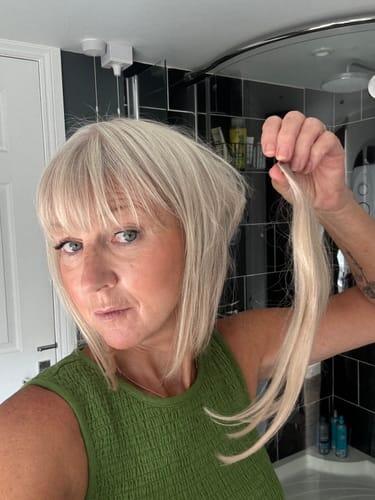
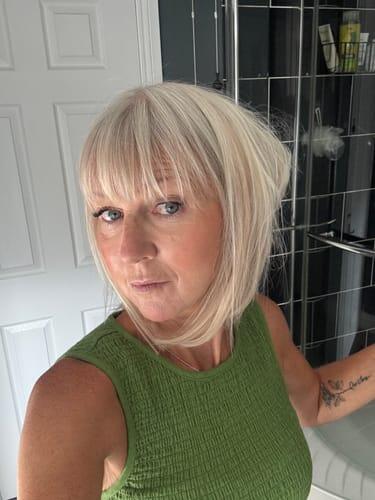
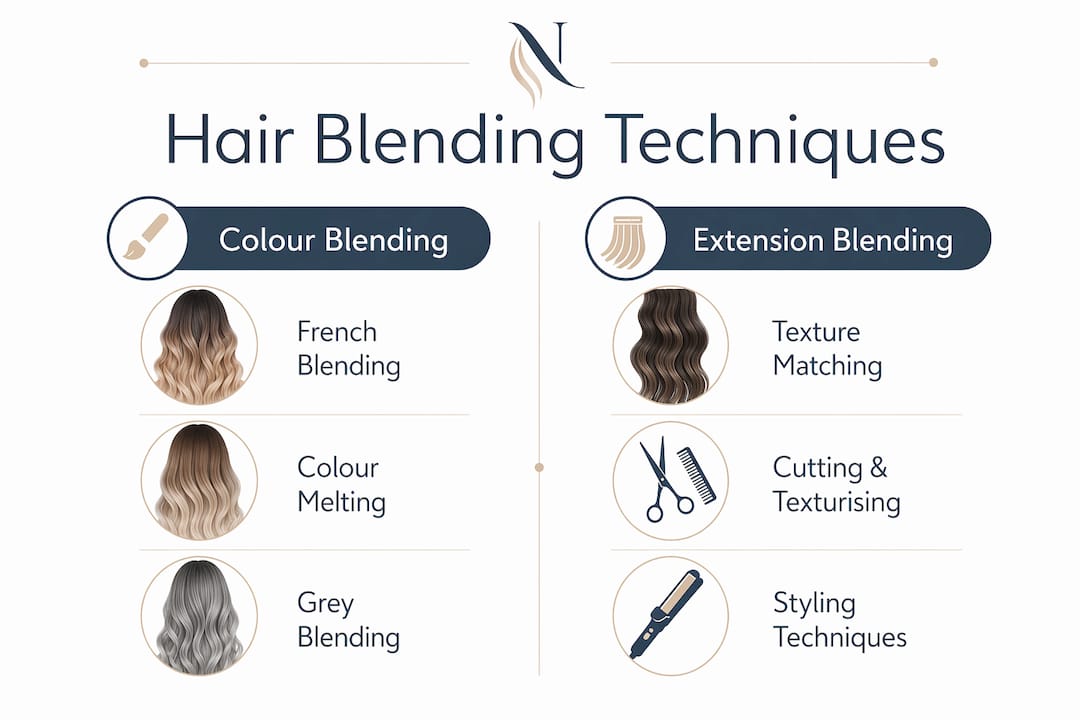
Hair blending is defined as the technique of merging different hair colours, textures, or extensions with your natural hair to create a unified, natural-looking result without visible lines or harsh contrasts. The term covers two distinct applications: colour blending, which integrates grey or silver strands into pigmented hair, and extension blending, which makes added hair indistinguishable from your own. Both approaches share the same goal. They create a finish so natural that no one can tell where your hair ends and the styling begins. Techniques like French Blending, colour melting, and texturising cuts are the industry’s recognised tools for achieving this, and Naturylextensions builds its entire product range around making that result accessible at home.
What is grey hair blending and how does it work?
Grey hair blending is the practice of integrating grey or silver strands with pigmented hair rather than fully concealing them. Instead of applying a single, uniform colour to mask every grey, a colourist works with your natural tones, placing colour selectively to soften the contrast between grey and pigmented sections. The result looks dimensional and intentional rather than flat.
The technique suits people with 20–60% grey hair best. That range gives the colourist enough grey to work with while retaining sufficient pigmented hair to blend against. People with less than 20% grey often find standard root touch-ups sufficient, while those with more than 60% grey may prefer a full silver or white result instead.
One of the most practical benefits is the extended maintenance cycle. Traditional root touch-ups require a salon visit every 4–6 weeks. Grey blending extends that interval to every 8–12 weeks. That reduction in frequency saves both time and money over a year.
French Blending and its three variations
French Blending is a proprietary technique developed by L’Oréal Professionnel. It uses vertical weaving and customised colour placement to soften the root line rather than eliminate it. The technique has three distinct variations: first blending for clients new to the technique, retouch blending for maintenance appointments, and total blending for those wanting the most diffused result. Each variation adjusts the density of colour placement to match the client’s current grey percentage and desired outcome.
The approach shifts the philosophy from colour concealment to colour enhancement. Grey strands become part of the design rather than a problem to fix. This is why French Blending has grown popular among people who want a modern, low-effort look that celebrates natural ageing.
Colour melting for gradual transitions
Colour melting works differently. A colourist physically blends two or more colours at their contact points, creating a gradient that flows from one shade to the next without a defined line. The technique is particularly effective for transitioning from a darker root to a lighter mid-length or tip. Because the regrowth grows into an already-graduated colour, the result stays wearable for longer. Some clients extend their salon visits to 12–16 weeks with colour melting. That makes it one of the most low-maintenance colour techniques available.
Key benefits of grey blending methods at a glance:
- Reduces visible regrowth lines between appointments
- Extends salon visit intervals to 8–16 weeks depending on method
- Creates a softer, more dimensional colour result
- Works with your natural hair rather than against it
- Suits a wide range of grey percentages and hair types
How do hair extensions use blending techniques for natural finishes?
Extension blending is the process of making added hair integrate so well with your natural hair that the two appear to be one. The challenge is that extensions have a fixed length, weight, and texture when they arrive. Your natural hair has its own unique characteristics. Closing that gap requires both the right product and the right technique.
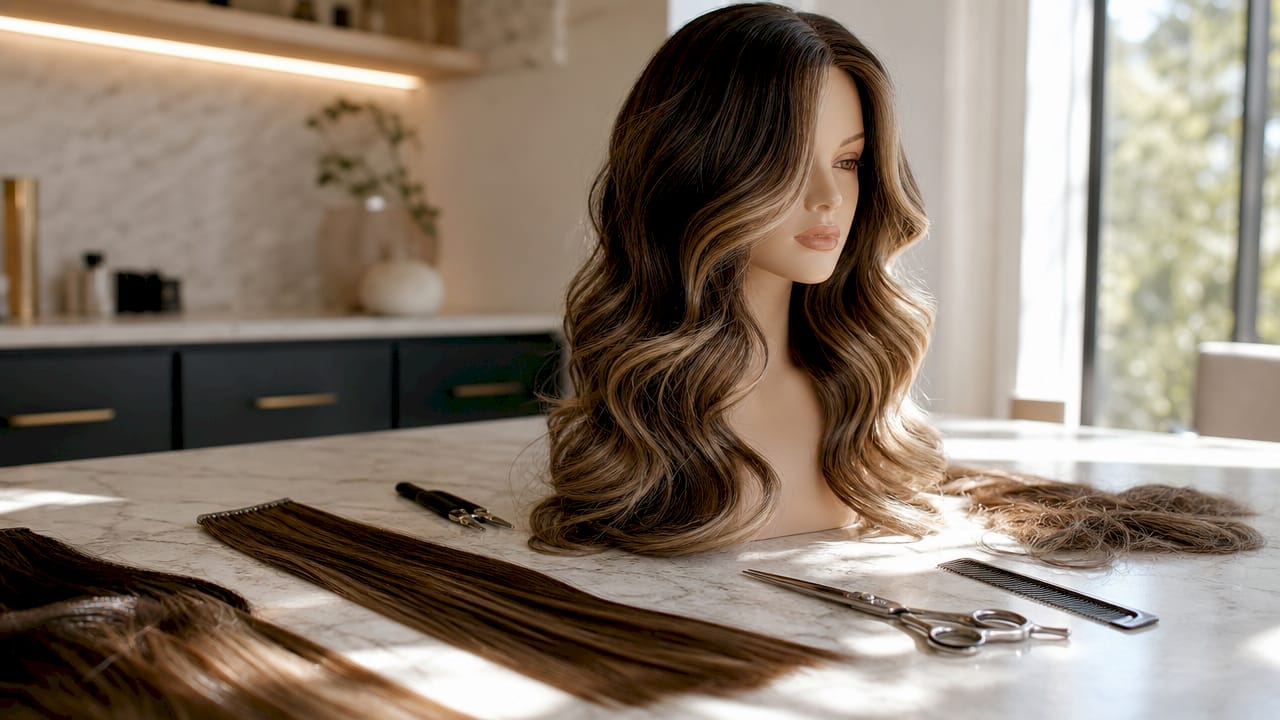
Matching texture, thickness, and movement is the starting point. If your natural hair is fine and straight, thick or coarse extensions will sit differently and catch the light in a way that reveals them. Remy human hair extensions, like those from Naturylextensions, replicate the cuticle alignment of natural hair, which means they move and behave more like your own hair than synthetic alternatives.
Once the extensions are installed, cutting and texturising do the real work. A blending cut removes weight at the attachment points and the perimeter of the hair. Without this step, extensions can create a “shelf effect,” where the added hair sits as a visible block rather than flowing naturally from your own.
Techniques that make extensions less visible
Stylist techniques that improve extension blending include:
- Slide-cutting runs the scissors along the hair shaft rather than straight across, removing weight gradually and creating a softer edge.
- Point-cutting at the ends breaks up a blunt line, adding texture that makes the perimeter look natural.
- Layering distributes the extension weight through the mid-lengths and ends, preventing a heavy, flat appearance.
- Texturising shears thin out dense sections, particularly around attachment points where bulk is most visible.
- Styling with waves or curls creates movement that helps natural hair and extensions fall together rather than separately.
Pro Tip: Always cut and blend your extensions while your hair is in its final styled form, not when it is wet or blown straight. Cutting in the styled position means the weight falls exactly where it will sit day to day, giving you the most accurate blend.
Styling also plays a significant role. Natural waves and curls create dimension that makes blending appear effortless. Pin-straight hair is less forgiving because every line is visible. If your hair is naturally straight, adding soft waves with a curling wand after installation helps the extensions integrate far more convincingly.
What are the best hair blending methods for different hair types?
The best blending method depends on your hair texture, your colour goals, and how much maintenance you are willing to commit to. There is no single answer that works for everyone.
Texture is a key factor in how forgiving a blend will look. Wavy, curly, and coily hair types naturally create dimension and movement. That dimension hides minor inconsistencies in colour placement or extension attachment. Straight hair, by contrast, shows every transition clearly, which means precision matters more.
For colour blending, French Blending suits those who want to soften grey roots without committing to a full colour change. Colour melting suits those transitioning between two deliberate shades, such as moving from brunette to a lighter tone. Grey blending in its general form suits anyone who wants to extend their maintenance cycle and embrace their natural silver.
For extension blending, the right approach depends on your natural hair’s density and texture. Fine hair benefits from lightweight extensions with careful texturising. Thicker hair can carry more extension weight but still needs layering to prevent a blocky finish. Curly and coily hair requires extensions that match the curl pattern, otherwise the two textures will separate visually.
| Method | Best for | Maintenance interval |
|---|---|---|
| French Blending | Grey roots, 20–60% grey | 8–12 weeks |
| Colour melting | Colour transitions, gradient looks | 12–16 weeks |
| General grey blending | Embracing natural silver | 8–12 weeks |
| Extension blending cut | All extension types | Every 6–8 weeks for a trim |
Choosing the right method also means being honest about your styling habits. A colour melt looks best when the hair is healthy and well-conditioned. Extension blending requires regular trims to maintain the cut. If you prefer a low-effort routine, grey blending or colour melting will serve you better than techniques that demand frequent salon visits.
How to blend hair extensions for a flawless finish
Achieving a natural extension blend follows a clear process. Whether you are working at home or in a salon, these steps produce the most consistent results.
- Prepare your natural hair. Wash, condition, and dry your hair before installing extensions. Clean hair sits flatter and gives you a more accurate base to blend against.
- Select the right shade and texture. Hold the extension weft against your natural hair in natural light. The colour should match your mid-lengths, not your roots. Remy human hair extensions from Naturylextensions are available in a range of shades to help you find a close match.
- Install the extensions correctly. For invisible wire extensions, position the wire at the crown and adjust the tension so the wire sits flat. Poor positioning creates bulk that no amount of cutting will fix.
- Cut and blend in your styled form. Style your hair as you normally would, then blend the extensions into your natural hair using point-cutting and slide-cutting. Cutting at the attachment points removes the shelf effect and allows the hair to fall naturally.
- Add texture at the perimeter. Use texturising shears or point-cut the ends to break up any blunt lines. This step makes the perimeter look like it grew that way.
- Style to finish. Soft waves or curls help the natural hair and extensions move together. A light finishing spray adds hold without stiffness.
Pro Tip: If your extensions look slightly darker or lighter than your natural hair after installation, a toning gloss applied to both your natural hair and the extensions can unify the colour without permanent dye.
Common mistakes that undermine a good blend include choosing extensions that are too thick for fine hair, cutting the extensions while the hair is wet, and skipping the texturising step. Blending cuts that focus on the attachment and perimeter are the single most effective way to prevent a visible disconnect between your natural hair and the added length.
For more detailed guidance, the expert blending advice from Naturylextensions covers salon-level techniques you can adapt at home.
Key takeaways
Hair blending achieves a natural finish by matching texture, colour, and cut between your natural hair and any added colour or extensions, with the right technique determined by your hair type and maintenance preference.
| Point | Details |
|---|---|
| Grey blending extends maintenance | Grey blending moves salon appointments from every 4–6 weeks to every 8–12 weeks. |
| French Blending has three types | First, retouch, and total blending each suit different grey percentages and goals. |
| Texture determines technique | Wavy and curly hair blends more forgivingly than straight hair for both colour and extensions. |
| Cutting in styled form is critical | Blending cuts done in the styled position remove weight accurately and prevent the shelf effect. |
| Remy hair matches natural movement | Cuticle-aligned Remy human hair replicates how your own hair moves, improving extension blends. |
Why I think most people get hair blending wrong from the start
The most common mistake I see is treating hair blending as a product decision rather than a technique decision. People spend time choosing the right shade of extension or the right colour formula, then skip the cutting and texturising step that actually makes the blend work. The product matters, but the cut is what makes it invisible.
The shift in grey blending philosophy is one of the most interesting changes in hair styling over the past decade. The goal used to be concealment. Now, modern blending celebrates natural tones with deliberate colour placement that makes grey look intentional rather than incidental. That is a genuine change in how we think about ageing and appearance, and it has made the technique far more popular with people who previously felt they had no good options.
For extensions, the insight that changed my approach was learning to cut in the styled position. Before that, I was cutting on dry, straight hair and then watching the blend fall apart the moment someone added a wave or a curl. Cutting in the final styled form means the weight distribution is accurate for how the hair actually lives. It sounds obvious in retrospect, but most beginners skip it entirely.
Texture is also underrated. People with wavy or curly hair often worry that their texture will make extensions harder to blend. The opposite is true. Natural movement in textured hair creates dimension that hides the attachment line far better than straight hair ever could. If you have texture, use it to your advantage rather than fighting it with heat tools before you blend.
Patience is the other factor no one talks about. A good blend takes time. Rushing the cut, skipping the texturising, or installing extensions without checking the colour in natural light all produce results that look fine in the mirror but fall apart in photographs or daylight. Slow down, check each step, and the result will last far longer.
— Sam
Naturylextensions: Remy hair extensions built for natural blending
Getting a natural blend starts with the right extensions. Naturylextensions specialises in Remy human hair invisible wire extensions, designed to sit flat at the crown and integrate with your natural hair without clips, glue, or heat damage.
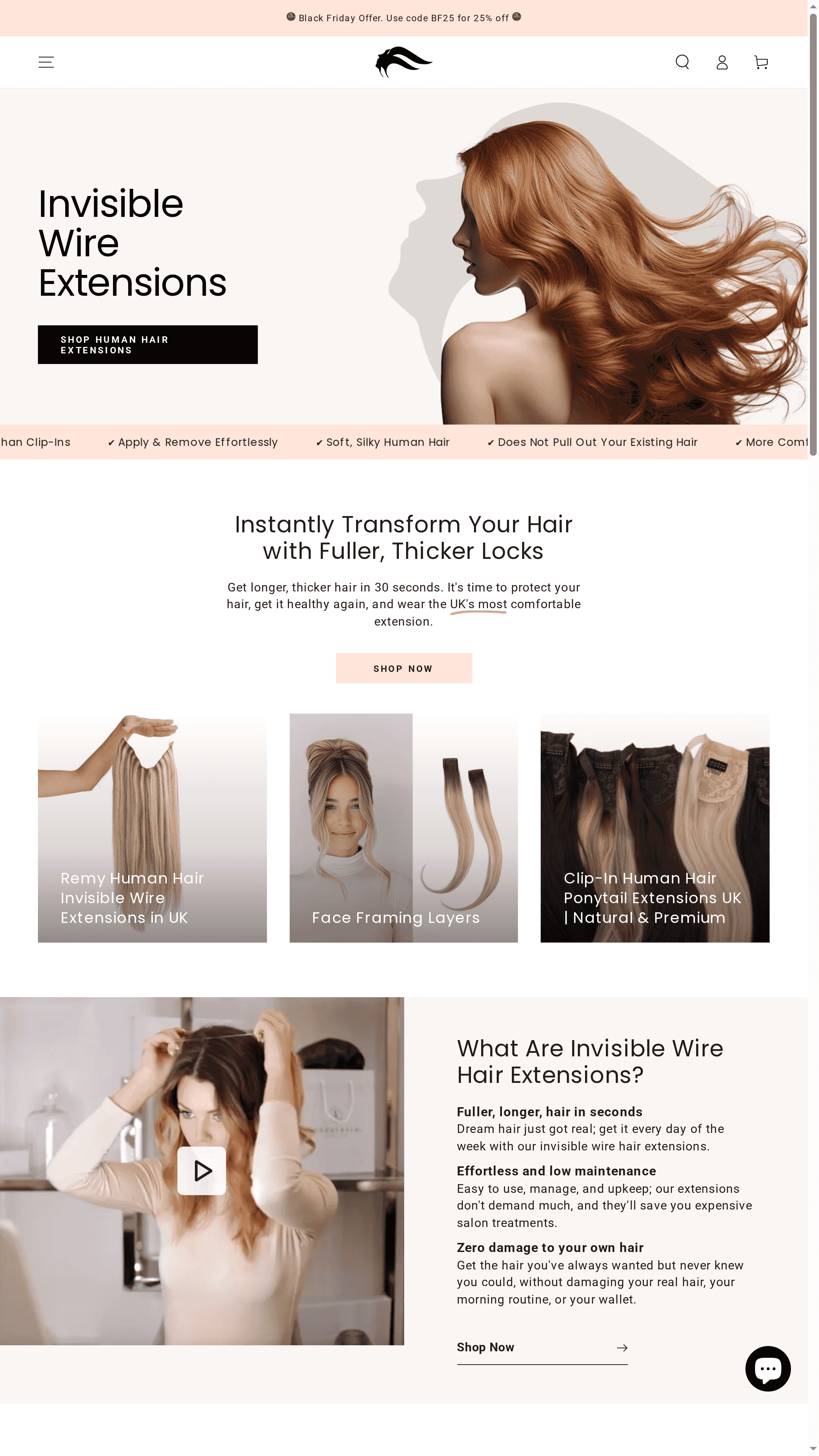
The invisible wire extensions use cuticle-aligned Remy hair, which means the hair moves and reflects light the way your own hair does. That alignment is what makes texturising and blending cuts work properly. If you want to customise your length further, additional length wires let you build a style that suits your exact needs. Naturylextensions offers fast UK delivery and a free exchange policy, so finding your perfect match is straightforward. For practical guidance on getting the most from your extensions, the blending tips for invisible wire guide walks you through every step.
FAQ
What does hair blending mean in hairdressing?
Hair blending means merging different colours, textures, or extensions with your natural hair to create a unified, natural-looking result without visible lines or harsh contrasts. The term applies to both colour techniques and extension application.
How often do you need a salon visit with grey blending?
Grey blending extends salon appointments to every 8–12 weeks, compared to every 4–6 weeks for traditional root touch-ups. The exact interval depends on how quickly your grey grows and which blending method your colourist uses.
What is the difference between French Blending and colour melting?
French Blending uses vertical weaving and selective colour placement to soften grey roots, while colour melting physically blends two colours at their contact points to create a gradient. Colour melting can extend appointments to 12–16 weeks, making it the longer-lasting option.
Can you blend hair extensions at home?
You can blend hair extensions at home by matching the shade to your mid-lengths, installing the extensions correctly, and using point-cutting or texturising shears to remove weight at the perimeter. Cutting in your final styled form produces the most accurate result.
Does hair texture affect how well extensions blend?
Wavy, curly, and coily hair blends more naturally than straight hair because the movement and dimension hide attachment points. Straight hair requires more precise cutting and texturising to achieve the same result.