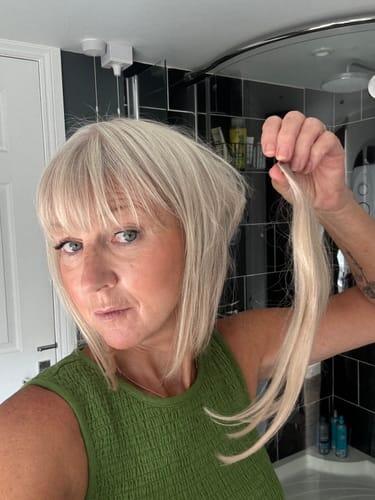
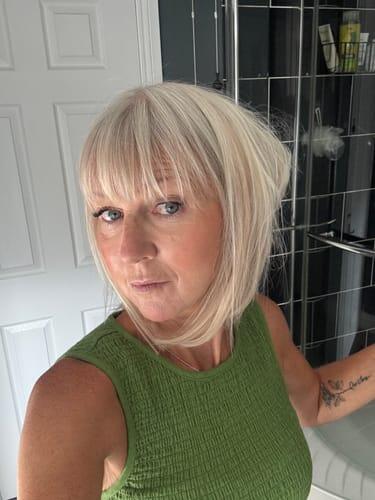
The most reliable way to avoid a colour mismatch is to order physical swatches and test them against your mid-lengths in three lighting conditions before you buy. Start with a colour ring or a single sample lock, hold it against your hair below the roots, and photograph it in daylight, indoor overhead light, and a neutral bathroom light. Screens lie. Fabric and hair fibre under real light do not.
TL;DR:
- Ordering physical swatches and testing them in three different lighting conditions offers a reliable way to match hair extension shades accurately.
- Colour rings, individual locks, and sample packs serve different needs, with rings being better for comparing multiple shades and locks for confirming a specific tone.
- Testing should involve photographing the swatch against your mid-lengths in indoor, daylight, and neutral lighting, then comparing depth and undertone first.
- Digital colour charts are only a starting point, as screen calibration and lighting variations can significantly alter perceived shades.
- Confirm your shade by comparing multiple photos in consistent conditions and only place a full order once all three lighting tests agree.
Table of Contents
- Where to find colour swatches for extensions
- How do you actually test a swatch properly?
- What do the numbers and letters on a colour chart mean?
- How do you order, test and exchange samples without wasting money?
- A five-step checklist to secure a reliable match
- Sam’s tips and how our colour-match service works
- Why physical swatches beat every digital shortcut
- Order your colour samples with confidence
- Sources
- FAQ
Where to find colour swatches for extensions
A colour ring is the fastest way to see a full spread of shades side by side, and it’s the format most stylists reach for first. Most retailers sell them as a fan of small hair samples, each numbered or labelled, so you can hold several tones next to your hair without committing to a full set. They’re particularly useful if your colour sits between two levels, because you can compare neighbouring shades directly rather than guessing from a single swatch.
Individual locks work better if you already have a strong idea of your shade and just want to confirm it. They’re cheaper, smaller, and quicker to post, which matters if you’re ordering close to an event.
Sample packs earn their keep when your hair isn’t one flat colour. Balayage, ombre, and heavily highlighted hair rarely match a single swatch, so a pack with two or three complementary tones lets you test blending before you spend on the full order.
Online colour charts and screen images are a useful starting point for narrowing your options, but they can’t replace a physical sample. Screen calibration, lighting, and even the material a swatch was photographed against all shift how a shade reads on camera, and brand numbering and product photos vary enough between retailers that relying on them alone is one of the most common reasons people order the wrong shade.
A few points worth weighing before you order:
- Colour rings suit anyone comparing multiple shades or working with a stylist.
- Single locks suit a confident, low-budget confirmation of one shade.
- Sample packs suit multi-tonal, balayage, or ombre hair.
- Digital charts are a shortlist tool, never the final check.
How do you actually test a swatch properly?
Professional colourists don’t judge a swatch by holding it up once under the living room lamp. They use what’s often called the Three-Window protocol: checking the same swatch under three distinct light sources before deciding it’s a match, because warmth and depth shift noticeably between indoor, daylight, and neutral lighting.
Here’s how to run it at home:
- Hold the swatch against your mid-lengths and ends, not your roots. Natural hair almost always carries more depth near the scalp, and extensions attach below the roots, so matching to your ends produces the seamless result you’re actually after.
- Photograph the swatch against your hair under indoor overhead light, keeping your phone in the same position and settings each time.
- Take a second photo in north-facing or outdoor daylight, ideally away from direct midday sun which can wash out warmth.
- Take a third photo under a neutral bathroom or office light.
- Compare all three images side by side rather than judging any single shot in isolation.
Once you’ve got your three photos, match depth (how light or dark the shade is) and undertone (warm, neutral, or cool) first. These two factors cause the most visible mismatches. Only after depth and undertone line up should you look at tone variation, such as subtle highlights, and finally shine or density, which affects how the extensions catch light against your natural strands.
Statistic to keep in mind: retailers commonly price individual colour samples between £1 and £5, which is a small outlay against the cost of a full order gone wrong.
If your hair is multi-tonal, don’t expect one flat swatch to do the job. Buying two shades and blending them during installation is standard practise among stylists working with highlighted or balayage clients, and it replicates natural dimension far more convincingly than a single uniform colour ever will.
Pro Tip: Take your three test photos at the same time of day you’ll actually be wearing your hair most, whether that’s office lighting for work or evening light for events. A match that looks perfect at noon can read differently under warm bulbs at 7pm.
What do the numbers and letters on a colour chart mean?
Extension shades are usually labelled with a depth number from 1 to 10, where 1 is black and 10 is the lightest blonde. That number tells you how light or dark a shade sits, but it says nothing about undertone, which is why two “level 6” swatches from different brands can look completely different once you hold them side by side.
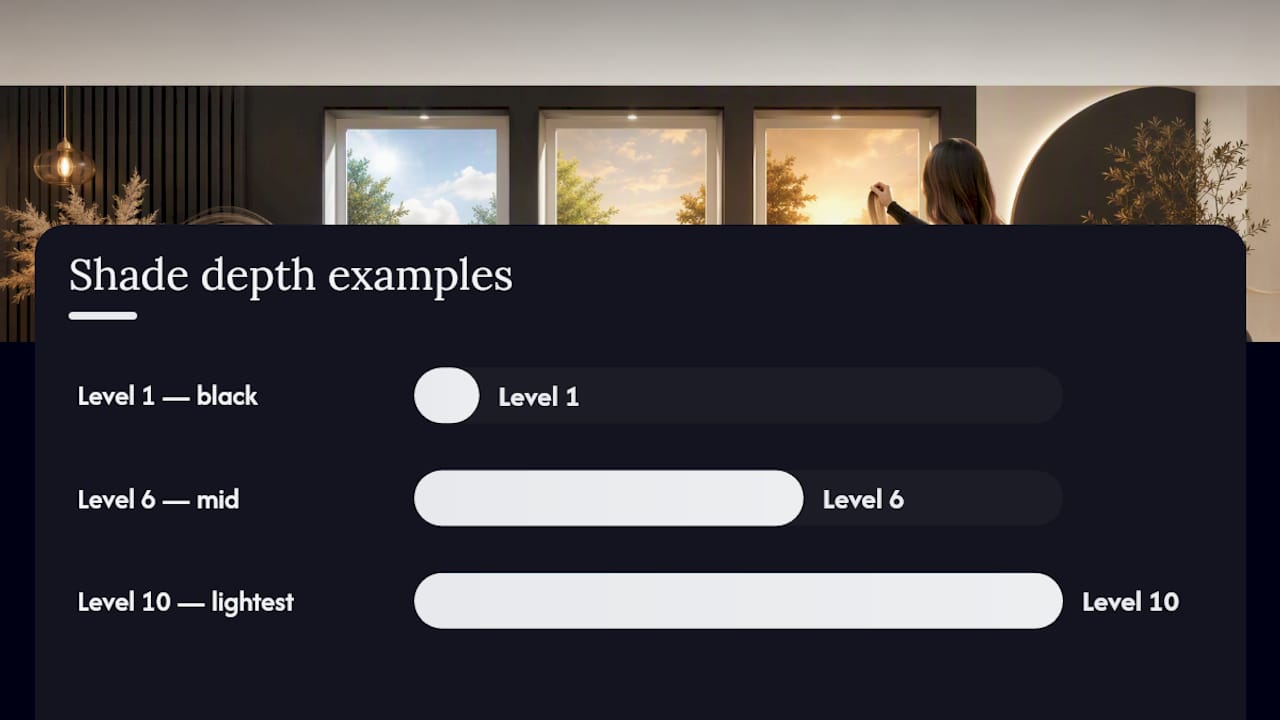
Undertone is usually described as warm, neutral, or cool, and it changes how a shade reads against your skin and your natural colour. A warm level 6 can look golden or caramel, while a cool level 6 can lean ash. This is exactly why the same numeric shade varies between brands, and why a physical swatch matters more than a chart reading.
Dual codes, such as 4/8 or 6/60, indicate a blended or ombre shade, usually reading as the root colour first and the tip colour second. A few things worth understanding when reading these labels:
- A single number (e.g. “8”) means a solid, uniform colour throughout the length.
- A dual code (e.g. “4/8”) means the piece transitions from one shade at the top to another at the ends.
- Higher numbers generally mean lighter, though exact positioning on the scale differs slightly by brand.
- Warm, neutral, and cool labels describe undertone, not depth, and both need checking separately.
Treat every chart as a starting point for narrowing options, never as the final word.
How do you order, test and exchange samples without wasting money?
Start small. Order a colour ring if you’re unsure which level suits you, or one to three individual locks if you already have a shortlist. Expect to pay a modest amount per sample rather than committing to a full extension set on a guess.
A few practical steps make the process far less risky:
- Photograph every swatch against your hair using the same phone, same settings, and same three lighting conditions every time, so results are genuinely comparable.
- Keep your original packaging and order confirmation until you’ve placed your full order, since most exchange policies ask for both.
- Read the seller’s return or exchange policy before you pay, not after, and note whether samples themselves are refundable or only credited towards a full order.
- If your hair involves complex balayage or multiple toning zones, consider asking a professional to review your swatch photos. It’s not needed for most people, but it can save a costly reorder for genuinely tricky colouring.
Keeping photographic evidence and your order number ready means an exchange, if you need one, takes minutes rather than a back and forth over what you originally bought.
A five-step checklist to secure a reliable match
Run through this before you place a full order:
- Order physical colour rings or individual locks and hold them against your mid-lengths and ends, never your roots.
- Photograph each swatch in three lighting conditions using the same phone and settings.
- Compare depth and undertone first, then decide whether your hair needs one shade or two blended together.
- Confirm the seller’s exchange policy and keep your samples and order number safe.
- Only place your full order once your swatch photos consistently confirm the same shade across all three lights.
Sam’s tips and how our colour-match service works
Getting this right isn’t complicated, but it does reward patience over guesswork. Sam, who writes Naturylextensions’ colour guidance, has put together deeper walkthroughs on matching hair colour extensions for a seamless look and blending techniques for a natural finish, both worth reading alongside your swatch tests.
Naturylextensions’ AI colour-match service is designed to sit alongside physical swatches, not replace them: upload your photos and it narrows your shortlist, then a swatch confirms it under real light. Every extension is made from ethically sourced Remy human hair, which behaves and reflects light like natural strands rather than synthetic fibre. Combined with fast UK delivery and a free exchange policy, a wrong first guess doesn’t need to be an expensive one.
Why physical swatches beat every digital shortcut
The industry’s obsession with online colour finders and AI previews slightly misses the point. They’re genuinely useful for narrowing a shortlist from twenty shades to three, but too many buyers treat that shortlist as the final answer. It isn’t. Screens vary, camera sensors vary, and even the fibre a swatch photo was shot against changes how warm or cool it reads.
What the evidence actually supports is unglamorous but effective: hold a real swatch against real hair, in real light, more than once. The stylists who get this right professionally aren’t relying on better software. They’re relying on a repeatable habit, checking the same swatch three times before trusting it.
If there’s one thing worth changing about how most people shop for extensions, it’s this: treat the swatch stage as mandatory, not optional, even when a colour finder feels confident. A five-minute check under three lights costs far less than a full set that arrives half a shade off.
— Sam
Order your colour samples with confidence
Naturylextensions gives you a lower-risk route to a confident match than guessing from a screen alone. Start with a colour ring or a few individual sample locks from our invisible wire extensions range, hold them against your mid-lengths in the three lighting conditions above, and use our free Colour Match service to narrow your shortlist before you order the physical sample.
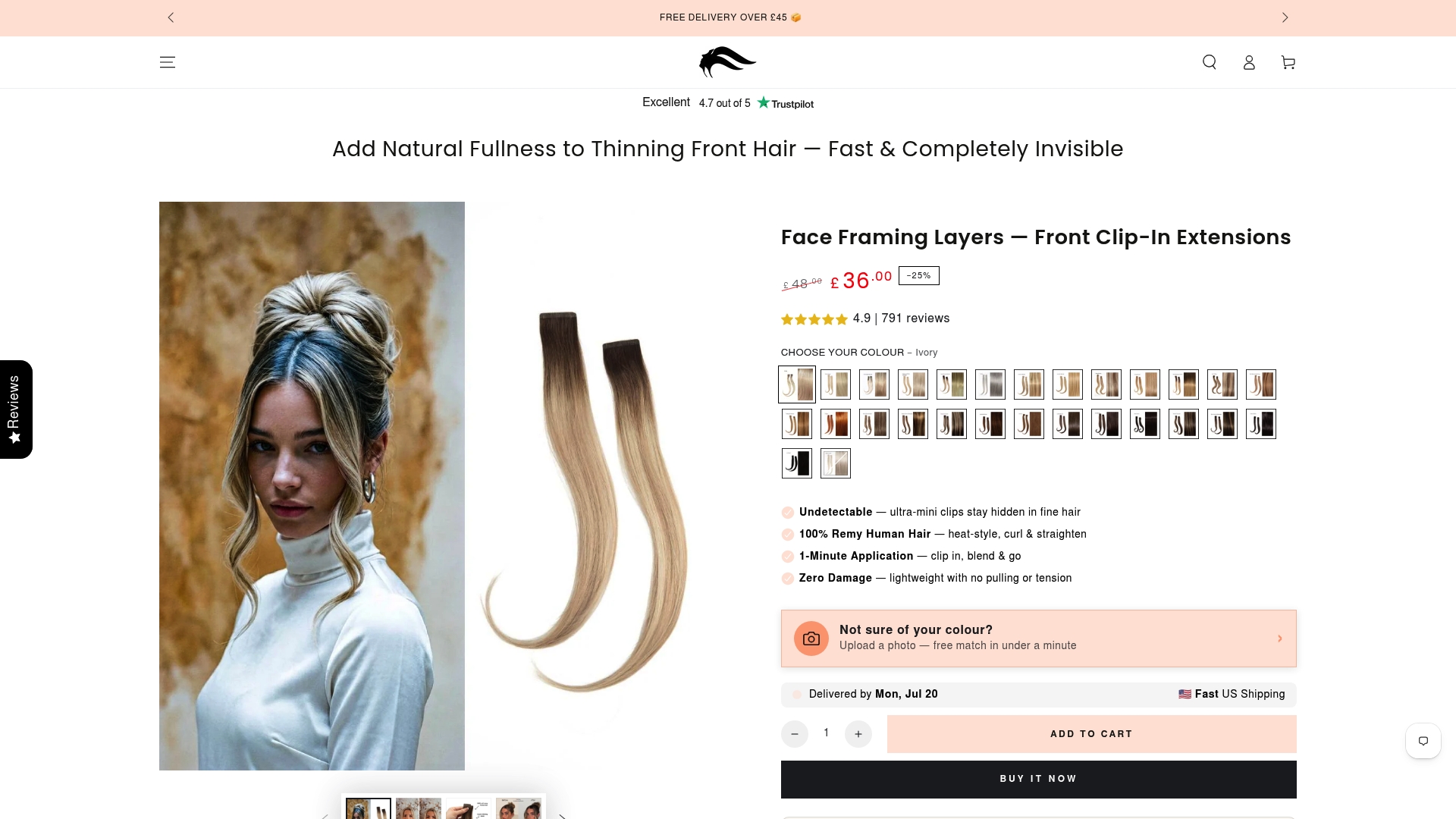
Every set is made from genuine Remy human hair, sourced to blend naturally with your own strands rather than sitting on top of it. Delivery across the UK is fast, and if your swatch test still leaves you between two shades once your full set arrives, our free exchange policy means correcting it costs you nothing extra. Order your sample today and confirm your match before you commit to the full set.
Sources
- How To Color-Match Hair Extensions for Stylists | Three-Window Protocol
- How to Color Match Hair Extensions for a Natural Look | The Beauty Edit
- 20 Expert Tips on How to Color Match Hair Extensions 2025
FAQ
How do I get colour matched for extensions?
Order a physical colour ring or sample lock, hold it against your mid-lengths in daylight, indoor, and neutral lighting, then compare depth and undertone. Naturylextensions’ free Colour Match service can narrow your shortlist before you test the physical swatch.
Is it better to go lighter or darker with extensions?
Neither is universally correct. Matching your natural mid-lengths and ends rather than your roots usually gives the most seamless blend, since that’s where the extensions actually sit.
What hair colour is trending for 2026?
Multi-tonal and balayage-inspired shades remain popular, which is exactly why blending two swatch shades during installation has become such a common technique for a natural, dimensional finish.
Where can I find hair extension colour samples?
Colour rings and individual sample locks are sold by extension retailers, usually for a small fee per sample, and Naturylextensions offers physical samples alongside its AI colour-match tool to confirm a shade before you commit to a full order.