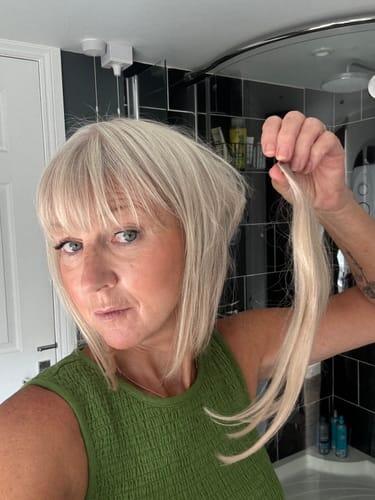
Many women believe hair extensions mean hours in the salon and inevitable damage to natural hair. The truth is quite different. A hair weft is a continuous strip of hair strands sewn or bonded together, offering a quick and safe way to add volume and length without the commitment or harm you might expect. This guide reveals everything UK women need to know about hair wefts, from choosing the right type to achieving effortless, damage-free styling solutions that fit your lifestyle.
Key Takeaways
| Point | Details |
|---|---|
| Hair wefts add effortless length and volume | Hair wefts offer a quick, safe way to transform hair for UK women seeking natural fullness. |
| Choose the right weft for your hair type | Hand-tied suits fine hair, machine wefts are best for thick hair—method matters for comfort and results. |
| Clip-in and hand-tied wefts minimise damage | Modern application methods let you enjoy extensions with little or no risk of damage. |
| Invest in Remy hair for quality and longevity | Remy hair extensions look real, last longer, and allow safe styling, making them the best choice for wefts. |

Recommended for this guide
Invisible Wire Extensions
Salon-length hair in under a minute. No clips pulling, no glue, no damage.
100% Remy human hair · 28 shades · from £89 · Rated 4.7 “Excellent” on Trustpilot · Free UK delivery · Free colour exchanges
Shop invisible wire extensions → Free colour match from a photoWhat is a hair weft?
Now that you’ve seen why hair wefts are not what most people expect, let’s clarify exactly what a hair weft is and how it sets itself apart from other extensions.
A hair weft is made from 100% Remy human hair or synthetic hair, commonly available in 14 to 30+ inch lengths and 50 to 120g weights. Think of it as a curtain of hair with all strands sewn or bonded together at the top edge, creating a secure base that can be attached to your natural hair in various ways. The construction keeps individual hairs aligned in the same direction, preventing tangling and maintaining a natural appearance.
The materials used in hair wefts matter significantly for UK buyers. Remy hair represents the highest quality option, with cuticles intact and aligned in one direction. This structure mimics your natural hair’s behaviour, allowing for heat styling, colouring, and washing just like your own strands. Synthetic alternatives cost less but cannot withstand heat styling and typically last only a few months.
Key characteristics of hair wefts:
- Continuous strip construction with sewn or bonded top edge
- Available in multiple lengths from chin-length to waist-length options
- Weight options ranging from subtle volume (50g) to dramatic fullness (120g+)
- Remy human hair or synthetic material choices
- Can be cut to size for machine wefts, but not hand-tied variants
| Weft specification | Range available | Best for |
|---|---|---|
| Length | 14-30+ inches | Matching natural hair or adding dramatic length |
| Weight | 50-120g per weft | Fine hair (50-70g), thick hair (100-120g) |
| Width | 10-20 inches | Full head coverage or targeted volume |
| Hair type | Remy human or synthetic | Long-term wear (Remy) or temporary styling (synthetic) |
Wefts can add instant length, volume, and fullness to your natural hair without the permanence of bonded extensions or the visible tracks of older extension methods. The versatility of wefts means you can achieve anything from subtle thickness to a complete hair transformation, depending on the number of wefts installed and their placement.
“The beauty of hair wefts lies in their adaptability. Whether you need volume at the crown, length at the back, or fullness throughout, wefts can be customised to your exact requirements whilst remaining virtually undetectable.”
Types of hair weft extensions
Understanding the types of hair weft helps you match your needs to the right product. Here’s what sets each style apart.
Machine wefts are thicker, durable, and cuttable, whilst hand-tied are thinner, lighter, and cannot be cut. This fundamental difference affects everything from comfort to styling options, making your choice crucial for achieving the results you want.
Machine weft extensions use industrial sewing machines to create a strong, reinforced edge. The stitching produces a thicker weft that can withstand cutting to custom widths without unravelling. These wefts work brilliantly for women with thick or coarse hair who need durable extensions that can handle regular styling. The trade-off is slightly more bulk at the attachment point, though modern machine wefts have become increasingly refined.
Hand-tied weft extensions involve skilled artisans hand-sewing each strand onto a thin thread base. The result is an ultra-flat weft that lies seamlessly against your scalp, creating an invisible finish perfect for fine or thin hair. You’ll feel minimal weight and maximum comfort, but you cannot cut these wefts without risking the entire piece unravelling.

Pro Tip: Never attempt to cut hand-tied wefts yourself. The delicate hand-stitching will come apart, ruining the entire weft. If you need a custom width, order pre-sized hand-tied wefts or choose machine wefts instead.
Other weft variants have emerged to address specific needs. Genius wefts combine machine durability with hand-tied thinness through innovative construction techniques. Tape-in wefts feature pre-applied adhesive strips for quick installation. Clip-in wefts include built-in clips for temporary, damage-free wear you can apply and remove daily.
| Weft type | Thickness | Can be cut? | Best hair type | Installation time | Lifespan |
|---|---|---|---|---|---|
| Machine weft | Thicker (2-3mm) | Yes | Thick, coarse hair | 2-3 hours | 8-12 months |
| Hand-tied weft | Ultra-thin (1mm) | No | Fine, thin hair | 2-3 hours | 6-10 months |
| Genius weft | Thin (1-2mm) | Yes | All hair types | 2-3 hours | 8-12 months |
| Tape-in weft | Medium (1-2mm) | No | Fine to medium hair | 1-2 hours | 6-8 weeks per application |
| Clip-in weft | Medium (2mm) | Sometimes | All hair types | 5-15 minutes | 6-12 months |
The comparison between Remy hair types extends to weft construction as well. Premium Remy hair in hand-tied wefts offers the most natural movement and longest lifespan, whilst machine wefts provide durability for active lifestyles. Your choice should balance your hair type, lifestyle demands, and budget considerations.
Pros and cons summary:
- Machine wefts: Affordable, strong, customisable width, but slightly bulkier
- Hand-tied wefts: Invisible, comfortable, lightweight, but cannot be cut and cost more
- Clip-in wefts: Removable, no commitment, damage-free, but daily application required
- Tape-in wefts: Quick installation, flat profile, but require professional removal and reapplication
How are hair wefts applied?
After choosing a weft type, the next key question is how these extensions are installed. Let’s unpack the main methods and what to expect.

Primary methods include sew-in, micro ring, clip-in, tape-in, and micro-bead techniques, each offering different levels of permanence, comfort, and maintenance requirements.
1. Sew-in method (weaving)
Your stylist creates small cornrow braids along horizontal sections of your scalp, then sews the weft directly onto these braids using a needle and thread. This method provides excellent security and can last 6 to 8 weeks before requiring adjustment. The process takes 2 to 3 hours in a salon and works best for thick hair that can support the braided base.
2. Micro ring or beaded method
Small silicone-lined metal rings attach to sections of your natural hair, creating anchor points for the weft. The weft is then threaded through these rings and secured by clamping them flat. This technique avoids heat or glue, making it gentler on your hair. Expect 2 to 3 hours for installation and 6 to 8 weeks of wear before maintenance.
3. Clip-in method
Clip-in wefts can be applied at home in 5 to 15 minutes, making them the fastest and most flexible option. You simply section your hair, snap open the clips, position the weft, and snap the clips closed against your scalp. Remove them before bed or leave them in for a few days, depending on your comfort level.
4. Tape-in method
Pre-taped wefts sandwich thin sections of your natural hair between two adhesive strips. A professional can install a full head in 1 to 2 hours. The flat profile makes tape-ins nearly invisible, but you’ll need professional removal and reapplication every 6 to 8 weeks as your hair grows.
5. Micro-bead or I-tip method
Individual strands or small wefts attach using tiny beads clamped onto your natural hair. This method offers the most natural movement but takes longer to install, typically 3 to 4 hours for a full head.
Pro Tip: Clip-in wefts deliver the fastest, most damage-free results for UK women seeking occasional volume or length without salon commitment. You control when to wear them and can switch styles daily.
Quick comparison: At-home clip-in application takes 5 to 15 minutes and requires no special skills. Professional methods like sew-in or micro ring take 1 to 3 hours but last 6 to 8 weeks between adjustments. Choose based on your lifestyle and commitment level.
The tutorial for using wefts with thin hair demonstrates proper sectioning and placement techniques that prevent tension damage whilst maximising volume and coverage.
Who should choose which hair weft?
Now that you know the different application techniques, it’s vital to choose the right weft for your own hair and avoid common pitfalls.
Hand-tied wefts are best for fine or thin hair, machine wefts for thick or coarse hair. Risks include tension damage if installed too tight or heavy. Your natural hair type, density, and condition determine which weft will give you beautiful results without causing harm.
For fine or thin hair:
- Hand-tied wefts lay flat and distribute weight evenly
- Invisible wire extensions offer zero tension and instant application
- Micro ring methods with small, lightweight wefts
- Avoid heavy machine wefts that can pull on delicate roots
- Limit total weight to 70g or less for your first installation
Women with fine hair often worry about visible tracks or damage from extensions. The invisible wire solutions for thin hair address these concerns by eliminating traditional attachment methods entirely, using a comfortable wire that sits invisibly along your hairline.
For thick or coarse hair:
- Machine wefts provide the durability needed for dense hair
- Higher weights (100 to 120g) blend naturally without looking sparse
- Sew-in methods work well with the strong base thick hair provides
- Can accommodate multiple wefts for dramatic volume
- Heat styling and daily manipulation won’t compromise the weft integrity
Who should avoid wefts:
- Very short hair (less than 4 inches) cannot conceal weft attachments
- Severely damaged or chemically over-processed hair needs repair first
- Scalp conditions like psoriasis or dermatitis may worsen with wefts
- Those sensitive to any tension or weight on the scalp
- Anyone unable to commit to proper maintenance routines
Common fit issues arise when the wrong weft type meets the wrong hair type. Heavy machine wefts on fine hair cause breakage and visible bumps. Lightweight hand-tied wefts on very thick hair look sparse and fail to blend. The detailed tutorial for fine hair walks you through proper selection and placement to avoid these problems.
“Choosing extensions that match your hair’s strength and density is not optional. It’s the difference between beautiful, comfortable hair and potential damage that takes months to repair. When in doubt, start with lighter weights and temporary methods.”
Real risks include traction alopecia from too-tight installation, breakage from excessive weight, and matting from poor maintenance. These problems are entirely preventable with proper weft selection, professional installation, and consistent care routines.
Caring for your hair weft: maintenance, cost, and longevity
Proper care and understanding what to expect in terms of costs and longevity ensures you get the most from your hair wefts. Here’s how.
Wefts last 6 to 12+ months with care, UK prices range from £100 to £300 plus installation, and they can be styled and heat-treated like natural hair. Your investment pays off when you follow maintenance guidelines that preserve both the weft and your natural hair.
Typical weft lifespan and reapplication timing:
- Clip-in wefts: 6 to 12 months with regular use, no reapplication needed
- Tape-in wefts: Reapply every 6 to 8 weeks, wefts last 6 to 9 months total
- Sew-in wefts: Reinstall every 6 to 8 weeks, wefts last 8 to 12 months
- Hand-tied wefts: Move up every 6 to 10 weeks, wefts last 6 to 10 months
- Machine wefts: Move up every 8 to 12 weeks, wefts last 8 to 12 months
The reapplication schedule depends on your hair growth rate and the installation method. As your natural hair grows, the weft moves away from your scalp, creating visible gaps and potential tangling. Professional maintenance appointments keep everything looking fresh and prevent damage.
Day-to-day care essentials:
- Brush gently from ends to roots using a soft-bristle or loop brush
- Wash every 2 to 3 days with sulphate-free shampoo
- Apply conditioner from mid-length to ends, avoiding the weft base
- Sleep with hair in a loose plait or silk bonnet to prevent tangling
- Avoid chlorine and salt water, or rinse immediately after swimming
- Use heat protectant spray before styling with hot tools
The comprehensive Remy hair care guide provides detailed washing, styling, and storage instructions that extend your weft’s lifespan whilst maintaining its natural appearance and texture.
| Care task | Frequency | Why it matters |
|---|---|---|
| Gentle brushing | Daily | Prevents tangling and matting at the weft base |
| Washing | Every 2-3 days | Removes buildup without over-drying the hair |
| Deep conditioning | Weekly | Maintains moisture and prevents brittleness |
| Professional maintenance | Every 6-12 weeks | Repositions wefts and checks for damage |
| Heat styling | As needed | Remy hair tolerates heat like natural hair |
Avoiding common damage:
Tension damage occurs when wefts are installed too tightly or with too much weight for your natural hair to support. You’ll notice tenderness, headaches, or small bumps along the installation line. If you experience these symptoms, see your stylist immediately for adjustment.
Improper care leads to matting, where your natural hair tangles with the weft at the attachment point. This happens when you skip regular brushing, sleep with wet hair, or fail to separate the weft from your natural hair during washing. Prevention is simple: brush thoroughly twice daily and keep the attachment area clean and dry.
True cost of ownership in the UK:
- Initial weft purchase: £100 to £300 for quality Remy hair
- Professional installation: £100 to £300 depending on method and salon
- Maintenance appointments: £50 to £150 every 6 to 12 weeks
- Care products: £30 to £50 for sulphate-free shampoo, conditioner, and treatments
- Annual total: £500 to £1,200 for professional methods, £200 to £400 for clip-ins
The benefits of Remy hair extensions justify the investment through superior longevity, styling versatility, and natural appearance that synthetic alternatives cannot match.
The role of Remy hair in modern weft extensions
Maintaining premium results also depends on the hair quality. Let’s finish with why Remy hair matters so much for the best weft experience.
Remy hair refers to human hair collected and processed so all cuticles remain intact and aligned in the same direction, from root to tip. This alignment prevents tangling and maintains the hair’s natural texture and shine. Non-Remy hair has cuticles pointing in multiple directions or stripped entirely, requiring heavy processing and silicone coatings to appear smooth initially.
The sourcing process for ethical Remy hair involves collecting hair directly from donors, typically in single ponytails that preserve the natural cuticle direction. Reputable suppliers ensure fair compensation for donors and transparent supply chains. This ethical approach contrasts with non-Remy hair, which often comes from mixed sources like salon floors where cuticle direction cannot be controlled.
Remy vs. non-Remy: real differences for wear and care:
- Longevity: Remy hair lasts 6 to 12+ months, non-Remy lasts 2 to 4 months
- Tangling: Remy hair resists tangling, non-Remy mats easily after washing
- Styling: Remy hair accepts heat, colour, and styling like natural hair
- Appearance: Remy hair maintains shine and movement, non-Remy becomes dull and stiff
- Cost: Remy hair costs more initially but provides better value over time
Ethical Remy hair is preferred for longevity and styling flexibility. Leading UK salons and stylists recommend Remy hair exclusively because it delivers consistent results and satisfied clients. The initial cost difference becomes negligible when you factor in replacement frequency and styling limitations of non-Remy alternatives.
Why leading UK salons recommend ethical Remy:
Professional stylists stake their reputation on the products they use. Remy hair extensions create happy clients who return for maintenance and refer friends. Non-Remy hair leads to complaints, tangling, and damage that reflects poorly on the salon. The choice is clear from a business perspective, and it should be equally clear for you as a consumer.
How to identify true Remy wefts on the UK market:
- Check for cuticle alignment by running fingers from root to tip (smooth) then tip to root (slight resistance)
- Look for transparent sourcing information from the supplier
- Verify the hair can be heat-styled and coloured without damage
- Read reviews mentioning longevity and minimal tangling
- Be wary of prices significantly below market rate (£100 to £300 for quality wefts)
- Ask about the hair’s origin and processing methods
The explanation of why Remy hair matters details the processing differences and long-term benefits that make Remy hair the only sensible choice for serious hair extension users.
“Investing in Remy hair is investing in your confidence and convenience. The difference in daily styling, maintenance effort, and overall appearance makes the premium worthwhile for anyone serious about beautiful, long-lasting extensions.”
The advantages of choosing Remy hair extend beyond the weft itself to your natural hair’s health, your styling options, and your overall satisfaction with the extension experience.
Get effortless, fuller hair with premium wefts
Armed with all the need-to-know information, you’re ready to transform your hair. Here’s how to take the next step with expert products.
You now understand how hair wefts work, which types suit your hair, and how to care for them properly. The next logical step is choosing extensions that deliver on the promise of quick, damage-free transformation with premium quality you can trust.

Premium invisible wire wefts offer the safest, most comfortable option for UK women seeking instant volume and length without salon appointments or tension damage. These innovative extensions eliminate traditional attachment methods entirely, using a discreet wire that sits invisibly along your hairline whilst supporting luxurious Remy human hair.
The benefits extend beyond convenience. Ethically sourced Remy hair ensures your extensions look natural, accept heat styling, and last months with proper care. Fast UK delivery means you can start your hair transformation within days, not weeks. The free exchange policy removes any risk from trying a new extension method.
Whether you need subtle volume for fine hair or dramatic length for a special occasion, the range includes options for every need and hair type. Additional length wires provide customisable coverage, whilst ponytail and face-framing extensions target specific styling goals. Every product focuses on the same core values: ease of use, comfort, and natural appearance that builds your confidence.
Frequently asked questions
Are hair wefts suitable for very thin or fine hair?
Yes, hand-tied and invisible wire wefts are best for fine hair as they lay flat and use minimal tension to avoid damage. Choose lightweight options under 70g for your first installation.
How long do hair wefts last with proper care?
With correct maintenance, hand-tied wefts last 6 to 10 months whilst machine wefts last 8 to 12 months. Remy hair quality extends lifespan significantly compared to synthetic or non-Remy alternatives.
Will a hair weft damage my natural hair?
Not if you use methods like clip-in or hand-tied wefts with proper installation and maintenance. Avoid tight application, follow care guidelines, and choose weights appropriate for your hair density to prevent tension damage.
Can I style and dye my hair wefts like my own hair?
Yes, if you use 100% Remy human hair wefts, you can style, heat, and dye them as you would your own hair. Always use heat protectant and consult a professional colourist for dyeing to maintain hair quality.
How much does a quality hair weft cost in the UK?
A high-quality Remy hair weft typically costs between £100 and £300 in the UK, plus installation fees of £100 to £300 for professional methods. Clip-in wefts eliminate installation costs entirely.
Ready to try it?
Invisible Wire Extensions
Salon-length hair in under a minute. No clips pulling, no glue, no damage.
100% Remy human hair · 28 shades · from £89 · Rated 4.7 “Excellent” on Trustpilot · Free UK delivery · Free colour exchanges
Shop invisible wire extensions → Free colour match from a photo