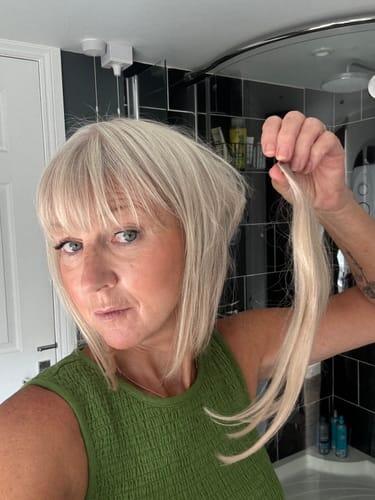
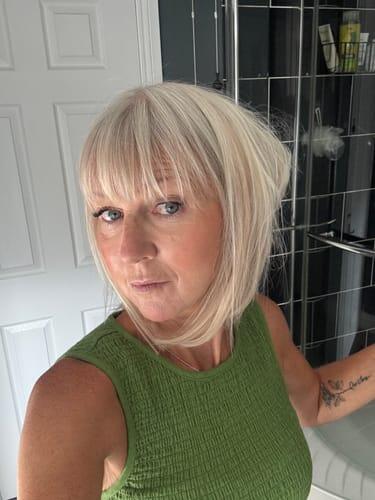
Worrying that hair extensions might feel heavy or uncomfortable is a common concern for many British women. Comfort is more than just appearance, it is about how extensions support a busy lifestyle without causing scalp irritation or headaches. This guide reveals the truth behind hair extension comfort and debunks outdated myths, helping you discover modern options for natural, easy-to-maintain transformations that fit seamlessly into daily life.
Table of Contents
- Defining Hair Extension Comfort And Myths
- Types Of Extensions And Comfort Levels
- Key Factors Affecting Comfort
- Best Practices For Comfortable Fit
- Common Issues And How To Avoid Them
Key Takeaways
| Point | Details |
|---|---|
| Comfort Is Essential | Hair extension comfort relies on proper fitting, lightweight materials, and gentle attachment methods. Professional assistance is recommended for optimal comfort. |
| Extension Varieties Matter | Different hair extension methods offer varied comfort levels. Understanding each type helps in selecting the most suitable option for individual needs. |
| Choose Quality Products | High-quality human hair extensions distribute weight evenly, reducing pressure on the scalp and enhancing comfort during wear. |
| Regular Maintenance Is Key | Professional check-ups and maintenance are crucial to prevent discomfort and ensure the longevity of extensions. |
Defining Hair Extension Comfort and Myths
Comfort isn’t just about how hair extensions look - it’s about how they feel throughout your day. Many women mistakenly believe that all hair extensions automatically cause discomfort, but modern technologies have dramatically transformed this perception. Understanding hair extension comfort means recognising the nuanced relationship between the extension’s weight, attachment method, and your natural hair’s sensitivity.
Most hair extension myths stem from outdated application techniques and low-quality products. For instance, some people think extensions must feel heavy or unnatural, but high-quality human hair options like those from comfortable hair extension solutions prove otherwise. Professional extensions should integrate seamlessly, providing volume and length without causing strain or irritation to your scalp.
The key factors determining extension comfort include proper fitting, lightweight materials, and gentle attachment methods. Quality Remy human hair extensions, strategically placed with minimal tension, can feel incredibly natural. Modern techniques like micro-ring and invisible wire methods distribute weight evenly, reducing potential pressure points that might cause headaches or scalp discomfort.
Pro tip: Always request a professional consultation to ensure your hair extensions are fitted precisely to your head shape and hair texture, minimising potential discomfort and maximising wearability.
Types of Extensions and Comfort Levels
Hair extensions come in multiple varieties, each offering unique comfort levels and aesthetic possibilities. Different extension methods provide women with flexibility in achieving their desired hair transformation while maintaining comfort and style. Understanding these options helps individuals select the most suitable solution for their lifestyle and hair type.
Clip-in extensions represent the most adaptable and user-friendly option, allowing wearers to quickly add volume or length without long-term commitment. These lightweight extensions can be easily attached and removed, making them ideal for those prioritising comfort and convenience. Tape-in extensions offer a semi-permanent alternative, featuring thin, pre-taped wefts that lie flat against the scalp, distributing weight evenly and minimising potential discomfort.
More permanent solutions like sew-in and micro-ring extensions require professional installation but provide longer-lasting results. Sew-in methods involve braiding natural hair and sewing extension tracks directly onto the braided base, which can be comfortable when executed by a skilled stylist. Micro-ring techniques use tiny metal rings to attach extensions, offering a lightweight approach that reduces scalp tension and potential damage to natural hair.
Pro tip: Consult a professional extension specialist who can assess your hair texture, scalp sensitivity, and lifestyle to recommend the most comfortable extension method tailored specifically to your individual needs.
Here’s a summary comparing popular hair extension methods and their comfort considerations:
| Extension Method | Comfort Level | Maintenance Need | Wear Duration |
|---|---|---|---|
| Clip-in | Very comfortable | Low (DIY removal) | Hours to a day |
| Tape-in | Comfortable | Moderate (regular re-taping) | 6-8 weeks |
| Sew-in | Variable comfort | High (professional) | 6-10 weeks |
| Micro-ring | Highly comfortable | Moderate (check-ups) | 8-12 weeks |
| Invisible wire | Extremely light | Low (home care) | Daily, reusable |
Key Factors Affecting Comfort
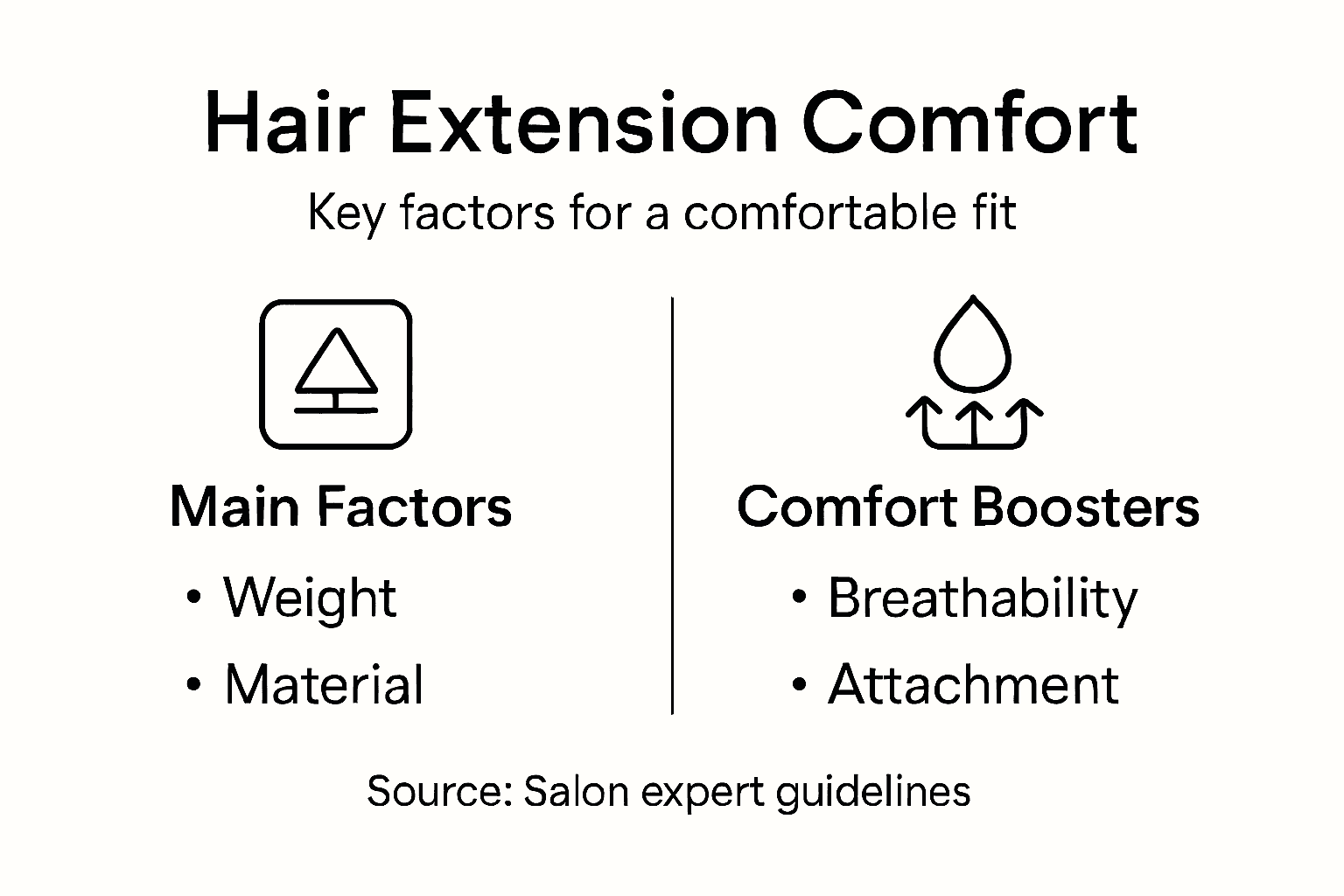
Comfort in hair extensions is a complex interplay of multiple critical elements that go far beyond simple aesthetic considerations. Hair extension comfort factors depend on intricate details like material quality, attachment technique, and individual scalp sensitivity. Understanding these nuanced components helps women make informed decisions about their hair extension choices.
The weight distribution of extensions plays a pivotal role in overall comfort. Heavier extensions can create unnecessary tension on the scalp, potentially leading to headaches and discomfort. Premium Remy human hair extensions are engineered to be lightweight and strategically placed, minimising strain on natural hair roots. This careful weight management ensures that extensions feel almost imperceptible, allowing wearers to move and style their hair without constant awareness of additional weight.
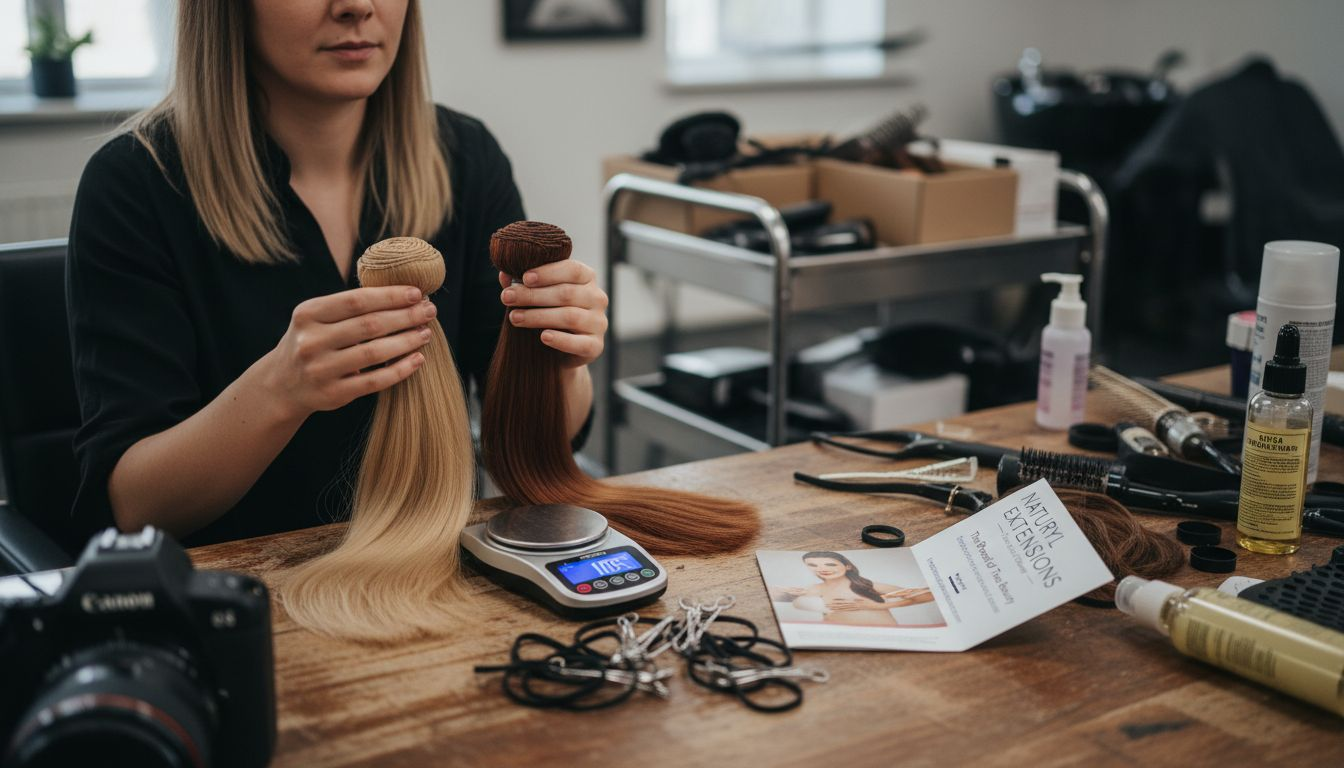
Material composition and breathability are equally crucial in determining extension comfort. High-quality human hair extensions with natural keratin structures provide better ventilation compared to synthetic alternatives. These premium extensions allow the scalp to breathe, preventing moisture build-up and reducing the likelihood of irritation. The attachment method further impacts comfort - techniques like micro-rings and invisible wire methods distribute weight more evenly, creating a more comfortable wearing experience that adapts to individual hair textures and scalp conditions.
Pro tip: Conduct a professional consultation to assess your specific scalp sensitivity and hair type, ensuring your chosen extension method provides maximum comfort and minimal potential for irritation.
Best Practices for Comfortable Fit
Achieving a comfortable hair extension fit requires precision, professional expertise, and careful consideration of individual hair characteristics. Comfortable extension techniques involve strategic weight distribution and personalised application methods that minimise scalp tension and potential discomfort. Understanding these nuanced practices helps women select and maintain extensions that feel natural and effortless.
The selection of extension weight is critical in ensuring comfort and preventing unnecessary strain. Extensions should be meticulously matched to your natural hair’s thickness, texture, and strength. Lightweight Remy human hair extensions provide the most adaptable solution, allowing for seamless integration without overwhelming your natural hair structure. Professional stylists recommend choosing extensions that represent no more than 20-25% of your existing hair’s total weight to maintain a balanced, comfortable wearing experience.
Professional installation techniques play a pivotal role in extension comfort. Micro-ring and invisible wire methods offer superior weight distribution, reducing direct scalp pressure and minimising potential irritation. These advanced attachment techniques allow for gentle, even application that moves naturally with your hair. Regular maintenance appointments are essential, enabling professional adjustment of extensions to prevent gradual tension build-up and ensure ongoing comfort throughout the extension’s lifecycle.
Pro tip: Schedule a comprehensive consultation with a professional extension specialist who can assess your unique hair profile and recommend the most comfortable, personalised extension application technique.
Common Issues and How To Avoid Them
Hair extensions, while transformative, can present several challenges that compromise comfort and overall hair health. Understanding these potential issues is crucial for maintaining a positive extension experience. Hair extension challenges require proactive management and strategic prevention to ensure a seamless, irritation-free styling solution.
One of the most common problems women encounter is excessive tension and scalp irritation. This typically occurs when extensions are installed too tightly or with inappropriate weight distribution. Symptoms like persistent headaches, scalp tenderness, and visible pulling at the roots indicate improper application. To mitigate these issues, prioritise professional installation by experienced stylists who understand the delicate balance between secure attachment and gentle application. Lightweight Remy human hair extensions and techniques like micro-ring methods can significantly reduce scalp strain.
Moisture management and hygiene represent another critical concern for extension wearers. Inadequate ventilation and improper cleaning can lead to bacterial growth, itching, and potential hair damage. High-quality human hair extensions with natural keratin structures offer better breathability, while professional maintenance routines involving specialised cleansing techniques help prevent product build-up and maintain scalp health. Regular professional check-ups enable early detection and resolution of potential complications, ensuring your extensions remain comfortable and visually appealing throughout their lifecycle.
This table outlines common comfort issues with hair extensions and actionable solutions:
| Issue | Likely Cause | Comfort Solution |
|---|---|---|
| Scalp irritation | Tight application | Choose lighter method |
| Headaches | Heavy extensions | Opt for premium Remy hair |
| Hair breakage | Poor attachment method | Seek trained professional |
| Itching or redness | Poor hygiene, low quality | Maintain regular cleaning |
| Root tension | Incorrect placement | Schedule adjustment appointments |
Pro tip: Invest in a professional consultation and maintenance schedule to proactively address potential extension-related issues before they escalate into more significant hair and scalp problems.
Experience Ultimate Hair Extension Comfort with Naturyl
If you have been searching for hair extensions that combine style with unmatched comfort, our collection of premium Extensions is designed exactly for you. The article highlights critical aspects like weight distribution and gentle attachment techniques that prevent scalp irritation and discomfort. At Naturyl Extensions, we specialise in high-quality Remy human hair products that are incredibly lightweight and expertly crafted to ensure a natural feel all day long.
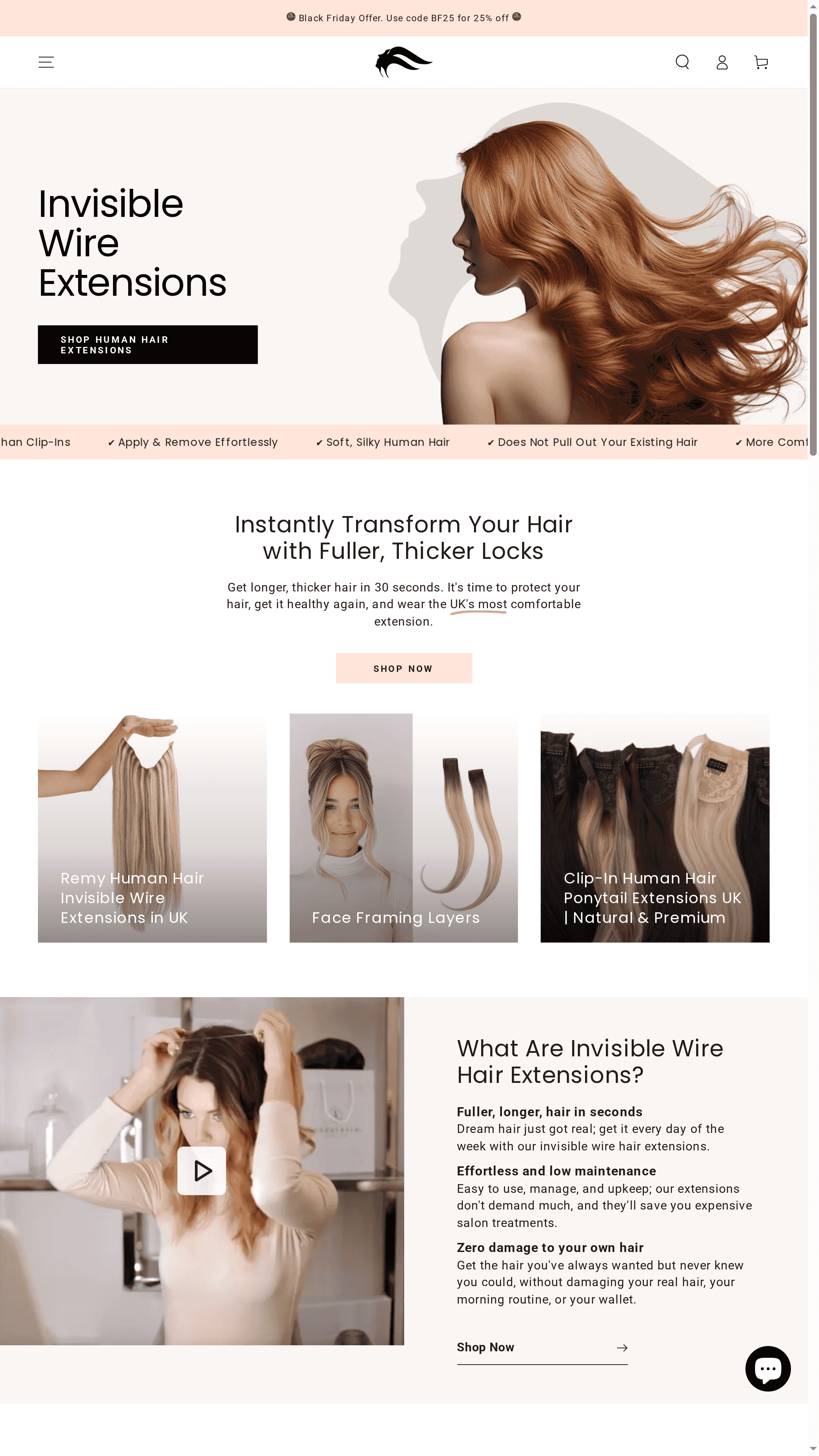
Take control of your hair transformation today with our range including the innovative Remy Invisible Wire Extensions that prioritise both comfort and a flawless finish. Discover how easy it is to achieve fuller, longer hair without compromising comfort or spending hours in salons. Visit Naturyl Extensions now and embrace a damage-free solution with fast UK delivery and free exchanges to match your personalised hair needs.
Frequently Asked Questions
What factors affect the comfort of hair extensions?
Comfort in hair extensions is influenced by factors such as weight distribution, material quality, attachment techniques, and individual scalp sensitivity. Lightweight materials and proper fitting help minimise discomfort.
How can I ensure my hair extensions are comfortable?
To ensure comfort, consult a professional stylist for a custom fitting that matches your hair type and texture. Choose lightweight, high-quality Remy human hair extensions to reduce strain on your scalp.
What are the most comfortable types of hair extensions?
Clip-in and micro-ring extensions are generally considered the most comfortable, as they offer lightweight designs and even weight distribution. Tape-in extensions also provide good comfort for semi-permanent solutions without heavy tension.
How often should I maintain my hair extensions for optimal comfort?
Regular maintenance appointments are essential—typically every 6-12 weeks—depending on the type of extensions. This helps prevent tension build-up and ensures ongoing comfort throughout their wear.