TL;DR:
- Many women seek extensions mainly for added volume, not length.
- Invisible wire and invisible wire extensions offer damage-free, natural-looking solutions for thinning hair.
- The trend favors subtle, everyday extensions that enhance natural hair without obvious changes.
If you have ever stood in front of the mirror wondering whether your flat, fine, or thinning hair can actually be fixed without spending hours at a salon, you are not alone. Millions of women across the UK face this exact frustration every day, and the answer is often simpler than they expect. Hair extensions have evolved enormously over the past decade, offering quick, damage-free solutions that go far beyond dramatic transformations. This article walks you through seven clear signs that extensions could be exactly what your hair needs right now.
Key Takeaways
| Point | Details |
|---|---|
| Volume over length | Most women in the UK use extensions to add fullness, not extra length, for a natural look. |
| Safe for thinning hair | Invisible wire and invisible wire extensions are ideal for delicate or thinning hair, offering damage-free styling. |
| Flexible styling | Extensions help hair hold styles longer and allow more options without harsh treatments. |
| Modern solutions | There are quick, easy-to-use extensions that suit every hair need and lifestyle today. |

Recommended for this guide
Face-Framing Layers
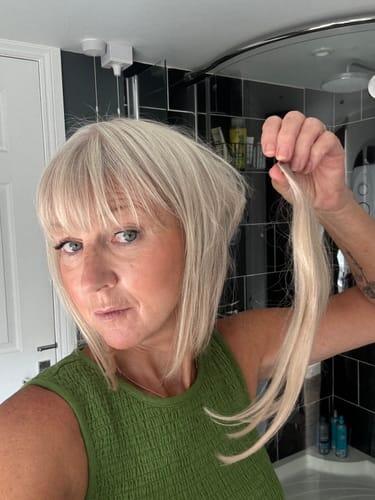
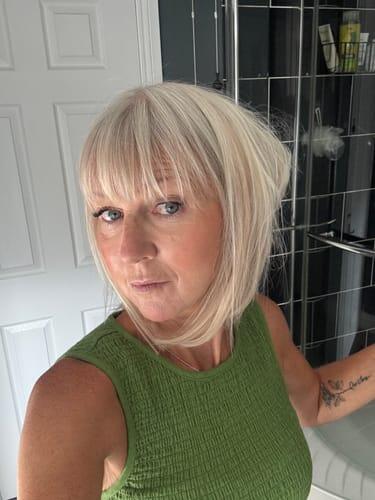
Add natural fullness to thinning front hair in seconds. Completely invisible.
Front clip-in extensions · 100% Remy · £39.95 · Rated 4.7 “Excellent” on Trustpilot · Free UK delivery · Free colour exchanges
Shop Face-Framing Layers → Free colour match from a photoYou struggle with limp or thinning hair
This is the most common reason women consider hair extensions, and it is more widespread than you might think. Thinning hair affects a significant portion of UK women, particularly those going through hormonal changes such as menopause, postpartum recovery, or thyroid-related shifts. When your hair lacks density, everyday styling becomes frustrating. Products pile on, but the volume simply does not last.
Common signs your hair may be thinning or becoming limp include:
- Your ponytail has become noticeably thinner over the past year
- You can see your scalp more clearly in certain lighting
- Hair feels fine and limp even right after washing
- Volumising sprays and mousses stop working after an hour
- You avoid certain hairstyles because your hair looks sparse
The good news is that modern extensions address these concerns directly and without the need for chemical treatments. According to data from a recent UK market report, 53% of extensions sold in the UK are in the 14 to 18 inch range, chosen primarily for volume rather than dramatic length, with demand particularly high among menopausal women and with the market expected to double by 2032. This tells you something important: extensions are no longer a niche solution. They are a mainstream response to a very real and very common hair concern.
“Extensions have shifted from being seen as a glamour tool to becoming a genuine confidence solution for women dealing with hair thinning at any age.”
If your hair loss is active or ongoing, it is important to approach extensions carefully. Vogue UK’s hair extensions guide advises that invisible wire extensions, which require no clips, bonds, or attachments of any kind, are a particularly safe option for those with fragile or thinning hair. They sit on top of your head via a near-invisible wire and cause zero tension on your natural strands.
Our guide to extensions for thin hair covers exactly how to choose the right style and weight without putting your existing hair at risk. You can also explore invisible wire extensions for thin hair as a starting point for the most gentle, fuss-free approach available.
Pro Tip: If your hair is particularly delicate or you are dealing with active shedding, invisible wire extensions are your safest choice. They offer instant volume and can be removed at the end of the day without any specialist help.
You want volume over dramatic length
Many women assume that hair extensions are purely about adding inches. In reality, the majority of extension users in the UK are after something far more subtle: fullness, body, and life in their existing hair.
Ask yourself these questions to see whether volume is your primary goal:
- Do you look at your hair and wish it just looked thicker, even at its current length?
- Does adding a single clip or accessory make your hair look noticeably better?
- Have you ever padded out a bun or updo because your hair felt too wispy on its own?
- Do you find yourself layering your hair forward to create the illusion of more density?
- Has a hairdresser ever commented that you have fine or low-density hair?
If you answered yes to two or more of these, volume is almost certainly your main concern, and extensions can solve it without adding unwanted length. The UK sales data confirms this pattern clearly, with over half of all extensions purchased sitting in the mid-length range specifically to enhance body rather than transform the overall look.
Choosing the right extension length is key to achieving a natural result. Mid-length options, typically between 14 and 18 inches, blend seamlessly with most natural hair lengths and add volume at the roots and mid-shaft where it is most needed. Our guide on choosing the right length breaks this down by hair type and desired outcome, so you can make a confident and informed decision before purchasing.

You feel your styles fall flat or don’t last all day
This sign is one that many women overlook. If you spend time styling your hair in the morning and it has completely deflated by lunchtime, your hair is telling you something. Fine or low-density hair simply does not have enough strands or structure to hold styles for extended periods.
Signs that your styling routine is not delivering:
- Curls drop within an hour of styling
- Braids look thin and unimpressive no matter how carefully you do them
- Updos feel loose and limp rather than full and structured
- Ponytails look flat against your head instead of bouncy and voluminous
- You rely heavily on dry shampoo just to create the illusion of texture
Extensions add the density and grip that your natural hair may be missing. When you have more hair to work with, curls hold longer because they have substance to anchor them. Updos look fuller because there is actually enough hair to wrap and pin. Braids look lush and defined rather than thin and sparse.
Pro Tip: If you have fine hair and are worried about tension or weight, tape-in or clip-in extensions offer the broadest base of support without concentrating pressure at any single point. Vogue UK recommends that fine-haired women prioritise wide weight distribution and keep up with maintenance appointments every six to eight weeks to prevent any tension buildup at the roots.
For practical guidance on how to style your extensions so they look completely natural alongside your own hair, our styling extensions naturally resource is a brilliant place to start.
You want to avoid damage and need a flexible solution
Not every hair challenge calls for a permanent or semi-permanent solution. If you have already experienced damage from bleaching, heat styling, or previous extension methods gone wrong, you deserve an option that works without making things worse.
Modern no-attachment extensions, particularly invisible wire and invisible wire styles, are designed precisely for this situation. They require no glue, no heat bonding, no braiding, and no micro-rings. You simply place them, blend your natural hair over the wire, and go about your day.
Here is a straightforward comparison of the most common extension types against their flexibility and potential damage risk:
| Extension type | Flexibility | Damage risk | Best for |
|---|---|---|---|
| Invisible wire (invisible wire) | Very high | Very low | All hair types, daily use |
| Clip-in | High | Low | Occasional wear |
| Tape-in | Moderate | Low to moderate | Fine to medium hair |
| Micro-ring | Low | Moderate | Thicker, stronger hair |
| Keratin bond (fusion) | Very low | Moderate to high | Experienced extension users |
As you can see, invisible wire and invisible wire styles sit at the top of the table for both flexibility and safety. For anyone with fragile or thinning strands, Vogue UK is clear that no-attachment options are the recommended starting point.
“For women dealing with hair loss or scalp sensitivity, no-attachment extensions offer the best balance of aesthetic results and hair health.”
Proper aftercare also plays a significant role in keeping both your natural hair and your extensions in excellent condition. Our extension care tips guide the process step by step, and you can also download our maintenance checklist for extensions to ensure nothing gets missed.
You find yourself fixing your hair daily or want a change for an event
If you spend a disproportionate amount of time each morning trying to disguise flat spots, cover thin patches, or simply coax your hair into something presentable, that daily effort is a clear signal. You should not have to work that hard just to feel good about your hair.
Common signs you are in this situation:
- You reach for a hat or headband more often than not
- You spend ten or more minutes trying to build volume with tools and products
- You avoid photographs because your hair never looks how you want it to
- Special occasions feel stressful because you cannot rely on your hair to cooperate
Event-based motivations are equally valid. Many women choose extensions specifically for occasions where they want their hair to look its absolute best. Here are the most common event-driven reasons to consider extensions:
- Weddings, whether as a bride, bridesmaid, or guest
- Professional photoshoots or headshot sessions
- Job interviews or important presentations
- Milestone birthday celebrations or anniversaries
- Holidays or travel where easy styling matters
The UK extension market’s rapid growth reflects exactly this pattern. Women are not just buying extensions for permanent changes. They are using them as reliable, on-demand tools for looking and feeling their best whenever it matters most.
| Scenario | Best extension solution | Wear time |
|---|---|---|
| Wedding day | Invisible wire or clip-in | Single day |
| Daily volume boost | Invisible wire | Daily removal |
| Photoshoot | Clip-in or invisible wire | Hours |
| Event or party | Invisible wire or clip-in | Evening |
| Regular fullness | Tape-in or clip-in | Weeks |
Before you commit to any method, our extension do’s and don’ts guide will help you avoid the most common mistakes. It is also worth understanding how to look after your underlying hair during wear, and our advice on caring for your natural hair while using extensions covers this thoroughly.
A fresh take: why ‘barely there’ extensions are the new normal
There is a persistent old-fashioned idea that hair extensions are for dramatic makeovers. Big, bold, and unmistakable. That picture could not be further from what most UK women are actually doing in 2026.
The real story is quieter and, frankly, more interesting. Women are choosing extensions that nobody can see. Extensions that simply make their hair look like the best version of itself. No sudden transformation, no obvious change in length, just hair that finally has the fullness and life it always deserved.
We believe this shift matters enormously. The UK market data backs it up, with the 14 to 18 inch mid-length category dominating sales and the market projected to double by 2032. This is not a flash in the pan. It is a lasting cultural change in how women think about hair enhancement.
What does this mean practically? It means that invisible wire and invisible wire extensions have become everyday items for women who simply want to feel put together without spending an hour with heated tools each morning. The normalisation of subtle extensions across all age groups is one of the most positive developments in the industry, because it removes the stigma and replaces it with something far more useful: genuine choice.
Our perspective is that the best extension is the one nobody notices. It should blend completely, feel comfortable throughout the day, and be simple enough to put in and take out without specialist help. Premium Remy human hair achieves this most reliably because it matches the texture and movement of natural hair so closely. Keep your extensions clean, brush them gently, and store them properly, and they will reward you with consistent, natural results every single time.
For a broader view of where the UK extension industry is heading and what it means for consumers, our industry trends analysis is worth a read.
Discover your perfect, damage-free extension solution
If any of the signs in this article sound familiar, you are in exactly the right place. At Naturyl Extensions, every product is designed to solve real hair concerns quickly and without compromise. Whether you are looking for instant volume, a special occasion style, or a gentle daily solution for thinning hair, our range of premium Remy human hair extensions has you covered.

Our invisible wire extensions are the most popular starting point for women across the UK, offering a no-fuss, no-damage fit that works on almost every hair type. If you need a little more length alongside your volume, our additional length wires let you customise your result without overcomplicating your routine. We offer fast UK delivery, a free exchange policy, and a genuinely helpful team ready to match you with the right product for your hair. There is no reason to keep working around hair that is not working for you.
Frequently asked questions
Does my hair need to be a certain length to use extensions?
Most extensions work best with hair at least at shoulder length, but invisible wire and invisible wire styles are suitable even for shorter hair because they add volume without requiring length to anchor them.
Can extensions make thinning hair worse?
Using the wrong method can place stress on fragile strands, but invisible wire and invisible wire extensions carry very low risk because they require no attachment and place no tension on your scalp or roots whatsoever.
How do I know which extension type is right for my hair?
Fine or thinning hair needs lightweight options with broad weight distribution. Tape-ins and clip-ins are widely recommended for fine hair, along with invisible wire styles, as they spread weight evenly and require maintenance every six to eight weeks.
Are extensions easy to style and care for?
Modern extensions made from quality Remy human hair blend naturally with your own hair and respond well to gentle washing, low-heat styling, and regular brushing with a soft-bristle brush for lasting results.
Is it normal for more women to choose volume over length?
Absolutely. Over half of UK extension sales are in the 14 to 18 inch range, chosen specifically for added fullness rather than extra length, and this trend is growing rapidly with the market set to double by 2032.
Ready to try it?
Face-Framing Layers
Add natural fullness to thinning front hair in seconds. Completely invisible.
Front clip-in extensions · 100% Remy · £39.95 · Rated 4.7 “Excellent” on Trustpilot · Free UK delivery · Free colour exchanges
Shop Face-Framing Layers → Free colour match from a photo