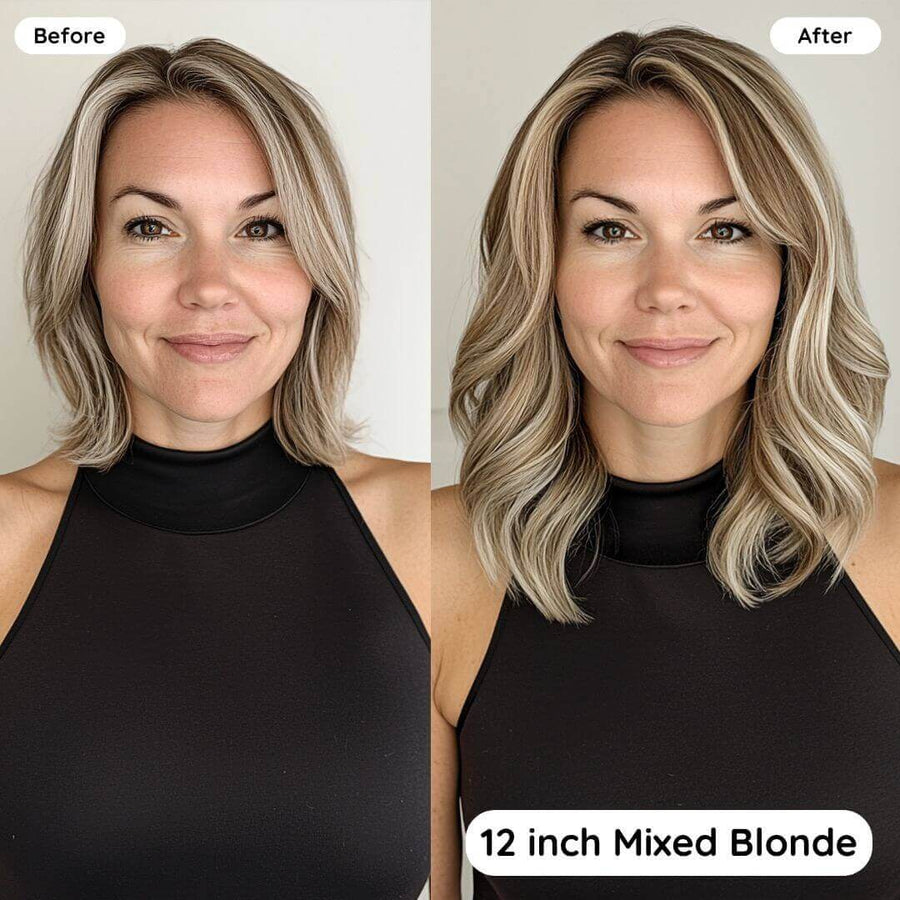
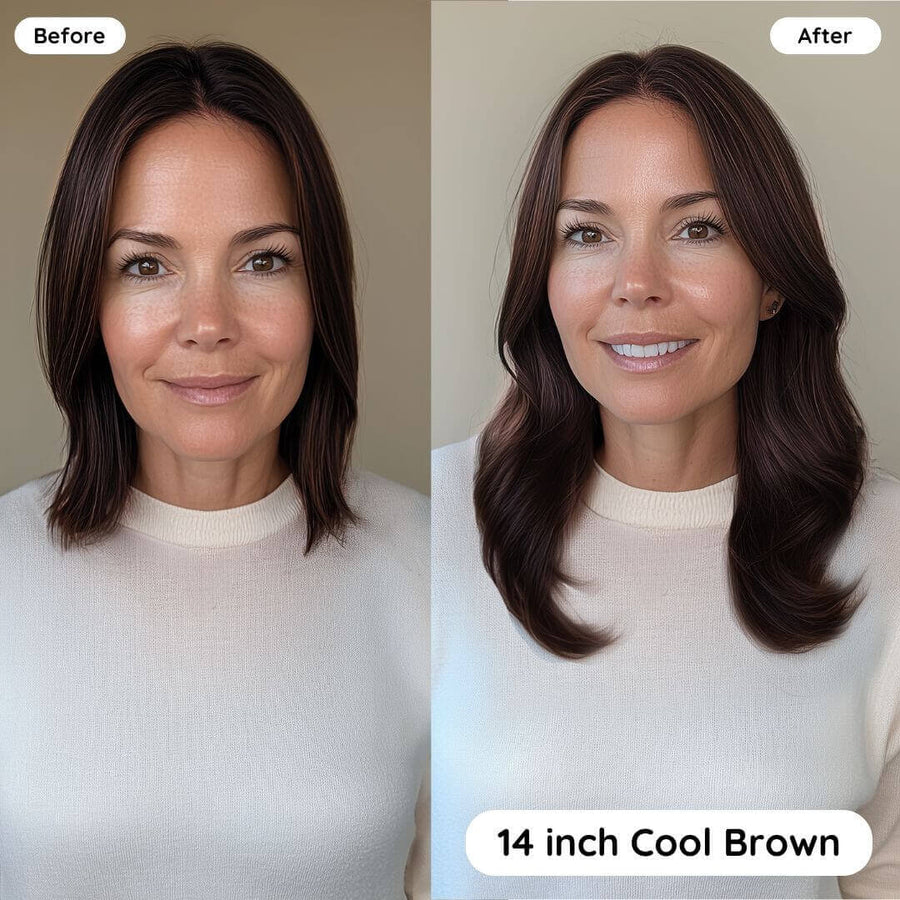
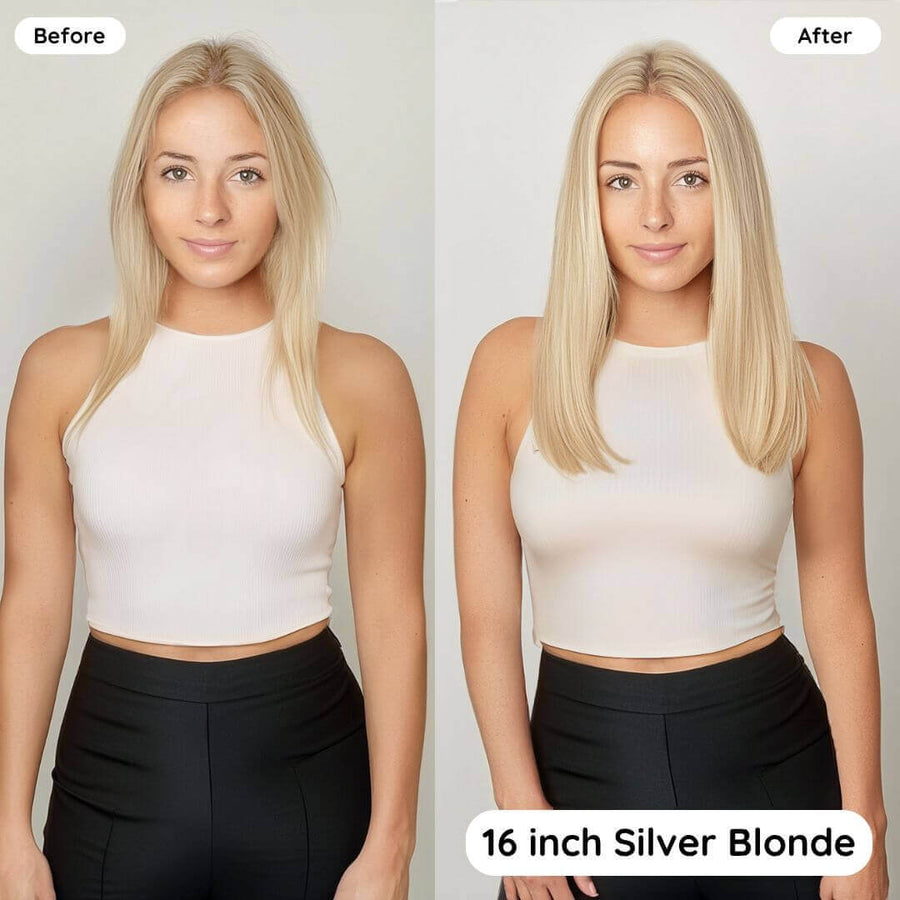
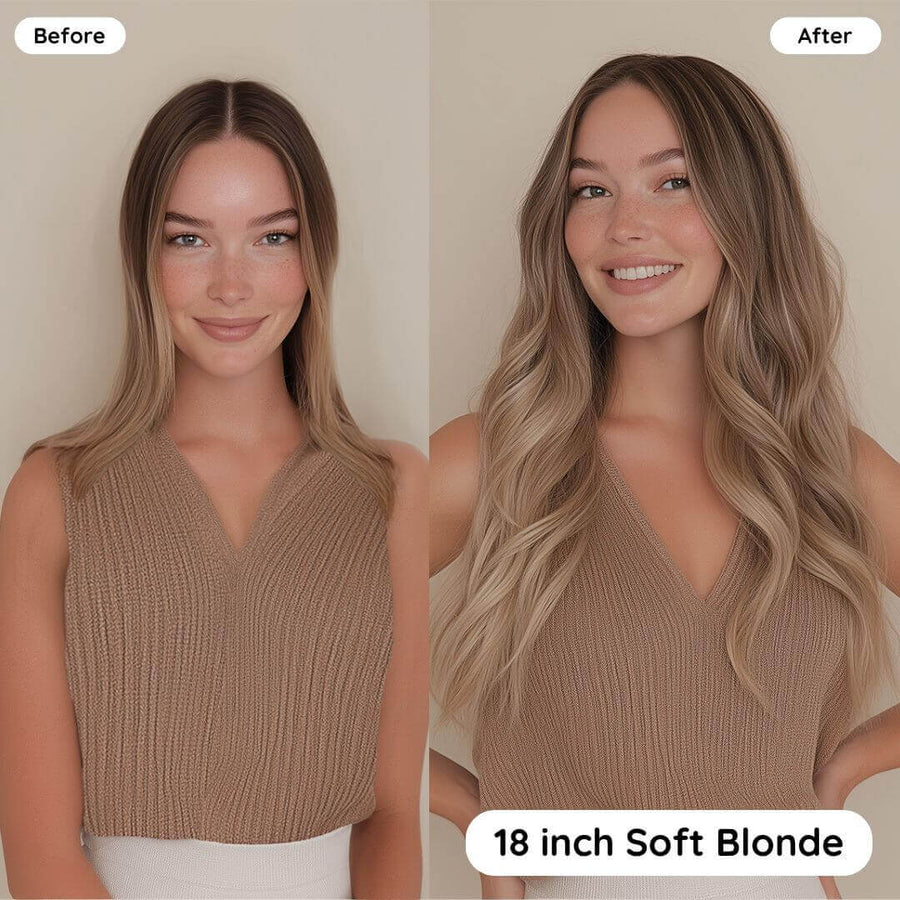

Finding extensions that deliver enviable volume without causing discomfort is a struggle many UK women with thinning hair know too well. If you want instant fullness but worry about scalp tension or damage, you’re not alone. Understanding the right hair weight for extensions is key to achieving natural-looking results that feel comfortable and safe for everyday wear, so you can style confidently without compromise.
Table of Contents
- Defining Hair Weight In Extensions
- Types And Categories Of Extension Weight
- How Weight Influences Comfort And Appearance
- Choosing The Right Weight For Your Hair
- Risks Of Heavy Extensions And What To Avoid
Key Takeaways
| Point | Details |
|---|---|
| Extension Weight Matters | The total mass of hair extensions affects comfort, natural appearance, and potential damage to your natural hair. |
| Choose Appropriately | Match extension weight to your hair type to avoid discomfort, tension, and long-term damage. |
| Monitoring Comfort is Crucial | Regularly assess your scalp comfort after extended wear to prevent unnoticed tension and possible hair loss. |
| Consult Professionals | Seek advice from hairstylists to determine the best extension weight based on your hair’s strength and condition. |
Defining Hair Weight in Extensions
Hair weight in extensions refers to the total mass of hair used in a single weft, clip, or application method, measured in grams. This measurement directly affects how the extensions feel on your head, how natural they look, and whether they cause discomfort or damage to your natural hair.
Understanding weight is crucial because it goes beyond aesthetics. Heavier extensions pull harder on your scalp, whilst lighter ones integrate seamlessly into your routine. The right weight depends on your hair type, the length you’re adding, and your styling preferences.
Why Weight Matters
Your natural hair has limits. If you add too much weight, your scalp bears stress that leads to tension, headaches, and even hair loss over time. Too little weight, and your extensions won’t create the volume or length you’re hoping for.
When you understand hair density in extensions, you’ll see that weight and density work together. A clip with high density but low weight might feel light but look thick. Conversely, a lightweight clip with low density gives you subtle enhancement without strain.
Common Weight Ranges Explained
Extensions typically fall into these weight categories:
- Ultra-light (8-15 grams): Perfect for adding subtle volume or framing your face without any pulling sensation. Ideal for fine or thinning hair.
- Light (16-25 grams): Offers noticeable fullness while remaining comfortable for all-day wear. Suits most hair types.
- Medium (26-40 grams): Provides significant length and volume but requires healthy, strong natural hair to support it.
- Heavy (40+ grams): Best for special occasions or those with thick, resilient hair.
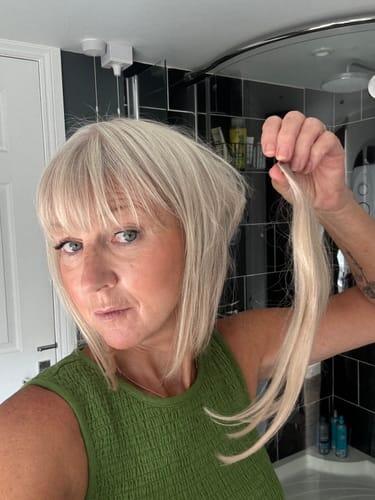
Our bestselling Face Framing Layers come in at just 15 grams, making them ideal for UK women seeking natural-looking enhancement without the weight burden.
Here’s a quick comparison of extension weights, their typical uses, and compatibility with natural hair types:
| Weight Category | Typical Usage | Natural Hair Compatibility | Visual Effect |
|---|---|---|---|
| Ultra-light (8-15g) | Face framing, subtle volume | Fine or thinning hair | Soft enhancement |
| Light (16-25g) | Daily wear, modest fullness | Most hair types | Noticeable increase |
| Medium (26-40g) | Full volume, added length | Medium to thick hair | Visible transformation |
| Heavy (40+g) | Special occasions, dramatic | Thick, resilient hair | Maximum fullness |
What Affects How Weight Feels
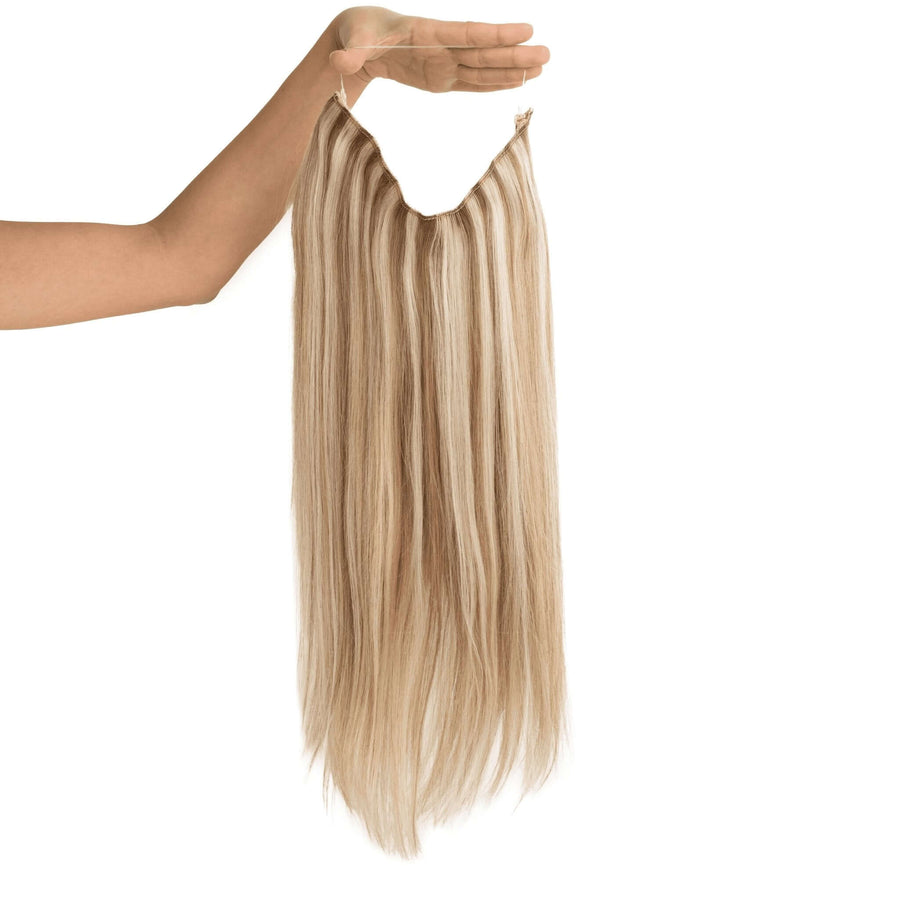
The actual sensation of weight depends on several factors. Hair length amplifies weight sensation—longer extensions feel heavier because they extend further from your scalp. The application method also matters; invisible wire extensions distribute weight differently than traditional clips.
Your natural hair’s strength matters too. If you have fine or previously processed hair, even 20 grams might feel heavy. Thick, virgin hair handles 40 grams comfortably.
The right weight feels weightless—you should forget you’re wearing extensions after the first hour.
Pro tip: Start with lighter extensions and assess comfort for a full day before choosing heavier options; this prevents purchasing extensions that cause discomfort or scalp tension.
Types and Categories of Extension Weight
Extension weight categories exist because not all hair additions are created equal. The weight you choose depends on your natural hair’s strength, your desired aesthetic, and your comfort tolerance. Understanding these categories helps you make an informed decision rather than guessing what might work.
Weight classifications aren’t arbitrary—they’re based on real measurements in grams and have genuine implications for how extensions perform on your head. Different application methods and hair lengths naturally fall into different weight ranges, so knowing the categories gives you a framework for shopping.
Lightweight Extensions (8-20 Grams)
Lightweight extensions feel virtually undetectable. They’re perfect for adding subtle fullness without any pulling sensation at your roots. These work brilliantly if you have fine, thinning, or previously colour-treated hair that can’t handle heavy loads.
Clip-in extensions in this range typically offer enough coverage for layering near your face or blending with your natural hair. Our bestselling Face Framing Layers at 15 grams exemplify this category—they provide noticeable volume without strain.
Benefits of lightweight options:
- No tension headaches or scalp discomfort
- Suitable for sensitive scalps or fine hair
- Easy all-day wear without fatigue
- Perfect for layering multiple pieces
Medium-Weight Extensions (21-35 Grams)
Medium-weight extensions strike a balance between impact and comfort. They create noticeably fuller hair whilst remaining wearable for extended periods without discomfort. Most UK women find this range ideal for everyday styling.

This category suits most hair types and works well for both length and volume enhancement. The difference between light and medium becomes apparent when you’re looking for transformative results rather than subtle tweaks.
Heavyweight Extensions (36+ Grams)
Heavyweight extensions deliver dramatic transformation. They’re designed for special occasions, thick natural hair, or situations where you want maximum fullness. Only choose this category if your natural hair is strong and healthy.
Understanding different types of hair extensions helps you recognise that application method affects how weight distributes across your scalp. Weft extensions versus clip-in systems handle weight differently.
Weight by Application Method
Different attachment methods naturally align with certain weight ranges:
- Clip-in extensions: Typically 8-40 grams per piece; you control how many pieces you wear
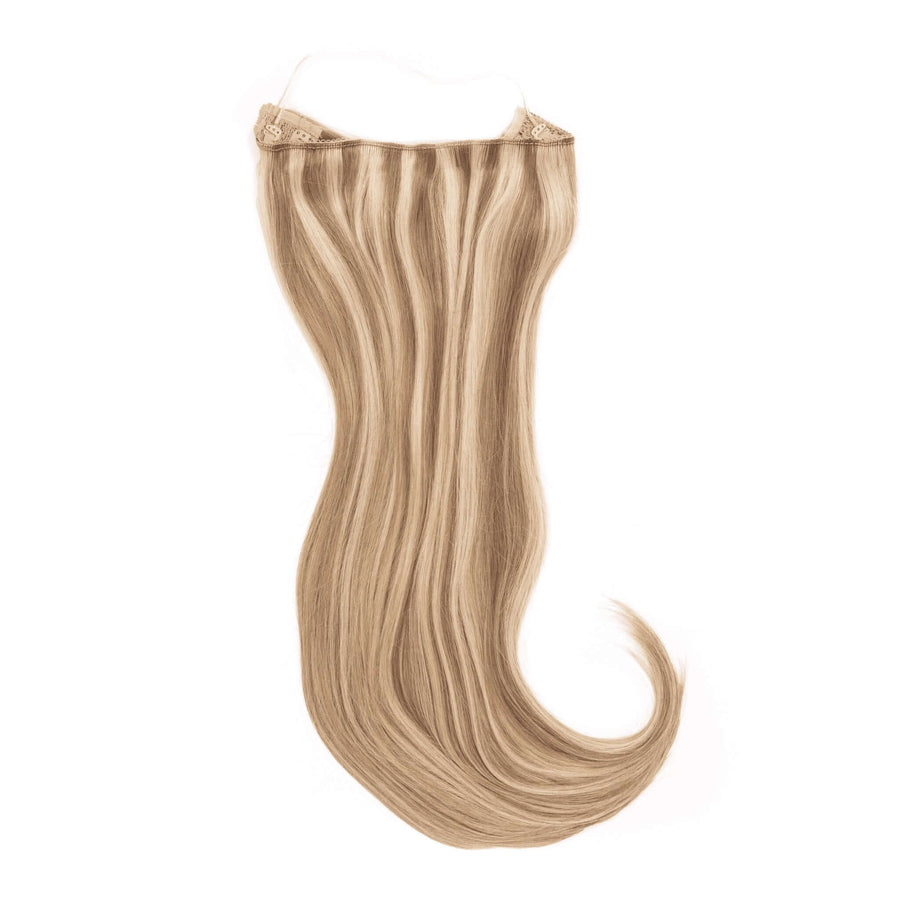
- Invisible wire extensions: Usually 15-50 grams per application; distribute weight across multiple contact points
- Ponytail extensions: Often 20-80 grams; support concentrated at one anchor point
The category that feels right for you depends more on your natural hair’s condition than on the category’s weight range itself.
Pro tip: Match extension weight to your hair’s thickness—if your natural hair is fine, choose the lightest weight in each category rather than the heaviest.
How Weight Influences Comfort and Appearance
Weight doesn’t just affect how extensions feel—it directly impacts how they look and whether you’ll actually want to wear them. The relationship between weight, comfort, and visual appeal is more connected than most people realise.
When extensions feel uncomfortable, you avoid wearing them. When they look unnatural, you lose confidence. The sweet spot exists where weight creates the volume you want without compromising comfort or damaging your natural hair.
The Comfort Challenge
Heavy extensions may cause scalp tension and discomfort, affecting your ability to wear them throughout the day. This tension builds gradually—you might not notice it during the first two hours, but by evening, your scalp aches and you’re eager to remove them.
Your scalp has genuine limits. Too much weight strains the follicles anchoring your natural hair, leading to breakage, hair loss, and long-term damage. This is why understanding hair extension comfort considerations matters for sustainable wear.
Comfort indicators to watch for:
- Persistent headaches or tension after a few hours of wear
- Scalp soreness at attachment points
- Difficulty concentrating due to pulling sensation
- Reluctance to wear extensions because of physical discomfort
The Appearance Factor
Weight determines volume, and volume determines how dramatic your transformation looks. Heavier extensions add noticeably more fullness, which appeals if you’re seeking significant change. Lighter extensions blend seamlessly, creating natural-looking enhancement rather than obvious transformation.
Your hair length amplifies weight’s visual impact. Adding 15 grams to short hair creates obvious fullness. Adding the same 15 grams to hair that’s already shoulder-length delivers subtle blending rather than dramatic volume.
The visual sweet spot depends on your goals:
- Subtle enhancement: Choose lightweight options for natural-looking fullness
- Noticeable transformation: Select medium-weight extensions for visible density increase
- Dramatic change: Opt for heavyweight options if your hair can support it
Finding Your Personal Balance
Your hair’s strength is the limiting factor, not your style preferences. If you dream of heavyweight fullness but have fine hair, your scalp and follicles simply won’t tolerate it comfortably.
Start conservative. You can always add more extensions later. Starting too heavy means suffering through discomfort or damaging your natural hair to achieve a look that wasn’t worth the cost.
The best hair extension weight is one you forget you’re wearing—it looks beautiful and feels weightless.
Pro tip: Assess comfort after four hours of wear, not during the first hour when everything feels fine; true comfort reveals itself when you’re moving through your normal day.
Choosing the Right Weight for Your Hair
Selecting the right weight isn’t about what looks best in pictures—it’s about what your hair can actually support. The most beautiful extensions mean nothing if wearing them causes pain or damages your natural hair.

Your hair type, thickness, and overall health form the foundation of this decision. Start by honestly assessing your natural hair’s condition rather than focusing solely on the aesthetic result you want.
Assessing Your Hair Type
Fine or thin hair requires lightweight extensions. These hair types lack the structural strength to anchor heavy weights without stress. Adding 30 grams to fine hair risks breaking your natural strands at the attachment point.
Medium-thickness hair tolerates medium-weight extensions comfortably. Thick, healthy hair can handle heavier options, but that doesn’t mean you should max out the weight just because you can.
Hair type considerations:
- Fine hair: Maximum 15-20 grams per application
- Medium hair: 20-35 grams per application
- Thick hair: 35-50 grams per application
Consulting Professional Guidance
Determining the right weight of extensions involves consulting professionals who assess your hair type and goals. A professional stylist can evaluate your hair’s actual strength, not just its appearance.
Don’t rely on social media or friends’ recommendations. Your friend with thick, virgin hair can wear extensions you absolutely cannot. A professional consultation costs less than replacing damaged hair.
Hair Health Matters
Previously colour-treated or chemically processed hair is more fragile. Even if it’s thick, the damage makes it vulnerable to breakage under heavy extension weight. Hair extension thickness choices interact with your hair’s actual condition, not just its appearance.
If your hair has been bleached, relaxed, or permed, opt for lighter extensions than you might otherwise choose. Your hair needs time to recover its strength.
Health red flags:
- Existing breakage or split ends
- Previous chemical treatments
- Flyaway or brittle texture
- Hair that snaps easily when pulled gently
The Trial Approach
Start with the lightest weight in your category and wear it for a full week. Notice how your scalp feels, whether you develop headaches, and whether your natural hair shows stress at attachment points.
Once you’ve confirmed comfort, you can gradually increase weight. This method prevents costly mistakes and protects your natural hair from unnecessary damage.
Your hair’s integrity matters more than achieving maximum volume immediately.
Pro tip: Ask your stylist to test a lightweight option first and schedule a follow-up appointment one week later to assess scalp health and hair stress before committing to heavier extensions.
Risks of Heavy Extensions and What to Avoid
Heavy extensions aren’t just uncomfortable—they cause real, lasting damage to your natural hair and scalp. Understanding these risks helps you make decisions that protect your hair health long-term, not just achieve short-term aesthetic goals.
The damage from heavy extensions often appears months later, after you’ve stopped wearing them. By then, the harm is done. Prevention is far simpler than repair.
Scalp and Follicle Damage
Continuous tension from heavy extensions pulls on your hair follicles, causing a condition called traction alopecia. This leads to hair loss that can become permanent if the stress continues. Your follicles simply cannot withstand excessive weight indefinitely.
You might not notice the damage initially. Hair loss from heavy extensions develops gradually over weeks and months. By the time you see noticeable thinning, significant damage has already occurred.
Scalp damage indicators:
- Persistent redness or irritation at attachment points
- Tenderness when touching your scalp
- Visible hair loss around the hairline or crown
- Itching or burning sensations
Natural Hair Breakage
When extensions are too heavy, they pull your natural hair downward constantly. This creates stress that breaks strands, especially at the attachment point. The breakage weakens your overall hair structure.
Thick, healthy hair can tolerate more weight, but fine or previously processed hair fractures easily under load. Once your natural hair breaks, it cannot repair itself—you must wait months for new growth to replace the damaged strands.
Prolonged Discomfort
If you’re experiencing tension headaches or scalp soreness that lasts beyond the first few hours of wear, your extensions are too heavy. Discomfort that builds throughout the day signals your hair cannot sustain the weight.
Ignoring this warning leads to chronic pain, difficulty sleeping, and reluctance to wear extensions. Understanding the do’s and don’ts of hair extensions includes recognising when weight exceeds your hair’s capacity.
The table below summarises key risks of choosing unsuitable extension weights and signs to monitor:
| Risk | Early Warning Sign | Long-term Impact |
|---|---|---|
| Scalp tension | Persistent redness or soreness | Traction alopecia, hair loss |
| Hair strand breakage | Brittle texture, snapping hairs | Weakened hair structure |
| Prolonged discomfort | Headaches lasting beyond a few hours | Reluctance to wear extensions |
What to Avoid
Don’t assume heavier extensions automatically look better. Don’t compare your hair capacity to friends with different hair types. Don’t ignore early warning signs like headaches or scalp tenderness.
Avoid rushing the selection process. Choose extensions based on your hair’s actual strength, not on style aspirations. Avoid wearing the same weight continuously—rotate lighter and medium-weight options to give your follicles recovery time.
Temporary beauty is never worth permanent hair damage.
Pro tip: Remove extensions for at least one week every two months to allow your scalp and natural hair follicles to recover from tension and stress.
Discover The Perfect Balance Between Comfort And Volume With Naturyl Extensions
Struggling to find hair extensions that add just the right amount of volume without causing discomfort or damage Finding your ideal hair weight is crucial for a natural look and all-day comfort. At Naturyl, we understand that your hair’s strength and styling goals demand personalised solutions. Our Buy Remy Invisible Wire Extensions in UK | Naturyl offer lightweight yet fuller volume options designed to feel weightless while enhancing your natural beauty.

Transform your hair effortlessly with high quality, ethically sourced Remy human hair extensions that respect your scalp’s wellbeing. Whether you want subtle face-framing layers or a fuller length look, explore our Extensions and Buy 14 Inch Hair Extensions in UK | Naturyl Extensions collections. Act now to enjoy fast UK delivery and free exchanges by visiting https://naturylextensions.com. Start your journey to comfortable, beautiful hair today.
Frequently Asked Questions
What is hair weight in extensions?
Hair weight in extensions refers to the total mass of hair used in a single application method, measured in grams. It affects how extensions feel on your scalp and how natural they appear.
How does extension weight influence comfort?
Heavier extensions can pull on your scalp, causing tension and discomfort, while lighter extensions integrate more seamlessly into your routine, often feeling weightless after a short wear.
What are the common weight categories for hair extensions?
Extensions typically fall into four categories: ultra-light (8-15 grams), light (16-25 grams), medium (26-40 grams), and heavy (40+ grams), each suitable for different hair types and styling preferences.
How can I choose the right weight of extensions for my hair type?
To choose the right weight, assess your natural hair’s strength. Fine hair should stick to lighter extensions (up to 20 grams), while medium hair can handle 20-35 grams and thick hair can usually manage 35-50 grams.